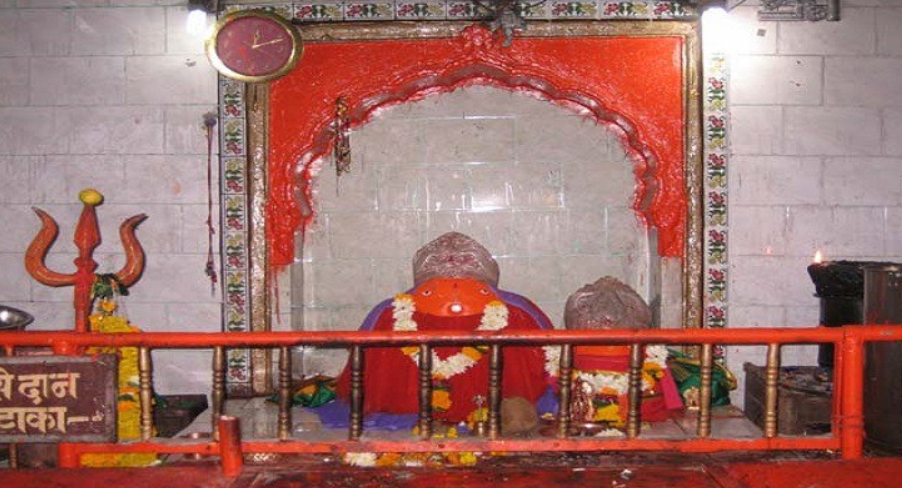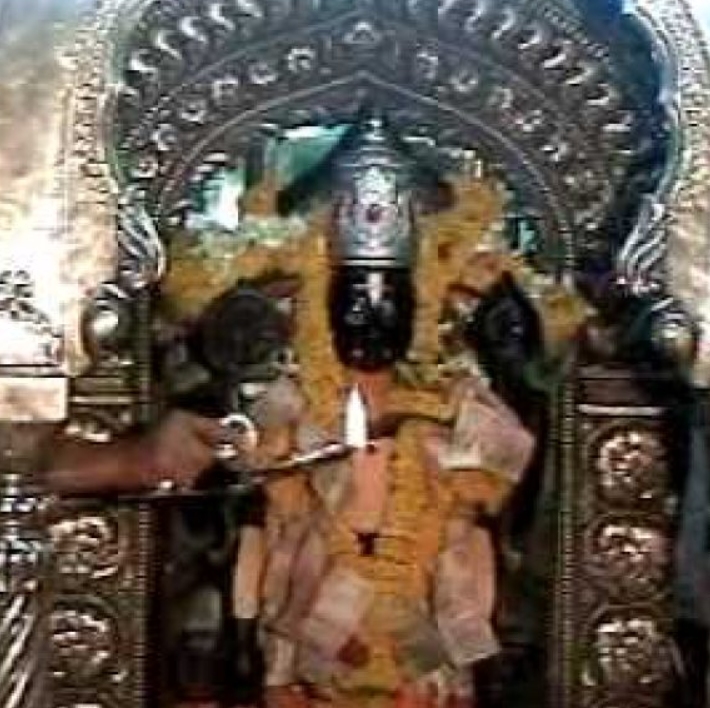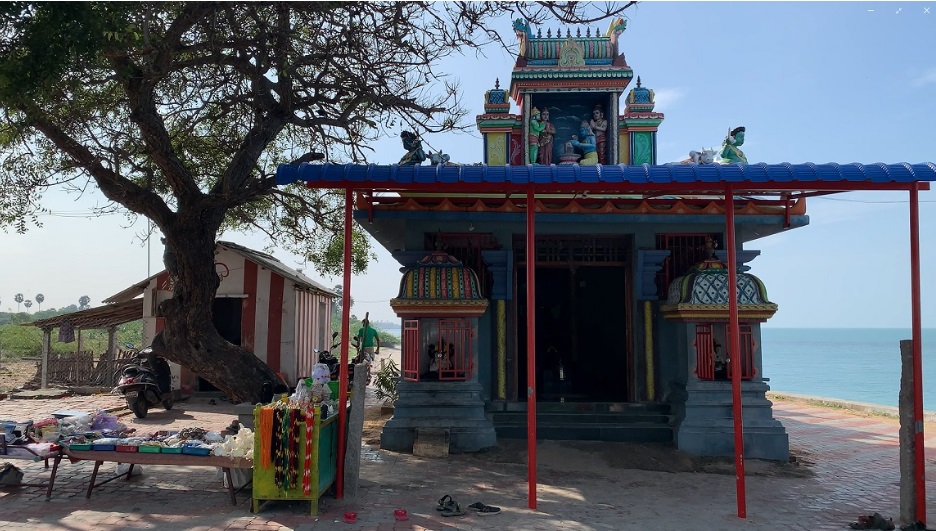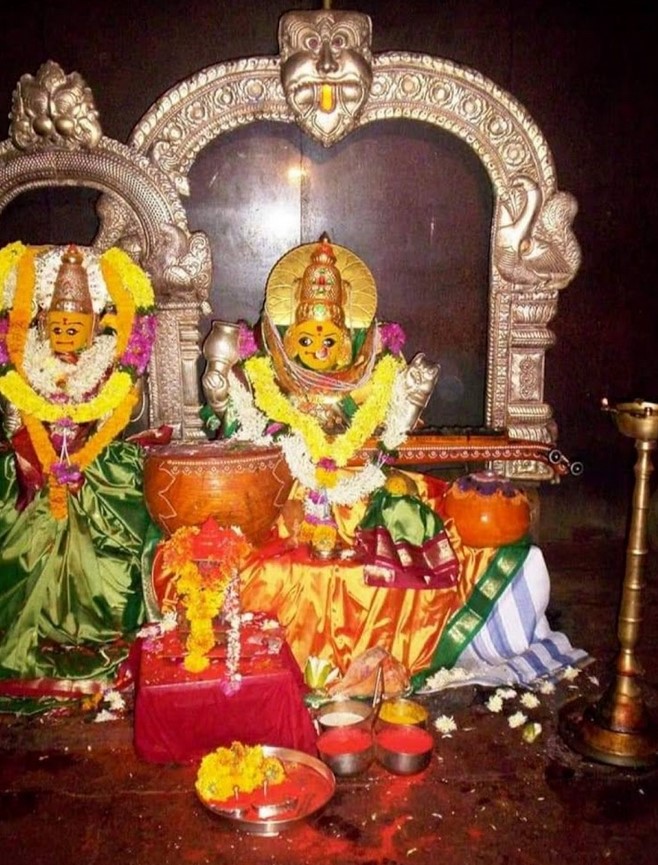
Sri Champakadhama Swamy temple and Sri Lakshmi Narshimha Swamy temple - Banerghatta - Bangalore
How many time have you visited Banerghatta National Park / Zoo. If you are in Bangalore, I am pretty sure that you must have visited Banerghatta once during your stay here.
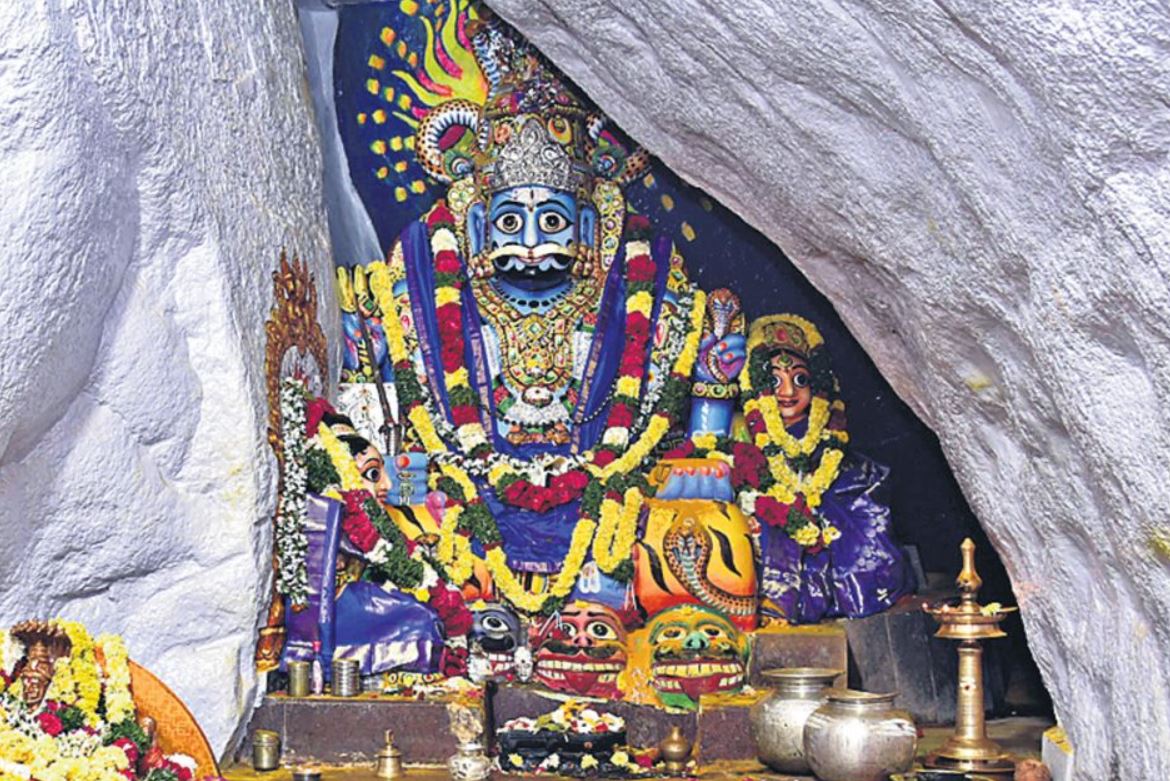
Today I am going to tell you about a very famous temple in Bangalore near Bannerghatta. Called as Sri Champakadhama Swamy temple ( or champakadhama temple ) is a very special temple.
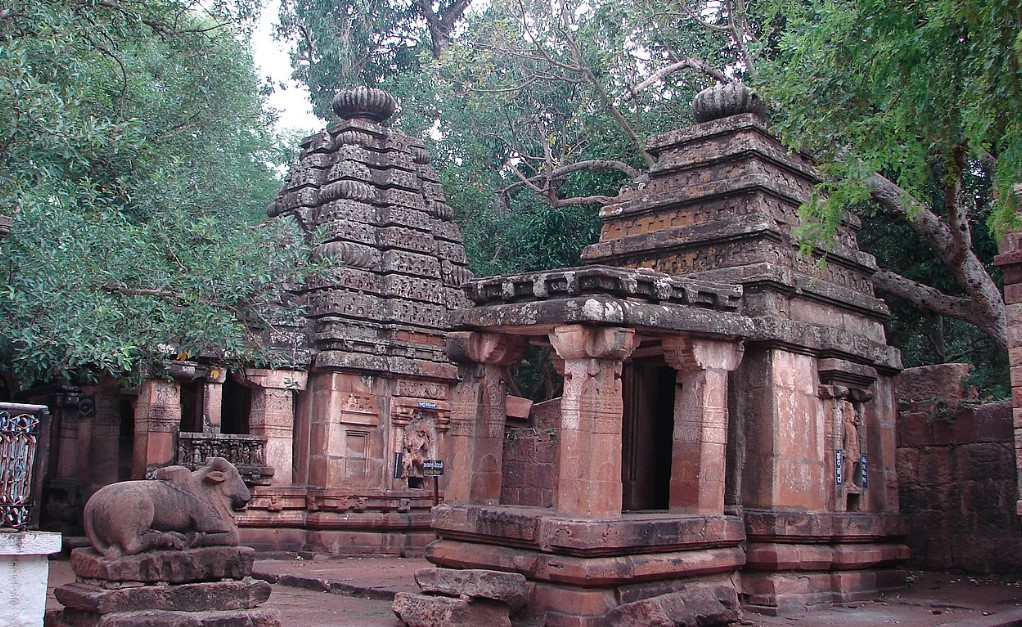
Did you know about this temple ? It is a very old temple built during Hoysala dynasty situated just before the Banerghatta zoo?
Sri Champakadhama Swamy temple also known as sri champakadhama swamy devalaya is a very very famous temple in bannerghatta.
Champakadhama temple is a historical temple which we tend to miss. A must visit temple near Banerghatta Zoo.
So let us talk about this bannerghatta temple today. It is one the oldest temple, situated just before the huge granite hill.
Infact you will see two temples one at the starting of the hill and one at the top of the hill.

The one below is called as Sri Champakadhama Swamy temple and once at the top of the hill is called as Sri Lakshmi Narshimha Swamy temple.


The temple was built in 12th Century during the rule of Hoysala Dynasty and hence this temple is of historical importance as well. Apart from being a important place for worhsip, this temple also plays a impoartant role in community building.

Please note that photography is not allowed with in the Sri Champakadhama Swamy temple
OK, how to reach Sri Champakadhama Swamy temple?
Temple is just before the Banerghatta National park. While travelling from Bangalore, you can take Banerghatta Road to reach Banerghatta.
If you are staying in Electronics City / Anekal or Sarjapura area, you can take NICE road and this way you can avoid city traffic. You can exit at Banerghatta.
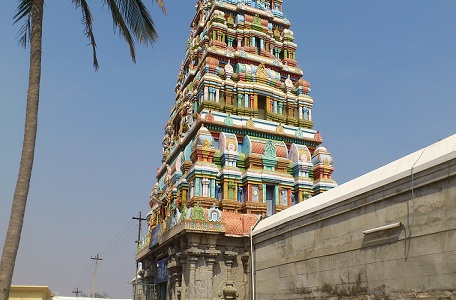
As soon as you reach Banerghatta junction ("Y"), you have one road , the left one going to Zoo. You need to take the right one. You will see an arch. Take that road. The temple gopuram is visible from far, so you cannnot miss it.
Go straight and you will reach the temple parking area. Enough place to park there.
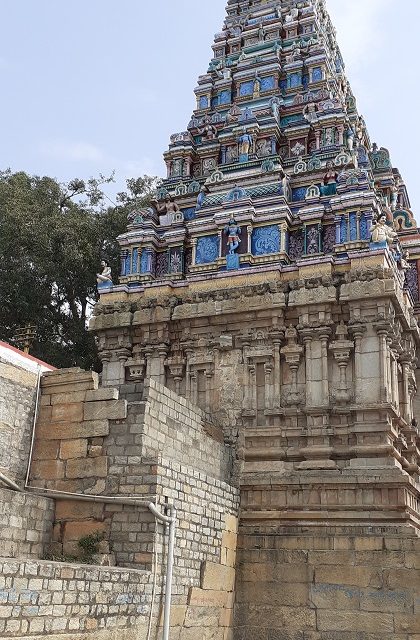
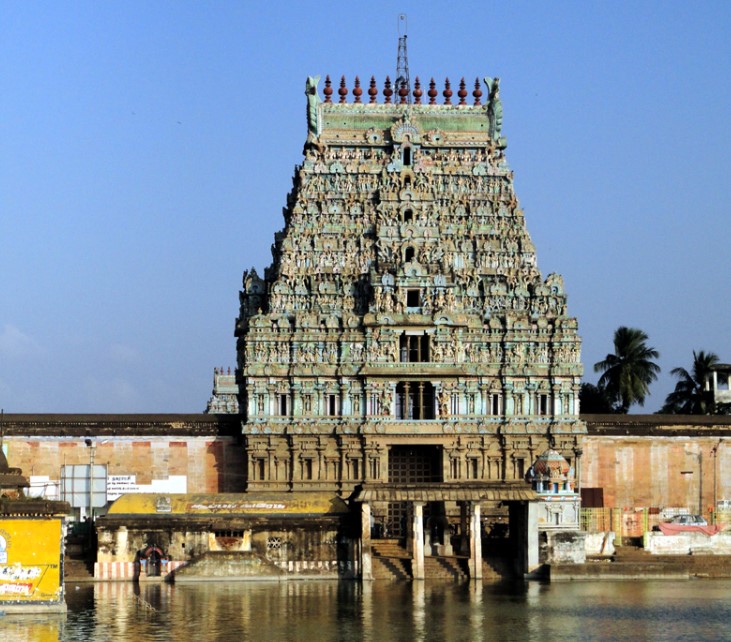
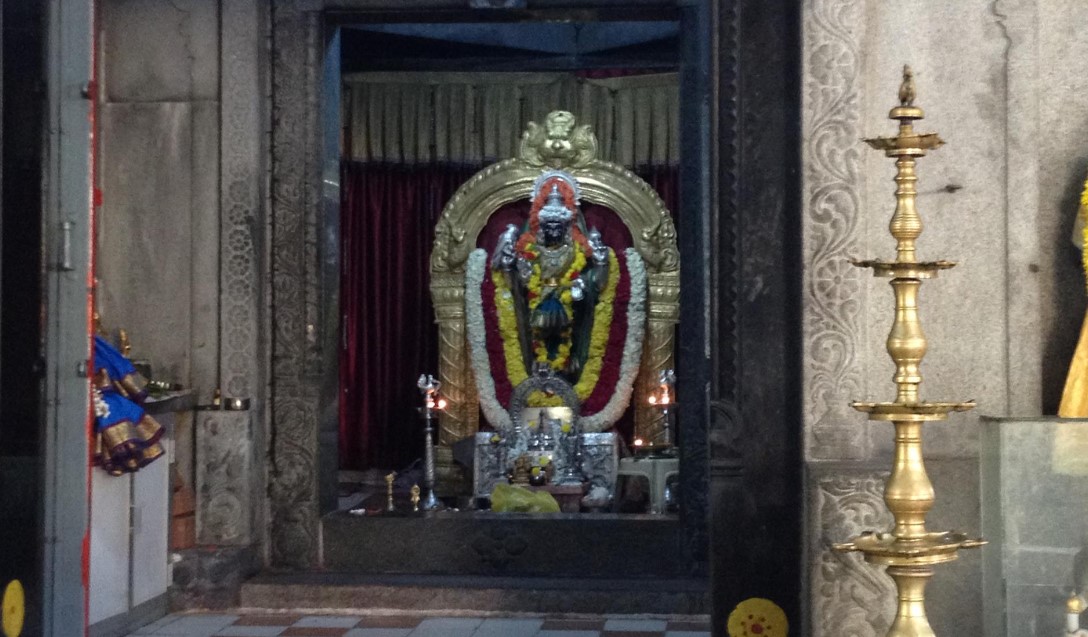
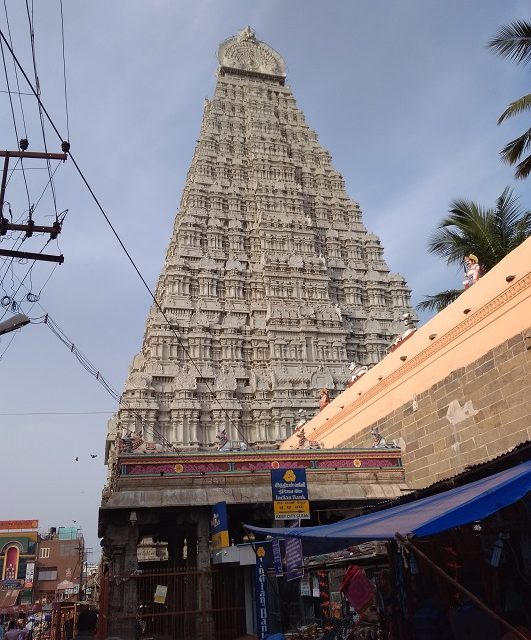
The temple gopuram itlself is majestic. This is Sri Champakadhama Swamy temple. Lord Vishnu is worshipped as Sri Champakadhama Swamy here. The lord is called Sri Champakadhama Swamy because it is a tradition here to offer Champak flower (Sapinge flower) to lord. There is also idol of ma Lakshmi inside the temple.
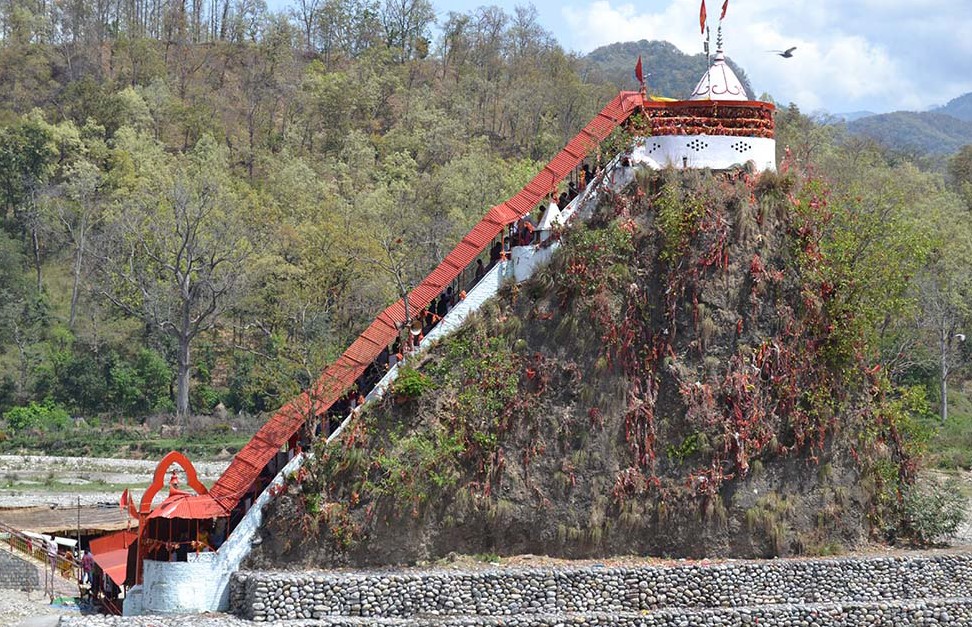
As soon as you come out of temple, from backside of the temple, there are steps which goes to top of the hill. There are around 200 steps and not very steep. Easy to climb. These steps lead to Sri Lakshmi Narashma temple at the top of the hill.

The view from top is amazing as well. It is also said that around 2 kms from here is Suvarnamukhi pond (kalyani) and water here has medicinal properties. But we could not go there. We will plan for it next time.

sri champakadhama swamy devalaya timings / bannerghatta temple timings
Then temple timings are 6 to 12.00 and then 4 to 7.00 PM so plan accordingly.
The zoo opens at 9.00 AM and hence you can plan to reach this place by 8.00 AM.
Spend an hour or so at the bannerghatta temple and then you can visit zoo as well.
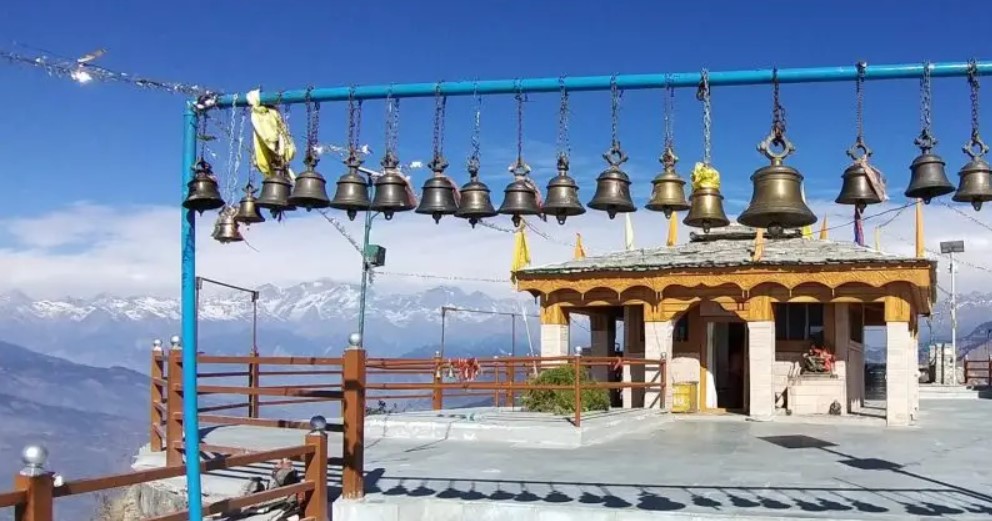
Some views from top of hill:


This is such a beautiful temple, just before the zoo and we tend to miss it.
Please do visit this temple once and you will want to visit it again and again. It is such a divine feeling here!
So do share you experience. Have a blessed visit!
Sanjeev@mytempletrips!
You may also like : Five famous temples of Bangalore
Dirgheswari Temple is one of the most important temples of Guwahati, Assam, located on the northern bank of the Brahmaputra River.

Who built Dirgheswari Temple Guwahati?
Dirgheswari temple, built by Ahom monarch Swargadeo Siva Singha, is a Shakti Peetha for Shakti worship.
Along with the temple, there were many antique images carved on rocks.

The main draw of Dirgheswari temple is the yearly Durga Puja celebrations, which attract worshippers from all over the world.
Dirgheswari Temple Guwahati legend
Dirgheswari has been a popular destination of worship for Assamese Shakti devotees from ancient times.
It is stated that after Lord Shiva's first wife, Sati, died, he carried her dead body around the world in his grief.
So, Lord Vishnu and the other Gods resolved to dispose of Sati's body, which had become a source of grief for Mahadeva.
Lord Vishnu directed his disc, Sudarshan Chakra, to cut Sati's body into numerous pieces.
The Sudarshan Chakra did as it was told, and fragments of Sati's body were distributed over the world.
As per the local tradition, Goddess Sati's thigh fell here. Inside the temple, there is a cave which houses that body-part as a piece of rock

People have considered the location sacred since that time.
The second legend tells another intriguing story. Goddess Durga arrived here riding a tiger before Sage Markandeya, according to legend.
It's worth noting that, while Goddess Durga is usually shown riding a lion (particularly in the eastern parts of India), Her Vahana is a tiger in this myth.
Where is the temple located?
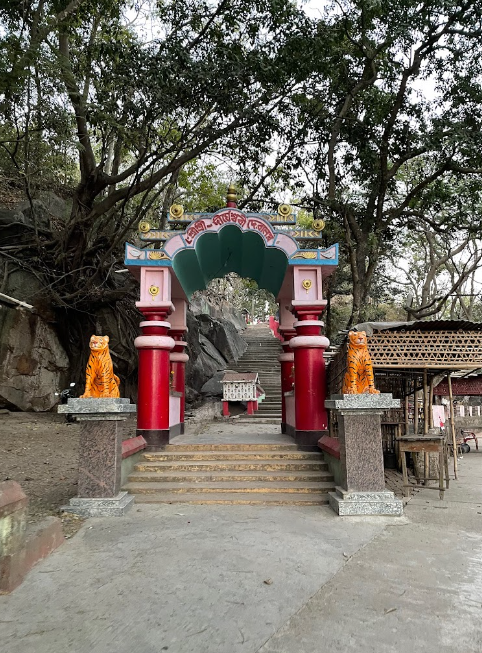
Dirgheshwari temple is located on a tiny hill named Sitachal in north Guwahati. It is located on the north bank of the Bramhaputra River.
So this shrine, located on the north bank of the Brahmaputra and connected by a motorable road, is regarded as one of the state's greatest Devi Tirthas.
It is isolated and located at the foot of a range of hills. It contains various rock-cut pictures dating from the 11th to 12th centuries A.D.
This is one of the few temples where buffalo sacrifices are performed every year during Durga Puja. Natuancha Hill is located to the north of North Guwahati. Lord Shiva, Goddess Parvoti, and other gods lived here. This was an alternative to Kailash Dham, the Lord Shiva's residence.
History of Dirgheshwari temple
There was most likely an earlier temple here upon which the current temple was built by Ahom monarch Swargadeo Shiv Singha, who reigned between 1714 and 1744 AD.
Tarun Duwarah Barphukan, the Viceroy of the Ahom kingdom's Guwahati and Lower Assam area, oversaw the temple's construction.
Later, Ahom ruler Swargadeo Rajeswar Singha bestowed upon the temple land, money, and many other gifts, including a silver head-gear (called "Japi" in local language) that is still used to cover the Durga statue in the temple.
You may also like: Garjiya Devi Temple – Ramnagar – Nanital – Shakti peeth
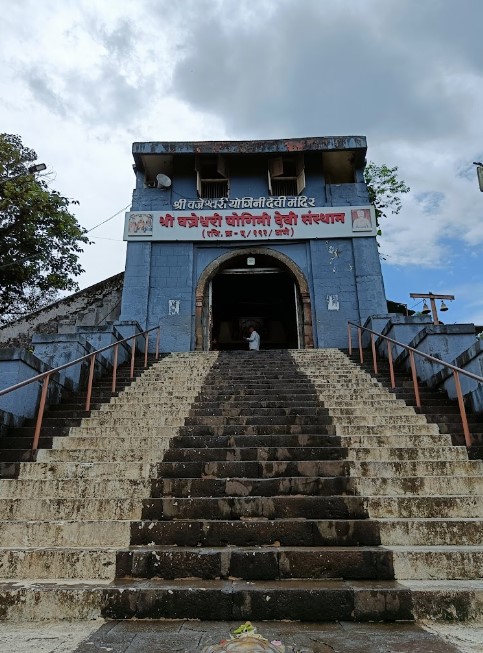
The Vajreshwari Temple is situated in Bhiwandi City, in the Thane district, some 75 km from Mumbai, on the banks of the Thansa River.
The town, which was formerly called Vadvali, was renamed Vajreshwari in honour of the temple's presiding god.

The Puranas (Hindu scriptures) cite Rama and Parshurama as visiting the region of Vadvali as Avatars (incarnations) of Vishnu (the Hindu god of preservation).
According to mythology, Parshurama had performed a yajna in Vadvali, and its leftovers are the volcanic ash hills in the region.
Vajreshwari, often referred to as Vajrábái and Vajrayogini, is said to be the earthly manifestation of the goddess Parvati or Aadi-Maya.
The literal translation of her name is "the lady of the Vajra (thunderbolt)".
Legend of Vajreshwari Temple Bhiwandi city
There are two legends about the goddess' origins. Both the legend is associated with the Vajra.
Legend 1 :
A Rakshasa (demon) by the name of Kalikala or Kalikut tormented the rishis (sages) and people in the Vadvali region 1000 years ago and engaged in battle with the devas (gods). In order to appease the Goddess, the gods and sages under Vashishta's leadership performed the Trichandi yagna, or fire offering.
Indra, the ruler of the gods, was not given an aahuti, or ghee offering at a yajna. Indra became furious and threw his Vajra—one of the strongest weapons in Hindu mythology—at the yajna.

The gods and sages begged the Goddess to help them because they were scared. In addition to swallowing the Vajra and bringing Indra low, the Goddess manifested at the scene in all her splendour and slew the demons.
Rama asked the Goddess to remain in the Vadvali region and take the name Vajreshwari. As a result, the Vajreshwari temple was built here.
Legend 2:
According to another myth, Indra and other devas went to the goddess Parvati and begged her for assistance in defeating the demon Kalikala.
Goddess Parvati gave them the assurance that she would help them when they needed it and gave the order to battle the demon.
Kalikala swallowed or broke every weapon that was thrown at him throughout the conflict. Last but not least, Indra flung the Vajra at the demon, which Kalikala shattered into pieces and from which the Goddess emerged and slew the demon.
Devas praised her as Vajreshwari and constructed her shrine in her honour.
In 1739, Peshwa Baji Rao I's younger brother and military leader, Chimaji Appa, established a camp in the Vadvali district on his route to seize the Portuguese-held Bassein Fort of Vasai.
Chimaji Appa appealed to the Goddess Vajreshwari that if he could conquer the fort and vanquish the Portuguese, he would erect a temple to the goddess.
That night, Goddess Vajreshwari appeared in the Chimaji Appa's dreams and told him he could conquer the fort. The fort collapsed as a result of the Goddess's words, and the Portuguese were defeated in Vasai.

To commemorate his victory and to satisfy his vow made in front of Goddess Shri Vajreshwari, Chimnaji appa directed that the Vajreshwari temple be built by the new Subhedar (governor), Shankar Keshav Phadke.
The saffron idol of Goddess Vajreshwari holds a sword in her right hand and a mace in her left. To the left of goddess Vajreshwari are the idols of goddess Renuka (Parshurama's mother) holding a sword and a lotus, goddess Saptashrungi Mahalakshmi of Vani, and a tiger, goddess Vajreshwari's vahana or steed.
On her right are the murtis of goddess Kalika (the village goddess) holding a lotus and a kamandalam (water pitcher) and Parshurama wielding an axe.
The goddesses wear silver jewels and crowns, stand on silver lotuses, and are shaded by silver umbrellas.
You may also like: Amba Devi Temple, Amaravati, Maharashtra
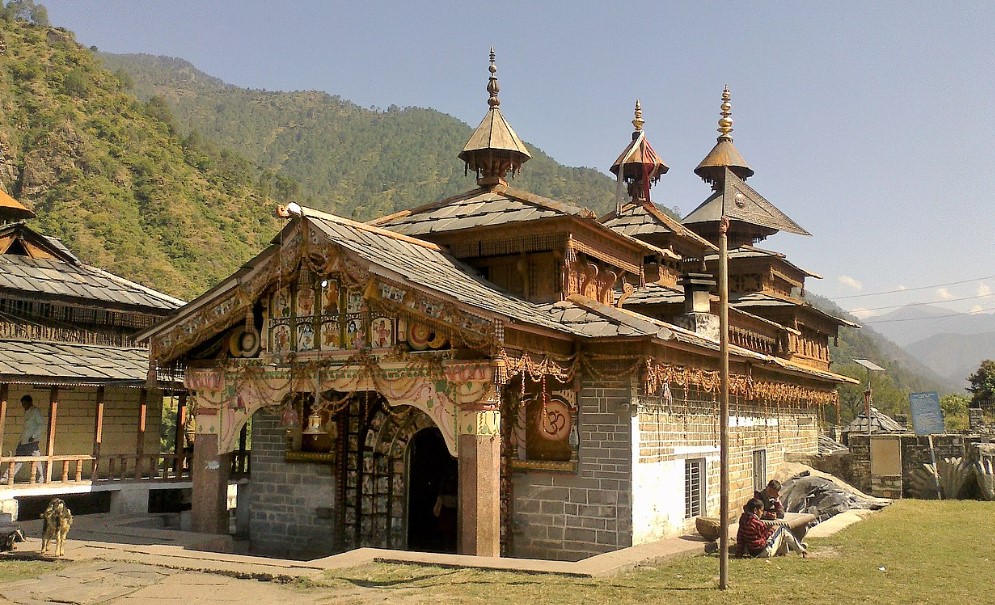
In the state of Uttarakhand, the Mahasu Devta Temple is located in Hanol village.
This place is close to Chakrata, and is on the eastern bank of the Tonnes River (Tamas), 190 kilometres from Dehradun and 156 kilometres from Mussoorie.
It is said that in the deitydom, Mahasu Devta rules supreme over the countless native gods and goddesses in addition to serving as the solitary judge for mankind.
He wields his power on both secular issues and the religious dispensation of people.
People's disagreements are resolved using the special LotaPani adjudication.

A party ritually fills a metallic goblet with water for this purpose in the name of Mahasu Devta, and the disputants are then instructed to sip the water in his or her honour.
The person who made the erroneous statement experiences consequences after drinking the water.
Legend of Mahasu Devta Temple
Mahasu Devta makes an appearance as the four brothers in a quadruple form. According to mythology, the pandavas followed Krishna when he vanished at the end of the DwaparYuga.
They cross the Tonnes River. Yudhishtra was fascinated by the grandeur of the location and urged Vishwakarma to construct a temple there and spend nine days with Draupadi.
Later, the area was given the name Hanol in honour of Huna Bhatt.
Demons roamed Uttrakhand at the beginning of the Kaliyuga, eating people and destroying communities.
The most powerful demon was Kirmir, who had swallowed all seven sons of Huna Bhatt, a Brahmin with a good heart.

Demon threw a bad omen and wished to make Kirtaka the Brahmin's wife; she begged to Lord Shiva to preserve her virginity.
Kirmir was able to flee to her husband since Lord Shiva had rendered her blind.
They then prayed to Ashtbhuji Durga, also known as Hatkeshwari Devi of Hatkoti, who urged the pair to travel to the Kashmir mountains and ask Lord Shiva for assistance there.
When they did, Lord Shiva granted their prayer for the swift annihilation of all evil.
Huna Bhatt was instructed to return to his house, carry out specific rituals, and worship Devi.
Upon doing so, the shakti rose from the earth with flames surrounding her and instructed Huna Bhatt to yoke a pair of bullocks who had never been yoked before and plough a portion of his field every Sunday with a solid silver plough and a shoe made of pure gold.
The Mahasu brothers, their ministers, and the army will arrive on the seventh Sunday to free the populace from the grip of the demon.
Huna Bhatt followed through on this, but on the sixth Sunday after turning on five furrows, a deity appeared out of each one: from the first, Botha; from the second, Pavasi; from the third, Vasik; and from the fourth, Chalda. All of the brothers shared the prefix Mahasu (Char Mahasu) in their names.
Their heavenly mother Devladli Devi and their ministers emerged from the fifth furrow. From the field, countless armies appeared like mushrooms.
When Huna Bhatt followed instructions, the Mahasu brothers slaughtered the entire demon army. In a Mount Khanda ravine, Chalda Devta captured Kirmir.
Today, one can still see the sword traces on the granite.
The demon Keshi took over Hanol while the Mahasu brothers were not present.
Along with the army, Chalda Devta travelled to the Masmor Mountains, where Keshi had left, along with his troops Shitkulia, Kaolu, and others.
After the demon was vanquished, Chalda Devta triumphantly made his way back to the locations he had designated with his heroes.
In order for the brothers to administer their different territories and protect against the misfortunes of everyone who would worship them as gods and practise jagara, he split the nation among them.
But the Mahasu brothers' business effort ended in failure. Mahasu Devta initially gave Huna Bhatt their word that they would show up on the sixth Sunday.
The Mahasu brothers were harmed by Huna Bhatt's plough since they arrived a week early; he was in the field and was not aware of their premature arrival.
Botha suffered a knee injury as a result, rendering him unable to walk. The blade of grass hurt Vasik's eye, impairing his eyesight.
Pavasi had a small portion of his ear removed. Only Devladli Mata and Chalda were unharmed.
After that, Botha preferred to reside in his temple at Hanol, which is located on the right bank of the Tonnes River.
Pavasi continually moves across his dominion, spending years at Hanol, Lakhmandal, Authana, and Uttarkashi.
Being in good health, Chalda was able to exercise throughout the entire dominion in the name of Botha Mahasu for a continuous twelve years.
The four deities each have an attendant, or bir. They are Shitkulia, Kailath, Kapala, and Kaolu. Each and every bir has a female helper, or balyayini.
You may also like: Garjiya Devi Temple – Ramnagar – Nanital – Shakti peeth
Sivan temple in Chennai – List of famous Lord Shiva temples in Chennai
Sant Kamali Hanuman Mandir is an old Hanuman Temple located in the Hanuman Ganj neighbourhood of Bhopal, Madhya Pradesh.
Sant Kamali, was a devotee of Lord Hanuman and estabished this temple.
During his lifetime, Sant Kamali is claimed to have accomplished countless miracles.
The temple was constructed in the nineteenth century.
Legend of Sant Kamali Hanuman Mandir
According to legend, Sant Kamali used to blow conch in the early morning hours as part of his devotion to Lord Hanuman beneath a peepal tree in the shrine's current site.
Begum Khurishia, the then-ruler of Bhopal, was offended.
She told the Sant not to blow the conch in the early morning hours. Sant, on the other hand, did not stop blowing the conch.
Begum Khurishia sentenced the Sant to death. When the soldiers arrived at the peepal tree, they discovered the Sant had died.
The conch sound was heard again the next morning. Begum Khurishia ordered his soldiers to behead the Sant and cut off his hands and legs this time.
When the soldiers arrived to the peepal tree, they discovered Sant decapitated, with his legs and hands severed.
The conch sound was heard again the next morning. Begum Khurishia went to examine the mystery herself. She heard the conch sound but did not see Sant Kamali.
She realised the Sant's greatness. Soon after, the Sant appeared and told her that he would continue to do his pujas and ceremonies.
The queen, impressed by his piety, granted him land on which to construct a Hanuman mandir.
So during the reign of Begum Khurishia ,Sant Kamali was donated eight acres of land for construction of the temple.
It all started when the Begum misplaced her beloved necklace, and despite extensive searching throughout the Mahal, there was no evidence of it whatsoever. She approached Sant Kamali Maharaj on the spur of the moment to help her trace her jewellery.
When she went to him for the same, Sant told her, without saying anything, why she had gone to the trouble of coming up here when she should have recovered the necklace wrapped in a red cloth in her under bed.
Begum was perplexed as to how the Sant could know why she had approached him. She directed her trusted commandant to review and double-check the bedroom.
The commandant returned with the jewellery wrapped in red linen, telling Begum that he discovered it under the bed, buried between blankets.
Impressed, Begum Khurishia gave eight acres of land and requested that her army assist in the construction of the temple as requested by Sant Kamali Maharaj.
This entire area became known as Hanumanganj because of Sant Kamali and the temple he constructed for Lord Hanuman. T
his kshethra is so sacred that it makes one feel blessed to have visited the location where Sant conducted pooja and nama sankeerthan to Lord Hanuman.
The temple was established on the site where Sant Kamali Maharaj worshipped Lord Hanuman.
The temple faces south, and there are currently three-ardh shila adorning the temple, all of which face south.
The temple is a sight to behold, with three ardh shilas, one of which is around nine feet tall, another approximately three feet tall, and the third approximately two feet tall.
In the temple complex, there is a statue of Sant Kamali. The conch he blew can be seen in the shrine.
You will also like: Hanuman jayanti wishes in hindi
Friends, In the Garjiya village next to Ramnagar on NH 121 in the Nainital district of Uttarakhand, there is a temple called Garjiya Devi.
Where is Garjiya Devi temple located?
It is 75 kilometres from Nainital and 13 km from Rmanagar. It is located on the Corbett National Park's periphery. A shakti shrine is there.
The ruling deity is Garjiya Devi. It is perched atop a sizable rock in the Kosi River. One of the well-known temples in the Nainital area.

Legends of Shri Garjiya Devi temple
According to legend, Garjiya Devi is the manifestation of Goddess Parvati, the Giriraj, daughter of the King of the Himalayas.
According to the legends and beliefs of the residents of Ramnagar, the history of Garjiya devi mandir is mostly associated with the ancient rural region of Dhikuli, which is close to Ramnagar.
Another legend holds that Bhairav Dev, a follower of Lord Shiva, asked Garjiya, his sister, to marry Kosi and live on the river itself in order to calm the river's wrath.
His sister Garjiya married Kosi and began living in the rock in the Kosi river.
Being a manifestation of Goddess Parvati, Garjiya bestowed her heavenly blessings on the entire area, and it is said that once Garjiya Devi lived on the rock, the Kosi River never flooded again.
The temple hosts a sizable fair on the day of Kartik Poornima.
Numerous thousands of followers attend. On the fifteenth lunar day of the Kartik month, which falls between November and December, this holy day is celebrated.
Guru Nanak Jayanti also falls on the same day as Kartik Purnima.
The Garjiya Devi temple, one of the area's most revered Shakti peetha, has a long history of association with old royal houses like the Katyuri and Kuru.
The history of the Garjiya Devi temple is rich with legends.
The Temple visit is open for tourists all round the year except for the monsoon season. During mansoon the water level in Kosi river rises and hence authorities restirct the visit to the temple during that time.
Because she is the daughter of the Mountains, Himavan, Goddess Parvati is also known as Girija. The serene and tranquil Maa Paarvati avatar of Shakti resides in the Garjiya devi temple in Uttarakhand.
Visiting this place to get blessings from Lord Shiva and Mata Parvati.
You may also like: Katarmal Sun Temple, Almora, Uttarakhand.
Freinds let me take you to Shri Amba Devi Temple, situated in Amaravati, in the state of Maharashtra.
The temple is dedicated to the district's principal deity, "Goddess Amba," another avatar of Goddess Durga.
The district of Amravati is thought to have been named after the presiding deity, and translates as "The Eternal City" or "The City of The Immortals."
Visitors to this temple come from all walks of life and many regions of India.
The Shri Ambadevi temple is the oldest and holiest shrine in the entire Amravati district.
The temple complex, which is located in the centre of Amravati, features ancient scriptures that are etched on the walls.

Festivals celebrated at shri Amba Devi Temple, Amaravati
The Navratri celebration, when the entire temple is exquisitely decked, is one of the temple's main draws.
During this time, residents of the festival and even those from nearby cities come to see the Goddess.
On the grounds of the Ambadevi temple, a sizable mela (fair) is held during Navratris, and devotees take part in it wholeheartedly.
A remedy to the pilgrims' lodging issue is offered by the surrounding hotels.
Legend of Shri Amaravati Amba Devi tempe
The Amaravati Amba Devi temple is connected to a very intriguing mythology.
According to legend, Rukmini, the daughter of king Bhishma, fell in love with Lord Krishna after hearing about his valour.
However, her brother Rukmiya arranged for her to wed King Shishupal of Chedi, a friend of his.

When Rukmini went to the Ambadevi shrine the day before she was to marry Shishupal, legend has it that she was abducted by the Lord Krishna.
About Amba Devi Amaravati Temple complex
The Ambadevi temple complex is enclosed by tall walls, and upon entering the grounds, one is greeted by a vast, open hall.
Several corridors on the left side lead to the courtyard. Huge main gates that resemble fort gates are there.
A small room known as the "Nagarkhana" or the drum room is located above the gate.
The Puranas are depicted in great detail on the temple walls.
Three massive arch-shaped rooms that make up the main "Garbagriha" or "Gabharas" include sandstone statues of the goddesses Ambabai, Ganapati, Mahadev, Vishnu, and Parvati.
Goddess Amba, Lakshmi, and Narayan all live in the middle room. For a full year, two silver lamps are seen illuminating the deities.
Various Gods and Goddesses are represented by idols and engravings on the temple complex's western wall.
These idols' exact age is unknown. They are so meticulously carved that they almost appear to have been machine cut.
The process used to create the deity decorations and plaster work in temples is still a mystery.
The temple compound is surrounded by a neighbourhood market.
Visitors can take pleasure in purchasing local trinkets like Rangoli powder, toys, brass souvenirs, and pooja supplies for their homes.
Here, the Navratri or Navratra festival is observed with splendour. The temple is accessible to the public every day for those nine days.
Many talented artists from the area perform a variety of cultural and religious programmes.
The social and cultural programmes are enjoyed with the appropriate seating arrangements.
At certain times of the day, even "bhog" (a sacred meal available to the general people after being presented to God) is free.
Flower arrangements and coloured papers are used to beautify the entire area.
How to reach shri Amba devu temple Amaravati?
The Ambadevi Temple is conveniently situated in Amravati's Gandhi Square.
From Amravati Railway Station and Amravati Bus Stand, it is approximately 1 km and 1.5 km to the west, respectively.
It is simple to get here via local buses, taxis, and cars.
The district's adjacent Badnera Railway Station offers taxi service as well. Direct state buses are accessible from Nagpur to the temple, which is around 155 km away.
You may also like: Jyotiba Temple Wadi Ratnagiri – Maharashtra
Jyotiba Temple Wadi is a prominent temple near Wadi Ratnagiri, Maharashtra.
The idol of the temple is known by the same name Jyotiba and is held by the locals to be an embodiment of three gods: Brahma, Vishnu, Mahesha, and Jamadagni.
An annual fair takes place on the full moon night of the Hindu calendar of Chaitra and Vaisakha months.

Where is Jyotiba Temple Wadi located?
Jyotiba temple is located towards the north of Kolhapur.
The temple is a famous Hindu religious destination in the Panhala range of Maharashtra.
It is believed that the Jyotiba is created from the souls of three Hindu trinity Gods, Brahma, Vishnu, and Shiva.
The temple is surrounded by green Panhala range mountains.
Jyotiba Temple is 17 km north-west of Kolhapur.
Who built Jyotiba Temple
It is said that the original Kedareshwar temple was built by Navji Saya.
Ranoji Scindia, also known as Ranoji Rao Scindia, built the current temple in its place in 1730.
This shrine measures 57 feet by 37 feet by 77 feet tall, including the summit. Kedareshwar's second temple is 49 feet tall, 22 feet wide, and 89 feet wide.
This temple was built in 1808 by Daulatrao Sindhia.
The third is Ramling temple, which was built in 1780 by Malji Nilam Panhalkar and is 13 ft × 13 ft x 40 ft high including its dome.
Jyotiba Temple History & Legend
After overcoming Kolhasur, a demon, and other devils, the goddess of health, wealth, and prosperity, Mahalaxmi (Ambabai), chose Kolhapur (Karveer) as her new home.
She appointed four guards on each of Kolhapur's four sides to ensure the whole defence of her realm.
The most significant of these four guards is Jyotiba, whom Mahalaxmi chose on the northern side.
Jyotiba is also known as Kedareshwar.
According to Hindu mythology, Jyotiba helped Mata Mahalaxmi in her battle against the demons.
According to legend, the three gods adopted the form of Jyotiba (Dattatreya) to defeat the demon Ratnasur.
On this peak, he established his dominion. He follows the Nath path. On Chaitra Shukla, he was born in the hands of Vimalmbuja, the wife of the sage Pougand.
How to reach jyotiba temple?
- How to reach jyotiba temple wadi kolhapur from kolhapur? The temple is around 45 mins drive from Kolhapur and is easy to reach. There are ample public transport availabe from Kolhapur.
- How to reach jyotiba temple wadi kolhapur from Mumnai ? Lot of people vsit shri Jyotiba devasthan from Mumbai. There are buses directly from Mumbai to Shri Jyotiba devasthan and also alternatively you can come to Kolhapur and then reach the tempe.
- Kolhapur is quite well connected with all part of Maharasthra and other parts of country.
You may also like: Shri Durga Devi temple Guhagar – Ratnagiri – Maharashtra
Pratyangira devi temple in Hyderabad – Sri Prathyangira Parameshwari Mandiram
Biggest sai baba temple in Hyderabad – Saibaba Temple, Dilsukhnagar
Sri Pratyangira Temple, located in Hosur, Tamil Nadu, India, is one of the prominent temples dedicated to the goddess Pratyangira Devi ( also known as Maa Pratyangira Kalika Alayam ).
Sri Pratyangira Devi Temple temple is also known by several other names such as Narasimha Kshetram, Shoolini Temple, and Chakra Narasimha Temple.
The temple is considered to be one of the powerful shrines for the worship of the goddess and is visited by a large number of devotees from various parts of the country.

The origin of the temple dates back to the ancient period, and according to the legends, the temple was built by the great sage Durvasa. It is believed that the sage had invoked the goddess Pratyangira Devi to control his anger and to achieve peace of mind.
The temple is also associated with several other legends, and it is said that the goddess has the power to grant boons and remove obstacles in the lives of her devotees.
The temple complex is spread over a large area, and it comprises several structures, including the main temple, the gopuram, and the dhwaja stambha. The main temple is a magnificent structure with beautiful carvings and sculptures.
The gopuram, which is the main entrance to the temple, is adorned with intricate designs and paintings. The dhwaja stambha, which is the flagpole, is an important landmark of the temple and is considered to be the symbol of victory.
The deity of the temple is represented by a stone idol of the goddess Pratyangira Devi, and the idol is adorned with a variety of precious stones and jewelry.
The idol is placed in the sanctum sanctorum of the temple, and devotees offer puja and perform various rituals to appease the goddess. The temple is also known for its unique architectural style, and it is said that the temple was built in accordance with the ancient Hindu texts on temple architecture.

In addition to the religious importance, the temple also has historical significance, and it is considered to be one of the oldest temples in the region. The temple is also a popular tourist destination, and it attracts a large number of visitors who come to witness the beauty and grandeur of the temple.
Sri Pratyamgira temple hosur address
Address: PVGC+R22, Hosur - Krishnagiri Rd, Sipcot Phase II Industrial Complex, Baskardas Nagar, Moranapalli, Tamil Nadu 635109
Google maps link: https://goo.gl/maps/7oB8qqWW8MZEcsVc8
Hosur pratyangira devi temple timings
| Monday | 6:30 am–1:30 pm, 3–8 pm |
| Tuesday | 6:30 am–1:30 pm, 3–8 pm |
| Wednesday | 6:30 am–1:30 pm, 3–8 pm |
| Thursday | 6:30 am–1:30 pm, 3–8 pm |
| Friday | 6:30 am–1:30 pm, 3–8 pm |
| Saturday | 6:30 am–1:30 pm, 3–8 pm |
| Sunday | 6:30 am–1:30 pm, 3–8 pm |
Sri Pratyangira Temple in Hosur is a magnificent temple dedicated to the goddess Pratyangira Devi. The temple is considered to be one of the powerful shrines for the worship of the goddess, and it attracts a large number of devotees and visitors from various parts of the country. The temple is a symbol of faith, devotion, and spirituality, and it is a place where one can seek peace and solace.
You will also like: Sri Prasanna Thimmarayaswamy Temple Gudichetlu – Near Bangalore & Hosur – Must visit!
The Chandi Devi Temple in Haridwar is a dedicated to Goddess Chandi Devi. The temple is located in the holy city of Haridwar in the state of Uttarakhand.
The temple is located atop the Neel Parvat on the eastern summit of the Sivalik Hills, the Himalayas' southernmost mountain series.
During his time as King of Kashmir, Suchat Singh established the Chandi Devi Temple in 1929.

The main murti of Chandi Devi in the temple, on the other hand, is supposed to have been installed in the 8th century by Adi Shankaracharya, one of Hindu religion's greatest priests.
Chandi Devi Temple Haridwar - Neel Parvat Teerth
The temple, also known as Neel Parvat Teerth, is one of Haridwar's Panch Tirth (Five Pilgrimages).
Devotees regard the Devi Temple as a Siddh Peetha, or a site of worship where desires are fulfilled.
It is one of three such Peethas in Haridwar, along with Mansa Devi Temple and Maya Devi Temple.
Chandi Devi Temple presiding deity
Goddess Chandi also known as Chandika is the presiding deity of the temple.

Chandi Devi Temple Haridwar Story
As per legends long long ago, the demon rulers Shumbha and Nishumbha conquered the kingdom of Indra, the god-king of heaven, and exiled the gods from Swarga (heaven).
After intensive petitions from the gods, Parvati took the shape of Chandi.
Shumbha despatched his demon leaders Chanda and Munda to kill her.
They were murdered by the goddess Chamunda, who arose from Chandika's rage.
Shumbha and Nishumbha then attempted to assassinate Chandika but were defeated by the goddess.
Following that, Chandika is claimed to have rested for a brief time at the peak of Neel Parvat, where a shrine was eventually built to commemorate the legend.
In addition, the mountain range's two peaks are known as Shumbha and Nishumbha.
How to reach chandi devi temple?
Google Maps link: https://goo.gl/maps/BoKAcFV34JhtXT638
Address: W5MJ+G63, Haridwar, Uttarakhand 249408
Open timings: 5.00 AM to 7.00 PM everyday
Chandi Devi Temple Ropeway
A ropeway ride is a practical way to reach the summit of the Temple.

It crosses the mountains for around 4-5 kilometres and brings you through a gorgeous journey where you may experience the splendour of this region firsthand.
A journey through the Chandi Devi Udankhatola costs roughly INR 84 per person.
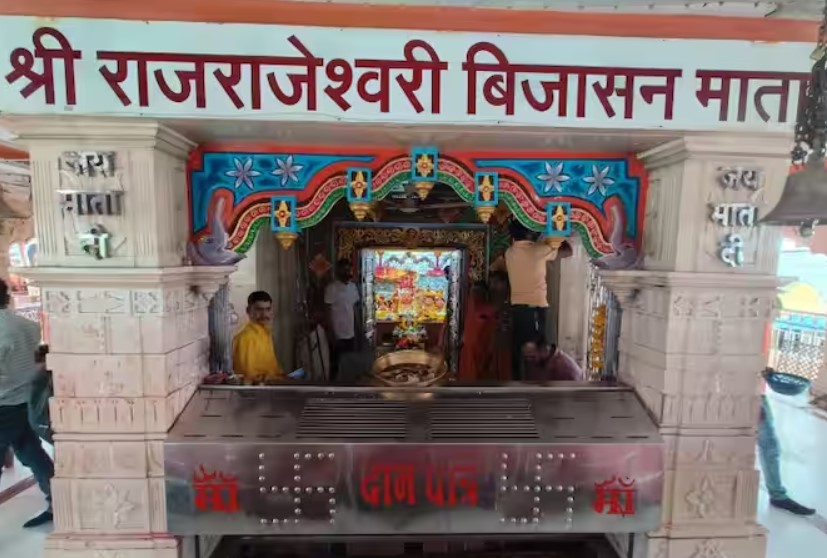
Bijasan temple Indore is a Hindu Goddess Durga temple located in the Indore District of Madhya Pradesh.
A hillock (tekri) has a small temple of Bijasen Mata. Mela is held here during Navaratri. This hill offers panoramic views of the sunset and of the city at night.
The Holkars' guest home, perched on top of the hill, has been turned into a Border Security Force Arms Museum.
The surrounding land is being transformed into gardens, complete with a small lake. Ma Bijasan is a Hindu Gadariya (Kukroliya parivar) Kuldevi.

Festivals celebarted at the Bijasan temple Indore
Every year during Navratri, a mela is held. at Bijasan temple Indore. The Goddess is thought to be extremely strong and capable of performing instant miracles.
The blind are said to be able to restore their sight through the mother's grace.
People with various types of requests come to the Goddess and have their wants granted because to their tremendous confidence in the Goddess's powers.

This temple on a hill commands a stunning view of the surrounding area.
Shivaji Rao Holkar constructed this temple in 1760. Thousands of devotees visit this temple during Navaratri.
His unwavering devotion to the Goddess appeased her, and she appeared before him.
Bijasan temple Indore story
Beejasan Mata (Mother Goddess Durga) is seated on the demon Rakta Beeja in this idol.
The tremendous accomplishments of Goddess Durga, now known as Shri Durga Shaptasati, are recounted in Markendeya Puran.

In the eighth chapter of Shri Durga Shaptasati, we learn about Durga's Chivalrous form when she fought the demon Rakta Beeja.
This demon was endowed with an incredible boon.
Every drop of his blood that fell from his body on Earth would transform into a Rakta Beeja of equal power and prowess.
As a result, there were millions of Rakta Beeja demons. Finally, the Goddess chose not to let the devils' blood fall on Earth.
As a result, she either burned the wounds or gathered the falling blood in a dish and consumed it. The deity took on as many guises as the demon Rakta Beeja. Thus, the Goddess subdued and killed the demon Rakta Beeja, earning her the moniker Beejasan.
You may also like: SundarNarayan Temple Panchavati at Nashik in Maharashtra
Jatayu Teertham & Jada Teertham – A must visit in Rameshwaram
Temple of Shri Shyam Kaka Rajgarh is a Hindu temple dedicated to Krishna (also known as Shyam). It was built in 1845 A.D. at Shaka Jagir village, Rajgarh district, Madhya Pradesh. It is located near Narsinghgarh, around 100 kilometres from Bhopal.
Though it is a temple of God Krishna, there is a panel in the temple depicting six Muslim men dressed in long robes and traditional headgear. According to author Shalini Rai Narayan, it is the one of the exceptional places, where religious beliefs and antagonistic holy men stood in solidarity.
Popularity of Shri Shyam Kaka
People go to shri Shyam Kaka Temple Rajgarh, to solve their domestic Issues, fulfill Wishes and for prosperity.
Krishna Jayanti is celebrated every year and is one of the most prominent festivals celebrated there.
The temple has been declared a protected site by the Archaeological Survey of India
Legend of shri Shyam Kaka Temple Rajgarh
According to folklore, local ruler Shyam Dev Khinchi's wife Bhagali Devi fled the palace after falling out with him and sought refuge with Amara Singh Gurjar, a local chieftain.
When Shyam dev was killed in a battle, the queen directed the construction of the Lord Krishna temple in his honour, and Amara Singh Gurjar was selected as the shrine's chief priest.
Since then, the Gurjars have claimed to be the temple priests.
How to reach the temple?
Google Maps link: https://goo.gl/maps/UWTppjRgJSyUXy5T6
The Devi Jagadambi Temple Khajuraho is dedicated to Devi Jagadambi and is located in Khajuraho, Madhya Pradesh.
The temple, along with the other temples at Khajuraho, was designated a World Heritage Site due to its remarkable architecture, art, and historical significance.
The temples of Khajuraho were built during the 10th and 12th century by the emperors of the Chandela dynasty.

The Devi Jagadambika temple, located in a group to the north, is one of Khajuraho's most ornately decorated temples.
It is named after Jagadambika, a Hindu goddess associated with devi. The body of the temple is encircled by three bands of sculptures.
The sanctum contains a massive picture of the Goddess (Ma Parvati).
About Devi Jagadambi Temple Khajuraho
This temple is fundamentally similar to the Chitragupta Temple in terms of architecture, proportions, and decorative scheme, and the two temples are thus fairly near in both time and space.
It has a sanctum without an ambulatory, a vestibule, a'maha-mandapa' with lateral transepts, and an entrance porch.
The garbha griha today contains a massive figure of the Goddess (Ma Parvati) of the Universe (hence called as Ma Jagdamba).

It is surrounded by three bands of sculptures, the third and highest of which features some of the most sensual sculptures in Khajuraho.
This temple is significantly smaller than the famous Kandariya Mahadev Temple.
It has a cross plan, one pair of balconies, one mandap, and no inner pradakshina patha.
The Devi Jagdambi Temple, on the other hand, features some of the most beautiful sculptures in Khajuraho, and because of its medium height, most of them are plainly visible.
There are exquisite representations of the dlihpolas in their proper placements, particularly the magnificent Yama and Nirriti on the south and southwest sides.
Endearing representations of Vishnu, Shiva, and Brahma embracing their consorts are found in the small recesses on the south, west, and north sides.
Varaha, represented with a human body and a boar head, emerges from the primordial seas with the earth goddess Bhudevi on his arm in the south side lower niche.
Distance (From Khajuraho Bus Stand): 1 Kms
Devi Jagadambi Temple Khajuraho timinhs
Temple open Timings: 6 AM - 5 PM
Devi Jagadambi Temple Entry fee
Complex Entry Fee: Rs. 30 for Indians, Rs. 500 for Foreigners
Audumbar Datta Temple is in a small Village near Sangli in Kolhapur district Maharashtra. The place is alson known as Shri Datta Kshetra.
Audumbar Datta Mandir
Audumbar Datta Temple ot the Audumbar kshetra is famous for the shrine of Lord Dattatreya, which is located on the banks of the Krishna river.
It is supposed to have been constructed in commemoration of Narasimha Saraswati Swamy, a famous saint and the second incarnation of Dattatreya.
His magnificence is lauded in Gangadhar Saraswathi's Shree Guru Charitra.

All Lord Dattatreya devotees regard Shree Datta Kshetra Audumber with the same reverence as other Lord Dattatreya sites such as Ganagapur and Narsoba Wadi.
The temple has been built on the riverbank. It was created on the behest of their teacher by the disciples of Sahajanand Maharaj, a follower of Brahmanand Swami.
The divine abilities of the deity are said to be so powerful that if those possessed by spirits are maintained in the premises for a few days, they are entirely cured.
The shrine of Bhuvanesvari is located on the opposite bank. The idol is made of black flint stone and is exquisitely carved.
Audumbar Tree
Audumbar is where Swamy left his padukas.
The term comes from the fact that this area is overgrown with audumbar trees.
This is a glorious location where individuals are endowed with knowledge and are set free from their difficulties.
This area has become overgrown with audumbar trees.
Maa Bhuvaneswari devi Temple is situated on the other bank of Krishna river where a poor Brahmin boy was blessed.
Audumbar Datta Temple Story
So What is the history of Audumbar Datta Temple?
The story is told in Shree Gurucharitra's adhyaya 17. Narasimha was born in 1304 to an impoverished Brahmin couple, Madhava and Amba.
Even after his thread ceremony, he was unable to recite any of his teachings and was subjected to a barrage of insults from his elders and professors.

So he left his home and travelled to Audumbar on the Krishna's bank, where he prayed to Maa Bhuvaneswari for three days and nights without eating.
But the goddess was unmoved by his sever penance, which included cutting off his tongue and placing it at her feet.
The goddess felt sorry for him and instructed him to travel to Audumbar and worship to Narasimha Saraswathy swamy.
Taking the command, the boy walked to Sri Guru and fell at his feet. He gained the Swamy's blessings and went on to become a scholar.
According to a vision given to Sage Bramhanand of Girnar by Lord Dattatreya, he located and named this celestial holy location Audumber, where Datta Avatar Narasimha Saraswati conducted Chaturmas Anushtan (four holy months).
After the identity of Narasimha Saraswathi was revealed, thousands of devotees began to converge to the location for darshan. When the sage was about to leave at the end of Chaturmasa, the people asked him to stay.
The outer mandap has been renovated recently. The shrine is situated at a nice spot on the banks of the river Krishna.
Devotees can have Nijaroopa darshan of swamy padukas in the mandir in morning hours.
Rudrabhisheka is performed to padukas at about 7 to 8 a.m. and the padukas will be covered with alankara after abhisheka.
How to reach Audumbar Datta Temple Sangli Maharashtra
By Rail
- The nearest railway stations to Audumbar are Kirloskarvadi and Bhilawadi. Palus taluka also provides rickshaws and vehicles for rent.
- Sangli railway station is 26 km from Audumbar. From Sangli railway station to Audumbar, auto rickshaws and private cars are accessible.
By Bus
- Audumbar is only 12 kilometres away from Palus Bus Station.
- Buses to Audumbar are available from Sangli Bus Station, which is 25 kilometres away.
By Road
- Around 350 Kms from Mumbai and will take around 7 hrs
- Around 50 Kms from Kolhapur and will take around an hour
Shri Durga Devi temple, Guhagar is very old temple in Guhagar, a taluka in the Ratnagiri district of Maharashtra, India.
Many Chitpavan families in the Konkan region see it as the Kuladevata or clan goddess.
It is located in Guhagar Gaon's Warla Pat (Upper Side).

The temple is old and rich of flora. It is considered the oldest temple and has recently been refurbished.
During the Navratri festival, the Temple is packed with devotees from all over India who come to make their offerings to Shree Durga Devi.
This is a lovely seaside temple to visit both in the summer and winter.
All required amenities are conveniently located nearby. Pujas can be arranged upon request.
Durga Devi temple Guhagar story
According to Hindu legend, the goddess subdued the evil spirits in one night and saved Guhagar from destruction.
A pearl from one of her ornaments was broken during her battle with the enemy.
The Goddess directed one of her worshippers to retrieve the shattered pearl from a tree near the seaside.

Even today, the mentioned pearl is in the goddess's ornamental collection, and it is occasionally displayed in the great hall.
Another myth goes that once upon a time, a person came to the temple with a rash on his body as a result of an allergy.
He was experiencing excruciating aches.
He sat in the temple grounds for three days without food or water, only repeating the goddess's name.
On the third day, the goddess appeared in the shape of an elderly lady.
She gave him some oil to apply to the rash, and after three days, the rash and discomfort had subsided.
The goddess also destroyed a demon named 'Mahishasoor,' hence the name 'Mahishasoor Mardini.
Devicha Khamb
The original temple is thought to have been along the main road before being relocated to its current site in the Middle Ages.

At the time, a pillar was erected to commemorate the original location of the old temple. The pillar is known as Devicha Khamb in the local Marathi language.
The aforementioned pillar can be seen in the accompanying shot.
You may also like: Ganpatipule Temple Ratnagiri – Most famous Lord Ganpati Temple in Ratnagiri District
There is hardly anyone who does not know about the Shri Shridi Sai Baba, and Shridi , the land of Sai.
We were fortunate to visit Shri Shridi Sai baba temple and below are some of our experiences which might help you to plan your visit in case you are planning to go.
Visiting Shri Shridi Sai Baba temple is a very blessing experience. This place is full of positive energy.
This was our visit after a gap of 10 years and hence a lot has changed. If you are also going there first time or after a long gap, this might help.
How to reach Shirdi?
If you are planning to go by your own car, then best is to follow google maps. Google (maps) are now part of our lives like roti, kapda and makan :)
For others there is Shridi railway station (station code: SNSI) and Shridi Airport (SAG). As most people travel to Shridi by train below are couple of points to know!
- Shridi station (SNSI) has few trains and hence the other good option is to travel till Kopargaon (KPG). Kopargaon is on main line and hence lot of trains cross kopargaon (Kopargaon is 15kms from Shirdi). Once you get down at Kopargoan you will find lot of auto and small taxis (shared ones) offering a ride to Shridi for rs 50 to 60 per person. Now this can be negotiated, remember this.
- Then you can also book a full auto or small taxi (mahindra ace etc). They will generally ask for Rs 700 and but if you are good at negotiation you can book it for 400 as well .. in general they end up with 400 to 500 INR. So don't just agree to what the auto guys say at kopargaon. Negotiate
- Third point, if you are booking a full auto/taxi, then agree in advance that they will take you to the hotel and in case there is a issue with hotel address, they will find you the correct hotel with out any extra charge. This is very important as many hotel names are similar there and once you reach to a hotel which is not actually what you booked, the taxi/auto guy will ask for extra money to find and take you to right hotel and some times they also do this purposefully to make money.
Your Stay at Shridi (Hotel)
Remember Shridi is a religious place and hence it is not a luxry vacation destination.
There are few luxry hotels as well there, but I am more talking about regular hotels around the temple. So here are some tips
- Best is to book hotels around Gate 2 and 3. They give you the best access to temple.
- Don't expect hotel to be great, basic amenities should be there. But being a dry place, we suggest that you book AC room(s) at-least in summer. You will really need a good night sleep if you are staying overnight right? Make sure that AC works as soon as you enter the room.
- Important point - many hotel guys ask you to deposit some advance amount before you travel and then only confirm the booking and when you reach there they again ask you to deposit full amount and would say that they will refund the excess amount once you check out. This is a bit wiered. But if you are asked to deposit room rent in advance, insist on paying only the difference amount.
- If you order something at room, they will generally ask for the payment immediately. Do ask for the bill in that case. You need to make sure that it's not added to you room rent during check out.
Your Visit to Shri Shridi Sai Baba Temple
I assume that you are planning to visit now.
Remember that exams are over and summer holidays have started.
There will be huge rush. Though it isvery hot weather, but that will not deter Sai devotees visiting Shri Sai Baba temple :) .
So plan in such a way that you have time in hand for all the activities you do. Some tips from our experience
- If you are planning to go for morning aarti at 4.30, you need to be there well before in time. Many a times people start reaching the waiting area as early as 1.00 AM and hence the queue gets long by 4.30 AM
- During normal season the regular visit to temple (from entry to exit), takes 1 to 2 hrs. During rush hours and special occasions it might take 3 hours or more. And this time does not include the time you spend in taking pass for darshan.
So let me give you the steps:
- There is a token counter near gate 1 / 2. You need to take token first ( now it is a bio-metric system to get token). Free for regular queue and Rs 200/- ( at the time of writing this post) for VIP darshan.
- Deposit your luggage at Luggage counter ( no charge). Anything you have like a bag pack, any metal item (except keys) etc needs to be deposited.
- Deposit your mobile phone at mobile phone deposit counter ( Rs 5 /- per mobile).
- Deposit your footwear at footwear deposit counter.
- Camera and Phones are not allowed inside the temple
- Then go to Entry Gate ( it is in front of coupon counter)
- Once you have had the Darshan, you come out and then you can visit a Shri Shridi Sai baba Dhuni and a small Sai baba meusum.
- There is a donnation counter where you can donate any amount you wish to under various heads like "Annadan", "Ambulance Service", "Education" etc
- You will get some prasad packets once you come out of main temple and you can buy some more in case you need to.
- You can exit from Gate 3 or 4.
- There are few other places you can visit in/around Shirdi. Most important being "Shani Signapur" and "Sai Heritage Village".
Some important points to note:
- All shops will try to sell lot of items to you including a flower garland (starting from Rs 20 to Rs 150), Chaddar for Sai Baba ( it again depends on what size and what kind of cloth you take). Some other pooja stuff and once you stop at their shop they try to do this in a hurry so that you do not ask much questions on price extra or hesitate to ask. If you do not ask properly the whole pooja package will easily cost you 1000 bucks. So our tip for you is take your time in choosing the items and ask for price of each and every item and then decide.
- Then, they will say phone and cameras are not allowed and as a service they offer free locker. Don't go for free locker. As I have mentioned before, there are lockers available at coupon counter. Same is true for foot wear.
And once you are out of temple and darshan is done don't forget to eat Sai Prasad at "Prasadalaya". It will be a divine experience.
Prasadalaya is a bit far from temple so better take a auto or you can board free buses to Prasadalaya (you might have to wait though for your turn). A prasadalaya , take the coupons and wait for your turn.
Your visit to Shani Signapur
Shani Signapur is the most famous Shani temple and is around 75 kms from Shirdi. And hence a trip to Shirdi also means a trip to Shani Signapur :)

This village is also famous for the fact that no house in the village has a door and lock. It is believed that the Lord Shani is taking care of this place.
There has not been any incident of theft in this village.
Lord Shani is said to be Swyambhu here. So how to go Shani Signapur and tips from us.
- Shani Signapur is 75 kms from Shirdi and that is a long distance. Last 25 kms of the stretch is under construction and hence a lot of dust on the road. Also during summer it is very very hot and dry. So remember these points specifically if you are with kids.
- From Shirdi, you can take shared taxi, costs around Rs 150 per person (for complete journey i.e to Signapur, Vsiting temple and back to Shirdi). But remember this is negotiable. You can bargain up to Rs 100 per person.
- Our suggestion is that if you are with kids, avoid shared taxi. Better book a car, the cost will be around Rs 1000 for the journey (that is Shani Signapur and back to Shirdi). If you negotiate, you will be able to book in Rs 800/-.
- In Signapur, the taxi guy will stop in front of his known shop and they try to sell lot of things. Please note that main thing to offer Shri Shani maharaj is oil. These guys try to sell around 250ml oil for Rs 150. (minimum). But you can buy oil near main temple, there are small bottles of oil costing Rs 20 to Rs 50 and that can be given in offering. You can take other items based on your requirement.
- Make sure that you carry water bottles with you and keep yourselves and kids hydrated. It is going to be very hot this time.
So above were some tips based on our experience. I feel that you should give at-least 2 days in Shirdi. There are many websites which can give you some good information on Shirdi.
https://www.sai.org.in : website for Shri Saibaba Sansthan Trust
The trust also offers a very affordable accommodation at Shirdi and you can use below link to check and book accommodation.
https://www.sai.org.in/en/accomodations
https://www.shrisainivas.com/
For booking Darshan and Aarti services online you can visit below
https://online.sai.org.in/#/login
We hope that you liked the above information. It is indeed a divine feeling to visit Shri Shirdi Saibaba Temple. Do enjoy your stay there and have a blessed darshan.
Do write back your experience.
Om Sai Ram!
You may also like : Venugopalswamy temple Devanhalli
Wargal Saraswati Temple – Well-known for its Aksharaabyasa for children
South Indin temples and specifically in Kerala & Tamil Nadu are known for temple elephants and few of those elepahants have become a legend. Today we will tell you the story of one such temple elephant, known as Guruvayur Keshavan.
Gajarajan Guruvayur Keshavan , born in 1904 ( lived till December 2, 1976 ) is the most well-known and celebrated temple elephant in Kerala.
On January 4, 1922, the royal family of Nilambur gifted Guruvayur Keshavan to the Guruvayur Hindu temple.
It is a popular Hindu ritual in Kerala to catch wild elephants as calves or young adults and donate them as an offering to the temple's deity. There are approx 50 elephants at Guruvayur temple at any given point of time. ( exact number is not confirmed ).
More about Guruvayur Keshavan
Keshavan, who stood over 3.2 metres tall, was recognised for his devoted behaviour.
Keshavan died on Guruvayur Ekadasi, on December 2, 1976, at the age of 72.
He fasted for the entire day and knelt in front of the temple, his trunk elevated in a sign of prostration.
Guruvauyur still commemorates his death anniversary. Many elephants form a queue in front of the statue, which is garlanded by the chief elephant.
The Guruvayoor Devaswom bestowed upon Keshavan the unusual title "Gajarajan" (Elephant King).
Guruvayur Padmanabhan succeeded Guruvayur Keshavan after his death.
Early life of Gajarajan Guruvayur Keshavan
Guruvayur Keshavan was kidnapped from the Nilambur forest and brought to the legendary Nilambur Royal family as their 12th elephant.
Valiya Raja of Nilambur once prayed to the Lord to spare his family and possessions from an enemy onslaught, according to Guruvayur legend.
If his request is granted, he has vowed to give one of his many elephants. When his wish was granted, he presented Keshavan to the temple on January 4, 1922.
Many people believe that Keshavan only bent his front legs in front of those who hold Lord's Thidambu, allowing them to climb aboard him, and that all others must climb using his back legs.
He is reported to have never caused bodily injury to anyone and to have been able to elevate his head as high as he could for hours while carrying Thidambu.
Keshavan was also well-known for his success in the Guruvayur Aanyottam (elephant race). According to legend, in the 1930s Aanayottam, Keshavan defeated Akhori Govindan, a famous elephant.
Keshavan was the first elephant to be bestowed with the unique title "Gajarajan" (Elephant King) by the Guruvayur Devaswom in 1973.
Keshavan fell unwell during the Guruvayur Ekadasi in 1976 and was about to quake during the deity procession.
He was promptly transported to the barn and fasted for the night before dying a few days later on December 2, 1976.
He fasted for the entire day and knelt in front of the temple, his trunk elevated in a sign of prostration.
His death anniversary is still celebrated on the evening of every year's Ekadasi !
On this day elephants of Guruvayur Devaswom line up before Keshavan's statue and the chief elephant garlanding the statye , thus paying tribute!
The Guruvayoor Devaswom had erected a life-size statue of Keshavan in its premises as a tribute to the services he rendered to the presiding deity of the temple.
Its tusks, along with a majestic portrait of the elephant, can be still seen adorning the entrance to the main temple enclosure.
Guruvayur Kesavan Movie & televesion serial!
Guruvayur Kesavan, a 1977 Malayalam feature film based on his life, was released the year after his death.
Bharathan directed the film, which starred M. G. Soman, Adoor Bhasi, Sankaradi, Bahadoor, Jayabharathi, Vennira Aadai Nirmala (ushakumari), Veeran, Oduvil Unnikrishnan, junior sheela, M S Nambudiri, N Govindankutty, Paravoor Bharathan, and Manavalan Joseph.
The story of Guruvayoor Kesavan was later adapted by Mr Pradeep Sivasankar as a television serial on Surya TV (2009—2010), starring Captain Raju, KPAC Sajeev, Kaviyoor Ponnamma, Salu Menon, and Kollam Ajith.
Guruvayur Kesavan was played by Gajarajan Thechikottukavu Ramachandran.
You may also like: Mannarasala Temple – Kerala – The supreme place of worship of the serpent god
Penugonda Vasavi Temple also known as Shri Vasavi Kanyaka Parameshwari located at Penugonda in Andhra Pradesh and is the family deity or ‘kula devatha’ of the Arya Vysya community ( as mentioned in the Vasavi Puranam ).
About Penugonda Vasavi Temple
Because Penugonda is the birthplace of "Vasavi Matha," the temple is known as the Penugonda Vasavi Kanyaka Parameswari temple of Shri Vasavi Kanyaka Parameshwari, the sacred goddess of Vysyas.

The sacred Penugonda Vasavi Temple, appears in a number of ancient religious scriptures. Vasavi Kanyaka Paratneswariwas was noted for her beauty, according to mythology.
Sri Nagareswaraswamy, Mother Kanyakaparameswari, and Mahishasuramardini are enshrined in the holy temple.
The temple was created in strict compliance with vastu sastra, therefore it has strong prakars, tall gopuras, huge courtyards, multiple minishrines, vast garbagrihas, grand mukhamandapas, and so on.

It faces east, and a lofty tower atop the vast mahadwara lures tourists with exquisite sculptural pieces adorning it from top to bottom and on all four sides.
In front of it is a large courtyard with many buildings containing the office, poultry, and staff quarters.
There are various mandapams in the second Prakara with charming deities such as Vinayaka, Navagrahas, Lord Venkateswara, and Kaala Bhairava, as well as finely sculpted colourful sculptures of Mother Kanyakaparameswari standing in a fire pit with her parents by her side and a gorgeous mirror house.
Nagareswaraswamy's garbha griha is quite spacious, and its spick and span, along with the elevated vedh for the lingam in the centre, is masterfully conceived and elegantly implemented.
The towering Shiva linga, which is mounted on a large, tall platform and is decorated with colourful garlands and triple lines set with diamonds, is so alluring that when devotees first catch sight of it, they immediately lift their hands in adoration.
The two other garbha grihas, Mahishasuramardhini and Vasavamba, are magnificent and mesmerise the admirers with their sparkling jewels and vibrant attire.
A single darsan makes a lasting effect on the devotees' minds and beckons them back time and time again.
Sri Vasavi Kanyaka Parameswari Temple History
Penugonda Vasavi Temple, which is located in Penugonda, a town in the West Godavari District of Andhra Pradesh, is one of the numerous temples in South India's Treasure House.
The temple has an impressive seven story, multicoloured (Gali Gopuram) tower with lovely architecture. This Penugonda Kshetram is revered by Vysyas and is known as the "Kasi of Vysyas."
Kusuma Sresti or Setty was the Setty king of Vysyas and was known as Pedda Setty (Elder among Settys) . His territory was a Vassal state of Vangi Desa (Vanga Kingdom). Vangi was ruled by Vishnu Vardhana (Vimaladitya Maharaja).
During the 10th and 11th centuries A.D., Penugonda (Jestasailam) city served as the capital for all 18 paraganas rules by Vishnu Vardhana.
Kusuma Sresti and his wife Kusumamba worshipped Lord Siva (Nageswara Swamy).
Despite being married for a long time, the pair did not enjoy peace of mind because there was no heir to the throne. They did not had any children.
So they were grieved because their numerous prayers and sacrifices had been ineffective.
They went to their Kula guru, Bhaskara Acharya, who was also a Komati and was respected as a Komati Brahman because of his knowledge of the shastras.
He suggested that they carry out the Puthra Kamesti Yaga that Dasharatha had done.
So they started the yagna. The Gods were pleased and sent prasadam—blessings from the gods—through the fire God Yagneswara.
They consumed the Prasadam with devotion, and a few days later Kusumamba's pregnancy symptoms were discovered.
She revealed strange wishes that suggested she would have children who would battle for the well-being of everyone.
There was joy everywhere in the springtime. In the middle of this natural splendour, Kusumamba gave birth to twins on Friday, the 10th of the Telugu month of Vaisaka, at dusk, at the time of the convergence of Kanya and Uttara Nakshatram (Virgo).
One twin was a boy and the other a girl. The female child's name was Vasavamba, and the boy's was Virupaksha.
Childhood traits for an owerful monarch were displayed by Virupaksha, whilst Vasavi had a preference for art and architecture, a love of music, and a philosophical outlook.
Virupaksha studied the Puranas, fencing, horseback riding, martial arts, archery, statecraft, and other subjects from Bhaskara Acharya that were necessary for him to rule his territory.
Vasavi was happy to be an intelligent woman who had studied philosophy and the beautiful arts.
When Virupaksha reached the legal marriage age, he married Ratnavati, the daughter of Aridhi Setty of Aelur Town.
When King Vishnu Vardhana went on an excursion to expand his realm, he stopped in Penugonda, where King Kusuma Setti welcomed him, led him in a procession, and hosted a felicitation ceremony in the colourful auditorium.
Vimaladitya (Vishnu Vardhana) spotted Vasavi among the crowd and fell madly in love with her.
He felt he could not live without her and was determined to marry her. He sent a minister to enquire about her.
The desire of Vishnuvardhana (Vimaladitya) was like a death blow to Kusuma sresty. He was neither in a position to accept it nor to deny.
The fact that the Emperor was already married, was much older, the difference in caste and the fact that he was not in a position to prevent this from occurring all caused extreme stress for Kusuma Setti.
He discussed these issues with his closest relatives and friends, and they all agreed that Vasavi should make the decision.
Vasavi stated unequivocally that she wished to be a unmarried for the rest of her life and would not be concerned with worldly issues.
Kusuma Setti sent a word of denial to King Vishnuvardhana. The king was enraged and dispatched a Battalion with orders to strike viciously and capture Vasavi.
The courageous Komti's of Penugonda destroyed Vishnuvardana's army by employing Sama, Daana, Bheda, and lastly Danda methods.
At this critical point, Kusuma Sresti summoned the Chiefs of all 18 cities and the leaders of all 714 Gotras to a Great Conference in the presence of Komati Kula Guru Bhaskara Acharya.
There was disagreement at the conference. "Those who are born must die, and cowards die many times before their death, but the valiant taste death only once," the Chiefs of 102 Gotras decided.
Can't the spark burn a pile of straw even if the opponent is stronger? As a result, let us fight for a worthy cause. The chiefs of the other 612 Gotras, on the other hand, believed that a marriage relationship would be safer and more profitable."
"We must safeguard our respect even at the cost of our lives," remarked Bhaskara Acharya. Kusuma Sresti was sparked by these remarks.
Despite the fact that they were a minority, he was adamant about not marrying his daughter Vasavi to the king.
The Komti's togetherness was shattered by this occurrence. The Emperor, like an injured Cobra, seized command of his vast army, determined to crush his adversaries.
In Penugonda, agreements were made with supporters of the 102 Gotras to deal with the consequences.
This is when Vasavi entered into scene and said: "Why should there be bloodshed among us for the sake of a Girl? Why sacrifice the lives of soldiers for our selfish desire.
It is better to give up the idea of war. Instead, let us rebel in a novel way. We can control war through non-violence and self-sacrifice.
Only people with strong will power and moral strength can participate in this kind of self- sacrifice.
Vasavi's new idea was delightful to her parents and they decided to act in accordance with Vasavi's directions.
Vasavi directed that 103 Agnikundas (fire pits) be strategically placed at the sacred site of Brahmakunda on the banks of the Godavari.
The entire city was celebrating that day as a festival. Then Vasavi addressed the 102 Gotra couples, "Will you plunge into this holy fire with me?" Every single one of them enthusiastically agreed.
They felt that Vasavi was an incarnation of God and asked her to reveal her true essence, or swarupa.
Ma Vasavi smiled and revealed her actual self, which shone with a gleaming light that rivalled the brightness of the sun. "I am the incarnation of Adiparashakthi," she explained.
I have come here in Kaliyuga to protect the dignity of women and Dharma, to defeat Vishnu Vardhana and to demonstrate to the world Komti's magnanimity.
Like Sati Devi, who was humiliated and entered the holy fire, I too will enter the other world.
Kusuma sresty had a previous birth as a renowned Saint named Samadhi, and he hoped to obtain redemption along with the people of 102 Gotras.
That is why I urged you all to participate in Atma Balidana." Vasavi counselled the audience on patriotism, honesty, social responsibility, and tolerance.
Devi vanished as soon as she spoke the heavenly words and they saw her in human form. After contemplating on their Gods, they all entered holy fire.
Despite the ill Omens, Vishnuvardhana marched on and arrived at Penugonda's main gateway.
Then his investigators reported on everything that had happened in the city. The huge shock was too much for him, and his heart splintered into pieces.
He collapsed, vomited blood, and died.
Vasavi's self-sacrifice and the death of Vishnuvardhana were the buzz of the town.
People denounced Vishnuvardhana's actions while honouring Vasavi and her nonviolent principle.
Raja Raja Narendra, Vishnuvardhana's son, rushed to Penugonda and apologised for the event.
Later, Virupaksha consoled him, saying, "Brother, let us learn and formulate the present and future on the solid foundation of the past."
Vasavi had come to the people's aid without causing too much carnage. Her nonviolence yielded a positive outcome," and from now on, Komatis will not fight or control states, but instead participate in service to others, including trade, agriculture, and so on.
Under the direction of Komati Kula teacher Baskara Acharya, Virupaksha visited numerous pilgrim centres such as Kasi, Gaya, and others.
They installed 101 lingams in Penugonda to mark the pilgrimage.
As a mark of respect, Raja Raja Narendra erected a Vasavi statue. From that day on, all Komtis performed Pooja to her, and she is now known as Komatikula Devata-Vasavi Kanyaka Parameswari.
Vasavi's life is noteworthy for her belief in nonviolent religious values and her defence of women's rights.
She became eternal since she was mostly responsible for spreading Komatis' renown around the world.
Vasavi, who had eschewed worldly pleasures, gained the hearts of Komatis and is a champion of peace and nonviolence who will be remembered by everybody.
How to reach Penugonda Vasavi Temple?
If you plan to travel by train , the nearest Railway Station To Penugonda is.
Indian Railways operates a train from Secunderabad to Tanuku twice daily.
| Sr No. | Station Name | Station Code | Distance |
|---|---|---|---|
| 1 | Velpuru Railway Station | VPU | 8 Km |
| 2 | Relangi Railway Station | RLG | 8 Km |
| 3 | Tanuku Railway Station | TNKU | 9 Km |
| 4 | Chinta Parru Halt Railway Station | CTPR | 9 Km |
| 5 | Attili Railway Station | AL | 9 Km |
| 6 | Manchili Railway Station | MCLE | 9 Km |
| 7 | Lankalakoderu Railway Station | LKDU | 10 Km |
| 8 | Palakollu Railway Station | PKO | 10 Km |
| 9 | Aravalli Railway Station | AVLI | 10 Km |
| 10 | Sivadevunichkla Railway Station | SVDC | 10 Km |
If you are planning ti tarvel by Air, the nearest airport to Penugonda is Rajahmundry (RJA).
From Bangalore the distance to the temple is around 800Kms and will take 14 hrs of drive.
Hyderabad to Penugonda is approx 430 kms and will be around 8 hrs of drive.
you may also like: Gnana Saraswati Temple Basar – Adilabad – Temple for Akshara abhyasam
The Gnana Saraswati Temple ( also known as Sri Gnana Saraswathi Devasthanam ) , located in Basar Village on the left bank of the Godavari in Adilabad District of Telangana, is of Pouranik and historical significance.
This is the only temple dedicated to Goddess Gnana Saraswati in South India.
Gnana Saraswati Temple Basar History
The temple's history dates back to the 'MAHABHARATHA' period, which is over five thousand years old.

The Goddess Saraswathi is famed for initiating "AKSHARABYASA" and is also known as Sri Gnana Saraswati.
According to legend, following the Kurukshetra War, Maharishi Vyas and his pupils, as well as the sage Viswamitra, opted to settle down in a calm and tranquil environment.
In his search for a calm haven, he came to Dandaka woodland and, impressed by the area's tranquillity, chose it.
Because Maharishi Vyasa spent so much time praying, the area was dubbed "Vasara" and later Basara .
This temple is also thought to be one of three built around the confluence of the Manjira and Godavari rivers.
Historically, the temple in Basara was built by 'Bijialudu,' a Karnataka king who ruled the province of Nandagiri with Nanded as his capital in the sixth century.
Saraswati is the diety of education, according to Hindu mythology.

In Hindu tradition, every child and the majority of students seek the blessings of the Goddess Saraswati before beginning school.
"Education is a permanent asset for receiving or leading a bright future." As a result, Aksharabyasam is performed by a huge number of students.
Sri Gnana Saraswathi Devasthanam Temple Basar Address
VXG4+XJ5, Basara Mandal, Nirmal District, Temple Rd, Basar, Telangana 504101
Phone: 087522 55550

How to reach Sri Gnana Saraswathi Devasthanam
Basara Temple Google Maps :Link: https://goo.gl/maps/5o7UmhQZUGYRvnRQ8
- The temple is around 210 kilometers (via road) from the nearest city Hyderabad.
- The temple is well connected by district buses, run by TSRTC.
- MSRTC buses also run from Hyderabad, Nanded etc.
- The nearest railway station to the temple is Basar Railway Station, located about 2.4 km away.
So majority of pilgrims visit Gnana Saraswati Temple Basar to undertake the "Akshara abhyasam" rite for children before they begin formal schooling.
The children practise letter formation and dedicate books, pens, pencils and notebooks to the goddess of wisdom.
The Puja at the temple begins at 4 a.m. with Abhishekam and lasts for an hour.
At 5 a.m., they begin the Alankarana, in which the fresh sarees are ornamented to the goddesses.
The entire mood is holy and pure. At 6 a.m., the aarti begins at the temple, followed by the distribution of prasadam to the devotees.
During Maha Shivaratri, the temple holds special poojas and celebrations that begin 15 days before (Vasantha Panchami) and last three days following the event.
During Dasara, Devi Navarathrulu is celebrated for ten days.
The temple also features a Mahakali idol on the first level, next to the main temple. Devotees frequently visit the neighbouring mountain, which has an Idol of Goddess Saraswati atop it.
In the sanctum sanctorum, an image of Lakshmi stands alongside the Goddess Saraswati. Basara is regarded the residence of the divine trinity due to the presence of Saraswati, Lakshmi, and Kali.
You may also like: Famous Temples in Hyderabad – 10 Must visit temples in Hyderabad
Devbhoomi Uttarakhand is home to several tales, some well-known and others less so, such as the one about Lord Kartik. The Kartik Swami temple, located on a hilltop near the village of Kanakchauri in Rudraprayag, is one of the most renowned temples in the state devoted to Lord Shiva's son Lord Kartik.
The temple, located atop Kronch Parvat, honours Lord Kartik, also known as Lord Muruga or Lord Murugan in regions of India, and his love to his parents.

How to reach the temple?
Kartik Swami temple devoted to Lord Kartikeya, the eldest son of Lord Shiva, and is located at a high altitude in the Gaharwal Region of Uttarakhand's Rudraprayag District.
The temple is a 3-kilometer journey from Kanak Chauri village, which is 38 km from Rudraprayag on the Rudraprayag-Pokhri highway.
How far is Kartik Swami from kanakchauri?
You can take the 3 km trek from Kanakchauri in Rudraprayag district to reach the temple.
What is the history of Kartik Swami temple Uttarakhand?
Kartik Swami is known as "God for War and Victory" in Tamil Nadu, Subramanya in Andhra Pradesh and Karnataka, and Kartikeya in Bengal.
Kartik temple is placed at a high altitude of 3,050 metres above sea level at the end of a narrow mountain with a deep valley. It provides us with a breathtaking perspective of the Himalayan range and nature's radiance.
The temple contains a marble-carved image of Lord Kartik Swami.
Kartik temple is placed at a high altitude of 3,050 metres above sea level at the end of a narrow mountain with a deep valley.

It provides us with a breathtaking perspective of the Himalayan range and nature's radiance. The temple contains a marble-carved image of Lord Kartik Swami.
According to mythology, Lord Shiva reportedly instructed their sons, Lord Kartik and Lord Ganesha, that whoever comes first after taking a complete circuit of the cosmos would enjoy the luxury of worshipping first.
Kartik began his trek, but Lord Ganesha demonstrates his intelligence by circling Lord Shiva and declaring that the entire universe is in him.
Lord Shiva, impressed by Ganesha's wisdom, granted him the honour of being worshipped first. Lord Kartik became enraged and surrendered his flesh to his mother Parvati and his bones to his father Lord Shiva.
The idol in this shrine depicts Lord Kartikeya's bones.
Which peaks are visible from Kartik Swami temple?
The Kartik Swami hike provides spectacular views of the snowy peaks beginning with Banderpunch in the west, Kedarnath Dome, and Chaukhambha Peak.
Dronagiri, Nanda Ghunti, Trishul, the Nanda Devi range of peaks, and Meru and Sumeru Parvat.
You may also like: GirjaBandh Hanuman Temple – एक अनोखा मंदिर जहाँ भगवान हनुमान स्त्री रूप में विराजमान है – A Unique Lord Hanuman Temple
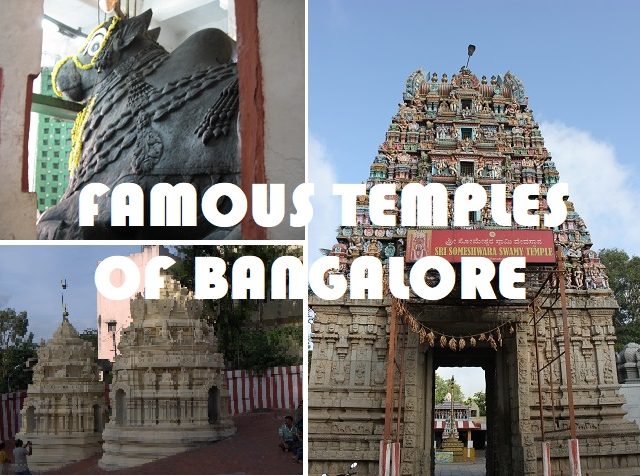
Five famous temples in Bangalore - Bangalore, the IT city, called as silicon valley of India is a big commercial hub. But namma Bengaluru has a rich cultural heritage.
Apart from the famous IT parks, Bangalore also has many old temples dating back to thousand of years.
Today we look at the five famous temples in Bangalore which you should not miss if you are visiting the city.
Below are our list of five famous temples in Bangalore (old and new)
So below is our list of famous temples in Bangalore which you are definitely going to love. Wish you a very happy darshan !
I) Bull temple bangalore ( Dodda Basavana Gudi temple) & Dodda Ganesha Temple
Bull temple bangalore, one of the most famous temples in Bangalore, this temple is dedicated to Nandi, the vahana of Lord Shiva.
The Nandi statue in the temple is almost 15 feet and is one of the largest Nandi Statues in the world.
The interesting fact about this statue is that it is carved out of single rock.

Every year during the last Monday/Tuesday of the month of Karthik a huge groundnut fair is held at this temple. This fair is also called as Kadalekaye Parishe Festival.
In the same premises we also fine Dodda Ganesha temple, also called as Shakti Ganapthi is also one of the largest Ganesha statue in Bangalore.
So do visit this temple in Basavangudi when you find time.
Location: Basavangudi, Bull Temple Road
Visiting Hours: 6 am to 12 pm & 5.30 pm to 9 pm
II) Kempfort Shiva Temple - shiva temple in bangalore
This is a fairly new temple, but a famous shiva temple in bangalore.
This temple was built in 1995 and is one of the main attractions on old airport road in Bangalore. The temple is located near the locality called as Murgeshpallya.
The Shiva statue is quite big and there is also a cave in the temple premises which has miniature statues of 12 Jyotirlingas.

You can also do some good shopping at the shopping mall in the front of the temple.
Location: Old Airport Road, Behind Kemp Fort mall, Bengaluru.
III) Gavi Gangadhareshwara Temple
One of the oldest and famous temples in Bangalore, this is also one of the most visited temples in Bangalore.
It is a cave temple and is said to be built in 16th century. People say that this temple is made up of a single rock.

The interesting thing about this temple is presence of stone discs which is an architectural marvel. It allows the sun rays to pass through and fall on the shrine during certain day of the year.

This temple is also famous for idol of Lord Agni, which also is a rare idol with 2 heads and 3 legs.
Location: Gavipura, Kempegowda Nagar
Visiting Hours: 7.30 am to 12 pm &5 pm to 8.30 pm
IV) Bangalore Iskcon temple
This is again a fairly new temple. Bangalore iskcon temple is a large an imposing structure, this temple was built in 1997.
ISKCON bangalore is one of the largest ISKCON temples in world. This temple is located in Rajajinagar area of North Bengaluru and is one of the must visit temples, if you are in town.

Dedicated to Lord Krishna, you will find beautiful idols for Lord in the temple and you can participate in various temple activities. Do visit bangalore iskcon temple when you find some time!
Location: Rajajinagar
Timings: 4.15 am to 5 am, 7.15 am to 1 pm and 4 pm to 8.30 pm
V) Halasuru Someshwara Temple
Located in Ulsoor locality of Bangalore, this is also one of the oldest temples of Bangalore. This temple is dedicated to Lord Shiva and was created during Chola rule and hence is one of the oldest temples of the region.

All these temples are so nice to visit. Both new and old we have tried to give you list of temples which you should try to visit if you are in town!
You may also like : famous temples in Coorg
Have a blessed darshan!
kumar@mytempletrips
We have covered articles on Char Dham yatra temples and today we will take you to the temple located at Rameshwaram, Tamil Nadu - Shri Rameshwaram temple also called as Sri Ramanathaswamy Temple.
This temple is in Tamil Nadu. Devotees from the whole world throng the temple. It has great significance in the Hindu religion.
The followers of Hinduism wish to visit the temple at least once in their life. It is counted among the pious Char Dham Yatra pilgrims.

Shri Rameshwaram temple is devoted to Lord Shiva. The architecture is mesmerizing. It has one of the most famous Jyotirlinga temples of India.
The corridors are the longest in the world known for a temple. The carvings on the pillars are not seen anywhere else in the whole world.
The Lingam is believed to have been placed there by Lord Rama. But the temple has been renovated by several different rulers, so there is an amalgamation of different cultures in the design.
In a hurry, watch this video:
Shri Rameshwaram temple history:
It has a very interesting story associated with the Sri Ramanathaswamy Temple . A belief says that once Lord Rama had killed Ravana he was returning back to Ayodhya with Ma Sita.
But he was overtaken by guilt. He wanted to remove the guilt or the Dosha of having killed so many brahmins. So, the sages with him advised him to install and worship a shiva lingam.
He is the one who can forgive their sins. He wished for the largest lingam to be brought from the Himalayas. This was done by hanuman. But all this took a lot of time. So, in the meanwhile, Ma Sita made a small Shiva lingam out of the sand.
The lingam brought by Hanuman was the bigger one. It was placed beside the smaller one. The larger one is called Shiva lingam while the shorter one is called Rama lingam.
The original temple was just a shed made of straw. But later rulers of the Setupati dynasty built massive structures around the main shrine.
The world-famous corridors were the idea of Muthuramalinga. It is called the Chokkatan Mandapam. Architecture is so special that students from all over the world come to study design.
The intricate carving on the pillars is so profound. It is a beautiful and magical sight. The placement of these pillars is such that you can see the corners of the corridor can be seen from any end. The pillars have been placed with precision.
The architecture of the Rameshwaram temple:
The temple is very famous for its architecture all over the world. like all the other south Indian temples it also has high boundary walls and great main gate structures.

The area is so large that it covers 865 feet east to west and 675 feet from north to south. The famous corridors run on a five feet high platform.
Rameshwaram temple pillars and Rameshwaram temple corridor

The corridors are built using sandstone pillars and ceilings. The total area covered by the corridors is 3850 feet, it is known to be the longest in the whole world. there are 1212 pillars in the outer corridor only.
Rameshwaram temple Rajagopuram
The prominent tower in the center is called the Rajagopuram, it stands 53 meters high. The main halls have been given different names like Sukravara Mandapam, Kalyana Mandapam, Anuppu Mandapam, Setupati Mandapam, and Nandi mandapam.
There are two lingams in the temple, unlike any other temple. The first one is a smaller one believed to have been built by Ma Sita herself.
The second one is the larger one brought by Hanuman from Kailash. There are also 22 holy water tirthas in the temple, these are small water bodies.
The devotees take a bath in the water from all of these to get rid of their sins. Interestingly the water from all of these has a different taste. The main one is called Agni Teertham.

Best time to visit Shri Rameshwaram temple:
The temple is open all twelve months of the year. But the summers are very hot and humid.
You must prefer to go in the winter season. The best time is to go on the occasion of Mahashivratri. The men are expected to wear a dhoti while women must wear a saree.
Western clothes are not allowed in the temple. There are tokens for the arti on the spot.
It is a very sacred place for the Hindus so the dress code is a must. If you do not possess a dhoti or a saree you can hire one from the shops outside the temple.
Shri rameshwaram temple timings
Below are the timings of Lord Ramanathaswamy Temple.
| Weekday | Timing |
| Monday | 5:00 am – 1:00 pm, 3:00 pm – 9:00 pm |
| Tuesday | 5:00 am – 1:00 pm, 3:00 pm – 9:00 pm |
| Wedesday | 5:00 am – 1:00 pm, 3:00 pm – 9:00 pm |
| Thursday | 5:00 am – 1:00 pm, 3:00 pm – 9:00 pm |
| Friday | 5:00 am – 1:00 pm, 3:00 pm – 9:00 pm |
| Saturday | 5:00 am – 1:00 pm, 3:00 pm – 9:00 pm |
| Sunday | 5:00 am – 1:00 pm, 3:00 pm – 9:00 pm |
Rameshwaram temple website
You can visit the below link in case you are looking for some more information
https://tnhrce.gov.in/hrcehome/index_temple.php?tid=35671
For Darshan booking you can click on link below
https://tnhrce.gov.in/hrcehome/eservices_search.php?activity=eservices&tid=35671&catcode=6
Rameshwaram temple pooja
| .No | Pooja Name | Ticket Cost | Pooja Date | Timings |
| 1 | 108 Kalasa Abishegam | 1000/- | Daily | Enquire at counter |
| 2 | 108 Sangabishegam | 1000/- | Daily | Enquire at counter |
| 3 | Rudrabishegam | 1500/- | Daily | 7:00 am – 1:00 pm 3:00 pm – 7:00 pm |
| 4 | Panchamirtha abishegam | 1000/- | Daily | 7:00 am – 1:00 pm |
| 5 | Swamy Sahasranama Archanai | 200/- | Daily | 6:00 am- 1:00 pm 4:00 pm – 8:00 pm |
| 6 | Ambal Sahasranama Archanai | 200/- | Daily | 6:00 am- 1:00 pm 4:00 pm – 8:00 pm |
| 7 | Swamy Nagaparanam | 200/- | Daily | |
| 8 | Ambal Kavasam | 200/- | Daily |
Rameshwaram Temple Dress code
Lors Ramnathaswamy temple is very sacred for Hindus and one of the char dham yatra temple and jyotirlinga. Please follow below dress code when you visit this temple.
For Men - White Pancha, Dhoti and Kurta, Pyjama.
For Females: Saree with blouse, Punjabi Dress with Dupatta , Chudidhar with Dupatta
Please follow this dress code.
How to reach Shri Rameshwaram temple
For those who wish to go by air, the closes airport is Madurai. It is about 174 km from there. You can take a cab or bus to go to the temple from there.
For those who wish to go by rail, there are trains from Chennai and Trichy, etc. it is a local railway station. You can reach Chennai from any part of India.
By road, there are well-connected roads from different cities in Tamil Nadu. There are buses that ply from Tirupati to Rameshwaram directly.
The main festivals celebrated in the Shri Rameshwaram temple:
Mahashivratri
The most auspicious festival is the Mahashivratri, it is in the month of February or March. Here it is a ten-day celebration.
It is the day Lord Shiva had married Goddess Parvati. He saved the world from darkness and ignorance.
The idols are taken out and taken for procession in the streets n a very well-decorated chariot.
There is music and dance all around. The enthusiasm is high among the devotees.
Vasanthautsavam:
This is a festival to celebrate the spring season. It is also a 10-day affair.
The deities are worshipped using sandal, flowers, incense, and rose water. There are flowers all over the place for decoration.
Ramalingam pratishta Utsav:
This is the day marked as the day the lingam made by Sita was established.
Navratri:
The festival of Goddess Durga is also celebrated here with great joy.
Summary:
The temple of Rameshwaram is very sacred for the Hindu devotees. It is close to the seashore on the southern tip of India.
It is dedicated to Lord shiva. It is also visited by many people to admire the architecture used to decorate and construct the temple.
It is a massive building. Also, the unique feature is the presence of two lingams in the same shrine.
You will also like: Jagannath Puri Temple – Char Dham Yatra
Badrinath Temple - Badrinath temple – Legend, How to reach, Temple timings
Dwarka Deesh temple - Dwarikadhish Temple – History, timings, contact number- other information
Shri Komuravelli Mallanna Temple also known as Komuravelli Mallikarjuna Swamy Temple is located on a hill called Indrakeeladri in Komuravelli village in the Warangal District, of the state of Telangana .
The temple is around 85Kms from Hyderabad and is located near Siddipet on SH – 1 ( Hyderabad - Mancherial Hwy ).
The temple is maintained by the Endowments Department of the state government.

Sri Mallikarjuna Swamy Devasthanam – Komuravelli
The main deity of the temple is Shri Mallanna or Mallikarjuna Swamy who is an incarnation of Lord Shiva.
In Maharashtra the diety is also known as Lord Khandoba. The temple is located about 85 kilometers from Hyderabad.
Komuravelli mallanna temple story
One day, Lord Mallikarjuna appeared to a shepherd in a dream and told him that he had created the hill Indrakeeladri and had placed a shrine there on Putta Matti (Soft Earth) to grant the wishes of the followers.
The devotees have a strong conviction that by worshipping the deity Sri Mallikarjuna Swamy Devasthanam, their wishes are fulfilled.
Sri Mallikarjuna Swamy Devasthanam temple is dedicated to fierce looking diety Lord Sri Mallikarjuna Swamy along with Kethamma and Medalamma on both sides of the deity.

Peple also refer this deity as Komuravelli Mallanna.
This is one of the most visited and well-known temples in Telangana. On various occasions, people from all over the state visit this temple.
The Komuravelli 'Sri Mallikarjuna Swamy Devasthanam' is a renowned Siva temple in Andhra Pradesh & Telangana.
The pilgrims often refer to the god as 'Komaravelli Mallana'. It is believed that the deity of Lord Mallikarjuna Swamy which is a clay molded is made around 500 years back.
The temple is located in a cave on a hillock known as - 'Indrakeeladri' . It is at a distance of 110 Kms from the city of warangal.
What is unique about Sri Mallikarjuna Swamy Devasthanam – Komuravelli
The temple is unique. In this temple lord Shiva appears here in 'vigraha rupam'(statue).
Usually in all other Lord Shiva temples we see lord Shiva in the usual 'linga rupam'.
Facilities at the temple
Every year Lakhs of pilgrims visit this temple. On the eve of Makara Sankranthi there is a huge rush of devotees as during this time of the year the Brahmotsavam starts in Komauravelli.
Facilities at the temple include mandapamas and choultries, rest rooms, water facility etc. The facilities are renovated from time to time.
Pedda Patnam which is celebrated on the Maha Sivaratri usually attracts lakhs of pilgrims.
Sri Mallikarjuna Swamy Devasthanam made provisions for the devotees to do online reservations for various pujas, offerings for annadanam and various other sevas.
The lord is said to have settled here after marrying 'Gollakethamma' from the Yadava community and 'Medalamma' from the Linga Balija community.

As a result, both goddesses are worshipped equally here. And, representatives from both the Yadava and Balija communities are in charge of all key rites.
Komuravelli Mallanna Timings
- Morning : 4:30 am – 12:00 pm
- Evening : 3:00 pm – 8:30 pm
- Darshan Timings: 6:00 am – 12:00 pm and 3:00 pm – 7:00 pm
How to reach Komuravelli Mallanna?
The temple is located in Komuravelli on the Hyderabad - Mancherial Hwy Highway which is also known as Rajiv Rahadari
- By Air : The nearest airport is at Hyderabad which is 85 km away from the temple.
- By Train - The nearest railway station is at Janagam which is 45 km away. The direct bus is available from Janagam to the temple.
- By Road - Direct buses are available from all major cities in Telangana and Andhra Pradesh. The temple is 22 km from Siddipet and 110 km from Warangal railway station.
You may also like: Thousand Pillar Temple Warangal – Hanamkonda – Warangal Telangana- History, Timings
Mahabalipuram Temples – Rock cut cave temples of mahabalipuram – UNSECO world heritage site!
Ramchaura Mandir is one of the very famous temples located in the city of Hajipur, Bihar.
About Shri Ramchaura Mandir
Dedicated to Lord Rama, it is located at Rambhadra near Helabazar, Hajipur and is one of the must visit temples if you are in the city.
As per local legend, people say that this temple have been in existence since Ramayana period and Lord Rama is believed to have visited this place on his way to Janakpur.
This is the place where his footprints are visible and worshiped.
The Ramchaura Mandir has tradition of celebrating Rama Navami, the birth anniversary of Rama, every year.
A small fair is also organised on the eve of Rama Navami which is very popular in the region and lakhs of people visit this fair each year.
Archeological Evidence of Shri Ramchaura Mandir
During excavation there are many objects and artifacts which were found at the site.
Archeological objects excavated from Ramchaura are kept at the Patna Museum.
Chaura is a Bhojpuri language word which means orchid and Ramchaura Mandir refers to the orchid which was visited by Lord Rama.
Presiding Deity
The presiding deity of the Ramchaura Mandir is 'Lord Rama'.
Rama Navami is celebrated with full zeal and enthusiasm at this temple and is one of the most important festivals to be celebrated here.
It is a the festival, to celebrate the birth of Lord Rama.


Lord Rama is the 7th incarnation of the Dashavatara of Vishnu. The SreeRama Navami festival falls in the Shukla Paksha on the Navami, the ninth day of the month of Chaitra in the Hindu calendar.
Thus it is also known as Chaitra Masa Shuklapaksha Navami, and marks the end of the nine-day Chaitra-Navratri celebrations.
Significance of a Ramchaura Mandir
Lord Shri Rama was the legendary king of Ayodhya. It is said that during his childhood days he visited this place and had got his Mundan done here.
Mundan is a ceremony where the head hair is shaven first time in a persons life.
The temple hence was made on his footprints and this place has great religious value for the Hindus.
This footprint is at the altitude of 45 mts from ground. Bael (Aegle marmelos) is taken as prashad on the eve of Rama Navami.
"Bari Sangat" and "Chhoti Sangat" is also situated near this pious place. During ancient period many Saints, Mahatmas and Yogi used to visit these "Sangats" and offered prayer.
A popular fair is also organised here on the occasion of Rama Navami every year.
You may also like: The Pataleshwar Mandir, Hajipur,Bihar | Pataleshwar Mandir History
Panch Mata Mandir Jabalpur | पचमठा मंदिर जबलपुर – Madhya Pradesh
SavanDurga – Magadi Road – Bangalore – Karnatka
Venugopalaswamy Temple Devanhalli (Bangalore) – Karnataka
Shri Lakshminarasimha Swamy temple, also known as Yadagirigutta temple, is a prominent temple dedicated to Lord Vishnu's incarnation, Shri Narasimha Swamy ( Yadadri Lakshmi Narasimha Swamy Temple ).
Yadagirigutta is a census town in Nalgonda district in the Indian state of Telangana

Yadagirigutta temple history
Yadarishi, son of the renowned sage Rishyasrunga and Santa Devi, lived in Tretayugam and practised penance inside a cave with the blessings of Anjaneya (Hanuman) on this hill between Bhongir (Bhuvanagiri) and Raigiri.
Lord Narasimha, an incarnation of Lord Vishnu, appeared before him in five different forms as Jwala, Yogananda, Gandabherunda, Ugra, and Lakshmi Narasimha, pleased with his sincere devotion. They later materialised as magnificently sculpted forms known as Pancha Narasimha Kshetram, and were worshipped as such.

Puranas and traditional stories of this Shrine are well-known among believers. The origin of this temple is mentioned in the Skanda Purana, one of the famous 18 puranas.
The golden Sudarshana Chakra (about 3 ft x 3 ft) of Lord Vishnu shines brightly atop the sikharam of garbha griha (sanctum sanctorum) of this cave shrine (whose reincarnation is Lord Narasimha).
The temple, as well as the weapon, may be seen from a distance of up to 6 kilometres. It is stated that many years ago, the chakra moved in the direction of the worshippers, directing them to the temple like a compass.
Sages are thought to have worshipped Lord Narasimha (rishis). The Yadagirigutta location is said to be a "Rishi Aradhana Kshetram," or sanctuary of sage worship.
According to legend, Lord Narasimha has assumed the position of "doctor" and is referred to as "Vaidya Narasimha" by his followers at this shrine, curing numerous chronic diseases and acting as a "provider of good things" to those who are afflicted by bad planets, witchcraft, and black magic.
Instabnces of the Lord appearing in devotees' dreams, administering medications, operating on patients, and rewarding them with good health are mentioned.
Many devotees have extraordinary dreams in which the Lord appeared to them and healed them of chronic or deadly illnesses, as well as mental and emotional issues.
Many devotees do a mandala (40-day) pradakshina in order to be cured of chronic ailments or diseases. According to mythology, the Lord often bestows mantropadesham on a chosen few believers in their dreams.
Shriman Narayana, pleased with Yada's penance, dispatched Shri Anjaneya to guide the rishi to a holy location, where the Lord came to him in the shape of Shri Lakshmi Narasimha, according to another legend.

image source - click here
This location is commemorated by a temple at the foot of the Yadagiri mountain, some 5 kilometres from the current temple. For many years, the sage worshipped the Lord there.
Hearing of the Lord's presence after Yadarishi gained moksha, a lot of tribals gathered to worship him at this temple.
Due to their lack of knowledge, these devotees began to engage in improper devotion, and Shri LakshmiNarasimha relocated to the hills.
The tribals looked for their Lord for many years. After many years, the Lord appeared to a devoted lady in the tribe in her dream, directing her to a big cave where he revealed himself to all in five majestic forms. As a result, the temple is known as "Pancha Narasimha kshetram" (Pancha - Five)
The Pancharatra Agamam is used to perform the poojas in this temple. Late Shri Vangeepuram Narasimhacharyulu, who composed Yadagiri Suprabhatam, Prapatti, Stotram, Mangalashasanam and served as Sthanacharya of this temple, established the pooja vidhanam (pooja method).
Yadagirigutta temple timings
Looking to know if Yadagirigutta temple timings open today?
Morning timings are as below:
| 4-00 am to 4-30 am | Suprabhatam |
| 4-30 am to 5-00 am | Binde teertam |
| 5-00 am to 5-30 am | Bala Bogam |
| 5-30 am to 6-30 am | Nijabhishekam |
| 6-30 am to 7-15 am | Archna |
| 7-15 am to 11-30 am | Darshnamas (All) |
| 11-30 am to 12-30 am | Maharaja Bogamu |
| 12-30 am to 3-pm | Darshanams |
| 03-00 pm to 04-00 pm | Dwarabandanamu |
Below are evening timings:
| 4-00 pm to 5-00 pm | Special Darshnams |
| 5-00 pm to 7-00 pm | Darshnamas (All) |
| 7-00 pm to 7-30pm | Aaradhana |
| 7-30 pm to 8-15 pm | Archana |
| 8-15 pm to 9 -00 pm | Darshnamas (All) |
| 9-00 pm to 9-30 pm | Maha nivedhana |
| 9-30 pm to 9-45 pm | Shayanostavams |
| 9-45 pm | Temple close |
Yadagirigutta temple contact number and other details
Looking for Yadagirigutta temple phone number ?
| S.No | Contact Office/Officer | Contact Number |
| 1 | Executive Officer / Fax | 08685 - 236755 |
| 2 | Administration Office | 08685 - 236645 |
| 3 | Reception Office | 08685 - 236623 |
| 4 | Tolegate | 08685 - 236620 |
| 5 | Yogananda Nilayam | 08685 - 236664 |
| 6 | Temple | 08685 - 236622 |
For udpated numbers if above are not working, please click here.
Yadagirigutta temple official website
For official website link - please click here
Yadagirigutta temple address:
Sri Lakshmi Narasimha Swamy Devasthanam,
Yadadri Bhuvanagiri,
Telangana 508115
Yadagirigutta temple online booking
For Seva booking - Please follow this link
For donation - Please click here
| S.No | Donation category | Amount |
|---|---|---|
| 1 | E-Hundi | Rs.51-00 and Above |
| 2 | E-Annadana Viralam (One Day) | Rs.116-00 and Above |
| 3 | E-Saswatha Annadana Viralam (Year) | Rs.1,116-00 and Above |
| 4 | E-Saswatha Nithya Annadana Viralam (Daily) | Rs.11,116-00 and Above |
| 5 | Sri Swamy Vari Vimana Gopuramaunaku Bangaru Tapadam/Gold Plating to Vimana Gopuram | Rs.116 and Above |
Yadagirigutta temple accommodation phone number
Belo are the tarrifs. Check this link for latest udpate on this.
Please call reception number given above for more details.
| S.No | Name of the Room/Building | Location | Rent per day | Persons Allowed |
|---|---|---|---|---|
| 1 | Lakshmi Nilayam Non Ac | Tulasivanam at Downhills | 560 | 5 |
| 2 | Lakshmi Nilayam Non Ac Delux | Tulasivanam at Downhills | 1008 | 5 |
| 3 | Nrusimha Bhavanam Non AC | Tulasivanam at Downhills | 336 | 2 |
| 4 | Prahalada Nilayam | Tulasivanam at Downhills | 2240 | 6 |
Pooja details
Vehicle Pooja details at Yadagirigutta tremple
| 1 | Scooter Puja | 7.00 AM TO 7.00 PM | 300 | 2 | Downhills Vahanapujala Counter | ||
|---|---|---|---|---|---|---|---|
| 2 | Auto Puja | 7.00 AM TO 7.00 PM | 400 | 5 | Downhills Vahanapujala Counter | ||
| 3 | Car Puja | 7.00 AM TO 7.00 PM | 600 | 5 | Downhills Vahanapujala Counter | ||
| 4 | Bus/Lorry/Tractor Puja | 7.00 AM TO 7.00 PM | 1000 | 5 | Downhills Vahanapuj |
Saswata Pooja Details
| S.No | Name | Amount |
|---|---|---|
| 1 | Saswata Kalyanam 10 Years | 10000 |
| 2 | Saswata Nitya Nijabhishekam | 15000 |
| 3 | Saswata Nitya SahasraNamarchana | 15000 |
Other Seva
| SNo | Nameof the Seva | Timings | Price | Persons Allowed | Reporting Time | Reporting Place | Prasadam |
|---|---|---|---|---|---|---|---|
| 1 | Nijabhishekam (2 People) | 05:15-06:30 | 800 | 2 | 4-30AM | Main Entrance of the Temple | 100g Laddu |
| 2 | Sahasra Namarchana Morning | 06:30-07:15 | 300 | 1 | 5-45AM | Main Entrance of the Temple | |
| 3 | Sri Sudharshana Narasimha Maha Homam | 07:15-09:30 | 1250 | 2 | 06:45 AM | Kalyanam Entrance | 500g Laddu, Sheshavastram, |
| 4 | Sri Swamy Vari Nitya Kalyanam | 09:45-11:30 | 1500 | 2 | 9-30AM | Kalyanam Entrance | 500g Laddu, Pulihora, Vada, Sheshavastram, |
| 5 | Shayanotsavam | 21:30-21:45 | 100 | 1 | 9-00PM | Main Entrance of the Temple | |
| 6 | Nijabhishekam (1 Person) | 05:15-06:15 | 400 | 1 | 7-00AM | Main Entrance of the Temple | |
| 7 | Jodu Sevalu | 17:00-18:45 16:00-17:00 | 700 | 1 | 5.00 P.M | Main Entrance of the Temple | |
| 8 | Swarna Pushparchana | - | 600 | 1 | |||
| 9 | Suprabhatha Darshanam | 03:30-04:00 | 100 | 1 | 3-45AM | Main Entrance of the Temple | |
| 10 | Pushpalankarana Seva | 05:00-05:45 | 300 | 1 | 5.15 AM | Main Entrance of the Temple | 100g Laddu |
| 11 | Darbar Seva | 18:30-18:45 | 516 | 1 | 6.00 P.M | Main Entrance of the Temple | 100g Laddu, Sheshavastram, |
| 12 | Ashtottara Sataghatabhishekam Swathi Nakshtram only | 06:30-08:30 | 1000 | 1 | 7-00AM | Main Entrance of the Temple | |
| 13 | Sri Swamy Vari Tiru Kalyana Mahostavamu-2023 | 20:00-22:00 | 3000 | 2 | 7PM | main temple premises | , Vada, 500g Laddu |
Please note that all above information is for information purposes. For exact details please contact temple or check the official link. The official link fof the temple is as below:
https://yadadritemple.telangana.gov.in/
How to reach Yadagirigutta Temple telangana?
- The Yadagirigutta temple is around 64 kms from Hyerabad
- yadagirigutta temple distance from Bangalore is around 640 Kms
- yadagirigutta temple distance from Vijayayawada is around 260 Kms
- yadagirigutta temple distance from Warangal is around 100 Kms
- From all above places the temple is easily accessible by road.
Nearest Railway Stations to Yadagirigutta Yadagirigutta Andhra Pradesh Nalgonda
| Station | Train Frequency | Distance |
|---|---|---|
| (RAG)RAIGIR | 14 | 3.34 Kms |
| (WP)Wangapalli | 0 | 5.3 Kms |
| (BG)BHONGIR | 105 | 7.91 Kms |
| (ALER)ALER | 84 | 12.52 Kms |
| (BMMP)Bommaipalli | 0 | 13.37 Kms |
| (NRDP)NAGIREDDIPALLI | 14 | 16.68 Kms |
| (PGDP)Pagidipalli Junction | 0 | 16.9 Km |
You may also like: Famous Temples in Hyderabad – 10 Must visit temples in Hyderabad
Legend and Temples of Talakadu – Karnatka
Krauncha Giri is a tiny town in Karnataka, India, located approximately 10 kilometres from Sandur in the Bellary District. It is remarkable for two ancient Shri Krauncha Giri Temples that are both protected monuments and are located within the same enclosure.
About Krauncha Giri
Krauncha Giri is believed to be the first abode of Lord Subramanya in the South India. Lord Subramanya is also known as Lord Karthikeya, the god of war, son of Mata Parvati and Lord Shiva, and brother of Lord Ganesha.
The most notable is the Kumaraswami Temple (built during 8th-10th century). The Parvati Temple next to it ( built during 7th-8th century).

The legend of Krauncha Giri Temples
The unique feature of the mountain is its elliptical shape with a diametric narrow pass.
According to mythology, Lord Subramanya created this gap in the mountain while fighting the demon Taraka with his spherical weapon, Vel, to kill the demon who was hidden within the mountain.
This mountain is also associated with legends of the sages Agastya and Parasurama. Kalidasa in the work Megha Sandesa describes the gap in the mountain.
The temple is located in the south west corner of India. The complex houses temples of Parvathi and Kumaraswami. The idol of Lord Ganesha is very famous in this temple.
History of Krauncha Giri Temples
It is said that, the Badami Chalukyas built the Parvathi temple. The main deity of the temple is Goddess Parvathi. The temple is now known as Kumaraswamy temple and was built by the Rashtrakuta monarchs (8th-10th century).
The presiding diety of the temple is lord Subramanya . The temple is currently a protected historic site. It was discovered in the 15th century by the local rulers, the Ghorpades, on the densely forested Swamimalai hill.
In the beginning, the women were strictly not allowed to enter the shrine. After October 1996, Murarirao Yeshwantrao Ghorpade removed the ban on women.
The Ghorpades, loved and respected by the locals, had declared the temple open to Harijans as early as the 1930s.
After learning this, on his visit to Sandur in 1934, Mahatma Gandhi said, "A small state in South India has opened the temple to the Harijans, and the heavens have not fallen."
How to reach Krauncha Giri Temples
- Daily flights available between Jindal Vijayanagar Airport ( 20 Kms from Sandur ) to Bengaluru and Hyderabad under UDAAN Scheme.
- Flights are also available to Hubballi Airport which is 180 Kms away from Sandur.
- Toranagal is the nearest railway station which is 30 Kms away from Sandur.
- Daily trains are available from Hubli and Guntakal junctions to Toranagal.
- Ballari District is well connected by Bus through state highway and National Highway.
- Buses are available to all major cities of karnataka from ballari ( 60 Kms from Sandur ) and Hosapete (35 Kms from Sandur).
You may also like: Hoysaleswara Temple and Kedareshwara temple – Halebidu – Hasan Karnataka – glory of ancient India
Shri Chandra Choodeswarar Temple – Hosur – Tamil Nadu
Although the whole of India is the center of faith and devotion, but there are some places here for which there is great reverence in the minds of the people. One such place is the ancient Hanuman temple in Delhi known as Hanuman Mandir Connaught.
This temple has Swayambhu (self appeared) murti of lord hanuman in childhood form seeing south also known as `Dakshin Mukhi Hanumanji`.
Located on Baba Khadag Singh Marg of Connaught Place, not only people of Delhi but visitors from all over the world reach this temple for worship.

Every day thousands of people visit the temple, but on Tuesdays and Saturdays there is huge rush. With full devotion and faith, devotees reach here to offer prayers.
Despite the huge crowd, the devotees do not face any kind of problem. Due to the good arrangement of the temple committee, miraculous Hanuman ji is seen and the mind gets immense peace just by seeing it.
Hanuman Mandir Connaught Place history
It is said that during the Mahabharata period, the Pandavas established five temples in Delhi. This ancient Hanuman temple is one of those five temples.
The other four temples include Kali Mandir-'Kalkaji' in South Delhi, Yogmaya Temple near Qutub Minar, Bhairo Temple near Purana Qila and Neeli Chhatri Mahadev Temple at Nigam Bodh Ghat.
Actually the ancient name of Delhi is Indraprastha. During the Mahabharata period, the Pandavas established this city on the banks of the Yamuna river.
Then the Pandavas ruled Indraprastha and the Kauravas ruled Hastinapur. It is believed that both Bhima and Hanuman, the second brother of the Pandavas, were brothers, hence both are called Vayu-putras.
Because of this attachment to Hanuman, the Pandavas established this Hanuman temple in Delhi. All the five temples have great importance.

The present form of this Hanuman temple came in front of the devotees in the year 1924 when Maharaja Jai Singh of the then princely state of Jaipur got it renovated.
After this its popularity spread all over the world and Bajrang Bali started showering his blessings on everyone. The mahant of the temple tells that one can have divine darshan of the child form of Hanuman ji here.
Here 33 generation of same family have been continuously taking care of Hanuman ji's temple and serving Bajrang Bali. Hanuman ji had special blessings on all of them.
Bajrang Bali of Connaught Place is especially pleased with the devotees offering modaks and laddus. Fulfills all their wishes and gives them happiness and prosperity.
Legend of Hanuman Temple CP
According to a belief, the famous Bhakti saint Tulsidas ji had come here during his visit to Delhi and had darshan of the wonderful child form of Bajrang Bali and was quite mesmerized.
It is said that he composed the Hanuman Chalisa while sitting here. Meanwhile, when this news reached Mughal emperor Akbar, he sent an order to Tulsidas ji to come to the court. Tulsidas reached here after getting orders.
Then the Mughal emperor urged him to show some miracle and also gifted moon and crown urn for the Hanuman temple at Connaught Place.
This temple also gives the message of equality of all religions because devotees of every religion reach here. Gurudwara Bangla Sahib is located near the temple, while on the other side there are mosques and churches. A priest of the temple told that there is a special tradition of offering chola here on Monday, Wednesday and Friday. Devotees use ghee, vermilion, silver work and perfume bottle in Chola offerings.
A special feature of this temple is that here after about 90 years, Hanuman ji leaves his body and comes in his ancient form. The biggest feature is that there is unbroken mantra chanting here round the clock.
This series has been going on continuously since August 1, 1964. This chant is of Shri Ram Jai Ram Jai Jai Ram. It is said that this is the longest chant in the world. This is the reason why it is also recorded in the Guinness Book of World Records.
There is also a famous Shani temple near this Hanuman temple. This is also a very ancient temple. This Shani temple was built by a South Indian devotee.
Devotees reach this temple from far and wide. Four dates in a year are very important for Hanuman temple, Diwali, Hanuman Jayanti, Janmashtami and Shivratri. On these dates the temple is decorated like a bride and Hanuman ji is specially decorated.
US President Barack Obama is also a devotee of this temple. He had visited Bajrangbali during his visit to India. Overall, this temple is very miraculous and fulfills every wish of the devotees. This is the reason why the doors of the temple remain open round the clock and devotees keep coming.
Hanuman Mandir Connaught Place timings
| Monday | 5.00 AM to 11.00 PM |
| Tuesday | 5.00 AM to 11.00 PM |
| Wednesday | 5.00 AM to 11.00 PM |
| Thursday | 5.00 AM to 11.00 PM |
| Friday | 5.00 AM to 11.00 PM |
| Saturday | 5.00 AM to 11.00 PM |
| Suday | 5.00 AM to 11.00 PM |
Hanuman Temple Connaught Contact number and address
- Google Location : https://goo.gl/maps/4L2vgNNv82PphiTq9
- Address: Hanuman Mandir, 7B, Baba Kharak Singh Rd, Hanuman Road Area, Connaught Place, New Delhi, Delhi 110001
- Website : https://pracheenhanumanmandircp.com/
Hanuman Mandir Connaught Place direction
Connaught Place as it is the heart of Delhi and full commercial area. People from every corner of the country also reach here for marketing, that's why it is very easy to reach Hanuman temple.
Nearest metro station to Hanuman Mandir Connaught Place :
| # | Station Name | Distance | Line | Parking? |
|---|---|---|---|---|
| 1 | Rk Ashram Marg | 1 km | Blue Line | YES |
| 2 | Rajiv Chowk | 1 km | Yellow Line/Blue Line | YES |
| 3 | Jhandewalan | 1 km | Blue Line | YES |
| 4 | Patel Chowk Metro Station | 1 km | Yellow Line | YES |
| 5 | Janpath Metro Station | 1 km | Yellow Line | NO |
Hanuman Temple Connaught Place Pooja timings
| Time | Pooja Type |
|---|---|
| 5:00 AM | Mangala Aarti |
| 5:15 AM | Jal-Prasad Vitaran |
| 9:00 AM | Morning Bhog |
| 7:00 PM | Sandhya Aarti |
| 7:15 PM | Evening Bhog |
You may also like: GirjaBandh Hanuman Temple – एक अनोखा मंदिर जहाँ भगवान हनुमान स्त्री रूप में विराजमान है – A Unique Lord Hanuman Temple
Sri Chikkanahalli Nagappa Temple ( also known as Swayambu Nagappa Temple ) is located near Bangalore, Karnataka. The temple is actually in Ramanagara. This is a well-known Naga or Snake shrine in the area.
The snake temple is well-known for its naturally formed Naga murti (idol). The Naga murti in the temple is sleeping on a massive stone slab. So this is a very popular and must visit temple in the region.

The Naga murti, which is worshipped in the temple, is also said to be expanding in size.
So stone is growing and has super natural power in curing all types of human problems. Becuase of this miracle, lot of people visit this temple.
Sarpa Dosha Nivarana is associated with the shrine.
After praying in the shrine, devotees obtain relief from various Naga Doshas. Many people suffering from Sarpa Dosha in kundali come here for worship.

They perform special pooja here. Many people swear that after praying at the shrine, they have obtained tranquilly, wealth, success, and good health.
How to reach Swayambu Nagappa Temple, Chikkenahalli, Ramanagara
So the temple is located in Ramanagara which is very near to Bangalore and can be covered in a days trip.
Google maps link: https://goo.gl/maps/JF6ViHqQL8TaRCXU8
Address of Sri Swayambu Nagappa Temple :
Sri Nagappa Temple,
Chikkana Halli,
KAILANCH HOBLI,
Ramanagar Taluk,
Karnataka.

So Sri Swayambu Nagappa Temple is one of the famous Nagappa temple around Bangalore and famous for Sarp Dosha Nivarna other being Shri Ghati Subramanya temple and Sri Mukti Naga temple , both of which are around Bangalore.
So do visit these temples when you find time. I did not find much history regarding the origin of the temple, so if you have any comment, feednback or information do post it in the description box below which will be helpful to other readers.
You may also like: Shri Ghati Subramanya – Doddaballapur – Karnataka
You may also like: Mannarasala Temple – Kerala – The supreme place of worship of the serpent god
You may like this one as well: Shri Mukthi Naga Temple, Ramohalli, Bangalore
Mahakuta Temple one of the very famous temples near Badami in Bagalkot district in the state of Karnataka ( also known as Sri Chikka Mahaakuteshwara Gudi ).
Shri Mahakuta temple is a collection of temples devoted to Lord Shiva. It is a significant Hindu pilgrimage site and home to a well-known Shaiva monastery. These temples were built by the early rulers of Badami's Chalukya dynasty between the 6th and 7th centuries.

Within the temple complex, a natural mountain spring supplies fresh water into a big reservoir known as the Vishnu Pushkarni ("Lotus pool of god Vishnu") and an ablution tank known as the Papavinasha Tirtha ("Tank of Ablution").
There is a small shrine in the centre of the Vishnu Pushkarni tank and in it is a Shiva linga called Panchamukha Linga ("five faced Linga"), one face for each direction and one on top.

It is amazing to see that there are around 24 Lord Shiva temples in this huge complex which surrounds the Vishnu Pushkarni.
The Mahakuteswara and the Mallikarjuna temples are the largest of the Mahakuta group of temples !
Who built Mahakuteshwara Temple?
The Mahakuta Group of Temples was constructed early in the Chalukya Dynasty and has a wealth of information about ancient culture and tradition. The majestic temple was built by the Chalukyas, the first king Pulakesi I.
Inscriptions at Mahakuta Temple
Two noteworthy inscriptions are also found in Mahakuta.

- The first is a Dharma Vijayastambha pillar inscription. It dates back to Pulakesi-I and records a donation of ten villages to Lord Mahakuteswara by his queen Durlabhadevi. Surprisingly, Pattadakal and Aihole are among the villages. This inscription also contains information about the Chalukya ancestry, as well as their military adventures and achievements.
- The other inscription, found on the porch of the Mahakuteswara temple, mentions a gift of rubies and a silver umbrella to the Lord by Vijayaditya's consort, Vinapoti.
Temple architecture
- These temples are built by the Badami Chalukyas.
- These temples reflect the Aihole style of temple building.
- The Chalukya style is a hybrid of the Nagara and Dravidian styles.
- The temples have tiered or curvilinear towers over the sanctum.
The most important temple, the Mahakuteswara temple is dedicated to Lord Shiva. This is the main temple.
It has a Shiva Linga in the shrine, topped by a curvilinear tower. It is built in the Dravidian style.
You will find several other small temples in the temple courtyard. As in all Lord Shiva temples here well you will ind a Nandi in front.
The wall niches are decorated with carvings of various forms of Lord Shiva.
There is a natural spring-fed tank inside the temple complex called Vishnu Pushkarani.
The Mallikarjuna temple on the other side of the tank is very similar to the Mahakuteswara temple. It has beautiful carvings on the walls and on the ceilings.
Mahakuta group of temple timing
The temple complex is open to visitors from 6 AM morning to 8.00 PM in the evening.
How to reach Mahakuta group of temple ?
Google Maps link: https://goo.gl/maps/6oSvUzYy8Luik4Cx5
- Mahakuta is situated around 460 Km from Bangalore,
- Mahakuta to Badamu distance is around 15 kms
- Mahakuta to Pattadakal is around 10 kms.
- The Mahakuta group of temples is located in between Badami and Pattadakal.
- There are local bus service from Badami to Mahakuta Group of Temples
- The nearer airport to Mahakuta is Hubli which is around 120Kms away and you can get a taxi from there
- Nearest rail station to Mahakita is Badami which is around 15 Kms away.
You will also like: Keladi Rameshwara Temple – Famous temple of Keladi Nayakas
GirjaBandh Hanuman Temple - एक अनोखा मंदिर जहाँ भगवान हनुमान स्त्री रूप में विराजमान है - A Unique Lord Hanuman Temple
हमारे देश में हनुमान जी के कई प्रसिद मंदिर हैं लेकिन आज जिस मंदिर की बात करेने जा रहे है वोह थोड़ा अलग है।
शायद अपने इस मंदिर के बारे में जरूर सुना होगा। वैसे तो हनुमान जी बाल ब्रह्मचारी हैं लेकिन छत्तीसगढ़ के इस मंदिर में हनुमान जी की पूजा एक स्त्री के रूप में होती है। जी हाँ एक ऎसा अनोखा मंदिर जहाँ भगवान हनुमान स्त्री रूप में विराजमान है.
There are many famous Hanuman Temple in India. But the temple we are talking about today is a bit different.
It is very unique temple because here Lord Hanuman is worshiped in female form.
Where is GirjaBandh Hanuman Temple
यह मंदिर छत्तीसगढ़ के बिलासपुर शहर से लगभग 25 किलोमीटर दूर रतनपुर जिले में स्थित है।
इस मंदिर में हनुमान जी को पुरुष नहीं बल्कि स्त्री के रूप में पूजा जाता है। इस अनोखे मंदिर की स्थापना के पीछे की पौराणिक कथा भी काफी दिलचस्प है।
This unique temple is located in Girjabandh, Ratnakar district of Chattisgarh.
This temple is around 25 Kms from Bilaspur. This unique temple has a very interesting story.

यहाँ भगवन पवपुत्र हनुमान जी स्त्री रूप में पूजे जाते हैं यहाँ उनका दिव्य रूप भी बहुत मनोहर हें रतनपुर के गिरजाबांध में मौजूद इस मंदिर में ‘देवी’ हनुमान की मूर्ति है। इस मंदिर के प्रति लोगों में काफी आस्था है।
ऐसा माना जाता है कि जो कोई भी यहां पूजा अर्चना करता है, उसकी मनोकामना पूरी होती है।
Lord Hanuman is worshiped here in female form. People have a lot of faith in this temple and it is said that people who worship here, all their washes gets fulfilled.

Legend Behind GirjaBandh Hanuman Temple
इतिहासकारो की माने तो ये मंदिर १० हजार साल पुराना माना जाता हैं।
कहा जाता है कि मंदिर का निर्माण "पृथ्वी देवजू " नाम के राजा ने कराया था। राजा पृथ्वी देवजू हनुमान जी के बहुत बड़े भक्त थे औऱ उन्होंने कई सालों तक रतनपुर पर शासन किया था। माना जाता है कि वह कुष्ठ रोग से पीड़ित थे।
It is said that this temple is more that 10,000 years old and was established by the king named "Prithvi Devju". King Prithvi Devju was a great devotee of Hanuman and he ruled Ratanpur for many years. He is believed to have suffered from leprosy.
इस मंदिर जुड़ी एकक पौराणिक कथा है एक रात देवजू राजा के सपने में भगवान ने दर्शन दिए और कहा की यहाँ मंदिर बनाओ जब मंदिर का निर्माण पूरा होने वाला था तब भगवान ने फिर दरसन दिए और कहा की महामाया कुंड से मूर्ति निकाल कर मंदिर में स्थापित करो ।
There is a mythology related to this temple. One night, in the dream of Devju Raja, God appeared and said that build the temple , when the construction of the temple was about to be completed, then the Lord again gave Darsan and said to remove the idol from Mahamaya Kund and install it in the temple.
राजा ने प्रभु के आगया का पालन किया जब प्रभु की मूर्ति निकाली तो वह बहुत आश्चर्य में पढ़ गए की हनुमान जी ये दिवय मूर्ति स्त्री रूप में थी फिर महामाया कुंड से निकली मूर्ति को पूरे विधि विधान से मंदिर में स्थापित किया गया। मूर्ति स्थापना के बाद राजा की बीमारी पूरी तरह से ठीक हो गई।
The king obeyed . But, when he took out the idol of the Lord, he was in great surprise that the divine idol of Lord Hanuman was in female form. After the idol installation, the king's illness was completely cured.

Best time to visit GirjaBandh Hanuman Temple
रतनपुर में काफी ज्यादा गर्मी पड़ती है, इसलिए सर्दियों के दौरान आप यहां की यात्रा करना ज्यादा बेहतर रहता है । इस जगह की यात्रा करने का सबसे अच्छा समय अक्टूबर और मार्च के बीच है।
It is better to visit GirjaBandh Hanuman Temple during winter. The best time to visit this place is between October and March. Summers are very hot and is difficult to walk in sun.

How to reach Shri Girjabandh Hanuman Temple
आप रतनपुर बेहद आसानी से पहुंच सकते हैं।
यहां से सबसे निकटतम हवाई अड्डा रायपुर का स्वामी विवेकानंद एयरपोर्ट है, जो कि यहां से लगभग 140 किमी दूर है।
यहां से बिलासपुर के लिए सीधी टैक्सी और बस सेवा उपलब्ध है। वहां से आप रतनपुर के लिए कैब ले सकते हैं।
रतनपुर पहुँचने के लिए हवाई अड्डे से लगभग पाँच घंटे लगेंगे। बिलासपुर जंक्शन रेलवे स्टेशन निकटतम रेलवे स्टेशन है, जो रतनपुर से २५ km दूर है। स्टेशन के बाहर से कैब और बसें मिल जाती हैं।
You can reach Ratanpur very easily.
The nearest airport from here is Swami Vivekananda Airport of Raipur, which is about 140 km from here. Direct taxis and bus services are available from here to Bilaspur.
From there you can take a cab to Ratanpur. It will take about five hours from the airport to reach Ratanpur.
Bilaspur Junction railway station is the nearest railway station, serving Ratanpur (25 km away). Cabs and buses are available from outside the station.
You may also like - Kashi Vishwanath Temple Varanasi
Suchindram Temple also known as Shri Thanumalayan Swamy Temple is one of the prominent temple of the region. Below you have google maps link of the location of the temple.
Google maps link: https://goo.gl/maps/jnGkaQS3wwbie1HKA
So friends, If are you visting Kanyakumari or planning to visit Kanyakumari then let me take you to Sunhindram today and show you a very unique and important temple located in Suchindram.
In a hurry ? Watch this Suchindram Temple Kanyakumari video:
Why Suchindram Temple Kanyakumari is so unique ?
The temple is quite unique becuase it has The representation of the trimurtis that is lord Bramhna, Vishnu and Mhesh ( or LOrd Shiva ) in one Lingam and is a rare one found across India.
Suchindram temple, also known as Sthanumalayan temple is known temple for its beautiful stone sculptures and architecture splendor.
This temple has just one idol for all the three Gods – with Lord Brahma at the base, Lord Vishnu in the middle and Lord Shiva at the top.
Stanumalayan refers to Trimurtis and meaning of the word is - “Stanu” meaning Siva; “Mal” implies lord Vishnu; and the “Ayan” means lord Brahma.
Hence this is a unique temple wiuth all 3 lords, present in one idol.
The temple is also famous for the 22-feet Hanuman statue which is also a must visit in the temple.
This is a very important temple of the region and hence do visit this temple if you are visiting Kanyakumari
How to reach Suchindram Temple Kanyakumari
- The distance between Kanyakumari Amman temple and Shri Suchindram Temple is around 14Kms
- You can easily get auto / taxi from Kanyakumari Amman temple / Kanyakumari beach area for this temple
- You can actually go further to visit Chitral temple and Padbnambpuram palace
This place is very near to Kanyakumari and is a must vist if you are planning for a trip to Kanyakumari.
Kanyakumari is famous tourist spot in Tamilnadu and Kanyakumari Amman temple and Vivekananda rock memorial along with this temple is a must visit
If you are looking for a 2 day itineary for Kanyakumari, you can also look at this video =>
You may also like : Bangalore to Kanyakumari – A long weekend itinerary – 3 Days including travel
Shri Ganpatipule Temple is a popular Hindu temple located in the town of Ganpatipule in the Ratnagiri district of Maharashtra, India. It is dedicated to Lord Ganesha and is considered one of the eight Ashtavinayak (eight Ganesha shrines) temples in the state.
The temple is situated on a beautiful beach and is surrounded by lush green hills.

The temple is known for its unique location and beautiful architecture. Many devotees visit the temple throughout the year to offer their prayers and seek blessings from Lord Ganesha.
Lord Ganesha known as the remover of obstacles and the deity of wisdom and knowledge.
This temple, which is believed to be over 400 years old, is one of the most revered places of worship for devotees of Lord Ganesha and is a must-visit for anyone traveling to Ratnagiri.
The temple is situated on a serene and peaceful beach, surrounded by lush green forests and beautiful hills.
The temple complex is spread over a large area, with a main sanctum that houses the deity of Lord Ganesha, along with several other shrines dedicated to other Hindu gods and goddesses.

Online Donation
For Ganpatipule temple online donation you can click here .
Puja's and Abhishek's booking in Ganpatipule Temple
If you want to request a pooja you can do the booking online. Please click the link below for the same
Click here for pooja/abhisekh booking
Shri Ganpatipule temple history
The history of the Ganpatipule Temple is shrouded in mystery and legend. According to one popular belief, the temple was built by the Sage Agastya, who is said to have placed an idol of Lord Ganesha here to protect the place from evil spirits.
Another story says that the temple was built by a rich merchant, who had a vision of Lord Ganesha in his dreams, telling him to construct a temple at this location.

Regardless of its exact origins, the Ganpatipule Temple has been a popular place of pilgrimage for centuries, and continues to attract large numbers of devotees from all over India and abroad.
Visitors come to the temple to offer their prayers and seek the blessings of Lord Ganesha, as well as to soak in the peaceful and serene atmosphere of the temple complex.
One of the main attractions of the Ganpatipule Temple is the towering idol of Lord Ganesha, which is made of pure white marble and stands tall and proud in the main sanctum.
The idol is known for its exquisite craftsmanship and is considered to be one of the finest examples of Hindu temple art. Visitors are encouraged to offer their prayers and perform puja (worship) at the idol, and many leave flowers, fruits, and other offerings as a symbol of their devotion.
In addition to the main temple, there are several other shrines and buildings within the temple complex that are worth visiting.
These include the Samadhi of the Sage Agastya, the shrine of Lord Hanuman, and the temple of Lord Shiva.
Visitors can also explore the lush and verdant gardens that surround the temple, and enjoy the peace and tranquility of the surrounding forests and hills.
Another popular attraction of the Ganpatipule Temple is the stunning natural beauty of the surrounding area.
The temple is located on the scenic Konkan coast, which is known for its stunning beaches, rolling hills, and lush forests. Visitors can take a stroll along the sandy beach, relax under the shade of palm trees, and enjoy the cool sea breeze.
Hotels near ganpatipule temple
For those who wish to stay in the area, there are several options available, including comfortable guesthouses, resorts, and hotels.
Many of these offer breathtaking views of the Arabian Sea and the surrounding hills, and provide a comfortable and peaceful retreat for visitors.
Ganpatipule temple trust rooms booking
So you can book Bhaktnivas if you are travelling to Shri Ganpatipule and wish to stay there for a couple of days.
The address of Bhaktnivas is as below:
Bhaktnivas
Sansthan Shreedev Ganpatipule
At. Post. Bhagavatinagar - Nivendi
Tal. Dist. Ratnagiri, 415615
The contact numbers for Bhaktnivas is as below:
Contact - 8669931145 , 8669931146 , 8669931147, 8669931148
You can always visit the link below to check the latest contact numbers.
Ganpatipule temple contact number & address
Sansthan Shreedev Ganpatipule, Ganpatipule Tal. Dist. Ratnagiri, Maharashtra, India
Contact No : 8669931141, 8669931142, 8669931143, 8669931144
Email : ganpatipulemandir@gmail.com
Temple Timings
- The Ganpatipule temple opens at 5.00 AM in the morning and closes at 9.00 PM in the evening
- Aarti timings
- Morning 5.00 AM
- Noon at12.00 PM
- Evening at 7.00 PM
- Sankasthi Chaturthi - Palki pradikshna at 4.00 PM
- Devotees can do direct pooja from 7.00 AM till 11 AM
How to reach Ganpatipule Temple
The temple is at a distance of 350 km from Mumbai in the Ratnagiri district on the Kokan coast of Maharashtra
Below are distances from some of the important places near by.
| Ratnagiri | 50 Km (Via Nivali) , 20 Km (Via Nevare) |
| Pawas | 65 Km (Via Nivali) , 35 Km (Via Nevare) |
| Jaygad | 15 Km |
| Chiplun | 100 Km |
| Marleshwar | 85 Km |
| Guhagar | 80 Km |
| Kolhapur | 165 Km |
| Sangali | 210 Km |
| Goa | 275 Km |
| Pune | 310 Km |
| Mumbai | 375 Km |
From Mumbai, you can take NH66 to reach the temple. It is a very nice drive !
So shri Ganpatipule Temple is a must-visit for anyone traveling to Ratnagiri. This ancient and revered shrine is a symbol of devotion and spiritual faith, and offers a peaceful and serene atmosphere for visitors to soak in.
Have a nice and blessed darshan of Lord Ganesha!
You will also like: Dholkal Ganesh, Dantewada, Chattisgarh
Someshwara Temple Shivanasamudra – Karnatka
It has been long we wanted to visit this temple. Has always been on our mind. One of the most grand and most famous Shiva temple in this world. The Lord Annamalaiyar temple - Tiruvannamalai.
After visiting this temple, we felt why didn't we paid a visit to Lord Annamalaiyar earlier. It magnificent just magnificent!
In a departure to my practice of giving the route information in end, let me give it at the start this time. We drove down to the temple from Bengaluru, but it is equidistant (almost) from Chennai.
How to reach Lord Annamalaiyar temple - Tiruvannamalai
Distance from Bangalore:
Approx 200 Kms one way via NH48 and NH 77. Basically head towards Hosur and follow the marking. It is actually on half way through Pondicherry.
Distance from Chennai:
Approx 200 kms froom Chennai as well. Via NH32 and NH77.
Just put google map. You are not going to get lost. It is a very straight forward route.
Road conditions: Very good
Eating options: Many on the way

Ok, now coming back to the temple, this temple is located at the base of Annamalai hills.
The temple itself is spread across 10 hectares. It is just huge and one of the largest in the world.
The it has four entrance one of each side and each entrance is a "gopuram" which is more than 11 stories.
So you can imagine how big these gopurams are.

Inside this premises, the main temple is Sri Annamalaiyar temple and then there are numerous other temples.

The significance of this temple is that Lord Shiva is worshiped here as Agni Lingam. So this temple is part of Pancha Bhoota Stalam ( i.e set of five temple dedicated to lord shiva each representing five elements of universe that is earth, fire, water, air and space).
As such this temple is always full of devotees, but specifically during the full moon day between November and December each year a festival is celebrated here called as Karthikai Deepam. Where a fire is lit at the top of the hill and is seen and worshiped by millions of people who gather around the hill on that day (from across the world).

Apart from this there is ritual of Grivalam which is going around the hill. This is specifically performed by devotees during full moon and the total distance is around 14Kms.
Visit the official website => http://www.arunachaleswarartemple.tnhrce.in/ and you can get more information

Please note that full moon days and Karthikai Deepam days are days with huge rush. Devotees from all over the world come to Thiruvanamalai on this day and hence plan in advance as hotels may not be available.
There are lots of hotels around the temple and provide comfortable stay. You can walk down to the temple from these hotels and from my perspective it is a better option. But if you want a 3star+ hotel you have to look a bit away from temple and you need to drive down and parking can be an issue. So better hire a taxi or rikshaw. As fat as food is concerned, lots and lots of options there.
Sri Ramashree Ashram is also very near to temple and I would say its a must visit if you are there and there are many more temples around which could be visited. Unfortunately we did not had time and hence could not visit them.
But we will definitely go again with more time in hand!
Do visit once you have some time. You will find lots of peace there!
Have a good time!
Temples in Kolar = > Click Here
Temples Near Bangalore => Click Here
Temples Near Hosure = >Click Here
Temples dedicated to Lord Vishnu = > Click Here
It is believed that the name of city Ambala has been derived from the name of Goddess Amba. Shri Bhawani Amba temple is an ancient temple situated in Ambala and is one of the must visit devi temples of the region.

The presiding diety of the temple is Ma Amba. It is said that the city of Ambala has been named after Devi Amba and mata is known here as Amba Devi or Bhawani Devi.
Get the best deal on toys - click here

In case you are visting Haryana and you are looking for famous temples in Haryana, this video will be of interest to you:
The temple of Bhawani Amba is one of the most visited temples in the region. It is a historical temple and has been here for long.
So it is an ancient temple and it has been the witness to the city’s history since Ambala’s birth.
Each temple has an own history and legends attached to it, and each temple is special in its own way. The intricate carvings on the temple walls and the exquisitely carved pillars tell volumes about the depth of the creativity. This temple of Mata Bhawani Amba also has a unique legend.
It is believed that it was here that Goddess Bhagawati Ma appeared in ten different forms.
Legend behind Bhawani Amba Temple
Once lord Shiva was unhappy with Devi Parvati one day and intended to leave. Devi Parvati tried to stop Him, but He refused to listen.
Devi Parvati requested him to renounce this thought of travelling away, and hoping to persuade lord Shiva she requested him not to leave.

Lord Shiva, however, ignored her comments and left nevertheless. As He moved further, Shiva noticed Sri Mahakali standing in his way.
Lord Shiva simply turned and began to walk in another direction. There too, another form of Bhagawati stood, blocking his path.
Lord Shiva kept walking in different directions, but no matter where he turned, some form of ma Bhagawati prevented him for moving forward.
Lord Shiva tried ten different directions and every time he changed his direction, Goddess Bhagawati Ma appeared in ten different forms in the ten different directions.
She took the form of Kali, Tara, Chinnmasta, Shodashi, Bhuvaneshwari, Tripurabhairavi, Dhumavati, Bagalamukhi, Matangi and Kamala.
How to reach Shri Bhawani Amba Temple?
Shri Bhawani Amba temple is located in Ambala.
Ambala town is well connected to different parts of the country.
- By Air - Nearest airport is Chandigarh airport from where you can take cab or public transport
- By Rail - Ambala is well connected by rail network and has 3 railway stations
- Ambala Cantt (Delhi-Amritsar-Meerut-Kalka lines)
- Ambala City (Ambala-Amritsar/Jammu Line)
- Dhul Kot (Ambala-Chandigarh/Kalka Line)
- By Road -There is a bus terminal in Ambala Cantt (GT Road) and another one at Ambala City. There are frequent services along Delhi, Chandigarh. Amritsar and Shimla route and some far off destinations such as Gwalior, Kota and Jaipur

Temple timings
| Monday | 6 AM – 12 Noon 1PM - 9PM |
| Tuesday | 6 AM – 12 Noon 1PM - 9PM |
| Wednesday | 6 AM – 12 Noon 1PM - 9PM |
| Thursday | 6 AM – 12 Noon 1PM - 9PM |
| Friday | 6 AM – 12 Noon 1PM - 9PM |
| Saturday | 6 AM – 12 Noon 1PM - 9PM |
| Sunday | 6 AM – 12 Noon 1PM - 9PM |
You may also like: Nirath Sun Temple – a famous sun temple of North India
Kasheli, a small village in Rajapur Taluka of Ratnagiri district is famous for a temple dedicated to the Sun god. The temple is known as Shri Kanakaditya Temple . ( Please do not confuse with Kasheli in Thane . Mumbai ).
var aax_size='728x90'; var aax_pubname = 'mytt_mywt_-21'; var aax_src='302';Kasheli is at a distance of approximately 30 kms from both Ratnagiri and Rajapur.

Shri Kanakaditya Temple History
The temple has some historical background. It is said that the deity of God Aditya (one of the names of God Sun) was brought from Prabhas Pattan Sun temple before 800 years.The black stone idol of the Sun God is housed in laterite and mud stone construction.
There are many legends surrounding this temple.

Once upon a time, a boatman was sailing from Veraval port to the south. Aditya's deity was also on the same boat. The boat had halted automatically while sailing through the Kasheli region. The boatman made numerous attempts to sail the boat into the sea. But he didn't do it. Then he planned to place God Aditya's deity near the Kaseli port.
He placed the deity to a dark cave (approximately 400 sq. feet). The boat then started moving.
Kanaka, a famous devotee of God Sun, lived in Kasheli. She was enlightened about the divinity by God Sun.
Then, with the help of the locals, she formally built a modest temple of Aditya, which became known as Kanakaditya. "Devachi Kholi" (God's room) is the name of the cave.

Shri Kanakaditya Temple is very famous temple in Ratnagiri district and is a must visit temple if you are on a trip to Ratnagiri district in Maharashtra.
It is said that the King Shilahar of Panhalgad (a hill fort) had donated kasheli village to Shri Govind Bhat Bagawat in the service of Brahmins. Govind Bhat was the worshiper of Kanakaditya deity.
Progeny of Govind Bhat are the current care takers of the temple.

Festivals celebrated at Temple
- Five days festival of Ratha-saptami is celebrated every year.
- Spiritual programs like Kirtan, Pravachan, Aarati, Palakhi etc are organized during the festival period.
Shri Kanakaditya Temple timings
Morning: 5.00 AM to 12.00 Noon
Evening: 4.00 PM to 8.00 PM
Ratnagiri Sun Temple Address
Surya Mandir Road,
Kasheli,
Rajapur Taluka,
Ratnagiri District,
Maharashtra – 416707.
How to reach Rathagiri Sun temple ?
The google maps location link -> https://goo.gl/maps/CrcpXMqPgMeFaWeL9
- Around 370 Kms from Mumbai via NH66
- Ratnagiri has its own railway station and is well connected
- Nearby Airports to Ratnagiri
- Ratnagiri Airport , Ratnagiri. approx 9 kms.
- Kolhapur Airport ,Kolhapur. approx 99 kms.
- Sindhudurg Airport , Sindhudurg. approx 110 kms.
- Belgaum Airport , Belgaum. approx 179 kms.
- Pune Airport , Pune. approx 184 kms.
You may also like: Redi Ganesh – Vengurla – Ratnagiri – Konkan
Dholkal Ganesh, Dantewada, Chattisgarh
Nirath, 950 metres above sea level, is well-known for its Sun Temple, which has a distinctive "Nagara" shape. North India's sole and unique Sun temple. Nirath Sun Temple is one of the must visit temples near Shimla , Himachal Pradesh.

In India, there are 4 sun temples.
- The one we are talking about here at Nirath Village
- The other one it in Odhisa, famously called as Konark Sun temple
- The sun temple of Deo, Aurngabad, Bihar
- The sun temple of Katarmal, Almorha Utttrakhand
This temple in Nrath is located 18 kilometres from Rampur Bushahr, an ancient region.

Nirath temple is at a picturesque location . Parts of the temple are decorated with carved wooden cornices and pillars.
Motifs of flowers and flower buds are beautifully carved on wood. Aedicules in walls have deities that are stone-like but really of red sandstone blackened by years of worship and offering.Nirth is rich in culture, old ladies still wear Rajtu , Dhatu and Gacchi.People follow Hindu religion ,they celebrate all the festivals Holi ,Diwali,Dussehra and Maha Shivratri.
Buddi Diwali is a fair which is celebrated here during the month of novermber and people from nearby villages come in large numbers to attend this fair.
Legenen behind Nirath Sun temple

So what is Nirath sun temple history ? Peolpe believe that Lord Parashurama oversaw the construction of the temple. Another tale claims that the Pandavas (during the Mahabharata era) resided here during their exile and may be responsible for the temple's construction.

How to reach Nirath Sun Temple?
- Nirath is 120 km from Shimla.
- From Shimla it takes 5 hours by road.
- You can take public transport which are easily available from Shimla town.
- Nearest Airport and Railway stations are in Shimla.
- Shimla is well connected by rail, road and air from other parts of the country
Google Maps Link: https://goo.gl/maps/kALAR1BB9ncTfiPH6