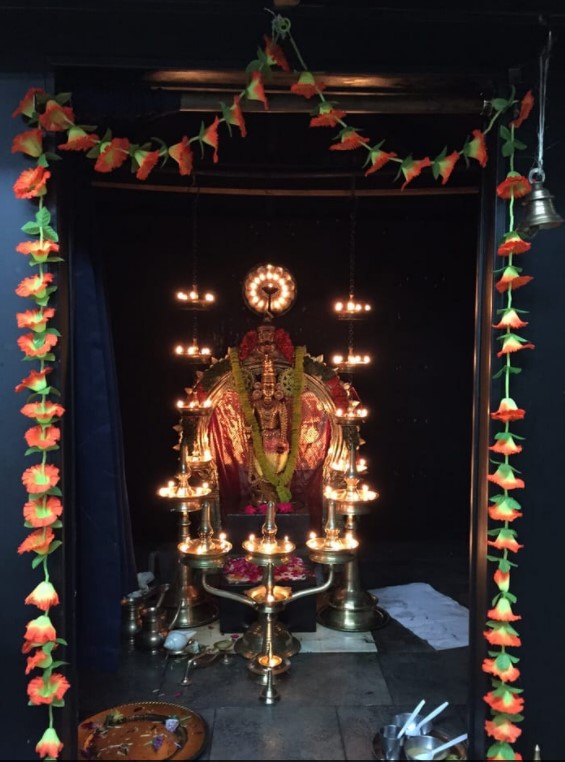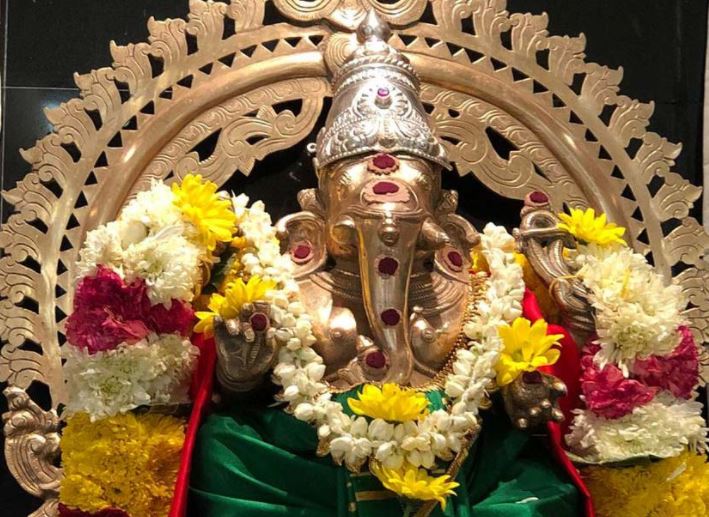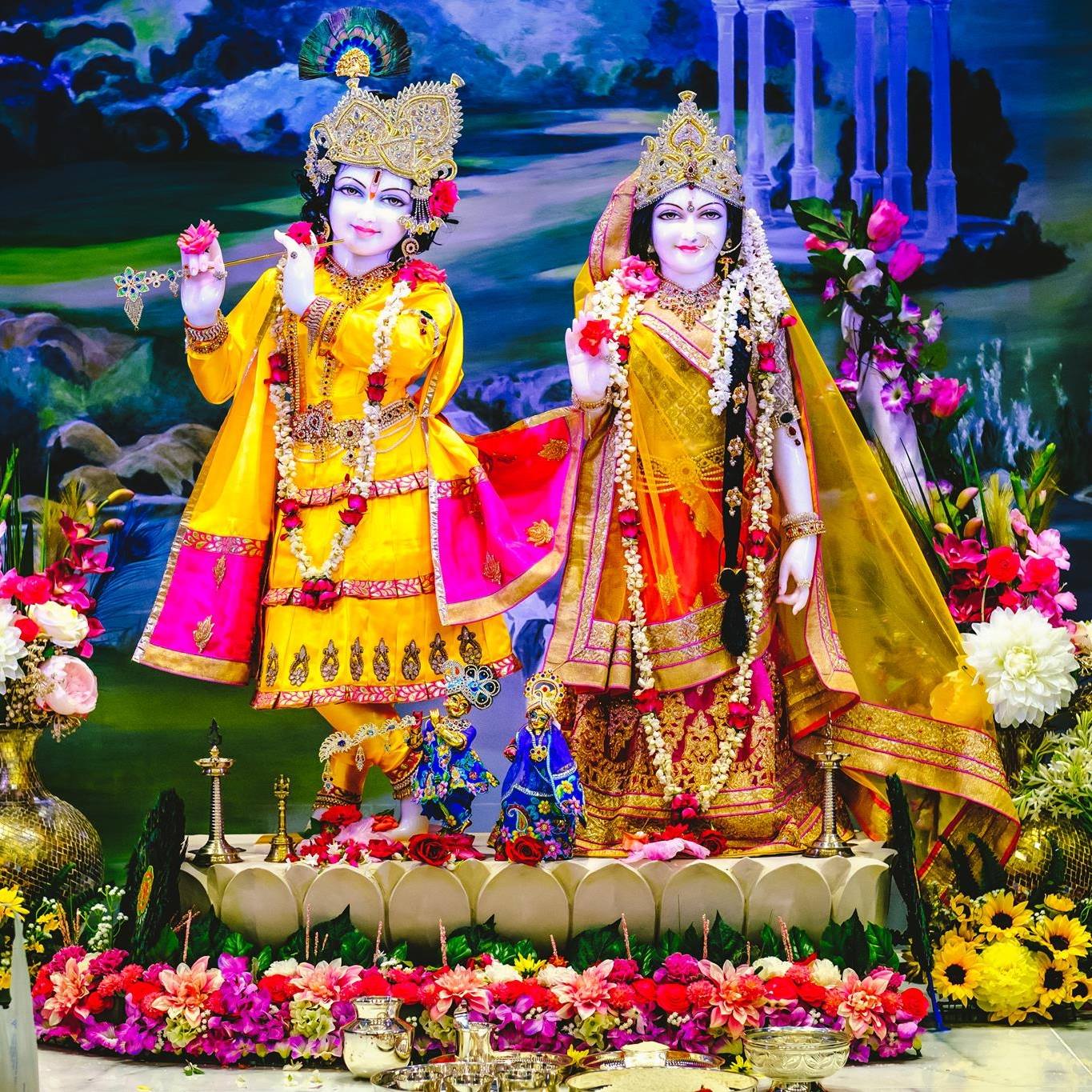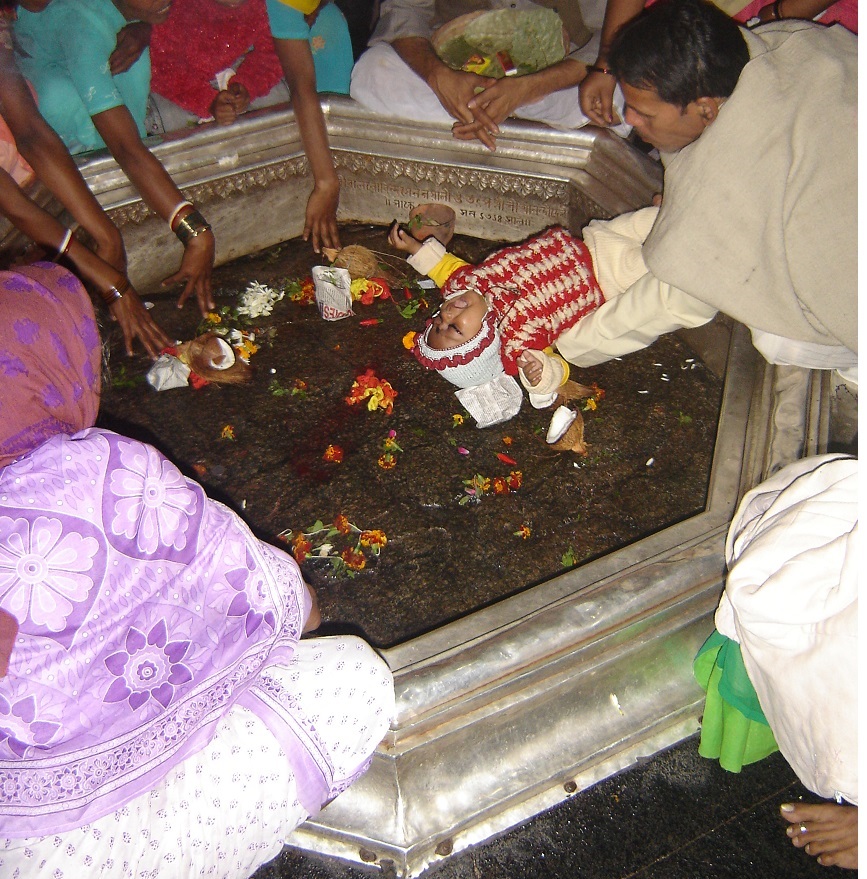
We have talked about Shri Varadaraja Perumal Temple before, which is a very very old and mythologically important temple of the area. This post Temples near Bangalore - beautiful temples of Shoolgiri, is another attempt to bring you the temples around Bangalore and Hosur area.

When we visit Shoolgiri, we also find Sri Vardaraja Perumal temple and 2 other beautiful temples around which are worth a visit.

So friends do plan to visit Shoolgiri over any of the weekends and be blessed.

Shoolgiri Temple Video

In case you are interested, you can have a look at this video as well:

https://youtu.be/q2SJrmbsNfo

Sri Varadaraja Perumal Temple

This is the temple we talked about in our previous post. The temple is a very old one and said to exist from Dwapar Yuga. It said that Arjuna worshipped here during the exile of Pandavas.

The temple is open from 6.00 AM to 11.00 AM during mornings and 5.00 PM to 8.00 PM in evenings.

Sri Kashi Vishwanath temple

Below is the video on the beautiful Shri Kashi Vishwanath temple at Shoolgiri

https://youtu.be/Rz1Yp3L7s-I

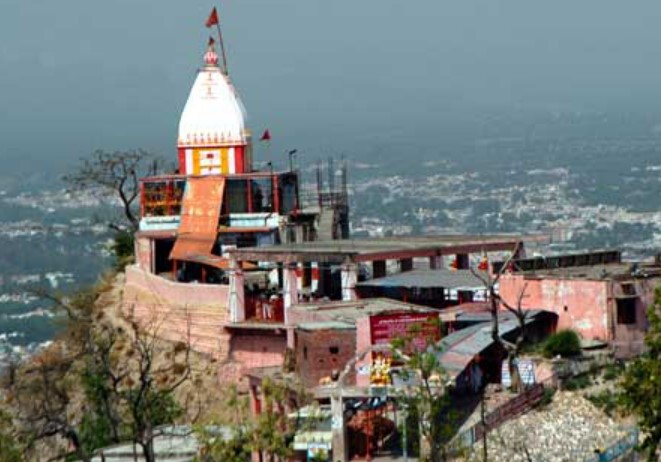
This temple is located near to Vardaraja Perumal temple and is dedicated to Lord Shiva. The goupram is quite impressive, though it looks to be newly created. The main temple premises has other god temples as well.

Sri Ayappa Swamy temple

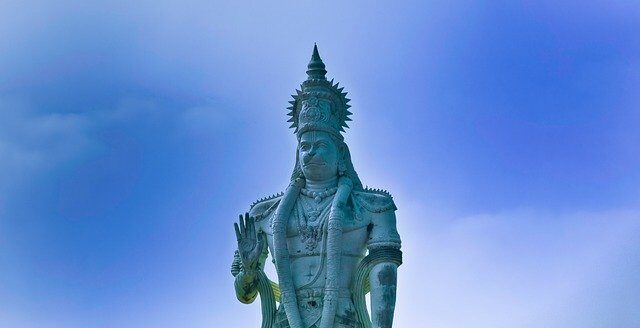
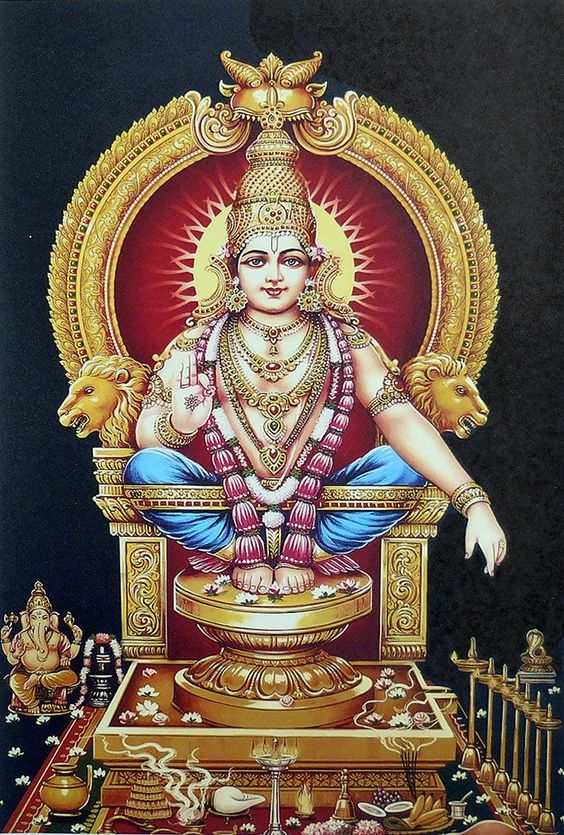
This temple is just in front of Kashi Wishwanath temple. Another beautiful temple with a beautiful idol of Lord Ayappa. There is also a huge standing idol of Lord Hanuman.

Sri Ayappa Swamy temple Shoolgiri

What we have found is that all these temples close at around 11.00 AM in morning time and reopen at 5.00 PM and are the open till 7 to 8.00 PM.

Hence plan your trip accordingly.

The way to reach Shoolgiri is very easy. You have to take the road to Hosur and keep going straight to reach Shoolgiri.

These temples are hardly 1.5 Kms from the national highway. You will see the exit markings for Shoolgiri. Do not take that. Take the flyover after that and exit to service road after the flyover.

Please note that once you enter the village, the road is called as dam road, after around 1 kms , you will see a small road going in. The google map will ask you to turn right. But since there is no concrete road, we tend to get confused and miss that. If you miss this turn, then google will re-roue to another 2 kms. So please keep a note of this.

Friends hope you will like this trip. Do visit and provide your feedback.

Hope you liked our post, Temples near Bangalore - beautiful temples of Shoolgiri. Have a blessed darshan!

-Kumar

Temples near Bangalore – beautiful temples of Shoolgiri

Servarayan temple, also called as Shevaroy temple is one of the most famous temples in the region and is a must visit temple if you are visiting Yercaud.

road leading to Servarayan Temple (Shevaroy Temple)

Servarayan Temple (Shevaroy Temple)

Servarayan Temple (Shevaroy Temple) location

Servarayan temple is located in cave on the top of the Shevaroy hills in the city of Yercaud near Salem in Tamil Nadu.

Yercuad is a small but beautiful hill station in Salem district and located in the Shevaroy hill range and this historical and beautiful temple is located at the highest point in yercuad at the altitude of 1623 meters or 5326 feet.

The top of the hill where this temple is located is a flat surface and looks like a plateau. Because of which at top of the hill apart from temple you will also find few shops and activities like horse riding ATV etc.

But the view from top is amazing. There is a view point from which you get to see the city. But my suggestion is to walk around and enjoy the view. The surface is flat and hence gives you a nice area to stroll around with family and friends and enjoy the natures beauty.

There are small shop where you can buy some thing to eat, water , juice etc. You will also find restrooms there. Ample parking space.

The best part of this trip is journey to the top. It is so amazing with lot of spots which offers you a panoramic view of the area.

The hill gives an amazing view of all other hills around and the town of Yercaud. From my perspective this is one of the best spots in Yercaud which you should visit.

In a hurry, watch this video instead:

https://youtu.be/fsiBn42M9YM

Servarayan Temple (Shevaroy Temple) History

Shevaroy Temple is a cave temple. This means that at the top of hill there is a cave in which this temple is located.

Servarayan Temple (Shevaroy Temple)
Main Temple - Outside view ( taken from side)

The cave has idol of Lord Servaryan and Goddess Kaveri. The Servarayan hills are named after the Lord and Goddess Kaveri represent the river Kaveri.

It is believed that Ma Kaveri is the guardian deity of the villages around this area.

It is also believed that the cave actually extends further deep behind the idol of Ma Kaveri and lord Servarayan. It is believed that river cauvery somewhere meets the cave further down. But of course you cannot go beyond the idols in the cave.

The cave itself is very narrow.

We spoke to the priest of the temple and came to to know that the temple itself is more than 1000 years old and lord Servarayan has been worshiped here from time immemorial .

All the villagers from around the area gather at the temple for a annual festival which is celebrated during the month of May.

There is a well near the temple. It is a old well and people say that it is a wishing well.

Activities for kids at Shevaroy Temple

As I mentioned before, the temple is at hill top, but the hill top is a flat surface and appears as a plateau.

Hence the view from top is just breathtaking. Also there are lots of activity for the kids.

There are some local games like

  • Baloon shooting - Rs 30/- for six chances
  • Horse riding - Rs 100 / round
  • ATV - Rs 100 / round
  • Other games like see saw etc

So there are activities which kids can definitely enjoy.

Best time to visit Servarayan Temple (Shevaroy Temple)

Yercaud is a hill station and hence it is a nice place to visit year round. But being situated in southern plateau it does becomes a bit hot in summers. But still not that hot.

But if you ask me, the best time to visit Yercaud will be from September to March. Immediately after rains, this place look becomes worth a visit. Also since it is colder in these months, it is easy to walk around.

Servarayan Temple (Shevaroy Temple) timings

The temple is open through out the day. It closes by 6.30 PM. So you can plan to visit this temple anytime during the day. However early morning offers one of the best views around.

In case you want to enjoy kids activities, better to go there by 9.00 AM when the shops are open. Remember that photography is not allowed inside the temple.

How to reach Servarayan Temple

The temple is located at around 6 to 7 KMs from Yecaud bus stand. Once you are ay bus stand you will find a big marking towards Servarayan Temple (Shevaroy Temple).

You will also cross Shri Raja Rajeshwari temple on the way. This is another beautiful temple on the way.

Then you will reach a junction where if you go straight, you will go towards Bangalore. So at this junction you need to take right. You keep on going straight you will reach this beautiful temple.


Over all Servarayan Temple (Shevaroy Temple) is a nice place to visit. The temple as I mentioned before is a very important temple of the region and is more than thousand years old. Apart from temple, the ride to the temple itself is very amazing and thrilling. And once you are at temple, you are at the top most place in Yercaud.

So friends, do visit this temple and this place when you are in Yercaud!

Have a nice darshan!

You may also like - 1008 Lingam Temple Salem

https://mytempletrips.in/ariyanoor-1008-lingam-temple-salem-tamil-nadu/

Servarayan Temple (Shevaroy Temple) Yercaud – A 1000+ year old Cave temple at hill top

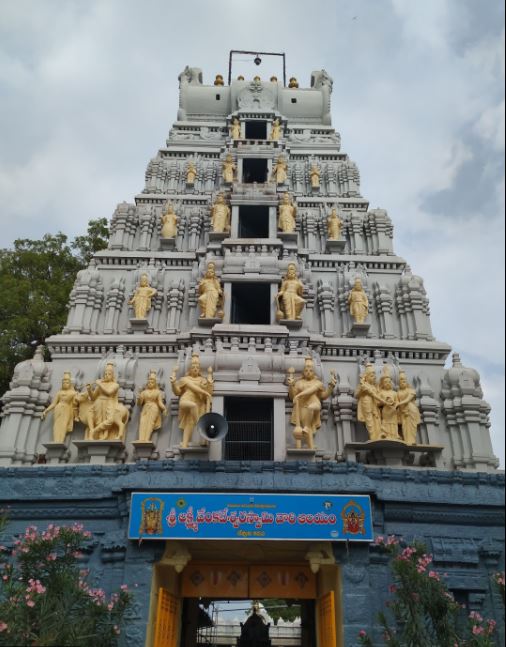
Kadapa is one of the big districts in Andhra Pradesh and is famous for the Kadapa temple also known as Shri akshmi Venkateswara Swamy Temple.

One of the ancient temples in kadapa district?

The Devuni Kadapa is a historical site and part of the Kadapa City. It's also known as Patha Kadapa, which translates to "Old Kadapa." And as I said befoew, it is known for the Sri Lakshmi Venkateswara temple.

Tirumala Tholi Gadapa Devuni Kadapa as it is called - Shri Lakshmi Venkateswara Swamy Devasthanam is another name for the Devuni Kadapa.

The town of Kadapa is named after the word Gadapa, which comes from the word "Devuni Gadapa," which means "Lord Venkateswara Swamy's entry."

Because Kripacharya established Lord Venkateswara's idol, the old name of devuni kadapa is also known as "Kripavathi Kshetram" in puranas.

Pilgrims come here to pray to Lord Venkateswara after praying to Annamacharya and potuluri Veerabramhendra Swamy.

This temple is quite popular in the Kadapa district; people come from all over to see it, and Saturdays are particularly busy.

Kadapa temple an outstading architecture

The Shri Lakshmi Venkateshwara temple is a magnificent specimen of Vijayanagar architecture. The temple itself, with its magnificent sculpture and decorations, transports us to the Vijanagar era. In the mukha mandapam, there is a sculpture of dancing Vigneshwara, a master piece from those times.

Devuni kadapa temple known as Hanumath Kshetram?

Because there is an idol of Anjaneya behind Lord Venkateshwara in the sanctum sanctorum, the Shri Lakshmi Venkateshwara temple is known as Hanumanth Kshetram. The idol of the presiding deity is said to have been installed by guru Kripacharya.

Allapaka Annamacharya, all the Sankaracharyas of Advaita mutt, the heads of Ahobilam mutt, and Mahakavi Kshetrayya are said to have visited this spot. The Tirumala Tirupathi Devasthanam has just taken on the construction of this temple.

This temple also houses the goddess Shri Padmavati Thayar, who is commonly visited after Lord Venkateswara. The current location of Devuni kadapa is also known as Patha kadapa (old kadapa).

The temple has got lot of signifiance.

Pilgrims from all over the world and India who would like to go to Venkateswara swamy temple in Tirupathi will visit Devuni Kadapa temple, as well.

Devuni Kadapa is an archaeological treasure.

The main deity is Shri Lakshmi Venkateshwara Swamy (Lord Vishnu). Maha Vishnu is in Vishnu form, and is standing.

Devuni kadapa temple timings

S.NoTemple Darshan HoursDayTimings
1Morning HoursMon, Tue, Wed, Thu, Fri6:00 am – 12:30 pm
2Evening HoursMon, Tue, Wed, Thu, Fri3:30 pm – 8:00 pm
3Morning to EveningSat (No Break or Closing Timings)6:00 am – 8:30 pm

During festival times, the timings may differ.

Special Poojas/Sevas

  • Abhishekam is performed on Friday’s at 6:00 am. Ticket Costs Rs.100 for a person
  • Aaku Pooja is performed for Hanuman on Tuesday’s for a family. Ticket costs between Rs.500 -Rs.600, as it depends on the Aaku cost .
  • Saravana Nakshathram Kalyanotsavam is performed for a family. Ticket Costs Rs.100. Timings: 10:30 am – `12:00 pm.
  • Seva or Darshan tickets is not needed for children below 12 years

How to reach Devuni Kadapa?

  • 7 km from Kadapa Railway station.
  • 4.5 km from Kadapa Bus station.
  • 145 km From Tirupati, which takes 2 hours 45 mins by Road.
  • The nearest international airport is at Tirupati which is 139 km away.

You may also like: Sri Ranganathaswamy Temple (Rangasthala ) – Chikkaballapur – Karnatka

https://mytempletrips.in/sri-ranganatha-swamy-temple-rangasthala-chikkaballapur-karnatka/
Kadapa temple – Sri Lakshmi Venkateswara Swamy Temple

Antharagange Temple - The Dakshin Kashi, Antharagange is a word in local language (Kannada) which means Ganges from Inner Deep. Why this place is called by this name is a interesting to know, but this place is for great religious important and this place is also referred to as "Dakshin Kashi" or the "Kashi of the South". Antharagange Temple is a very famous temple of this region and attracts a lot of visitors.

And hence the temple at the foothill is called as "Kashi Visheshwara temple" and the presiding diety of this temple is Shri Kashi Vishveshwara.

Antharagange Temple - The Dakshin Kashi

In a hurry ? You may like our video on Anthargange temples:

https://youtu.be/TxjYuzhqPWo

What Antharagange temple ( The Dakshin Kashi ) famous for?

The place is called as Anthargange and as I mentioned before it means Ganges from Inner deep. This place is famous for a natural spring which is a perennial spring and comes out of a bull carved in stone and falls into the pond. The source of water is unknown and people believe that this eternal water spring comes from the Ganga in north and hence this place is called as Antharagange.


The water flows through out the year.

Antharagange Temple - The Dakshin Kashi
steps to Antharagange temple

How to reach Antharagange Temple - The Dakshin Kashi?

Antharagange Temple (The Dakshin Kashi) ? is in Kolar district and is around 3 to 4 kms from Kolar itself. Kolar is around 70 Kms from Bangalore.
If you are self driving, the best route will be
Bangalore => Hoskote => Kolar => Anthargange

Road conditions are quite good through out, though the last 3 to 4 kms are a bit patchy.

You may also me interested in : Namdroling monastery , Bylakuppe , Kushal Nagar, Karnataka

You need to climb around 300 steps to reach the temple. Climb is not steep though. Just before the place from where you start climbing, there is a parking lot. But during weekends due to rush parking can be a challenge so plan accordingly. You need to pay a nominal parking fee.

Anthargange, apart from temple is famous for volcanic rock formations and natural caves and hence is it a very well known trekking destination.
Just behind the temple, there is a way gooing to the top of the hill and this trekking can be challenging for kids and older people.

When to visit Anthargange temple ( Dakshin Kashi )?

If you are going to visit just the temple, then anytime of the year is fine. But if you also want to trek to the top then summer can be a big challange. Also plan trekking early in the morning. But this hill is quite popular among trekkers.

Antharagange Temple - The Dakshin Kashi

So do visit this temple and take the blessings of Shri Kashi Visheshwara.

Do let us know your feedback!

trek to top of hill

Have a blessed day!

Kumar

Looking for a one day weekend getaway from Bangalore? Try Jain Farms Hosur

Antharagange Temple – The Dakshin Kashi

Friends, today we introduce a new series on our blog. In these posts we will talk about various towns in our country which are well known as temple towns. Today lets talk about famous temples in Jammu.

So friends we start our this series by knowing more about Jammu, which is our first temple town post.

Situated on the banks of river Tavi, Jammu is at the foot hills of Himalayas, but we all know it is famous for one of the most revered temple, the temple of Ma Vaishnov Devi.

Jammu is the base camp of this holy Shrine of Hindus. But very few of us know that Jammu is a town of many important and beautiful temples. It is believed that Jammu was established by the king Jamboo Lochan in the 14th century BC.

Famous temples in Jammu.

So below are the list of famous temples in Jammu which you should consider vistiting if you are in town.

Mata Vaishnov Devi Temple

The shrine of Ma Vaishnov Devi is one of the most visited shrine in the country. The temple is dedicated to Ma Vaishnov devi, a manisfestation of mother goddess. She is also fondly called as Mata Rani. The temple is situated near the town of Katra which is in Udhampur district.

The temple of Mata Rani is visited by more than 1 crore people every year and hence it is one of the most visited temple in Jammu and India.

MA VAISHNOV DEVI

But the city of Jammu also has many temples which are historically important and are must visit.

Let's look at some of the other important temples of Jammu

Bave Wali Mata ( Ma Mahakali)

This temple is situated in the Bahu Fort complex. Bahu fort is situated at the left bank of river Tavi. This fort is probably the oldest fort constructed originally by Raja Bahulochan and is said to be more than 3000 years old. The temple is inside this fort and is dedicated to goddess Kali also know has Bave wali mata.

Bavw Wali Mata is the presiding diety of Jammu and is a must visit if you plan to visit Jammu.

Tuesdays and Sundays are special days here for Pooja.

Raghunath Temple:

It is another prominent temple of Jammu. Situated right at the heart of the city, the temple complex consists of seven hindu shrines. It is more than 140 year old temple. It is said that temple construction was started by Maharaja Gulab Singh, the founder of Jammu and Kashmir in the year 1835 AD and was completed by Maharaja Ranbir singh in `1860 AD.

The main temple is dedicated to Lord Rama and other gods and goddesses of the epic Ramayana.

Ranbireshwar Temple

This is a well known Shiva temple of Jammu. The temple is unique that there are 12 Shiva Lingams here measuring 12 to 18 inches. And there are galleries with thousands of Shaligram fixed on the stone slabs.

Panchbhaktar temple

Panchbhaktar (five faces) temple is one of the oldest Shiva temple in Jammu. It is said that Shri Adi Shankracharya has visited this temple and worshipped here. What makes this temple further unique is that, it said that the lingam in this temple is self manisfested. The temple is also connected to Shri Amarnath Yatra. It is said that in the olden days, people going to Shri Amarnath ji used to camp here.

Peer Kho Cave temple

Another temple related to Ramayana times. I is said that the famous Ramayan charater, Jamwant used to meditate in this cave. This is also a well know Shiva temple on the banks of river Tavi.

There are many other well known temple in Jammu. If you have time you can plan to visit them as well.

  • Mahamaya temple
  • Lakshmi Narayan temple
  • Dudha Dari temple
  • Panj Mandir
  • Har ki Podi

So freinds do visit Jammu and these temples and do write back you experience.

You may also like : Famous temples of Hyderabad

Read more on temple towns => Click Here

Temple town Jammu – famous temples in Jammu
Hanuman Chalisa Lyrics

Hanuman Stuti – Namo Anjani Nandanam Vayuputam

नमो अंजनि नंदनं वायुपूतम्   सदा मंगलागार श्री राम दूतम्  महावीर वीरेश त्रिकाल वेशम्  घनानन्द निर्द्वन्द हर्तां कलेशम्  सजीवन जड़ी लाय नागेश काजे गयी मूर्छना राम भ्राता निवाजे सकल दीन जन…

The area of Kolar in Karnatka is home to many temples of religious and historical importance. Kolaramma Temple Kolar is one of the oldest in the region!

Whenever I visit these temple, I feel proud that I am part of a place which has such a rich cultural heritage.

Kolaramma is a beautiful , 1000+ year old temple and is a protected monument under Archaeological Survey of India (ASI)

Kolaramma temple Kolar

There are actually 2 very prominent temples located in Kolar. These are kolaramma temple and Someshwara temple. I will write about Someshwara temple in my next post.


Super deals - click here


Kolar gets its name from Kolaramma temple. Goddess Kolaramma is the presiding deity of this town.

Ma Parvathi is worhsipped as goddess Kolaramma.

Kolaramma Temple
View of temple premises

The temple is more than 1000 years old and is built in Dravidian Style of architecture similar to most of the other temples in this region.

The temple was built during chola period and the granite stones of the temple has carving from that period.

Kolaramma Temple
Kolaramma Temple
Carving on the walls

Another deity in the temple is known as Chelamma or the scorpion goddess.

It is said that by praying to goddess Chelamma a person is gaurded from scorpion bytes.

Another interesting thing about this temple is that there is an underground hundi. And a small hole from where you can put a coin.

It is a tradition to do that. It is said that one can still hear the sound of coins which has accumulated in this large underground hudi for the last many hundred years.

Also note that you can worship the goddess by looking at the mirror placed at the opposite side of the idol of goddesss.

Outside there is a small Ganesha temple which you can visit as well.

Kolaramma Temple
Ganesha temple (near kolaramma temple)

Kolaramma Temple Timings:

Monday to Thursday : 8.00 AM to 1.30 PM, 6.00 PM to 9.00 PM

Friday: 8.00 AM to 2.30 PM , 6.00 PM to 9.00 PM

How to reach Kolaramma Temple Kolar:

Reaching Kolaramma temple is quite easy. You just need to reach Kolar. The temple is very near to the national highway (approx 2 to 3 kms). Google maps are best. But below are my comments on 2 main routes

  1. Bangalore -> Hoskote -> Kolar -> Kolaramma temple : Mainly on national highway (NH75)
  2. Bangalore -> Sarjapura - >Malur -> Kolar - > Kolaramma temple

So, do visit the temple when you find time. Club it with Sri Someshwara temple.

You can also visit Sri Kotilngeshwara temple , Sri Anjaneya temple, Avani, Bangaru Tirupati or Kurudmule which are in driving distance from Kolar. You can find our posts on above.

Do feedback your comments!

Happy Darshan!

Read more about temples in Kolar => Click here

Kolaramma Temple – Kolar – Karnatka – a beautiful 1000 year old temple
Shri Vindhyeshvari Chalisa

Shri Vindhyeshwari Chalisa – श्री विन्ध्येश्वरी चालीसा

For all the devotees of Ma Durga - Please find below Shri Vindhyeshwari Chalisa - श्री विन्ध्येश्वरी चालीसा Ma Vindhyeshwari Chalisa ॥ दोहा ॥नमो नमो विन्ध्येश्वरी,नमो नमो जगदम्ब ।सन्तजनों के…

Mukteshwar Mahadev Temple, also known as Mukesaran Mandir or Mukteshwar Mandir, is a renowned lord Shiva temple near Pathankot on the Shahpur Kandi Dam road.

It is the Hindu religion's holiest shrine, housing the idols of Lord Ganesha, Lord Bramha, Lord Vishnu, Lord Hanuman, and Goddess Parvati.

This temple is one of the most sacred places around Pathankot. These are cave temples dating back to Mahabharata times.

According to the mythology, the Pandavas spent a night in these caves during their exile period (Agayatwas).

Mukteshwar Mahadev Temple Pathankot location

These caverns are around 22 kilometres from Pathankot City in Shaupur Kandi, in Doongh hamlet, on the bank of the Ravi River.

Location: Doongh Village, Shahpurkandi, Pathankot

Mukteshwar Mahadev Temple Pathankot temple timings

Temple Open timings: 24 hrs. Devotees can visit anytime of the day.

Temple aarti Timings: Morning- 05:30AM and Evening- 07:00PM

Temple langar timings: Everyday 10:00AM to 06:00PM

Mukteshwar Temple Legend

This historical temple as per legend dates back to 55 hundered years. It is said that the temple has been in existence from the Mahabharata times.

According to Hindu Mythology, Shakuni , who was the maternal uncle of Duryodhana, made a plan. He invited Yudhisthir for a game of dice. The game in which Shakuni was an expert and unbeatable.

Yudhisthira, unable to resist the challenge, wagers his entire kingdom, his fortune, his four brothers, and even his wife in a series of gambits to reclaim one by staking another.

So Pandavas lost their kingdom and also got a 12 years of exile and 1 year Agayatwas. Durring the Agayatwas period they have to live incognito.

During this one-year period of invisibility, the five Pandavas and their wife Draupadi disguised themselves as sages, Brahmins, and hermits and went unnoticed to various locations.

During this agyatwas period, they reached at the coast of river ravi.

Here they built the four caves and one lord shiva temple at the hilltop. They stayed at this place for approximately six months and installed the Shivalingam present in this temple.

Hence this is a very important Shiva temple.

The Havan Kund made by them, is still present there in temple. The Shivling at the Mukteshwar Mahadev temple is surrounded by the idols of Lord Brahma, Lord Vishnu, Goddess Paravati, Lord Hanuman and Lord Ganesha

Mukteshwar Mahadev Temple Pathankot
Shri Vishnu Suktam Lyrics in Sanskrit

Shri Vishnu Suktam Lyrics in Sanskrit

Sri Vishnu Suktam Lyrics in Sanskrit. इस विष्णु सूक्तम में भगवान विष्णु के सूक्त गुणों का वर्णन किया गया है. ॐ विष्णो॒र्नुकं॑ वी॒र्या॑णि॒ प्रवो॑चं॒ यः पार्थि॑वानि विम॒मे राजाग्ं॑सि॒ यो अस्क॑भाय॒दुत्त॑रग्ं…

Dev surya mandir Aurangabad Bihar - Dedicated to the Surya devata, Sun temple of Deo is one of the most popular temples in Bihar.

So what is unique about this temple. This is the sun temple which faces west , the setting sun and not the usual raising Sun.

Dev Surya Mandir kahan hai?

The temple is located in Deo Town, Aurangabad.

Deo is located 10-km to the southeast of Aurangabad.

Deo mandir aurangabad architecture

Dev Surya Mandir Aurnagabad is one of the remarkable and notable temple and religious place in Bihar.

The Sun temple of Deo is a 100-ft tall structure, with an umbrella-like top.

The tradition of worshipping the Sun God and bathing in his Brahma Kund dates back to King Ayel's reign.

The temple is both old and well-constructed. The temple architecture is a mix of nagara design and other contemporary designs like Vesara and Dravidian Architecture.

The primary structure is a shikhara, a pyramid-shaped stone structure with ornate carvings.

The frontal part and the courtyard were constructed later.

There are three idols in the sanctum that are not the original presiding god (Vishnu, Surya, and Avalokitesawara).

You will find some broken idols. There arfe three damaged idols which are preserved outside the main sanctum in the front hall part, as it is not customary to worship a broken deity.

Surya (the Sun God) sculpture with seven horses and one Uma- Maheshwara statue is one of the broken sculptures, while Vishnu is the other.

You will also fins a Shivalinga and a lord Ganesha idol and an ancient inscription stone is installed in the interior of the temple.

This temple is considered very auspicious and during the festival of Chatth puja and Adra Nakshatra tithi on Sundays, you will find lot of devotees here.

The Surya Kund is about one km away from the main temple.

The two tanks on either side of the road, known as Rudra Kund (left) and Surya Kund (Right) are believed to have medicinal properties and is is said that a dip in these lakes cure leprosy and other acute ailments

Deo surya mandir history

Below is the legend behind the Dev surya mandir Aurangabad in Bihar.

It is believed that Lord Vishwakarma was once entrusted with constructing temples in a single night. And hence the temple was constructed in one night!

But the temple you see today, is believed to have been built by Bhairvendra Singh, a Chandravanshi king of Umga.

Dev surya mandir is among the rarest and oldest of Sun temples of India.

There is a shilalekha outside of the temple , on which a shloka is inscribed, which has been taken from the book of Aryabhatta that says that on the fifth day of Magha month’s shukla paksha, Thursday, Eila’s son Aiel established this Sun temple in Tretayuga twelve lakh sixteen thousand years ago.

Manu had a daughter named Eila. According to folklore, while hunting in the forest here, King Aiel, who was suffering from leprosy, discovered that the muddy water of a pit cured him of the sickness.

He dreamt of Brahma, Vishnu and Mahesh statues in the pit and hence ordered to install them there.

So a temple was built at this place.

People say that these three statues depict the eleventh form of Sun God out of twelve.

Sun God is depicted as Brahma in Udayakal, as Mahesh in Madhyakal and as Vishnu at Astakal. Below the central statue of Sun God as Mahesh, a chariot is depicted being pulled by seven horses and Arjun as charioteer.

The holy land of Deo is also a historical site where tourists will find the ruins of ancient forts built primarily during the reign of Raja Jagannath Singh.

Deo, during the period of his kingdom, had blossomed into a major city. His primary administrative centre was in "Kanchanpur" hamlet, some 3-4 kilometres south of Deo.

Aadditional tourist attractions include forests and Baba Siddhanath's temple, which is located near the settlement of Bara Khurd on the bodla mountain.


Hope you liked this information. Do keep visiting mytempletrips for more information on such beautiful temples around us.

Please do share us on social media. You can find us at:

facebook.com/mytempletrips

twitter.com/mytempletrips

youtube mytempletrips channel


You may also like: Konark Sun Temple – surya mandir- Puri – Odisha

https://mytempletrips.in/konark-sun-temple-puri-odisha/
Dev surya mandir Aurangabad Bihar – The Sun temple of Deo

The Katarmal Sun Temple is a historically significant 12th century monument and an example of meticulous sculpturing. The sun's first rays land directly on this Sun Temple.

It is believed that the Katarmal Sun temple was built in 9th century by Katarmalla, a Katyuri Raja. ( In the early medieval period, Kumaon was ruled by the Katyuri dynasty. )

About Sun Temple Katarmal

The main deity of the katarmal sun temple almora is called Burhadita or Vraddhaditya. This is another name of Sun god.

This temple also houses the idols of Shiva-Parvati and Lakshmi-Narayana.

The Surya idol at the Katarmal Sun Temple goes back to the 12th century and is known for its exquisite architecture, finely constructed stone and metallic sculptures, and elegantly carved pillars and wooden doors.

The Katarmal Sun temple is now a protected monument and is preserved and maintained by the Archeological Survey of India.

image source

If you do not know, the intricately carved doors and panels have been removed and shifted to the National Museum in Delhi. This was done after the 10th-century idol of the presiding deity was stolen.

Legend of sun temple katarmal almora uttarakhand

As per legend, when Pandavas were in exile they lived here briefly.

One of the conditions of their exile was “They must maintain their anonymity for fourteen years of their exile“. And if they breach this condition, they will not get their kingdom back.

It is believed that in the Mahabharata, Pandavas once started building a magnificent Sun Temple in a single day as their hideout.

But due to some reason they had to leave the temple construction in between and leave the place.

Hence the temple was not completly built.

Katarmal temple of Almora, whose part of the roof is half done is said to be that temple. And today as well, the partially complete roof of the temple is clearly visible.


How to reach Katarmal

The temple is situated at around 7Km from Almora , in the state of Uttrakhand.

If you are travelling from Nanital, the temple will be around 70 KMS.

The temple is at in altitude of around 2115 meters above sea level.

Katarmal Sun Temple is the Second important Sun Temple in the country, the first Sun temple being the Konark Sun Temple in Odisha.

For other places of interest in Almora - click here

You can visit Nanital tourism websiet for more places in Nanital.


You may also like: Kedarnath temple – Legend, history, timings, best time to visit

https://mytempletrips.in/kedarnath-temple-legend-history-timings-best-time-to-visit/
Katarmal Sun Temple, Almora, Uttarakhand.

The Vidyashankara Temple, was built in the year 1338 A.D. It's a one-of-a-kind stone monument that combines Hoysala (Chalukya) and Dravidian architectural traditions.

Shringeri is home to one the original Advaitha maths, founded by Shri Adi Shankara himself.

It has a long heritage and documented history dating back to the seventh century. Sureshwarachrya, a disciple of Shri Adi Shankara, was the first head of this math.

The Vidyashankara temple was built in the year of 1338 A.D.

The temple is one of a kind monument because it is entirely made of stone and combines Hoysala (Chalukya) and Dravidian architectural traditions.

Vidyashankara Temple Architecture

The structure is built on a high plinth and commands a spectacular view of the surrounding hills and slopes.

The Garbhagriha is located on the temple's western side, with Vidya Ganapati on one side and Durga on the other. On the other three sides of the Garbhagriha, Lord Brahma, Lord Vishnu, and Lord Maheshwara appear with their consorts.


A mandapa with twelve pillars, gigantic monoliths with large figures and heavy projecting corbels on top, can be found on the eastern portion of the edifice.

The twelve zodiac signs represent these twelve pillars, which are organised in a regular order. A big circle is drawn on the floor, with converging lines indicating the direction of the shadows.

The central ceiling, which has lotus and pecking parrots, is a work of great art.

The vimana over the Garbhagriha rises majestically. The rest of the roof is a sloping channelled slab.

Animals, puranic legends, Shiva, Vishnu, Dasavatara, Kali, Shanmukha, and other deities are carved into the basement.

Chains of stone rings hang from the caverns of the great hall's corners, a common characteristic of the Vijayanagar period.

Vidyatirtha Rathotsava

Vidyatirtha Rathotsava (also known as the car festival) is celebrated on a grand scale here. This takes place during Kartika Shukla paksha.

The festival spans for seven days from Tritiya to Navami. On the Saptami day, his Holiness performs special pooja.

The Aradhana of Shri Vidya Shankara is also performed on sashti, saptami and ashtami.


Because of its architectural splendour, the Archaeological Survey of India looks after this temple.

A damaged sandalwood idol of Sharadamba, said to have been put in the Sharadamba temple by Adi Shankara Himself, is also housed in this temple.

This idol is said to have been broken during the Muslim invasin, and Shri Vidyaranya replaced it with the current gold statue of Sharadamba.

Vidyashankara Temple Darshan Timings

The temple is open everyday. The temple remains close during 1.00 PM to 5.00 PM in the afternoon

Morning – 7:00 AM to 1:00 PM
Evening – 5:00 PM to 8:30 PM


You may also like: Chennakeshava temple Belur – Hassan – Karnatka – Must Visit Temple in Karnataka

https://mytempletrips.in/sri-chennakeshava-temple-belur-hassan-karnatka/
Vidyashankara Temple, Sringeri, Karnataka

Bada Ganesh Mandir Ujjain is one of the most popular lord Ganesha temples in Ujjain, located just about 2.5 Kms from Ujjain Junction.

So if you are on Ujjain Temple visit, Situated near the Mahakaleshwar Temple, it is one of the sacred temples to visit.

Lord Ganesh is the son of Ma Parvati and Lord Shiva and is one of the most worshipped deity in India.

Lord Ganesh is regarded as the most beneficent God, bestowing wealth and success upon his devotees.

He has a very charming physique and an elephant's tusk, and he is Parvati's (or Goddess Durga's) favourite son.

Bade Ganeshji Ka Mandir

It is located very near the Shri MahaKaleshwar Temple.

Bade in Hindi means big or large, and Mandir in Hindi means a temple. So this temple has a huge Lord Ganesha idol , probably one of the largest Lord Ganeshas idol.

The Bade Ganeshji Ka Mandir is situated near the reservoir of the Shri MahaKaleshwar Temple and is a must visit in Ujjain.

History of Bada Ganesh Mandir Ujjain

It is said that this Ganesh idol was established by Maharishi Guru Maharaj Siddhant Vagesh Pt. Narayan Ji Vyas

The Bade Ganesh Ji ka Mandir's Ganesh idol is roughly 18 feet tall and 10 feet broad, with Lord Ganesh's trunk pointing clockwise.

On the head of the statue is a trident and a swastika. A Ladoo is pressed into the right side of the trunk. Lord Ganesh wears a garland around his neck and has enormous ears.

The middle of the temple gate at Bade Ganeshji Ka Mandir is adorned with a Panchamukhi image of Lord Hanuman. In Hindi, Panchamukhi means Five Faced. Hanuman is supposed to impart strength and power to his followers.

Being the most benevolent God, Lord Ganesha, blesses his followers with Health, Wealth and Prosperity.

Today, the temple is also a popular training center for imparting education on astrology and the Sanskrit language.

Bada Ganesh Mandir Ujjain temple timings

Monday 5 AM - 12 PM & 4 PM - 8 PM
Tuesday 5 AM - 12 PM & 4 PM - 8 PM
Wednesday 5 AM - 12 PM & 4 PM - 8 PM
Thursday 5 AM - 12 PM & 4 PM - 8 PM
Friday 5 AM - 12 PM & 4 PM - 8 PM
Saturday 5 AM - 12 PM & 4 PM - 8 PM
Sunday 5 AM - 12 PM & 4 PM - 8 PM

This city of Ujjain had once been one of the greatest cities of India. The city of Ujjain is often called the city of the temple as it is home to many temples, and religious sites.

So do visit this temple if you are on a trip to Ujjain and take the blessings of Lord Ganesha!

You may also like: 108 Names of Ganesha – Bhagwan Ganesh ji ke 108 Naam ( with meaning – in hindi & english )

https://mytempletrips.in/108-names-of-ganesha/
Bada Ganesh Mandir Ujjain – One of the largest Lord Ganesha idol.

Mata Manasa Devi temple Panchkula - A Prominent Shakti temples of North India - Shakti Peeth

Mata Mansa Devi temple Panchkula, is a renowned Shakti temple in North India, located in the Haryana state's Panchkula region.

Mata Mansa Devi temple is honoured at this sacred Siddh Peeth.

Sati's head had fallen over here, according to Hindu mythology.

Mata Mansa Devi is a Hindu temple dedicated to goddess Mansa Devi, a form of Shakti.

The temple complex is located in hamlet Bilaspur, near Mani Majra, and Panchkula, 10 kilometres from Chandi Mandir, another well-known Devi shrine in the region, both very near to Chandigarh.

It is one of North India's most important Shakti temples. Thousands of devotees come from all over the country to visit the shrine, and during the Navratra mela, the number swells to lakhs every day for nine auspicious days.

Panchkula's Mata Mansa Devi Temple is a symbol of Himalayan culture and spirituality.

The shrine, which is nestled in the Shivalik foothills, is a perfect example of northern India's age-old tradition of 'Shakti' worship.

Himalaya, as the home of Shiva and his consort'shakti,' became a focal point for Shakti worship.

There are various Shakti worshipping centres in the Panchkula area with names like Chandi, Kalika, Mansa, and Bhima.

As a result, mythologically speaking, the Chandigarh-Panchkula region has unquestionably remained alive legends of shaktism in areas where its practises are popular.

Mata Mansa Devi is a roop or form of Shakti. Goddess Mansa, to whom this temple is devoted, is widely thought to be a powerful Goddess who grants worshippers' wishes.

Mata Manasa Devi temple Panchkula address

As I mentioned before, the temple is located in the Panchkula district of Haryana.

Mansa Devi Complex, MDC Sector 4, Panchkula, Haryana 134114

Mata Manasa Devi temple contact no: 0172 292 0988

How to reach Mata Manasa Devi Shakti Peeth

By Air : The nearest airport is Chandigarh International Airport and distance from Airport to Mata Mansa Devi Temple is 31 KM

By Train : The nearest railway station is Chandigarh Railway Station and distance from Station to Mata Mansa Devi Temple is 8 KM

By Road : If you are travelling by bus, Panchkula Bus Stand and distance from Bus Stand to Nada Sahib is 5 KM

Mata Manasa Devi temple timings

  • Monday 5am–9pm
  • Tuesday 5am–9pm
  • Wednesday 5am–9pm
  • Thursday 5am–9pm
  • Friday Open 24 hours
  • Saturday Open 24 hours
  • Sunday 5am–9pm

You may also like: The Hadimba Devi Temple, Manali – A temple from Mahabharata times

https://mytempletrips.in/the-hadimba-devi-temple-manali-a-temple-from-mahabharata-times/
Mata Manasa Devi temple Panchkula – A Prominent Shakti temples of North India – Shakti Peeth

Vishnupad temple gaya, is a historic Hindu temple in Gaya, Bihar.

Lord Vishnu is the presiding deity of this temple.

A footprint of Lord Vishnu, known as Dharmasila, etched into a chunk of basalt marks the location of this temple near the Falgu River.

Lord Vishnu's 40-centimeter footprint is engraved in solid granite and surrounded by a silver-plated basin inside the Vishnupada Mandir.

The construction date of the Vishnupada temple is unknown and it is believed that Lord Rama along with Ma Sita had visited this place.

Devi Ahilya Bai Holkar, the ruler of Indore, rebuilt the current edifice on the banks of the Falgu river in 1787.

Gaya vishnupad temple photo

Vishnupada temple Gaya

image courtesy

History of Vishnupad temple Gaya

Gayasura, a demon, once performed a penance and asked for a boon that everybody who saw him would attain salvation (Moksham).

Because salvation is obtained by being righteous during one's lifetime, individuals began to attain it more easily.

To prevent immoral people from attaining Moksha Lord Vishnu asked Gayasura to go beneath the earth and did so , by placing his right foot on the asura's head.

Lord Vishnu's footprint remained on the earth's surface after he pushed Gayasura beneath it, and we still see it today.

Shankam, Chakram, and Gadham are among the nine symbols found on the footprint.

These are thought to be lord's weapons.

Gayasura, who had been shoved into the ground, begged for food. Lord Vishnu bestowed upon him the gift that someone would offer him meals every day.

Those who do so will have their souls accepted into heaven. It is said that if Gayasura does not receive nourishment for a day, he will emerge and till today different parts of country people pray for the welfare of the departed souls and offer food, feeding Gayasura.

Within the temple stands the immortal , Akshayavat tree , where the final rituals for the dead take place.

There is another legend behind the Vishnupad temple !

If you notice Falguni river, there is no much water in the river at Gaya, though apparently, there is water upstream as well as downstream.

This is apparently because of a curse on the river.

According to legend, Lord Rama travelled to Gaya with his siblings and Goddess Sita to do the sacred ceremonies for his father, Dasaratha.

Ma Sita was seated on the riverbanks, while the brothers were bathing. King Dasaratha , then emerged from the sand and claiming to be hungry , requested for the Pindanam.

Mata Sita requested that he wait till his boys returned before she prepared the traditional Pindam of rice and tilam for him.

King Dasaratha refused to wait and demanded that she give him pindams made from the sand she was holding.

She had no choice but to grant him the Pindam he requested in the presence of five witnesses: the Akshaya Vatam, the Falguni River, a cow, a Tulsi plant, and a Brahmin.

Lord Rama came there soon after and began the ceremonies. Apparently, in those days, the ancestors would come in person to collect their portion, and when King Dasaratha did not show up, they were perplexed.

Mata Sita then informed them of what had occurred, but Lord Rama could not believe his father would take sand pindams.

Sita now stated her witnesses and requested that they inform Rama of the truth.

Only the Akshaya Vatam stood by her and stated the truth, while the others lied in an attempt to support Rama's side.

Being angry with their behavior, Ma Sita cursed them all, saying that the Falguni river would no longer have water at Gaya, and that the Cow would no longer be worshipped from the front and that there would be no more Tulsi plants at Gaya, and that the Gaya Brahmins would never be satisfied, that they would always be hungry and crave more and more.

She then blessed the Akshaya Vatam, promising that everyone who came to Gaya would also conduct the Pinda pradaanam there.

A hence a Pind Daan done at Gaya on Panchakroshi Gayakshetra is believed to guarantee a safe passage for the souls of twelve generations.

How to reach Vishnupad temple ?

Vishnupad temple Address : Chand Chaura, Gaya, Bihar, 823001

If you are coming by train : Gaya railway station to vishnupad temple is 4 KM away.

If you are travelling by Air : 12 KM away from Gaya Airport

Check out below trains for Gaya ( Please confirm the train nos and timings on IRCTC website ):

  • DIKSHABHOOMI EX (Train NO: 11045)
  • CHAMBAL EXP (Train NO: 12175)
  • KOLKATA RAJDHNI (Train NO: 12301)
  • HWH JU EXPRESS (Train NO: 12307)
  • HWH DLI KLK MAI (Train NO: 12311)
  • SDAH RAJDHANIEX (Train NO: 12313)
  • KOAA AGC EXPRES (Train NO: 12319)
  • HWH MUMBAI MAIL (Train NO: 12321)
  • HWH NDLS EXPRES (Train NO: 12323)
  • HWH LKU EXP (Train NO: 12353)
  • DURGIANA EXP (Train NO: 12357)
  • RNC JANSHATABDI (Train NO: 12365)
  • HWH JSM EXP (Train NO: 12371)
  • POORVA EXPRESS (Train NO: 12381)
  • GAYA MS EXPRESS (Train NO: 12389)
  • MAHABODHI EXP (Train NO: 12397)
  • RNC NDLS RAJ EX (Train NO: 12439)
  • HLZ ANVT WKLY S (Train NO: 12443)
  • BKN KOAA SUP EX (Train NO: 12495)

You may also like: Baba Bhootnath Temple Lucknow

https://mytempletrips.in/baba-bhootnath-temple-lucknow/
Vishnupad temple – The original Footprint of Lord Vishnu – The Vishnupada Mandir at Gaya, Bihar

Baba Bhootnath Temple Lucknow is a well-known local temple in lucknow, located at Bhootnath Bazaar, near HAL, Indira Nagar.

The Bhootnath temple is primarily dedicated to Lord Shiva and Lord Hanuman. Inside the temple, there are additional idols of various Gods and Goddesses such as Mata Parvati, Ganesh ji, Maa Kali, and others.

Bhootnath Mandir lucknow video

In a hurry, watch the video instead.

https://youtu.be/v-0zudl5JOQ

Why the temple is called as Baba Bhootnath Temple Lucknow

This temple is called Baba Bhootnath Temple ( Baba Bhootnath Mandir) because it is said that Baba Bhootnath has built this temple.

Baba Bhootnath used to stay here. You can still see his photographs and belongings in the temple.

Mahashivratri, Ramnavmi, Navratri, Hanuman Jayanti etc festivals are celebrated here and you will see lot of crowd during the festival season.


You might be interested in:


The temple is situated in front of HAL campus about 500 meters from main Faizabad road of Lucknow.

Bhootnath Bazaar

Due to the popularity of this temple, the area is called Bhootnath and there is famous Bhootnath market nearby.

Baba Bhootnath Temple Lucknow Bhootnath Bazaar

Bhootnath Temple is located in the centre of Bhootnath Bazaar's main edifice. The temple is a lovely three-story structure.

The idols of many deities are carved on the temple building just above the main entrance of the temple.

Baba Bhootnath Temple Lucknow History

Bhootnath Mandir is not a very ancient temple.

This temple is about 70 years old. But this is a famous temple of Lucknow and this temple has a lot of recognition.

So we do not know the exact date of construction of this temple. But according to the priests of the temple, this temple was established by Baba Bhootnath in the 1950s.

There are many pictures and idols of Baba Bhootnath inside the temple which can be seen.

Bhootnath Mandir Lucknow Timing

The Bhootnath temple opens for devotees daily. so if you come here any day you can have darshan.

Bhootnath Mandir Lucknow Temple Opening Hours

OpeningTimings: 05:00 AM to 12:00 PM and 04:00 PM to 10:00 PM

Please note - the temple remains closed from 12:00 PM to 04:00 PM in the afternoon.

Best time to visit Baba Bhootnath Temple Lucknow

If you wish to see bhagwan Hanuman ji ki aarti, then the best time for you would be in the morning. At this time the temple is filled with the devotees of Lord Hanuman.

If you want to shop and enjoy the local shopping of Lucknow after visiting the temple then visit Bhootnath market and its evening time will be best for you.

The time from March to April is the best time to visit the temple as the Mahashivratri festival also takes place during this period and the temple is decorated quite nicely.

By the way, even during Dussehra and Diwali, the decoration of the market around the temple is must see!

Bhootnath Mandir Lucknow facilities

The temple is not that big but there is enough space available for all the activities. Drinking water, toilets, seating area etc. are available inside the temple.

A paid parking stand is also available in front of the temple for two and four wheelers.

There are many shops selling sweets, prasad, flowers etc. outside the temple.

How to reach Bhootnath temple ?

Bhootnath Temple Lucknow is located in Bhootnath Bazar of Indira Nagar area of ​​Lucknow.

The Temple is very easy to reach as it is located in one of the popular areas of ​​Lucknow. For Bhootnath temple you have to first come to Bhootnath.

Many city buses, autos, cabs, Vikram, E-rickshaws are available to Bhootnath from Lucknow's railway station, bus stand.

You can also come here from Polytechnic, Chinhat or any other area of ​​Lucknow.

You will get direct metro rail from Charbagh railway station to Bhootnath market. So you can also come here by metro rail.

Bhootnath Temple Lucknow Address

Bhootnath Market,
Sector 5, Indira Nagar,
Lucknow-226016,
Uttar Pradesh

You may also like: Lotus Temple – New Delhi

https://mytempletrips.in/lotus-temple-new-delhi/
Baba Bhootnath Temple Lucknow

The intriguing Kondagattu temple is located in the Karimnagar district. It is one of Telangana's most well-known temples.

The town of Kondagattu is endowed by nature and is incredibly gorgeous, being situated in the midst of lovely hills, breathtaking valleys, and pleasant water springs. Locals claim that a cowherd built the temple three hundred years ago.

Sri Anjaneya Swamy is the temple's presiding deity. The temple is located on a hilltop in Mallial mandal's Kondagattu village.

Sri Anjaneya Swamy's holy shrine can be found 35 kilometres from Karimnagar town.

The temple offers a breathtaking view surrounded by caves and Rayuni fort on its north. The caves and the fort also offer a pleasant holiday spot.

History of Kondagattu Anjaneya temple telangana

The story of the temple, according to locals dates back to about 300 years ago, when a cowherd, Singam sanjeevudu after losing one of his buffalo, came to this hilly area while searching for it. He soon fell into deep sleep after a tiresome search. It is believed that Lord Anjaneya Swamy appeared in his dream and told him the whereabouts of the lost buffalo, and when Sanjeeva woke up to start searching in the instructed direction, he found an enlightening idol of Anjaneya Swamy. He then built a small temple for Lord Anjaneya.

On its northern side, the temple is encircled by caves and the Rayuni fort. The caves and fort are also excellent vacation spots.

According to residents, the temple is around 300 years old.

As per local legend a cowherd named Singam sanjeevudu lost one of his buffalo and travelled to this steep terrain in quest of it. After a long and exhausting quest, he quickly fell asleep.

Sanjeeva awoke to see an enlightened idol of Lord Anjaneya Swamy after Lord Anjaneya Swamy appeared to him in his dream and revealed him the whereabouts of the missing buffalo.

After that, he constructed a tiny temple for Lord Anjaneya.

It is widely believed that by offering 40 days of prayers to Anjaneya Swamy here, persons who do not have children will be blessed with one.


Bojjapotana caves and Kondalaraya fort surround the temple. Devotees can bathe at the Dharmagundam (holy water tank).

During Hanuman Jayanthi, the historic Kondagattu Hanuman temple is often packed to the brim with Hanuman worshipers.

The sight of worshippers dressed in saffron during Hanuman Jayanthi at Kondagattu is a sight to behold.

Kondagattu Anjaneya temple timings

The temple opens from 4.00 AM in the morning and closes at 8.30 PM

Please find the details below.

 Morning  

 4.00 a.m    Subrabata Seva

 4.30 a.m. to 5-45 a.m   Sri Swami vari Aaradhana

 5.45 a.m to 6.00 a. m   Balaboga nivedna Modati ganta

 6.00 a.m to 7.30 a.m    Surya darshanam

 7.30 a.m to 9 a.m   Nitya Haaratulu

 9.00 a. m 11.30 a.m Sri Swami vari Abishekam

 11.30 a.m 12.30 Sri Satyanarayana Swami vratham

 Afternoon

 12.30   Rendova Ganta

 12.45   Bhajana Tirtha prsadam

 1.30 p.m to 3.00 p.m    Viramam (Allayam musiveta excluding Saturday and Tuesday)

 3.00 p.m to 4.30 p.m    Surya darshanam

 Evening  

 4.30 p.m to 6.00 p.m    Sri Swami vari aardhana, Moodava Ganta

 6.00 p.m to 7.30    Nitya Haaratulu

 7.00 p.m    Sri Laxmi amma vari kumkumarchana

 7.30 p.m    Sri Venkateswarla swami Seva utsavam

 8.15 p.m    Bhajana

 8.30 p.m    Cavata bandanam

Vahan pooja can done from 7.00 AM to 8.30 PM every day!

Seva at the temple

Below is the Seva options you find at shri Kondagattu Anjaneya temple. For latest price you can always refer to the temple website.

 SEVACost / per ticket 
Shasvatha nidi1,116
Vivaham151
41 Days Haarati80
21 Day Haarati50
11 Days Haarati30
41 Days Bila Haarati30
21 Day Bila Haarati20
11 Days Bila Haarati12
41 Days Current Bill50
21 Days Current Bill25
5 Days Nidra12
Sri Venkateshwara Swami Seva50
Sri Satyanarayana Swami Seva30
Abhishekam25
Nalugu Chakrala Vahanam35
Rendu Chakrala Vahanam15
Kumkuma Pooja15
Kesha Khandanam10
Pratyeka Darshanam10
Odi Biyyam10
Tula Baram8
Pattenamalu6
Ganta Kattuta5
Kaluka Kadiyam5
Nutana Vastradarana5
Karupura Haarati3
Punyavachanam2
Tenkaya Rusumu1

Kondagattu Anjaneya temple telangana address

Sri Anjaneya Swamy Temple,
Mutyampeta village
Karimnagar district , Telangana 505452, India

Anjaneya Swamy Temple Office contact number: 0091 8724 271239

Hoe to reach Kondagattu Anjaneya

Kondagattu is very situated near to both Jagtial and Karimnagar city in Karimnagar District. There are frequent buses to Kondagattu.

The place is around 200 Kms from Hyderabad and 35 Kms from Karim Nagar.

Kondagattu Anjaneya Swamy is one of the most popular Lord Hanuman temples in South India.

Do visit this temple and take lord Hanumans blessing.


you may also like : Hanuman Chalisa – Hanuman Chalisa Lyrics

https://mytempletrips.in/hanuman-chalisa-hanuman-chalisa-lyrics/
Kondagattu Anjaneya temple – A 300+ year old famous temple in Telangana
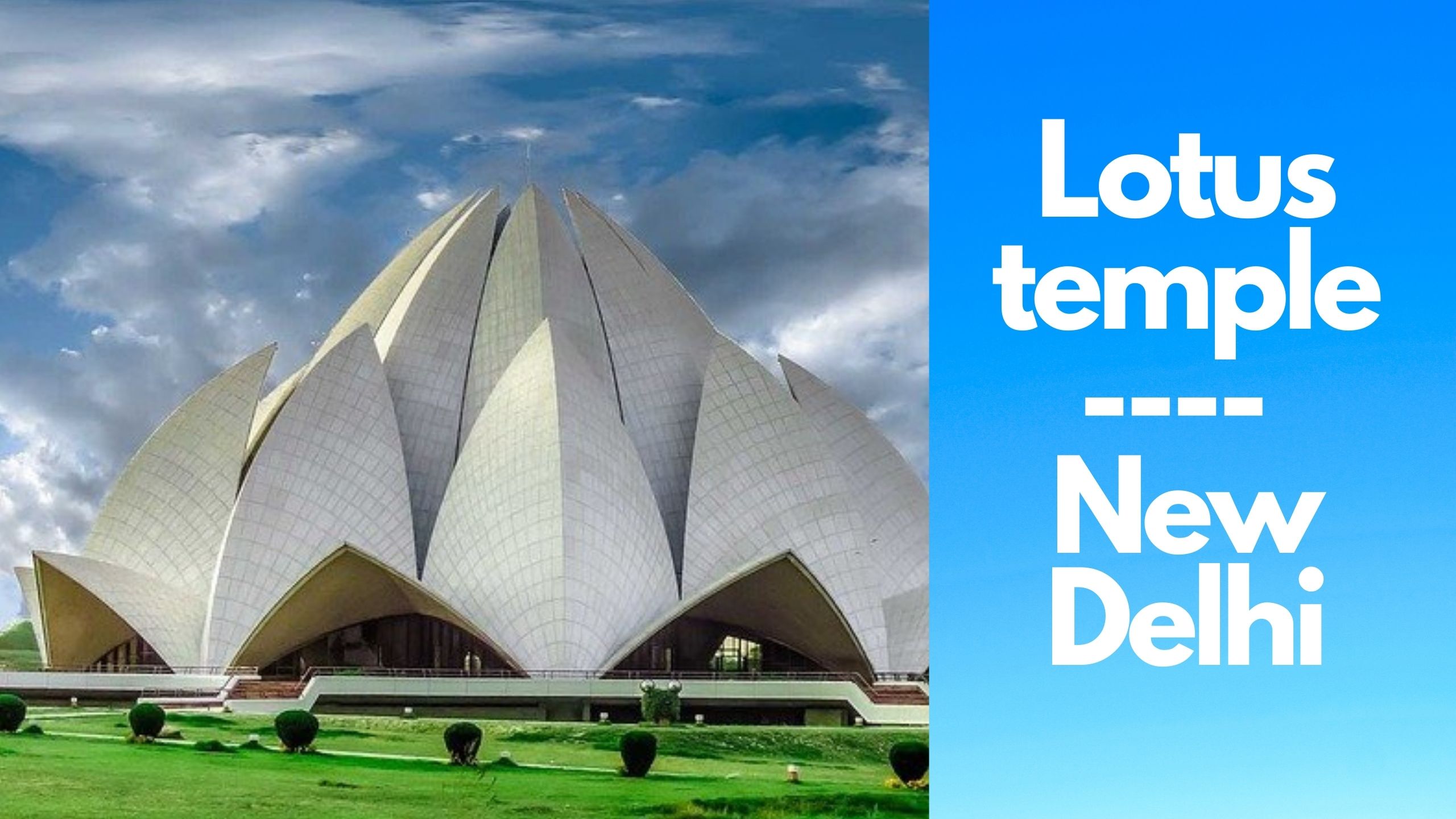
Lotus temple New Delhi

Lotus Temple – New Delhi

If you live in Delhi then Lotus temple is not a new word for you and you would have already visited this beautiful structure. But for people from other part…

108 Ayyappa saranam - Lord Ayyappa is Harihara Sutha because he represents both creation and destruction, and he assists his devotee in destroying all low bad tendencies and maintaining the seeker's pure Sattvic essence.

By preserving the concept of Godliness and destroying all other thoughts connected to worldly infatuations, Lord Ayyappa protects our spiritual wealth and power.

When devotees worship Lord Ayyappa and climb Sabarimala, the 108 Sarana Ghosham ( 108 Ayyappa saranam ) is generally performed in chorus. It's an amazing sensation to hear these repeated with dedication by hundreds of Devotees all at once.

The devotee strives to keep one thought on the Lord during the journey to the shrine. The Truth reveals itself to the seeker when single-pointed focus and meditation are maintained, as depicted by the Lord's Darshan in the temple.

108 Ayyappa saranam

  1. Swamiye Saranam Ayyappa
  2. Harihara Suthane Saranam Ayyappa
  3. Kannimoola Mahaa Ganapathy Bhagavaane Saranam Ayyappa
  4. Shakti Vadivelan Sodarane Saranam Ayyappa
  5. Maalikaippurattu Manjamma Devi Lokamathave Saranam Ayyappa
  6. Vaavar Swamiye Saranam Ayyappa
  7. Karuppanna Swamiye Saranam Ayyappa
  8. Periya Kadutta Swamiye Saranam Ayyappa
  9. Cheriya Kadutta Swamiye Saranam Ayyappa
  10. Vana devathamaare Saranam Ayyappa
  11. Durga Bhagavathi maare Saranam Ayyappa
  12. Achchan Kovil Arase /Achchan Kovil Rajave Saranam Ayyappa
  13. Anaadha Rakshagane Saranam Ayyappa
  14. Annadhaana Prabhuve Saranam Ayyappa
  15. Achcham Thavirpavane Saranam Ayyappa
  16. Ambalathu Aasane Saranam Ayyappa
  17. Abhaya Dayakane Saranam Ayyappa
  18. Ahandai Azhippavane Saranam Ayyappa
  19. AshtaSiddhi Dayagane Saranam Ayyappa
  20. Andmorai Aadarikkum Deivame Saranam Ayyappa
  21. Azhuthayil Vaasane Saranam Ayyappa
  22. Aaryankaavu Ayyaave Saranam Ayyappa
  23. Aapath Baandhavane Saranam Ayyappa
  24. Ananda Jyotiye Saranam Ayyappa
  25. Aatma Swaroopiye Saranam Ayyappa
  26. Aanaimukhan Thambiye Saranam Ayyappa
  27. lrumudi Priyane Saranam Ayyappa
  28. lnalai Therppavane Saranam Ayyappa
  29. Heha para suka daayakane Saranam Ayyappa
  30. Irudaya kamala vaasane Saranam Ayyappa
  31. Eedillaa inbam alippavane Saranam Ayyappa
  32. Umaiyaval baalakane Saranam Ayyappa
  33. Umaikku arul purindavane Saranam Ayyappa
  34. Uzhvinai akatruvone Saranam Ayyappa
  35. Ukkam alippavane Saranam Ayyappa
  36. Engum niraindhone Saranam Ayyappa
  37. Enillaa roopane Saranam Ayyappa
  38. En kula deivame Saranam Ayyappa
  39. En guru naathane Saranam Ayyappa
  40. Erumeli vaazhum kiraata -Shasthave Saranam Ayyappa
  41. Engum nirainda naada brahmame Saranam Ayyappa
  42. Ellorkkum arul puribavane Saranam Ayyappa
  43. Aetrumaanoorappan magane Saranam Ayyappa
  44. Aekaanta vaasiye Saranam Ayyappa
  45. Aezhaikkarul puriyum eesane Saranam Ayyappa
  46. Aindumalai vaasane Saranam Ayyappa
  47. Aiyyangal teerppavane Saranam Ayyappa
  48. Opillaa maanikkame Saranam Ayyappa
  49. Omkaara parabrahmame Saranam Ayyappa
  50. Kaliyuga varadane Saranam Ayyappa
  51. Kan.kanda deivame Saranam Ayyappa
  52. Kambankudiku udaiya naathane Saranam Ayyappa
  53. Karunaa samudrame Saranam Ayyappa
  54. Karpoora jyotiye Saranam Ayyappa
  55. Sabari giri vaasane Saranam Ayyappa
  56. Shathru samhaara moortiye Saranam Ayyappa
  57. Sharanaagadha rakshakane Saranam Ayyappa
  58. Sharana ghosha priyane Saranam Ayyappa
  59. Shabarikku arul purindavane Saranam Ayyappa
  60. Shambhukumaarane Saranam Ayyappa
  61. Satya swaroopane Saranam Ayyappa
  62. Sankatam therppavane Saranam Ayyappa
  63. Sanchalam azhippavane Saranam Ayyappa
  64. Shanmukha sodarane Saranam Ayyappa
  65. Dhanvantari moortiye Saranam Ayyappa
  66. Nambmorai kaakkum deivame Saranam Ayyappa
  67. Narttana priyane Saranam Ayyappa
  68. Pantala raajakumaarane Saranam Ayyappa
  69. Pambai baalakane Saranam Ayyappa
  70. Parasuraama poojithane Saranam Ayyappa
  71. Bhakta jana rakshakane Saranam Ayyappa
  72. Bhakta vatsalane Saranam Ayyappa
  73. Paramashivan puthirane Saranam Ayyappa
  74. Pambaa vaasane Saranam Ayyappa
  75. Parama dhayaalane Saranam Ayyappa
  76. Manikanda porule Saranam Ayyappa
  77. Makara jyotiye Saranam Ayyappa
  78. Vaikkathu appan makane Saranam Ayyappa
  79. Kaanaka vaasane Saranam Ayyappa
  80. Kulattu puzhai baalakane Saranam Ayyappa
  81. Guruvaayoorappan makane Saranam Ayyappa
  82. Kaivalya padha daayakane Saranam Ayyappa
  83. Jaati mata bhedam illathavane Saranam Ayyappa
  84. Shivashakti Aikya svaroopane Saranam Ayyappa
  85. Sevipparku aananda moorthiye Saranam Ayyappa
  86. Dushtar bhayam neekkuvone Saranam Ayyappa
  87. Devaadi devane Saranam Ayyappa
  88. Devarkal thuyaram therthavane Saranam Ayyappa
  89. Devendra poojitane Saranam Ayyappa
  90. Narayanan mynthane Saranam Ayyappa
  91. Neiabhisheka priyane Saranam Ayyappa
  92. Pranava swaroopane Saranam Ayyappa
  93. Paapa samhaara moorthiye Saranam Ayyappa
  94. Paayasanna priyane Saranam Ayyappa
  95. Vanpuli vaakanane Saranam Ayyappa
  96. Varapradaayakane Saranam Ayyappa
  97. Bhaagavatottamane Saranam Ayyappa
  98. Ponambala vaasane Saranam Ayyappa
  99. Mohini sudhane Saranam Ayyappa
  100. Mohana roopane Saranam Ayyappa
  101. Villan vilaali veerane Saranam Ayyappa
  102. Veeramani kantane Saranam Ayyappa
  103. Sadguru nathane Saranam Ayyappa
  104. Sarva rokanivarakane Saranam Ayyappa
  105. Sachi ananda sorupiye Saranam Ayyappa
  106. Sarvaabheestha thayakane Saranam Ayyappa
  107. Saasvatapadam alippavane Saranam Ayyappa
  108. Patinettaam padikkutaiyanaadhane Saranam Ayyappa

You may also like: 108 Names of Ganesha – Bhagwan Ganesh ji ke 108 Naam ( with meaning – in hindi & english )

https://mytempletrips.in/108-names-of-ganesha/
108 Ayyappa saranam – The 108 Sarana Ghosham of Lord Ayyappa

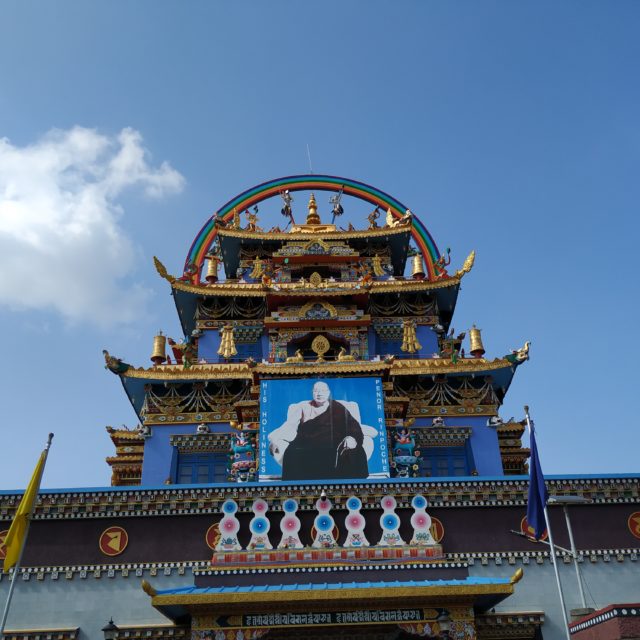
The Namdroling Monastery is a beautiful Buddhist Monastery situated in Bylakuppe. Bylakuppe is the second largest Tibetans settlement in India after Dharamshala. This Buddhist Monastery is one of the most popular tourist places to visit in Coorg.

The Namdroling Monastery is the largest teaching centre of the Nyingma lineage of tibetan buddhism in the world .

We recently visited this temple .located near Coorg this place is an amazing place to visit. We hope that this video will increase your interest towards visiting this temple

https://www.youtube.com/watch?v=FhH8Z3E1xnM&t=70s

How to Reach Namdroling Monastery

The best route to reach Namdroling Monastry is via Mysore.

Bangalore -> Mysore -> Kushalnagar - Bylakuppe -> Namdroling Monastry

Road conditions are very good throughout.

Distance From Coorg: 34 Kms

Distance from Mysore: 90 Kms

Have a nice trip!

You may also like : Five famous temples of Hyderabad

Namdroling Monastery | Golden Temple | Bylakuppe | Karnataka

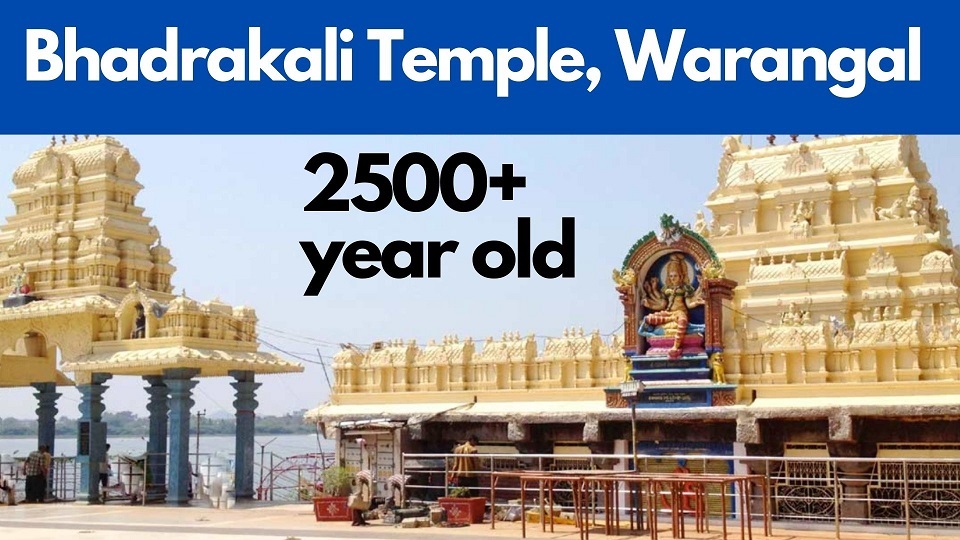
Bhadrakali temple, located at the top of a hill is one of the oldest temple in Warangal, Telengana. Dedicated to goddess Bhadrakali, it is one of the must visit temples if you are in Warangal.

image source

Located on the top of a hill which is in between the city of Warangal and Hanamkonda, this is an ancient temple which was originally built during the Chalukyan reign in 625 AD.

The beautiful Bhadrakali lake is near the temple.

History of Bhadrakali Temple

According to the markings on the temple wall, the temple was built around 625 A.D. by King Pulakeshin II of the Chalukya dynasty to commemorate his victory over the Vengi district of Andhra Desham.

Ganapati deva also constructed a lake near the shrine. The temple lost its popularity after the Kakatiya kingdom fell to the Muslim rulers of Delhi.

By offering the diamond in exchange for not being invaded, the Kakatiyas secured a ceasefire with Allauddin Khilji. Malik Kufur, his slave and confidant, was dispatched to personally transport the gem.

Sri Ganesh Rao Sastri, a devi upasaka, and Gujrati businessman shri Maganlal rebuilt the temple in 1950. B.Sameja. Shri Bhadrakali Temple's founder. In a dream, Bhadrakali Devi blessed Maganlal Sameja and wished for the renovation of the temple.

Natural rock formations around the temple add to the historical and theological significance of the temple, making it a must-see.

However, please note that photography is not allowed inside the shrine. Devotees can only take photos outside the main temple.

Architecture and History of Bhadrakali Temple

Bhadrakali temple is an old temple erected in the style of Chalukyan architecture to commemorate their conquest of the Vengi region.

The Ekanda Shila statue and the temple's pillars depict Chalukyan reign, while the elaborate carvings on the pillars depict Kakatiya reign's excellent craftsmanship.

Goddess Bhadrakali was also considered an ancestral deity by the Kakatiya Kings, who contributed to construct the temple further.

The Bhadrakali Lake was constructed during the reign of the Kakatiyas. During their reign, they built a lake-connected temple. With the fall of the Kakatiya dynasty, the importance of the Warangal Bhadrakali temple waned.

The main diety / goddess at this temple is Goddess Bhadrakali, who is depicted in a sitting pose. She is depicted with eight hands, each holding a weapon, and a crown. The idol is built of stone and stands at a height of 2.7 meters.

A fearsome lion, the Goddess's sacred vehicle, stands opposite the temple's sanctum sanctorum.

There are numerous additional shrines within the temple. Separate temples for Lord Shiva, Hanuman temple, Subramanya Swamy, and Navagrahas, as well as images of Uma Maheshwara on stone, are located in Maha Mandapam.

These are said to be among the oldest carved stone idols of the gods. The Lord Vigneshwara Shrine, which is located outside the main temple, is a relatively new addition.

The temple's deity is known as Goddess Bhadrakali, but the Goddess's image is said to be turned into Tripura Sundari, a unique form that represents the universe's highest feminine power, by the sacred mantras. Tripura Sundari literally translates as "beauty of the three worlds." This condition, which includes Goddess Kali's form, is considered the highest manifestation of Prakriti.

The Bhadrakali Lake, a man-made lake established during the Kakatiya period to serve as a supply of water for irrigation and other purposes, is a compelling element of this temple.

This 2-and-a-half-kilometer-long lake is flanked by hills and adorned with natural rock formations. It provides a serene backdrop that complements the Bhadrakali temple's spiritual aura.

Although Bhadrakali temple is renovated to a large extent, ancient pillars near the Garbha Griha are symbolic of its great history.

Worship based on vedic rituals are performed every day at the temple by the temple priest.

How to reach Bhadrakali temple

The temple is located in Warangal city and is around 5 kms from the railway station.

You can easily get a taxi / auto rickshaw to reach the temple.

Bhadrakali Temple Warangal Address:

Bhadrakali Temple Road, Near Lal Bahadur College, Tadkamalla Village, Warangal, Telangana, 506007, India

Bhadrakali Temple Warangal Temple timings

Warangal Bhadrakali Temple timings for darshan are from 5:30 AM to 1 PM. The temple then again opens for devotees at 3 PM to 8 PM.

Monday5:30 am – 1:00 pm
3:00 pm – 8:00 pm
Tuesday5:30 am – 1:00 pm
3:00 pm – 8:00 pm
Wedesday5:30 am – 1:00 pm
3:00 pm – 8:00 pm
Thursday5:30 am – 1:00 pm
3:00 pm – 8:00 pm
Friday5:30 am – 1:00 pm
3:00 pm – 8:00 pm
Saturday5:30 am – 1:00 pm
3:00 pm – 8:00 pm
Sunday5:30 am – 1:00 pm
3:00 pm – 8:00 pm

Please note that photography is strictly prohibited inside the temple.

you may also like: Thousand Pillar Temple Warangal – Hanamkonda – Warangal Telangana- History, Timings

https://mytempletrips.in/thousand-pillar-temple-warangal-hanamkonda-warangal-telangana-history-timings/
Bhadrakali temple, Warangal -2500+ year old famous temple

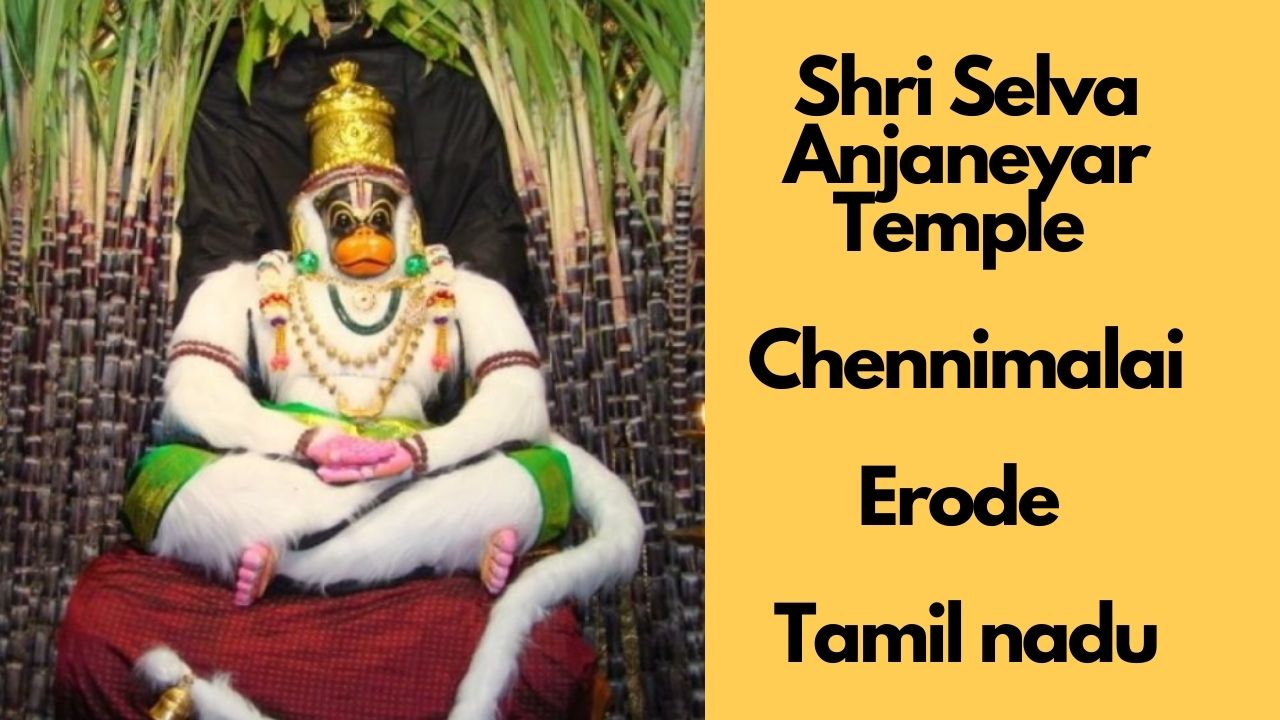
Selva Anjaneyar Temple is located in Chennimalai, Tamil Nadu's Erode district. This temple is thought to be over 500 years old.

Selva Anjaneyar Temple Story

Anjaneya is said to have gone through Chennimalai on his way to find Ma Sita, who was imprisoned in Ravana's Ashoka vatika.

Later, the location where he stayed turned into a rock. This rock serves as the foundation for the current temple.

People began to worship Sri Hanuman fifty years ago, when the idol was placed on the rock.

People have a strong belief that the Panchaloha (five metals) Anjaneya, weighing 650 kg, possesses incredible powers.

There are several Anjaneya temples around the country, the idols are all constructed of stone. This is probably the only temple with a 5.5-foot Panchaloha idol. feet in height It's a temple on top of a hill.

Even greatest poets struggle to depict Sri Anjaneya's majesty, heroism, and devotion to Lord Shri Rama, who had completely devoted himself to his service.

This temple is where he is gracing. When their prayers are answered, devotees offer Tulasi garland, sendura, and butter.

Selva Anjaneyar Temple timings

Morning: 6.00 AM to 11.00 AM / Evening: 4.00 PM to 8.00 PM

Selva Anjaneyar Temple pooja options

  • Vadamala Puja
  • Navagraha Puja
  • Srichakra Puja

Special pujas are performed on the first day of each Tamil month and Sri Rama Navami are celebrated with great enthusiasm.

Importance of the temple

It is said that visiting this temple,

  • Remove fear of death, and the person is blessed with long and happy life
  • Remove negativities in life, bestow peace and harmony on the person
  • Frees the person from past sins and karmas
  • Clear bad effects of Saturn, bless purity and prosperity
  • Remove long patches of struggle, and gain financial stability

How To Reach Sri Selva Anjaneyar Temple, Chennimalai

By Air : Coimbatore Airport is the nearest airport

By Rail: You can reach Erode Railway station and then take a cab from there

By Road : The temple is situated on the Chennimalai-Perundurai Road. Buses from Erode bound to Palani and Darapuram pass through the temple. There are also town bus facilities from Kangayam and Perundurai.

Sri Selva Anjaneyar Temple Temple Address and contact details

Sri Selva Anjaneyar Temple,
Mariappanagar, Chennimalai,
Erode district, Tamil Nadu,
Pincode - 638051.

Temple Shlokas

Mano-Javam Maaruta-Tulya-Vegam
Jite Indriyam Buddhi-Mataam Varissttha |
Vaata-Atmajam Vaanara-Yuutha-Mukhyam
Shriiraama-Duutam Sharannam Prapadye |

I bow my head to salute Rama's messenger, who has won over His mind, who is as fast as the wind, who has mastered his organs, who is the most knowledgeable, who is the wind God's son, and who leads as the chief in the army of monkeys.

Anjaneya Madhi Paatalaananam, Kanjanaadri Kamaneeya Vigraham, Paarijatha Tharu Moola Vaasinam, Bhaavayami Bhava mana Nandanam

bow before the wind God's darling son, Anjana's son, the great killer of ogres, who is handsome and like a golden mountain, who lives near Parijatha tree's roots.

Divya Mangala Dehaaya Peethambara Dharayacha Thaptha Kanchana Varnaaya Mangalam Shri Hanumathey

Oh Lord Hanuman who has a mystical form, who adorns a silk garment in yellow and who looks similar to molten gold, let thy be auspiciousness.

Anjana Nandanam Veeram Janaki Soka Naasanam, Kapeesa Maksha Hantharam, Vandhe Lanka Bhayankaram

We salute Lanka's horror, Anjana's brave son, who ended Sita's sorrows, the ruler of monkeys and the one who killed Aksha, Ravana's son.


You may also like: Hanuman Chalisa – Hanuman Chalisa Lyrics

https://mytempletrips.in/hanuman-chalisa-hanuman-chalisa-lyrics/
Shri Selva Anjaneyar Temple at Chennimalai Erode – Tamil nadu

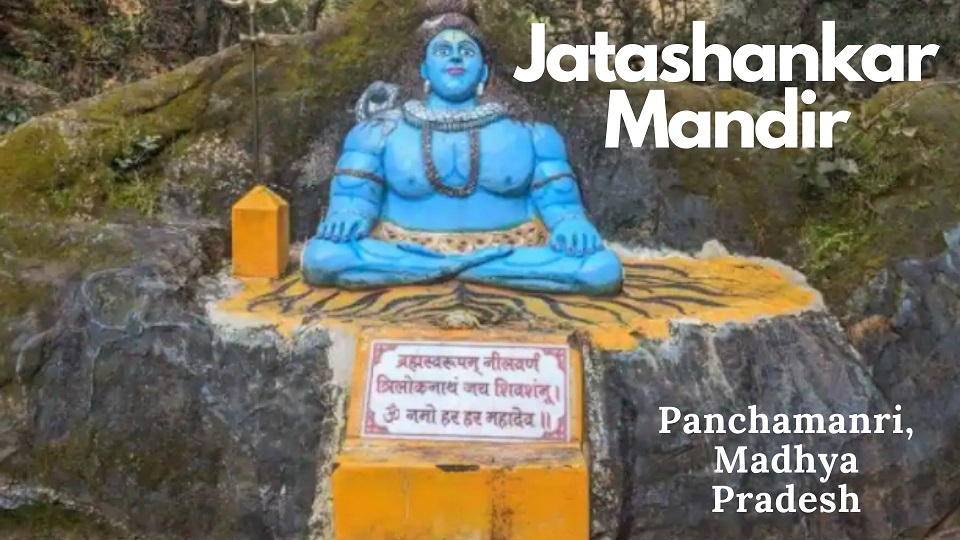
Jatashankar Mandir - Jatashankar is a natural cave and Hindu shrine in the Hoshangabad district of Madhya Pradesh, India, located north of Pachmarhi.

The cave is nestled in a deep gully with massive boulders jutting out above it. Stalagmites revered as organically created lingams can be found in the cave.

Jatashankar Cave is a prominent pilgrimage site that serves as a shrine to the Hindu god Shiva. Shankar is another name for Lord Shiva, while Jata signifies hair.

There are two sorts of ponds in the area, one with cold water and the other with hot water, both fed by springs.

There are 108 Shiva lingams spontaneously formed inside the cave. The cave's water originates from an unknown source, as no one has ever seen or accessed it.

The Gupt Ganga is the name given to this stream of water. The Jambu Dwip stream is thought to have its origins in a cave. Lord Shankar, Goddess Parvati, and the Shiva lingam are housed on a platform in the cave's upper level.

Legend of Jatashankar Mandir pachmarhi madhya pradesh

The legend goes that the Bhasmasur was a devotee of Shiva and wanted to get a special ability – to turn anyone in ashes by touching the head of the victim by hand.

After long entreating Shiva agreed. But now the former devotee turned into the enemy – Bhasmasur wanted to test this ability on Shiva first. Shiva escaped through a tunnel from Tilak Sindur and finally reached remote cave – Jata Shankar. While running through the cave, he lost his hair.

Jatashankar Temple Timings

The Jatashankar Temple is open on all seven days and is open from 7 A.M. to 7 P.M.

The temple is open through out the year and is open even on holidays

What are the Festivals celebrated at the Jatashankar Temple

The most important event observed in Jatashankar Mandir is Maha Shivaratri. Pilgrims from all over India come on this day to perform pooja and seek the Almighty's blessings.

It is mainly celebrated in the months of February or March, when people fast and celebrate the event with tremendous zeal.

In the hill station of Pachmarhi, there is an annual fair held around the Shivaratri festival. This fair attracts a large population who come to seek Lord Shiva's blessings.

Jatashankar Mandir Address

Address : Jatashankar Rd, Pachmarhi, Madhya Pradesh 461881

How to reach Jatashankar Mandir

By Train: 51.7 KM away from Pipariya Railway Station
By Air: 221 KM away from Raja Bhoj Airport

Railway Address :Pipariya Railway Station, Madhya Pradesh State Highway 19, Pipariya, Madhya Pradesh 461775
Airport Address :Raja Bhoj Airport, Airport Rd, Gandhi Nagar, Bhopal, Madhya Pradesh 462036


You may also like: The Hadimba Devi Temple, Manali – A temple from Mahabharata times

https://mytempletrips.in/the-hadimba-devi-temple-manali-a-temple-from-mahabharata-times/
Jatashankar Mandir – Jatashankar pachmarhi madhya pradesh

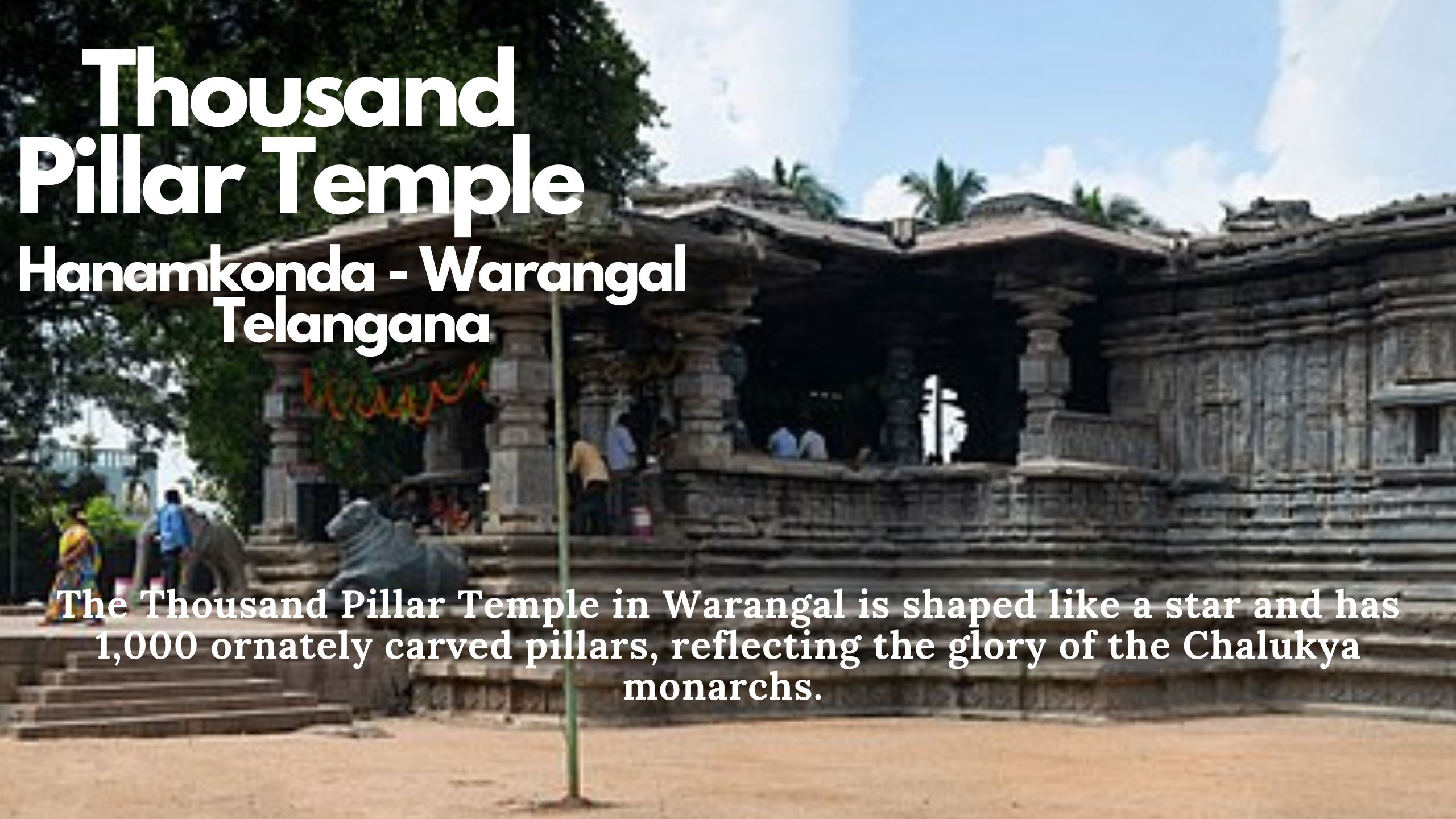
The Thousand Pillar Temple is located in Warangal's Hanamkonda neighborhood. It is also called as Rudreswara Swamy Temple.

Thousands of devotees of all faiths flock to pay their respects at the Thousand Pillar Temple, which is a renowned pilgrimage destination. This article is about information about thousand pillar temple.

Thousand pillar temple hanamkonda, telangana

The thousand pillar temple in warangal has a long and illustrious history, dating back to the Chalukyan dynasty.

image courtesy - Wikipedia

The Thousand Pillar Temple in Warangal is shaped like a star and has 1,000 ornately carved pillars, reflecting the glory of the Chalukya monarchs.

Who built 1000 Pillar Temple ?

The temple, which was built in 1163 A.D. by King Rudra Deva in a typical Chalukyan style of architecture, consists of three concentric shrines dedicated to Lord Shiva, Lord Vishnu, and Lord Surya.

Thousand pillar temple history

The temple was built during King Rudradeva's reign in 1163 AD and is considered a masterpiece of Vishwakarma sthapathis of the Kakatiya empire.

The architectural style of the Thousand Pillar Temple is similar to that of Chalukyan temples. It is known as Sri Rudreshwara Swamy Temple and is said to be named after King Rudra Deva.

Thousand Pillar Temple Warangal Architecture 

The Temple has been constructed at the base of the Hanamkonda hill.

As the name implies, there are a thousand finely carved pillars of all sizes and shapes. The main temple's pillars are tightly intertwined and form the parapet.

Aside from the ornately carved pillars, the temple features delicate smokescreens, dazzling brickwork, and intricate and detailed sculptures that will captivate you.

Trikutalayam is the name given to the combination of the temple's three shrines, which are dedicated to Lord Shiva, Lord Vishnu, and Lord Surya.

Shiva's shrine is on the east side of the three shrines, while the others are on the south and west sides. The Kakatiyas wanted the early morning sun rays to fall squarely on Shiva Lingam because they were big worshippers of Lord Shiva.

Shiva's sacred bull, Nandi, stands on the fourth side of the Temple. It was cut out of a monolithic black stone and is a stunning work of art.

image courtesy - Wikipedia

The Thousand Pillar Temple's Nandi faces east, as opposed to the majority of Nandis in Indian temples, which face west.

The ‘Natya Mandapam,' which is enclosed inside these four corners, is where dancers perform. The pillars that support this temple's deepest chamber are massive and made up of several stone blocks.

The Thousand Pillar Temple's vast lawn is surrounded by several modest shrines dedicated to Lord Shiva.

Elephants carved into the rock on both sides of the temple entryway are magnificent symbols.

The Archaeological Survey of India is now maintaining the temple, which has been designated as one of India's protected sites.

Thousand pillar temple warangal timings

# Day of the week Thousand pillar temple timings
Monday6:00 am – 8:00 pm
Tuesday6:00 am – 8:00 pm
Wedesday6:00 am – 8:00 pm
Thursday6:00 am – 8:00 pm
Friday6:00 am – 8:00 pm
Saturday6:00 am – 8:00 pm
Sunday6:00 am – 8:00 pm

This temple was repaired by the Government of India in 2004 and is now under the Archaeological Survey of India. It has been designated as a national monument.

The temple is well-maintained and this adds to its appeal. As you enter the temple compound, you are greeted by a lovely green lawn.

How to reach Thousand Pillar Temple Warangal

The temple is quite easy to reach. You need to reach Warangal first.

Warangal to thousand pillar temple distance

Warangal railway station is about 6 kilometers away from the Temple. Tourists can hire an auto rickshaw from the station and arrive in a few minutes.

You can also hire a taxi or take advantage of the city buses, which run on a regular basis.

Hyderabad to the temple distance

3 hr 3 min (144.6 km) via NH163


You may also like: Manu Temple Manali – Temple dedicated to Sage Manu the writer of Manusmriti

https://mytempletrips.in/manu-temple-manali-temple-dedicated-to-sage-manu/
Thousand Pillar Temple Warangal – Hanamkonda – Warangal Telangana- History, Timings

Satyanarayan Bhagwan ki Aarti - Friends, please find Shri satyanarayan aarti lyrics in hindi , satyanarayan aarti lyrics in english and Shri Ramchandra aarti lyrics !

Satyanarayan Bhagwan ki Aarti - satyanarayan aarti lyrics in hindi

ॐ जय लक्ष्मीरमणा स्वामी जय लक्ष्मीरमणा |
सत्यनारायण स्वामी ,जन पातक हरणा || जय लक्ष्मीरमणा

रत्नजडित सिंहासन , अद्भुत छवि राजें |
नारद करत निरतंर घंटा ध्वनी बाजें ॥
ॐ जय लक्ष्मीरमणा स्वामी....

प्रकट भयें कलिकारण ,द्विज को दरस दियो |
बूढों ब्राम्हण बनके ,कंचन महल कियों ॥
ॐ जय लक्ष्मीरमणा स्वामी.....

दुर्बल भील कठार, जिन पर कृपा करी |
च्रंदचूड एक राजा तिनकी विपत्ति हरी ॥
ॐ जय लक्ष्मीरमणा स्वामी.....

वैश्य मनोरथ पायों ,श्रद्धा तज दिन्ही |
सो फल भोग्यों प्रभूजी , फेर स्तुति किन्ही ॥
ॐ जय लक्ष्मीरमणा स्वामी.....

भाव भक्ति के कारन .छिन छिन रुप धरें |
श्रद्धा धारण किन्ही ,तिनके काज सरें ॥
ॐ जय लक्ष्मीरमणा स्वामी…..

ग्वाल बाल संग राजा ,वन में भक्ति करि |
मनवांचित फल दिन्हो ,दीन दयालु हरि ॥
ॐ जय लक्ष्मीरमणा स्वामी…..

चढत प्रसाद सवायों ,दली फल मेवा |
धूप दीप तुलसी से राजी सत्य देवा ॥
ॐ जय लक्ष्मीरमणा स्वामी…..

सत्यनारायणजी की आरती जो कोई नर गावे |
ऋद्धि सिद्धी सुख संपत्ति सहज रुप पावे ॥
ॐ जय लक्ष्मीरमणा स्वामी…..

ॐ जय लक्ष्मीरमणा स्वामी जय लक्ष्मीरमणा|
सत्यनारायण स्वामी ,जन पातक हरणा ॥ जय लक्ष्मीरमणा


Satyanarayan Bhagwan ki Aarti - satyanarayan aarti lyrics in english

Om Jai Lakshmi Ramana, Swami Jai Lashmi Ramana |
Satyanarayan Swami, Satyanarayan Swami, Jan Patak Harana || Jai Lakshmi Ramana

Ratan Ja Rat Singhasan, Adhbut Chabee Rajey, Swami Adhbut Chabee Rajey |
Narad Kahat Niranjan, Narad Kahat Niranjan, Ghanta dhun bhajey ||
Jai Lakshmi Ramana

Pragat Bhaye Kali Karan, Dwij Ko Daras Diya Swami Dwij Ko Daras Diya |
Budha Brahman Bankey, Budha Brahman Bankey, Kanchan Mahal Kiya ||
Jai Lakshmi Ramana

Durbal Bhil Kathier, Jan Par Kripa Karey Swami Jan Par Kripa Karey |
Chandra Choor Ik Raja, Chandra Choor Ik Raja, Jinaki Vipat Hare ||
Jai Lakshmi Ramana

Vaishya Manorath Payo, Shradha Uj Dini Swami Shradha Uj Dini |
So Fal Bhogyo Prabhuji, So Fal Bhogyo Prabhuji, Fer Ustati Kini ||
Jai Lakshmi Ramana

Bhav Bhakti Ke Karan, Chhin Chhin Roop Dharya Swami Chhin Chhin Roop Dharya |
Sharda Dharan Kini, Sharda Dharan Kini, Tin Ka Karj Sarya ||
Jai Lakshmi Ramana

Gwal Bal Sang Raja, Ban Mein Bhagti Karey Swami Ban Mein Bhagti Karey |
Man Vanchit Fal Dino, Man Vanchit Fal Dino, Deen Dayal Harey ||
Jai Lakshmi Ramana

Charhat Prasad Sawayo, Kadali Fal Mewa Swami Kadali Fal Mewa |
Doop Deep Tulsi Se, Doop Deep Tulsi Se, Raje Sat Deva||
Jai Lakshmi Ramana

Shri Satya Narayan Ji Ki Aarti jo koi gaa~vey Swami jo koi gaa~vey |
Kahat Shivanand Swami, Kahat Shivanand Swami Man Vanchhit Fal Pave ||
Jai Lakshmi Ramana

Om Jai Lakshmi Ramana, Swami Jai Lashmi Ramana |
Satyanarayan Swami, Satyanarayan Swami, Jan Patak Harana || Jai Lakshmi Ramana


Beautiful Bhagwan Shri Satyanarayan Phtoframe for you:


shri ramchandra ji ki aarti - shri ram chandra aarti lyrics in hindi

आरती कीजै राजा रामचन्‍द्र जी के

हरिहर भक्ति का रघु संतन सुख दीजै हो।

आरती कीजै राजा रामचन्‍द्र जी के

हरिहर भक्ति का रघु संतन सुख दीजै हो।

पहली आरती पुष्‍प की माला

पहली आरती पुष्‍प की माला

पुष्‍प की माला हरिहर पुष्‍प की माला

कालिय नाग नाथ लाये कृष्‍ण गोपाला हो।

आरती कीजै राजा रामचन्‍द्र जी के

हरिहर भक्ति का रघु संतन सुख दीजै हो।

दूसरी आरती देवकी नन्‍दन

दूसरी आरती देवकी नन्‍दन

देवकी नन्‍दन हरिहर देवकी नन्‍दन

भक्‍त उबारे असुर निकन्‍दन हो

आरती कीजै राजा रामचन्‍द्र जी के

हरिहर भक्ति का रघु संतन सुख दीजै हो।

तीसरी आरती त्रिभुवन मोहे  

तीसरी आरती त्रिभुवन मोहे

त्रिभुवन मोहे हरिहर त्रिभुवन मोहे हो

गरुण सिंहासन राजा रामचन्‍द्र शोभै हो

आरती कीजै राजा रामचन्‍द्र जी के

हरिहर भक्ति का रघु संतन सुख दीजै हो।

चौथी आरती चहुँ युग पूजा

चौथी आरती चहुँ युग पूजा

चहुँ युग पूजा हरिहर चहुँ युग पूजा

चहुँ ओरा राम नाम अउरु न दूजा हो

आरती कीजै राजा रामचन्‍द्र जी के

हरिहर भक्ति का रघु संतन सुख दीजै हो।

पंचम आरती रामजी के भावै

पंचम आरती रामजी के भावै

रामजी के भावै हरिहर रामजी के भावै

रामनाम गावै परमपद पावौ हो

आरती कीजै राजा रामचन्‍द्र जी के

हरिहर भक्ति का रघु संतन सुख दीजै हो।

षष्‍ठम आरती लक्ष्‍मण भ्राता

षष्‍ठम आरती लक्ष्‍मण भ्राता

लक्ष्‍मण भ्राता हरिहर लक्ष्‍मण भ्राता

आरती उतारे कौशिल्‍या माता हो

आरती कीजै राजा रामचन्‍द्र जी के

हरिहर भक्ति का रघु संतन सुख दीजै हो।

सप्‍तम आरती ऐसो तैसो

सप्‍तम आरती ऐसो तैसो

ऐसो तैसो हरिहर ऐसो तैसो

ध्रुव प्रहलाद विभीषण जैसो हो

आरती कीजै राजा रामचन्‍द्र जी के

हरिहर भक्ति का रघु संतन सुख दीजै हो।

अष्‍टम आरती लंका सिधारे

अष्‍टम आरती लंका सिधारे

लंका सिधारे हरिहर लंका सिधारे

रावन मारे विभीषण तारे हो

आरती कीजै राजा रामचन्‍द्र जी के

हरिहर भक्ति का रघु संतन सुख दीजै हो।

नवम आरती वामन देवा

नवम आरती वामन देवा

वामन देवा हरिहर वामन देवा

बलि के द्वारे करें हरि सेवा हो

आरती कीजै राजा रामचन्‍द्र जी के

हरिहर भक्ति का रघु संतन सुख दीजै हो।

कंचन थाल कपूर की बाती

कंचन थाल कपूर की बाती

कपूर की बाती हरिहर कपूर की बाती

जगमग ज्‍योति जले सारी राती हो

आरती कीजै राजा रामचन्‍द्र जी के

हरिहर भक्ति का रघु संतन सुख दीजै हो।

तुलसी के पात्र कण्‍ठ मन हीरा

तुलसी के पात्र कण्‍ठ मन हीरा

कण्‍ठ मन हीरा हरिहर कण्‍ठ मन हीरा

हुलसि हुलसि गये दास कबीरा हो

आरती कीजै राजा रामचन्‍द्र जी के

हरिहर भक्ति का रघु संतन सुख दीजै हो।

जो राजा रामजी के आरती गावै

जो राजा रामजी के आरती गावै

आरती गावै हरिहर आरती गावै

बैठ बैकुण्‍ठ परम पद पावै हो

आरती कीजै राजा रामचन्‍द्र जी के

हरिहर भक्ति का रघु संतन सुख दीजै हो।


Satyanarayan Bhagwan ki Aarti – सत्यनारायण भगवान जी की आरती ( satyanarayan aarti lyrics in hindi )

The Hadimba Devi Temple is a well-known Hindu shrine in Himachal Pradesh, dedicated to Bhima's ( one of the Pandava's ) wife.

Hadimba Devi Temple is also known as Hidimba Devi temple as she is called in our ancient texts.

Hadimba temple history

The temple was built by Maharaja Bahadur Singh in the year 1553.

From ancient times, it has been a cave temple and was dedicated to Hidimbi , who was sister of Hidimba. It is said that Hidimba did meditation here.

The Hadimba Devi Temple

image source

Hidimba was born into a Rakshasa family, but Hidimba vowed to marry one who would defeat her brother Hidimb ( also called as Hidimba ). Hidimb was supposed to be very brave and fearless.

And hence you can say that the Hadimba Temple is associated with our great epic, the Mahabharata. The Hadimba Temple is built to pay homage to Devi Hadimba.

As per the legendary Indian epic Mahabharata, the Pandavas stayed in Himachal Pradesh during their exile.

During a fight between Hidimb and Bheem, Bheema defeated and killed Hidimb and hence Bhima and Hidimba's sister, Hidimbi, then got married and had a son, Ghatotkacha.

When Bhima and his brothers returned from exile, Hidimbi did not accompany him, but stayed back and did tapasya (a combination of meditation, prayer, and penance).

She eventually attained the status of a goddess .

Construction of Hidimba Devi temple

This temple is constructed in pagoda style. The temple displays the finest example of wood carvings on it.

The Hadimba Temple's roof, which is in the shape of a four-tiered pagoda, is a unique feature. The temple swaggers as well, thanks to its ornately carved wooden entryway.

Every year in May, a fair is held at Hadimba's temple. During Dussehra, another fair is held. Hidimba Devi's temple is centered around a cave where Hidimba practiced mediation.

Its sanctuary is erected over a rocky cleft covered by a big rock that is regarded as a manifestation of goddess Durga, and it also houses an image of the deity.

In the Hidimbi Devi Temple, there are intricately carved wood doors and a 24 meter tall wooden "shikhar." Three square roofs covered in timber tiles and a fourth brass cone-shaped roof at the summit make up the tower.

The main door carvings depict the earth goddess Durga in many forms. The temple's base was constructed utilizing whitewashed and mud-covered stonework. Because of its location, it is known as Dhungri Temple.

A shrine dedicated to Goddess Hidimba's son, Ghatotkacha, who was born after she married Bhima, is located about 70 meters from the temple.

The most startling element of the temple, or what believers may call the most reassuring characteristic of the temple, is that the imprint of the Goddess's feet etched on a block of stone is worshipped inside the temple.

Hadimba temple timings ( hidimba devi temple timings )

Below are the hidimba devi temple timings

8 AM to 6 PM - open all days in a week

How to reach Hadimba Temple?

Hidimba Devi temple is located in Manali and is just 100 m from the main Mall Road and you can say that it is around 2Km from the Manali town.

From Manali town bus stand you can easily get a taxi or public transport. The nearest railway station is Joginder Nagar Railway station and if you are coming from train, you need to get down at Joginder Nagar Railway Station.

From railway station as well, the temple is around 2Kms and hence you can take auto, taxi or public transport from there.


You may also like: Manu Temple Manali – Temple dedicated to Sage Manu the writer of Manusmriti

https://mytempletrips.in/manu-temple-manali-temple-dedicated-to-sage-manu/
The Hadimba Devi Temple, Manali – A temple from Mahabharata times

Sri Mangalanathar Mangaleswari Temple at Utharakosamangai also called as Uthirakosamangai temple in Ramanathapuram district of Tamil Nadu.

Mangalanatha Swamy temple, is a Shiva temple in the Ramanathapuram district which is an ancient temple , and the current construction is thought to have been built at various periods by Pandya rulers, Achutappa Nayak (1529–1542 CE), Muthuveerappar, and other Ramanthapuram monarchs.


The hymns of 9th-century saint Manickavasagar and 15th-century saint Arunagirinathar have exalted the shrine.

The temple is considered very sacred!

Uthirakosamangai temple - 2000 year old, Sri Mangalanathar Mangaleswari Temple, Ramanathapuram

image source

Uthirakosamangai temple timings

Sri Mangalanathar Mangaleswari Temple is open from morning 6.00 AM to 11.00 AM and then from 4.00 PM to evening 8.00 PM.

Uthirakosamangai temple address

The famous Mangalanathar temple is near Ramnathapuram in Tamil Nadu. Below is the temple address:

Ramanathapuram Road, Utrakosamangai, Ramnathapuram Dsitrict Tamil Nadu 623533

image source

Uthirakosamangai temple contact number

Below are the contact numbers which are available on internet. Request you to verify it once.

+91 4567221213 , +91 9442757691

Uthirakosamangai temple history

According to the legends, Mandodhari (wife of the Lanka Samrat Ravana) was very adamant that she would marry only a Shiva devotee.

And hence, she went to Lord Shiva and prayed to him. Lord Shiva ordered the sages at the ashram to take care of one of the veda writings (Agamas) and promised to deliver it to him when he returned. And he came to grace Mandodhari,

Lord Shiva then appeared before Mandodhari as a child. Ravana who came there touched the child as he knew that the child was Lord Shiva.

Lord Shiva tested Ravana by changing himself into fire form. And because of this all the places around the world caught in this fire.

But the sages failed to protect the book and died. But, sage Manickavasagar courageously withstood the fire and saved the book.

Then Lord graced Mandodhari’s wish and Mandodhari married Ravana.

Lord Shiva changed sage Manickavasagar into Shiv Linga and it is said that the sage is still in this temple in the Linga form.

Also There is a 6 ft (1.8 m) tall maragatha Nataraja idol carved out of emerald inside the temple.

The temple has a seven-tiered rajagopuram. There are separate shrines for Mangalanathar in the form of linga. A hall of Saharasralinga has thousand linga enshrined in it.

The temple is considered very sacred along with Ramanathapuram, Sethu Madhava Theertham and Lakshmana Theertham.

The emerald image of Nataraja is anointed with sandal paste round the year except on Tiruvathidirai festival day when special worship is done.

It is believed that even small vibrations can damage the image and hence no percussion instruments are used during worship.

The front hall has linga made of spatika, that is anointed with cooked rice every afternoon.

There is another nice story associated with this temple.

As per Hindu legend, one upon a time, Lord Vishnu and Lord Brahma contested for superiority. Then Lord Shiva appeared as a flame, and challenged them to find his source.

Brahma took the form of a swan, and flew to the sky to see the top of the flame, while Vishnu became the boar Varaha, and tried to find its base.

Neither Brahma nor Vishnu could find the source. Lord Vishnu conceded his defeat. But Lord Brahma lied with the help of a thazhamboo (a flower) and said he had found the pinnacle.

As a punishment, Shiva ordained that there will not be any temple on earth dedicated to Lord Bhramha and that all Shiva temples will not use thazhamboo for worship.

But this is one temple, where thazhamboo is allowed for worship . Manickavasagar, the 9th century Tamil saivite saint poet and nayanar has revered Mangalanathar and the temple in his verses in Tevaram, compiled as the fifth Tirumurai.

Arunagirinatha, a 15th-century Tamil poet has composed Tamil hymns which glorifies Subramanya in the temple.

As per Hindu legend, Subramanya was awarded the Airavata (white elephant) of celestial deity Indra at this place.

Uthiram means - upadesam (teaching) and Kosam means rahasiyam (secret) and mangai means Ma Parvathi.

It is the place where Lord Shiva taught the secrets of veda to Parvathi and it is the place where Lord shiva gave dharshan to saint Sri Manikavasagar.

It is believed that Goddess Parvathi is worshipping Lord Shiva here. This temple is mentioned in 38 places in Thiruvasagam , the famous Shiva hymn.

How to reach Uthirakosamangai

Ramanathapuram has a railway station and is well connected to the major cities of the Country via Express / Passenger Trains.

Ramnathapuram has bus station which is well connected to major parts of Tamil Nadu.

You can also reach Uthirakosamangai via train or bus from Chennai or Madurai.

Other nearest railway station- (SRT)SATUR , (VPT)VIRUDUNAGAR JN, (CVP)KOVILPATTI

  • Thirupullani to uthirakosamangai distance - Around 10 Kms
  • Ramanathapuram to uthirakosamangai distance - Around 20 Kms, 30 mins of driving time
  • Chennai to uthirakosamangai distance - Around 540 Kms , 10 to 12 hrs of travel time
  • Bangalore to uthirakosamangai distance - Around 550 Ks , around 11 to 12 hours of travel time.
  • Hyderabad to uthirakosamangai distance - Around 1100 Kms
  • Rameshwaram to uthirakosamangai distance - Around 80 Kms 3 to 4 hrs of drive.

Uthirakosamangai temple – 2000 year old, Sri Mangalanathar Mangaleswari Temple, Ramanathapuram

Shri Durga Aarti : For all the devotees for Ma Durga, friends find below Ma Durga Aarti - Jai Ambe Gauri.  

Ma Durga, the reincarnation of ‘Shakti’. Also known by many other names like - Ma Parvati, Ma Ambe. Every year 2 times during navaratri, Ma Durga's 9 different forms are worshipped. For all the devotees of Ma Durga, please find below Shri Durga Aarti both in Hindi and English Script.

Jai Ambe Gauri - Maa Durga ji ki Aarti

Shri Durga Aarti - Jai Ambe Gauri - मां दुर्गा जी की आरती

Please find Lyrics of Ma Durga Aarti - Om Jai Ambe Gauri in Hindi and English

जय अम्बे गौरी मैया जय श्यामा गौरी ।
तुमको निशिदिन ध्यावत हरि ब्रह्मा शिव री ॥टेक॥
Jai ambe gauri, mayya jai shyama gauri
Tumko nish-din dhyavat, hari brahma shivji
Jai ambe gauri
मांग सिंदूर बिराजत टीको मृगमद को ।
उज्ज्वल से दोउ नैना चंद्रबदन नीको ॥जय अम्बे गौरी॥
Maang sindoor virajat, tiko mrig-mad ko
Ujjwal se dou naina, chandra vadan niko ॥ Jai ambe gauri ॥
कनक समान कलेवर रक्ताम्बर राजै।
रक्तपुष्प गल माला कंठन पर साजै
॥जय अम्बे गौरी॥
Kanak samaan kalewar, raktaambar raaje
Rakt pushp gal-mala, kanthan par saaje ॥ Jai ambe gauri ॥
केहरि वाहन राजत खड्ग खप्परधारी ।
सुर-नर मुनिजन सेवत तिनके दुःखहारी ॥जय अम्बे गौरी॥
Kehri vahan rajat, kharag khapar dhaari
Sur nar muni jan sevat, tinke dukh haari ॥ Jai ambe gauri ॥
कानन कुण्डल शोभित नासाग्रे मोती ।
कोटिक चंद्र दिवाकर राजत समज्योति ॥जय अम्बे गौरी॥
Kanan kundal shobhit, naas-agre moti
Kotik chandra divakar, sum rajat jyoti ॥ Jai ambe gauri ॥
शुम्भ निशुम्भ बिडारे महिषासुर घाती ।
धूम्र विलोचन नैना निशिदिन मदमाती ॥जय अम्बे गौरी॥
Shumbh ni-shumbh vidare, mahisha sur ghati
Dhumra-vilochan naina, nish-din- mad mati ॥ Jai ambe gauri ॥
चण्ड मुंड संघारे शोणित बीज हरे।
मधु कैटभ दाऊ मारे, सुर भयहीन करे।
॥जय अम्बे गौरी॥
Chandh mundh sangh-haare, shonit beej hare
Madhu kaitabh dou maare, sur bhe heen kare ॥ Jai ambe gauri ॥
भ्राम्हणी रुद्राणी तुम कमला रानी। आगम निगम बखानी , तुम शिव पटरानी।
॥जय अम्बे गौरी॥
Brahmani rudrani, tum kamla rani
Aagam nigam bakhani, tum shiv patrani ॥ Jai ambe gauri ॥
चौंसठ योगिनि मंगल गावैं नृत्य करत भैरू।
बाजत ताल मृदंगा अरू बाजत डमरू ॥जय अम्बे गौरी॥
Chon-sath yogini gavat, nritya karat bhairon
Baajat taal mridanga, aur baajat damaroomaroo ॥ Jai ambe gauri ॥
तुम ही जग की माता , तुम ही हो भरता।
भक्तों की दुःख हारता , सुख संपत्ति करता
॥जय अम्बे गौरी॥
Tum hi jag ki maata, tum hi ho bharta
Bhakto ki dukh harata, sukh sampati karata ॥ Jai ambe gauri ॥
भुजा चार अति शोभित खड्ग खप्परधारी।
मनवांछित फल पावत सेवत नर नारी ॥जय अम्बे गौरी॥
Bhuja chaar ati shobit, var mudra dhaari
Man vaanchit phal pavat, sevat nar naari ॥ Jai ambe gauri ॥
कंचन थाल विराजत अगर कपूर बाती ।
श्री मालकेतु में राजत कोटि रतन ज्योति ॥जय अम्बे गौरी॥
Kanchan thaal virajat, agar kapoor baati
Shri maal-ketu me rajat, kotik ratan jyoti
॥ Jai ambe gauri ॥
श्री अम्बे माँ की आरती जो कोई नर गावै ।
कहत शिवानंद स्वामी सुख-सम्पत्ति पावै ॥जय अम्बे गौरी॥
Shri ambe-ma-ki aaarti, jo koi nar gaave
Kahat shivanand swami, sukh sampati pave ॥ Jai ambe gauri ॥

Anuradha Paudwal Jai Ambe Gauri - on youtube

https://www.youtube.com/watch?v=Iyki_pDrOUM

More from mytempletrips

You will also like below:

Ma Durga Kavach in Hindi – Durga Kavach hindi & sanskrit text

https://mytempletrips.in/ma-durga-kavach-in-hindi-durga-kavach-hindi-text/

Shri Durga Chalisa in hindi – श्री दुर्गा चालीसा

https://mytempletrips.in/shri-durga-chalisa-in-hindi/
Durga Aarti – Jai Ambe Gauri – मां दुर्गा जी की आरती

Baijnath Himachal Pradesh has the famous Baba Baijnath Dham, also known as baijnath shiv temple, a famous temple dedicated to Lord Shiva.

Baijnath - The adobe baba baijnath dham

Baijnath was Originally known as Kiragrama. Baijnath town lies on Pathankot-Chakki-Manali highway (National Highway No. 20) which is midway between Kangra and Mandi.

Baijnath Dham Himachal Pradesh

image source

The town is called as Baijnath and became popular after the name of the temple. The town is located on the left bank of the river Binwa, ( in ancient times the river was known as Binduka, a tributary of river Beas )

Baba Baijnath dham Story ( Baijnath ki katha )

According to local legens, Ravana is said to have worshipped Lord Shiva in the Kailash during the Treta Yug in order to gain invincible abilities.

To please Lord Shiva he offered his ten heads in the havan kund . Ravana's extraordinary deed influenced Lord Shiva, who not only restored his heads but also conferred invincibility and immortality upon him.

image source

After obtaining this unparalleled boon, Ravana requested Lord Shiva to accompany him to Lanka . Shiva agreed to Ravana's request and transformed himself into Shivling.

Lord Shiva instructed him to carry the Shivling and warned him not to set it down on the ground on his journey. Ravana began his journey towards Lanka and arrived in Baijnath, where he felt compelled to respond to nature's call.

When Ravana saw a shepherd, he handed over the Shivling to him and went away to relieve himself.

When the shepherd discovered the Shivling was quite heavy, he placed it on the ground, and the Shivling became settled there, taking the form of Ardhnarishwar (God in form of Half Male & Half Female).


There is a similar story behind the Gokarna temple ( In Karnataka). But then these local legends are many a times similar in nature. You can read the story here.

https://mytempletrips.in/sri-mahabaleshwar-temple-gokarna-temple-karnatka/

Some interesting facts about baijnath temple Himachal Pradesh

  • The Dussehra festival, in which the effigy of Ravana is customarily burned to flames, is not held in Baijnath as a symbol of respect for Ravana's devotion to Lord Shiva.
  • Another unusual feature in Baijnath is the lack of goldsmith stores.

image source

How to reach baijnath shiv temple

Shri baijnath shiv temple is very near to Palampur and Kangra.

How to reach Baba Baijnath Dham by Road:

From Dehli to Baijnath it is 480 Kms via NH44 and will take around 19 hrs if you drive by your own.

Chandigarh to Baijnath is around 250 Kms via NH503 and it will take around 6 to 7 hrs if you drive on your own.

Shimla to Baijnath - 205 Kms again around 6 hrs of drive.

There are regular bus service to Baijnath from Delhi, Chandīgarh, Shimla etc

How to reach Baijnath Shiv Mandir by Train:

Baijnath has a railway station - it is called as Baijnath Mandri Railway Station - BJMR

Trains passing through Baijnath Mandir Rauilway Station:

Name NumberFromToDays
PTK-JDNX PASS52471PathankotJoginder NagarALL
JDNX-PTK PASSNGER52472Joginder NagarPathankotALL
PTK-JDNX PASSANGER52473PathankotJoginder NagarALL
JDNX-PTK PASSNGER52474Joginder NagarPathankotALL
SVDK GKP SPL4602Joginder NagarPathankotALL

How to reach Baijnath Shiv Mandir by Air:

So if you are travelling by Air, the best way is to reach Shimla, Chandigarh, Delhi first and then take a cab, or bus or train.

From Delhi/ Chandigarh you can go to Pathankot first and then take one of the trains or you can check if there are direct trains from Chandigarh or Delhi.

Places to visit near Baba Baijnath Dham

There are many other places which can be visited if you are visiting Baijnath. Please have a look at the list below:

  • Mukut Nath as Sansal ( 6 km)
  • Awahi Nag temple ( 2 Kms)
  • Mahakal Temple ( 5 Km)
  • Sherabling ( Tibetan Monastery ) ( 5 km)
  • Bir ( 14 km)
  • Bling ( 14 km) - World famous paragliding spot

Baijnath – Famous for Baba Baijnath Dham Himachal Pradesh

Chokkanathaswamy temple Domlur is one of the oldest temples in the city of Bengaluru, the IT city of India. The temple dates back to the Chola period , that is around 10th century AD.

Where is Domlur Chokkanathaswamy temple ?

Domlur is a locality in Bangalore ( namma Bengaluru ). It is very near to IT corridor. The temple is situated in Domlur and hence people also call it as Domlur Chokkanathaswamy temple.

Chokkanathaswamy temple Domlur

So at the heart of this IT corridor , you will find this ancient i temple with such a rich and enchanting history.

Presiding deity of Chokkanathaswamy temple Domlur

This temple is dedicated to Lord Chokkanathaswamy or Chokka Perumal. Chokkanatha is generally name of Lord Shiva. But actually this temple is dedicated to Lord Vishnu and Chokka in Telugu means beautiful.


Get this beautiful temple for your home:


So the temple is dedicated to Lord Vishnu ( called as Lord Chokkanathaswamy ). The idols of Lord Vishnu, Sridevi and Bhudevi is there in the Garbhagraha and it is said that these idols are carved out of Shaligrama stone brought from Gandaki river, Nepal.

Chokkanathaswamy temple Bangalore Address

Below is the address of Lord Chokkanathaswamy temple. In case you live in Bengaluru you probably already know about Domlur, it is a well known locality.

Address Chokkanathaswamy temple Domlur: 5th Cross Road, Opposite Sony World, Village Domlur, 2nd stage Indiranagar, BDA Colony, Domlur Village, Domlur, Bengaluru, Karnataka 560071.

Chokkanathaswamy temple Bangalore - Interesting facts

The temple is built on a high base, with various prominent sculptures and ornamental features throughout the temple complex. You will also see Vijayanagara style Navaranga, and pillars here!

You will find that the pillars depict scenes of kolata, the fight between Vali and Sugreeva and demi gods.

The temple you see today has been rebuilt several times.

The Inscriptions in the sanctum sanctorum and the Navaranga walls as well as the name Chokka Perumal, suggests that the temple is of Chola times and hence around 10th century AD !

You will find Lord Vishnu’s Dashavatharas etched on the pillars in front of the temple. The inscriptions are in Kannada but the language is Tamil. Domlur is referred to as Tombalur in these inscriptions!

So as I said before, all these inscriptions suggest that the temple belongs to the time of Cholas.

A Tamil inscription dated 1270 A.D. on a door frame states that the doors were donated by one Alagiyar and another inscription says of donation by one Talaikattu and one more inscription in Kannada dated 1290 A.D. states that Poysala Vira Ramanada made donations to the temple.

It is said that Cholas are the ones to bring Vaishnavisam to Karnataka. Hoysala king Vishnuvardhan who brought it to the heartland of Gangavadi around 1116.

Chokkanathaswamy temple pranic energy

Another interesting feature is the pranic energy spots in the temple. It is said that certain places in the temple you will find pranic energy ( i.e cosmic energy ) and if one meditates in these places they can feel the energy.

This is really amazing !

A few meters away from this temple is an Anjaneya Temple whose head is said to be beneath the feet of this Chokkanatha Swamy deity.

Chokkanathaswamy temple timings

Monday 6:00 am - 11:00 am, 5:00 pm - 8:00 pm

Tuesday 6:00 am - 11:00 am, 5:00 pm - 8:00 pm

Wednesday 6:00 am - 11:00 am, 5:00 pm - 8:00 pm

Thursday 6:00 am - 11:00 am, 5:00 pm - 8:00 pm

Friday 6:00 am - 11:00 am, 5:00 pm - 8:00 pm

Saturday 6:00 am - 11:00 am, 5:00 pm - 8:00 pm

Sunday 6:00 am - 11:00 am, 5:00 pm - 8:00 pm

Chokkanathaswamy temple Domlur Story

As per local legend it is said that a great sage did intense penance at this place to get the blessings of Lord vishnu for the benefits of people here.

Lord Vishnu was pleased by his penance and informed the sage to install his Divya vigraham for people to worship.

It was also mentioned that all should not forget the "Anthima Smruthi" at the time of death to acheive "Paramapada Mooksham".

So the moola vigraham was installed at a high place so that it can receive the radiance of cosmic energy and radiate in all eight directions at all times.

The temple is built in such a way that it is at high place and the sun rays fall on the on the main deity at sunrise.

This is more visible during Uttarayana and Dakshinayana .

This is a very powerful and old temple and posses pranic energy ( cosmic energy ) and is a must visit !


You will also like: Sugreeva venkateshwara temple, Bangalore – An ancient and unknown temple of Bangalore

https://mytempletrips.in/sugreeva-venkateshwara-temple-bangalore-an-ancient-and-unknown-temple-of-bangalore/
Chokkanathaswamy temple Domlur – Ancient temple with Pranic (cosmic) energy points