Temples in Noida - Noida (New Okhla Industrial Development Authority) is a planned city in Uttar Pradesh, India, situated in the National Capital Region (NCR).

Known for its modern infrastructure, wide roads, and green spaces, Noida has rapidly grown into a major hub for IT, education, and real estate. It houses numerous multinational companies, shopping malls, and entertainment venues.

The city offers excellent connectivity to Delhi and other NCR towns via metro and expressways. With institutions like Amity University and attractions such as Worlds of Wonder and Okhla Bird Sanctuary, Noida balances urban development with nature, making it a dynamic and evolving urban center.

Noida is home to a variety of temples that cater to different spiritual and cultural preferences. Here are some notable temples you might consider visiting:

ISKCON Temple Noida

A prominent temple dedicated to Lord Krishna, known for its serene ambiance, daily kirtans, and the Govinda’s vegetarian restaurant.

famous temples in noida - iskon temple

Address:

A-5, Maharaja Agrasen Marg, Opposite Opposite NTPC office, Block A, Sector 33, Noida, Uttar Pradesh 201301

Shree Jagannath Temple Noida

Established in 2010, this temple is dedicated to Lord Jagannath and is known for celebrating festivals like Rath Yatra and Kartik Purnima.

Address:

B-10, Jagannath Mandir Marg, Udaigiri-2, Sector 34, Noida, Uttar Pradesh 201301

Sai Karuna Dham Noida

A peaceful Sai Baba temple offering a clean environment and various social services, including medical aid and educational support.

Address:

E - 4, Vishwakarma Rd, Block E, Sector 61, Noida, Uttar Pradesh 201301

Noida Kalibari Noida

A temple dedicated to Goddess Kali, serving as a cultural hub for the Bengali community and hosting various traditional celebrations.

Address: E 5C, Kali Bari Rd, Block E, Sector 26, Noida, Uttar Pradesh 201301

Ayyappa Temple Noida

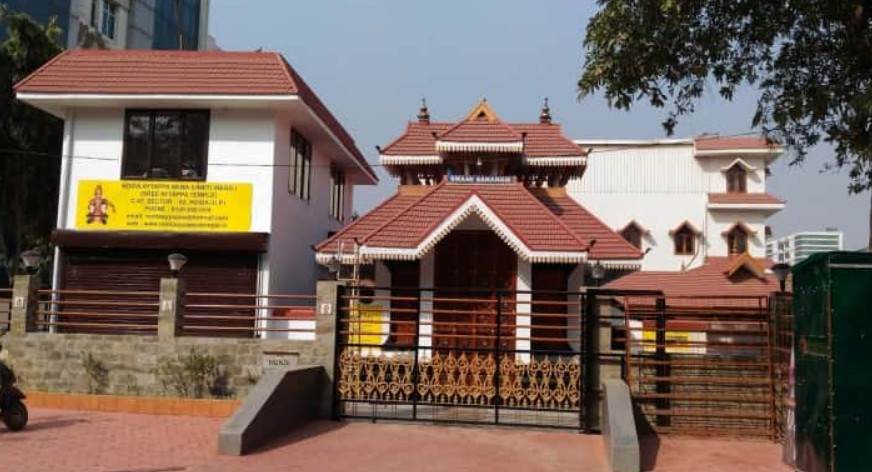
Built in 2002, this temple follows traditional Kerala architecture and is a center for devotees of Lord Ayyappa.

Address: C-47, C Block, C Block, Phase 2, Industrial Area, Sector 62, Noida, Uttar Pradesh 201301


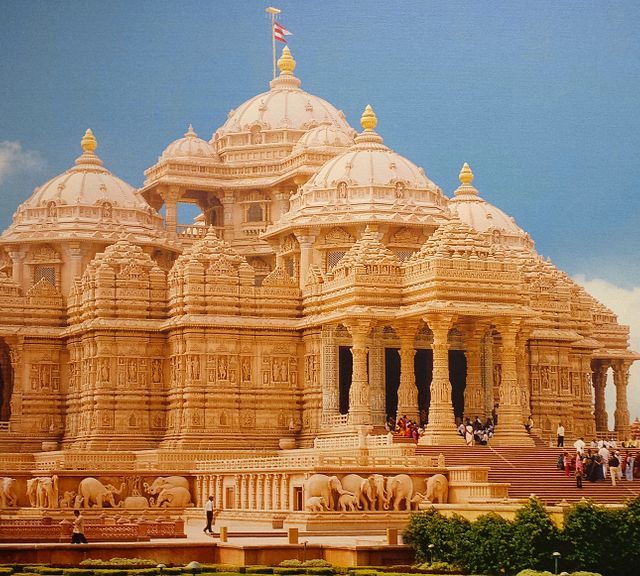
Additionally, just a short drive from Noida, the Swaminarayan Akshardham Temple in Delhi offers a grand spiritual and cultural experience with its intricate architecture and exhibitions.

Must visit temples in Noida

We talked about "Panch Bhota Sthalams" in one of our posts before. These are set of 5 Lord Shiva temples dedicated to the five elements of life i.e earth, water, fire, air and space. The temple we talk about today is Shri Jambukeswarar Temple in Thiruvanaikaval, Tamil Nadu, India.

As we have mentioned before, below are 5 Panch Bhoota Sthalam temples:

lementTemple NameCityCalled as
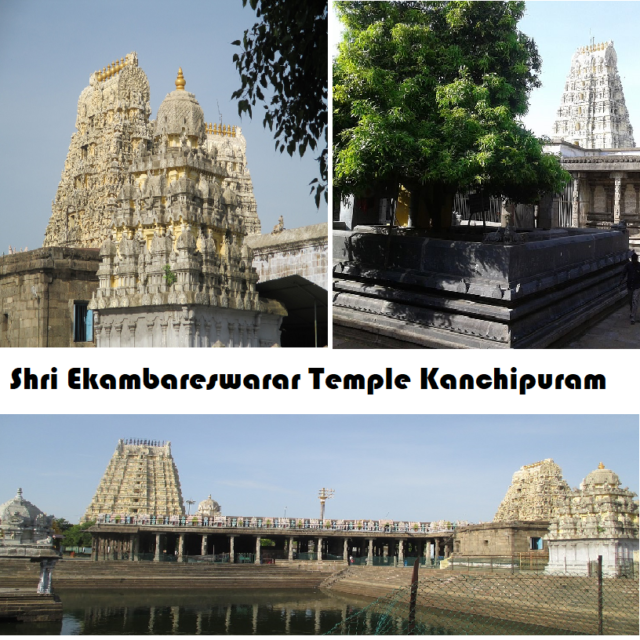
EarthEkambareswarar TempleKanchipuramPrithvi Lingam
WaterJambukeshwarar TempleThiruvanaikavalAppu Lingam
FireThiruvannamalaiArunachaleswara TempleAgni Lingam
AirKalahasti templeShri Kalahasti (near Tirupati )Vayu Lingam
SpaceThillai Natarajar TempleChidambaramAkasha Lingam
All the 5 Pancha Bhoota Stalam Temples

So, Shri Jambukeswarar temple is one of the Pancha Bhoota Stalas (the 5 Shiva temples).

The presiding deity is the Appu Lingam – the water element.

It is one of the 275 Paadal Petra Sthalams, where all the Nayanars (Saivite Saints) have sung glories of the deity.

Shri Jambukeswarar Temple
Image Source

Why should you visit Shri Jambukeswarar Temple

Shri Jambukeswarar is a very ancient Shiva temple and hold a very important place in Hinduism. The temple is one of the Pach Bhoota Stalams and also one of the 276 Devara Paadal Petra Shiva Sthalams.

  • Shri Jambukeswarar temple was built by Kochengannan (one of the Chola Kings ) around 12000 years ago.
  • This is one of the 276 Devara Paadal Petra Shiva Sthalams and 60th Shiva Sthalam on the northern bank of the river Cauvery in Chozha Nadu (Vadakarai).
  • Shiva Linga in the temple is Swayambhu (self-manifested).
  • Lord Jambukeswarar is facing west and Goddess Akilandeswari is facing the east.
  • As I mentioned before this is one of the “Pancha Bootha Sthalams” and it represents Water element (called as Appu and hence Appu Lingam).
  • This is the first of the 70 Madakkovils built by King Kochengat Cholan.
  • All the three saints (Moovar) have rendered hymns on Lord Shiva of this temple.

It is believed that devotees worshipping here are blessed both in this birth and in next birth. People worship goddess Ahilandeswari here for good education and intelligence, marriage and wishes for child.

It is believed that by going around the fifth corridor (known as "Thiruneetran Thirumathil”) one’s prayers gets fulfilled.


Legend of Shri Jambukeswarar Temple

Once Ma Parvati mocked Shiva's penance for betterment of the world. Lord Shiva got angry and directed her to go to the earth to do penance.

Ma Parvathi left Kailash and came to Jambu forest to do penance. She came in the form of Akilandeswari .

She made a lingam out of water of river Kaveri (also called as river Ponni) under the Venn Naaval tree and commenced her worship.

Hence, the lingam is known as Appu Lingam (Water Lingam).

Lord Siva at last gave darshan to Akilandeswari and taught her Siva Gnana. Akilandeswari took Upadesam facing East from Shiva, and Lord Shiva stood facing west. ( Hence this area is also called as Gnanashethram. And people come here for blessings for education and intelligence. Also since lord Shiva is seen as Guru here to goddess Parvathi, wedding festival is not celebrated here unlike other shiva temples)

ma Akilandeswari
Image Source

As per another legend, there were two Siva Ganas (Siva's disciples who lived in Kailash), 'Malyavan' and 'Pushpadanta'.

They always used to fight with each other.

In one such fight Malyavan' cursed 'Pushpadanta' to become an elephant on earth and the latter cursed the former to become a spider on earth.

So they both were reborn as Spider and Elephant and came to Jambukeswara forest

They both continued Shiva worship. The elephant collected water from river Kaveri and poured it over the lingam and the spider created a web over the lingam so that dry leaves do not fall on the lingam.

However the elephant saw the web and thought it to be a dust and hence tore it and cleaned the lingam. This continued for many days.

The spider became angry one day and crawled into the trunk of the elephant and bit the elephant to death and also killing itself in the process.

Siva, in the form of Jambukeswara, was deeply moved by the deep devotion of the two and hence relieved them from the curse.

As an elephant worshipped Siva here, this place came to be known as Thiru Aanai Kaa (thiru means holy, aanai is elephant, kaa means forest).

Later the name 'Thiruaanaikaa' become 'Thiruvanaikaval' and 'Thiruvanaikoil'.


Shri Jambukeswarar Temple Architecture

The temple is a beautiful example of Dravidian Style of Architecture and the immense importance given to temple architecture during chola period.

The massive outer wall covering the fifth precinct, known as the Vibudi Prakara, stretches over a mile and is two feet thick and over 25 feet high

The east facing main tower (Rajagopuram) has 13-tiers and the west facing Rajagopuram has 7-tiers. This temple has 7 main towers and 5 corridors.

Shri Jambukeswarar Temple
Image Source

Shri Jambukeswarar Temple address and timings

Address: Sri Jambukeswarar Temple, Thiruvanaikkaval Post, Trichy Tamil Nadu 620005.

From 06.00 AM to 01.00 PM and 03.00 PM to 08.00 PM.

Morning Darshan6 AM 12 PM
Evening Darshan3 PM 8 PM
Ushakkala Pooja6:30 AM 7:30AM
Kaalashandhi Pooja8 AM 8:45 AM
Uchikkala Pooja11 AM 12 PM
Saayaraksha Pooja5 PM 5:45 AM
Ardhajama Pooja9 PM

Important Festivals at Shri Jambukeswarar Temple

  • Vaikasi - Vasantha Urchavam (10 days)
  • Aadi - Aadipuram festival (10 days).
  • Purattasi - Navarathiri festival (10 days)
  • Thai - Thai Poosam, Thai theppam (Float) festival - Special poojas are performed during Fridays of Thai month.
  • Panguni - Brahmotchavam (40 days)
  • Car festival and Panchaprakara festival

Hope you liked this information. This is a very very important temple and center for Lord Shiva. People in this region are blessed to have this divine presence near them. Do visit this temple whenever you get a chance.

Have a blessed darshan!

Shri Jambukeswarar Temple – Thiruvanaikaval, Tamil Nadu

A beautiful hill with a presence of 1008 shiva lingas. Welcome to Ariyanoor 1008 lingam temple. This Sahasra Lingeswarar temples complex where you you will feel harmony and calmness.

It is a must visit if you are in Salem.

1008 lingam temple

Where is 1008 Lingam temple located?

This 1008 Lingam Temple is one of the famous temples of Tamil Nadu.

This beautiful temple also called as Sahasra Lingeswarar temple and is in Ariyannoor.

Salem to 1008 Lingam temple distance : Ariyannoor is a locality is salem and is approximately 8 Kms before the Salem city center.

The temple is taken care by vinayaga mission.

1008 lingam temple
panaromic view

What is 1008 Lingam Temple famous for?

The presence of 1008 Shiva Lingas on this hill make this temple complex so powerful and vibrating with great energy.

The main temple has a huge statue of Shiva linga with Nandi in the moolasthanam.

You will welcomed by an immense statue of Lord Vinayaka as we reach the gates of the temple.

Main Shiva Temple

It's possible to hit the hill by vehicle or choose to walk and enjoy the scenery on the way.

The temple, surrounded by the Sankagiri mountains and greenery, which is a sight to behold, can be found atop the hill.
On your visit to this magnificent temple, you will feel harmony and calmness.

What to see at Sahasra Lingeswarar temple

As soon as you start walking you will first see the lord Venkateswara temple, which is devoted to Lord Tiruapti Balaji .

This temple complex has temples dedicated to many gods.

At the right of lord Venkateswara temple is lord Rama and Sita temple and once you walk further , you will find Lord Hanuman temple on right hand side.

Sita Mata Temple

Looking straight further on the left hand side you will see the main Lord Shiva temple, you can visit this temple and then go further up to visit other temples . or you can decide to go up further and visit temples of Lord Ganesha, Ma Mahalaxmi , Goddess Rajeshwari, Lord Murgan and come back to main temple ..

So you will find temples of Lord Palani murugan, swamimalai murugan, thiruhendur murugan, pazhamuthircholai murugan, tyruthani murugan, thiruparamkundram murugan, raja rajeswari, anjaneya, mahalaxmi, venkatesa perumal can also be found in lingams.

1008 Lingam temple salem timings

The temple complex is open from 8.00 AM morning to 8.00 PM evening.

Hotels near 1008 Lingam temples

Salem is a big city and a commercial city of Tamil Nadu. There are lots of hotels in Salem and this place being 8km from city center is easily accessible. Few close by hotels are

Sivaraj Holiday Inn, Grand Estanica, CJ Pallazio Hotel, Zibe Salem, Raddisson Salem, Hotel Palm Residency

Restaurants near 1008 Lingam Temple

There are many. Adayar Ananda Bhavan ( A2B) is just 3.5 KM away. Also near by around 9 KM is Sarvana Bhavan, Cascade resturant, Selvi Mess etc . There are many restaurants near by.

How to reach 1008 Shiva Lingam Temple

This temple is on Sale Coimbatore highway ( NH 544).

If you are travelling from Bangalore you need to take NH44 towards salem and then NH544 towards Coimbatore. You will see this temple on your right hand side. It will be around 8Kms before Salem city center.

https://youtu.be/BQHd6OhJ5s4

You may also like - Lord Annamalaiyar temple, Tiruvannamaai, Tamil Nadu

https://mytempletrips.in/lord-annamalaiyar-temple-tiruvannamalai-tamil-nadu/

FAQ

What is 1008 Lingam Templ Opening time?

The 1008 Shiva Temple in Salem, Tamil Nadu, is open daily from 7:00 AM to 7:00 PM. The temple is known for its 1008 Shiva Lingams. Viewing the lingams is possible during the temple's open hours. For specific pooja timings, the morning pooja is typically from 9 AM to 11 AM, and the evening pooja is from 5 PM to 8 PM

What is Salem to 1008 Lingam Temple Distance?

Around 16 Kms and takes around 20 mins

What is 1008 Lingam temple Salem address?

Ariyanoor, Salem, Tamil Nadu, India, near the Vinayaka Mission University. Specifically, it's located on a hillock near Kunjmaala and can be found on the Sangagiri to Salem highway, just after the Vinayaka Mission institutions.

What is Salem Railway station to 1008 Lingam temple distance?

 10 km from Salem Railway Station on the Salem Coimbatore National Highway 47

What time is 1008 Shiva Temple Salem closing?

 7.30 am to 12.30pm & 4pm to 8pm.

Ariyanoor 1008 lingam temple – Salem – Tamil Nadu

top 10 temples in Delhi

Delhi, the heart of India, is not only known for its political significance and vibrant culture but also for its rich spiritual heritage. Amidst the bustling markets, historical monuments, and modern infrastructure, lie some of the most famous temples of Delhi that draw devotees, tourists, and culture lovers alike.

These temples are not only places of worship but also architectural marvels that tell the story of India's ancient traditions and deep-rooted faith.

In this article, we’ll take a spiritual journey through the most famous temples in Delhi, highlighting their history, significance, architecture, and the divine aura that makes them must-visit destinations.


1. Akshardham Temple – A Modern Marvel of Spirituality

Location: NH 24, Akshardham Setu, New Delhi
Dedicated to: Bhagwan Swaminarayan

One of the most iconic temples in Delhi, Swaminarayan Akshardham Temple is a modern architectural marvel that blends spirituality with craftsmanship. Inaugurated in 2005, this temple complex is more than just a place of worship; it's a cultural exhibition that showcases the essence of Indian traditions.

Famous Temples of Delhi Akshardham

Highlights:

  • Intricate carvings, stunning sculptures, and a majestic central monument.
  • Sahaj Anand Water Show, depicting the story of a child yogi.
  • Exhibitions like the Hall of Values (Sahajanand Darshan) and the cultural boat ride through 10,000 years of Indian history.


2. Lotus Temple – A Symbol of Peace and Unity

Location: Bahapur, Kalkaji, New Delhi
Dedicated to: Bahá’í Faith

Although not a traditional Hindu temple, the Lotus Temple is one of Delhi’s most visited and most photographed spiritual sites. Its lotus-like structure symbolizes purity and peace, welcoming people of all religions.

Lotus temple - Famous Temples of Delhi

Highlights:

  • Architectural brilliance with 27 marble petals forming the shape of a lotus.
  • Serene atmosphere ideal for meditation and self-reflection.
  • No idol worship – emphasizes unity of all religions.


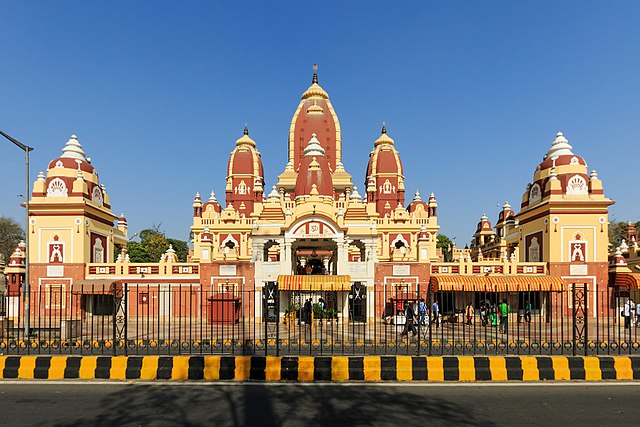
3. Birla Mandir (Laxminarayan Temple) – A Blend of Tradition and Grandeur

Location: Mandir Marg, Connaught Place, New Delhi
Dedicated to: Lord Vishnu (Laxminarayan)

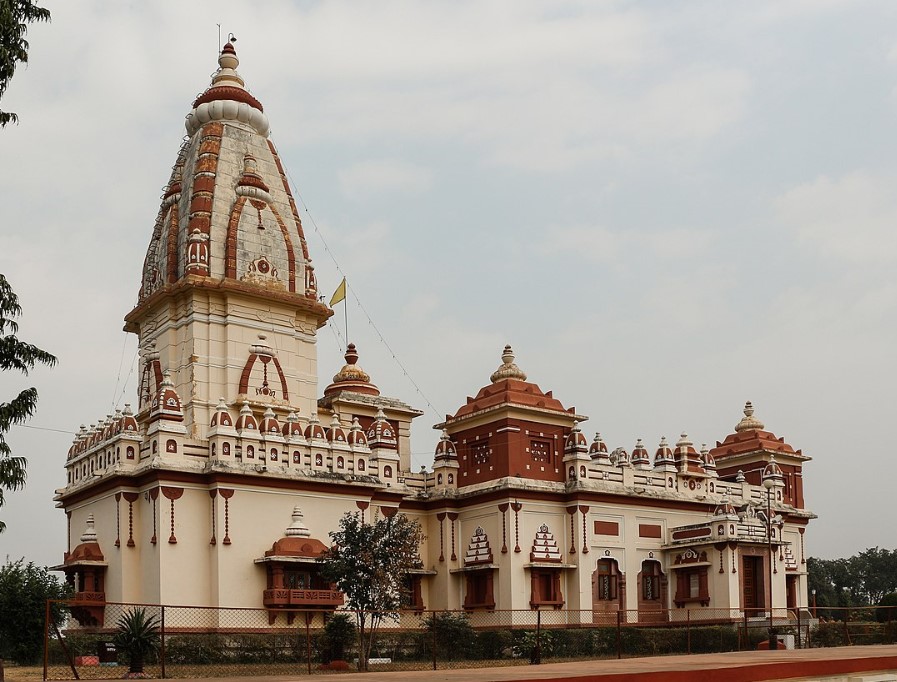
Built by the industrialist Birla family in 1939, Birla Mandir is one of the first large Hindu temples built in Delhi. It was inaugurated by Mahatma Gandhi, who insisted that the temple be open to people of all castes.

Birla Mandir - Famous Temples of Delhi

Highlights:

  • Spread across 7.5 acres with lush gardens and fountains.
  • Stunning idols of Lord Narayan and Goddess Lakshmi.
  • A major attraction during Janmashtami and Diwali.


4. Kalkaji Temple – The Abode of the Divine Mother

Location: Kalkaji, South Delhi
Dedicated to: Goddess Kalka (an incarnation of Goddess Durga)

One of the oldest temples in Delhi, Kalkaji Temple dates back to the 18th century, though legends trace it even earlier. This temple is especially popular during the Navratri festival, when thousands of devotees gather to worship the divine feminine.

Highlights:

  • A major Shakti Peeth in Delhi.
  • Continuous prayers and bhajans during festivals.
  • A sacred site with immense spiritual energy.


5. Chhatarpur Temple – Grandeur in White Marble

Location: Chhatarpur, South Delhi
Dedicated to: Goddess Katyayani (a form of Durga)

Famous Temples of Delhi - Chattarpur Mandir

Spread over 70 acres, the Chhatarpur Temple complex is one of the largest in India. Constructed in 1974, it showcases stunning Vesara-style architecture and combines North and South Indian temple design elements.

Highlights:

  • Ornate carvings and white marble construction.
  • A 90-feet tall Hanuman idol in the complex.
  • Huge footfall during Navratri celebrations.


6. Iskcon Temple – The Krishna Consciousness Hub

Location: Hare Krishna Hills, East of Kailash, New Delhi
Dedicated to: Lord Krishna and Radha

The ISKCON Temple Delhi is a spiritual center of the International Society for Krishna Consciousness, promoting the teachings of the Bhagavad Gita and devotion to Lord Krishna.

Highlights:

  • Devotional chants and kirtans (singing of bhajans).
  • Spiritual lectures and Vedic culture exhibitions.
  • Govinda’s restaurant offers sattvic vegetarian meals.


7. Hanuman Mandir, Connaught Place – One of the Oldest Hanuman Temples

Location: Baba Kharak Singh Marg, Connaught Place, New Delhi
Dedicated to: Lord Hanuman

Believed to be one of the five ancient temples of Mahabharata times, this Hanuman temple is notable for being continuously worshipped over centuries. Its vibrant energy and spiritual vibrations attract devotees daily.

Highlights:

  • 24-hour continuous chanting of “Shri Ram, Jai Ram, Jai Jai Ram.”
  • Tuesday and Saturday see large gatherings of devotees.
  • Close proximity to central Delhi’s tourist spots.


8. Jhandewalan Temple – A Temple with a Tale

Location: Jhandewalan, near Karol Bagh, New Delhi
Dedicated to: Goddess Aadi Shakti (Durga)

Named after the large prayer flag (jhanda) hoisted during prayers, Jhandewalan Temple is another powerful Shakti temple in Delhi. It’s particularly crowded during Navratri and other festivals related to the goddess.

Highlights:

  • Ancient cave shrine inside the temple complex.
  • Elevated platform with panoramic views of the surroundings.
  • Devotional atmosphere throughout the year.


9. Yogmaya Temple – Relic of Mahabharata Era

Location: Mehrauli, New Delhi
Dedicated to: Goddess Yogmaya (sister of Lord Krishna)

Located near the Qutub Minar complex, Yogmaya Temple is believed to be built during the Pandava era and is one of the few surviving temples from that time. Despite being destroyed and rebuilt multiple times, it holds immense historical and spiritual significance.

Highlights:

  • One of the 27 surviving temples from ancient Delhi.
  • Celebrated during Phoolwalon ki Sair, a festival of flowers.
  • Deeply rooted in the mythology of Lord Krishna.


10. Shri Digambar Jain Lal Mandir – The Oldest Jain Temple in Delhi

Location: Chandni Chowk, opposite Red Fort
Dedicated to: Lord Mahavira

Established in 1656, this is the oldest Jain temple in Delhi and a significant religious site for Jain devotees. Located in the heart of Old Delhi, it stands out with its red sandstone facade and spiritual calm amidst the chaotic streets.

Highlights:

  • Avian Veterinary Hospital (Bird Hospital) within the premises.
  • Ornate interiors and intricate Jain-style architecture.
  • Close to Ch;andni Chowk and other historic landmarks.


Why Visit Temples in Delhi?

Whether you're a devotee, a history enthusiast, or a traveler exploring India's spiritual richness, Delhi’s temples offer more than rituals—they offer stories, solace, and serenity. Each temple is a testament to India’s religious diversity, architectural excellence, and timeless spirituality.

Best Time to Visit:

  • Navratri, Janmashtami, Diwali, and other Indian festivals bring these temples alive with celebrations.
  • Winters (October to March) are ideal for temple tours in Delhi.

Discover the Divine in Delhi

Delhi is not just the seat of political power but also a city where spiritual energy thrives in every corner.

From the divine chants at ISKCON to the majestic aura of Akshardham, each temple adds a unique hue to the city’s vibrant cultural tapestry.

you’re seeking blessings, peace, or simply want to explore India’s spiritual side, these famous temples of Delhi will leave you inspired and enriched.


You may also like: Hanuman Mandir Connaught Place Delhi – A temple from Mahabharata times

https://mytempletrips.in/hanuman-mandir-connaught-place-delhi-a-temple-from-mahabharata-times/
Famous Temples of Delhi: A Spiritual Journey Through the Capital

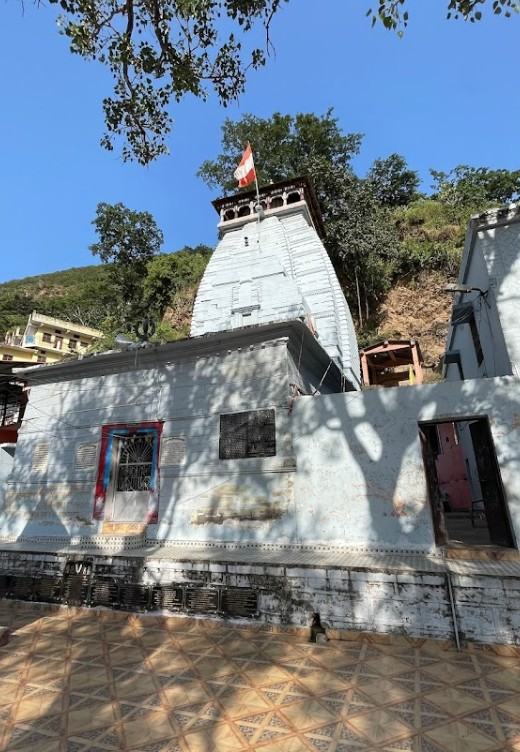
Sri Neelamega Perumal Temple Raghunath ji is one of the famous Lord Vishnu temples. It is Situated in Deva Prayag which is in Tehri Garhwal District of Uttarkhand.

This temple is one of the 108 divya desams temples .

This temple is also called as Thirukandam.

Thirukandam is also called as “Kadinagar” and “Devaprayag”.

About Devaprayag

Devaprayag is situated aroud 1700 feet from the sea level. Devaprayag is the place wherfe rivers Alaknanda and Bagirathi meet.

Thus this place of Confluence is considered very Sacred and bath here in ganga is considered purifying.

About Sri Neelamega Perumal Temple Diety

The presiding deity of this temple is Lord Neelamega Perumal .

Shri Neelamega Perumal Raghunath ji Temple (Divya Desam)

Lord Neelamangala Perumal is also called as Lord Purushothaman. He is in a standing posture facing towards the east.

And the goddess of the temple is Pundareega Valli Thayaar.

Sri Neelamega Perumal Temple Legend

It is said that performing Annadhanam at the temple brings good fortune.

A king by name of Sweth Kethu did a number of good deeds. After his death, his soul was possessed by an insatiable hunger.

Sweth Kethu approached Lord Bharma to solve his problem of hunger.

Lord Brahma told Swetha kethu that his suffering was because he did not perform any Annadhanam.

Sweth Kethu at the advice of Lord Brahma approached Agasthya Muni.

Agasthiya Muni told him to gift his punyams in the form of a gold ring. This gold ring was sold by Agasthiya Muni and Annadhanam was performed at Deva Prayag.

This Sorted the problem of Sweth Kethu.

This is also the place where Pandavas bathed and prayed to the Lord to get rid of their sins of killing their relatives in the war.

It is said that the banyan tree located in the temple here would survive the pralaya at the end of kali yuga.

It said that Lord Vishnu, Lord Shiva and Lord Brahma reside inside this tree. The Perumal would swallow the entire universe and as baby lie down on one of the leaves of this tree as Vadapathra Sayee and save the entire universe from destruction.

The king of this place came and workshiped Lord Purushothaman guidance.

Lord Perumal appeared in the dream of the king and asked him to get Periyazhwar here.

And accordingly, Priyazhawar came and praise this perumal by his song.

This brought rain to this region. The Perumal on whom Periyazhwar sung Mangalasasanam is called Raghunathji.

It is said that Rama, Dasaratha, Brahma did Penance here. Raghunathji is said to have been consecrated by Adi Shankara. A beautiful Hanuman is seen behind the temple.


You may also like: Sri Ranganathaswamy Temple (Rangasthala ) – Chikkaballapur – Karnatka

https://mytempletrips.in/sri-ranganatha-swamy-temple-rangasthala-chikkaballapur-karnatka/

How to reach Shri Neelamega Perumal Raghunath ji Temple?

Google Maps link: https://g.co/kgs/hv7NGBN

By Air

  1. Nearest Airport: Jolly Grant Airport, Dehradun (Approx. 90 km from Devprayag).
  2. From the Airport:
    • Hire a taxi directly to Devprayag.
    • Alternatively, take a bus or shared taxi to Rishikesh and then to Devprayag.

By Train

  1. Nearest Railway Stations:
    • Rishikesh Railway Station (Approx. 74 km away).
    • Haridwar Railway Station (Approx. 94 km away, better connectivity).
  2. From the Station:
    • Hire a cab.
    • Take a bus or shared jeep towards Devprayag.

By Road

  1. From Delhi:
    • Distance: ~294 km (via NH 334).
    • Drive: About 8-9 hours.
  2. From Rishikesh:
    • Distance: ~74 km.
    • Drive: 2-3 hours.
  3. Public Transport:
    • Regular buses and shared taxis are available from Rishikesh, Haridwar, or Dehradun.
Shri Neelamega Perumal Raghunath ji Temple (Divya Desam)- Garhwal – Uttarkhand
हम्पी में मंदिरों के कुछ खास रहस्य ( Mysteries temple of hampi in hindi )

हम्पी में मंदिरों के कुछ खास रहस्य ( Mysteries temple of hampi in hindi )

दोस्तों हम्पी एक अनोखी भूमि है, जिसकी स्थापना 1336 ई. में हुई थी. यह अपने आप में खंडहरों का एक पूरा शहर है। आज हम आपको हम्पी के बारे में…

Pratyuangira Devi Temple is located in Bangalore's Turahalli neighborhood, along Kanakapura Road. Beautiful architecture from the Pandyan dynasty, created in Agama shastra (one of the vedic styles).

There are many Pratyuangira Devi temples in Bangalore. The one in Turahalli is very famous and is visited by people across the city.

Pratyuangira Devi is the goddess who represents all 64 goddesses in Hindu mythology. She is a Hindu Goddess associated with Shakti, Hinduism's immortal energy concept.

She is characterized as a deity having the face of a lioness and the body of a human. The balance of virtue and evil is represented by this lion-human hybrid.

Pratyangira is primarily envisioned as a protective, ferocious goddess capable of unleashing a torrent of fury and destruction in order to vanquish evil. She is regarded as a formidable protector against the effects of black magic.

Every Amavasya and Pornima, dry red Chiilis homas are held here.

Legend of Goddess Pratyuangira Devi

As per Markandeya Purana, at the start of the Satya yuga, the Lord Narasimha, an avatar of Vishnu, killed the demon King Hiranyakashipu by tearing up his body and drinking his blood.

Lord Narasimha was drunk on rage and could not be stopped because of the anger in Hiranyakashipu's body and the malicious effects of human blood.

Lord Shiva appeared as Sarabeswara, a bird-animal-human hybrid, to soothe Lord Narasimha with the power of compassion. When Lord Narasimha saw this, he produced Gandaberunda, a two-headed bird who was Sarabeswara's polar opposite.

When Sarabeshwara saw this, he transformed into Bhairava (Shiva's ferocious form) and used his third eye to create the goddess Pratyuangira.

Devi Pratyuangira calmed down Lord Narasimha.

Pratyuangira appeared to be flying in the air. Her stature was strong, and she towered over the other gods and goddesses.

She had a thousand lion faces, 2,000 eyes, probably 2,000 hands with multiple weapons, and a thousand tongues, and her head was above the entire sky and her feet well into the down from afar.

Her creation is said to have come with thunder and lightning, and as soon as Narasimha Swami saw her massive figure, he grasped the significance of his duty and quickly left Ugra(roaring) Narsimha avataram for Shanta Narasimha.

Atharvana Bhadrakali - The other form of Goddess Pratyuangira Devi

Atharvana Bhadrakali is another name for Ma Pratyuangira.

For thousands of years, sages and Goddess worshippers have believed that she is the only Goddess capable of removing the effects of black magic and from possessed bodies and restoring them to a magnificent state.

Address of Sri Pratyangira Devi Temple, Turahalli

Sri Jnana Muneshwara Swamy and Shri Pratyangira Devi Temple, Turahalli, Uttarahalli Hobli, Subramanyapura Post , Bangalore – 560062

Mobile: +91-9845996306, +91-9916163322

How to reach Sri Pratyangira Devi Temple, Turahalli

If you are coming by train, please note that the nearest railway station to the temple is as below:

  •  KSR Bengaluru (approximately 13 km),
  • Yesvantpur Railway Station (27 km),
  • Kengeri Railway Station (8.4 km)

THe nearest metro station to Sri Pratyangira Devi Temple, Turahalli as below

  •  Vajarahalli Metro Station (1-2 km)
  • Doddakallasandra Metro Station (2.3 km),
  • Yelachenahalli Metro Station (4.7 km)

If you are coming by bus, please note the details of nearest bus stop

  • Uttarahalli bus stop (2 km),
  • Subramanyapura post-office (1 km)

Sri Pratyangira Devi Temple, Turahalli open time

Monday6 AM to 12 PM & 5 PM to 8 PM
Tuesday6 AM to 12 PM & 5 PM to 8 PM
Wednesday6 AM to 12 PM & 5 PM to 8 PM
Thursday6 AM to 12 PM & 5 PM to 8 PM
Friday6 AM to 12 PM & 5 PM to 8 PM
Saturday6 AM to 12 PM & 5 PM to 8 PM
Sunday6 AM to 12 PM & 5 PM to 8 PM

Days like Amavasya and Pournima hava a bit different timings.

Plesae note that Tuesday, Friday, Sunday, Amavasya, and Pournima are considered special days.

When is Maha Pratyangira Homa performed at the temple

Maha Pratyangira Homa (using with dry red chilies) is performed on every Amavasya and Pournima.

Homa Timings are 9:30 AM to 12:30 PM

Devotees can offer Dry red chilies, white mustard, crystal salt, ghee, black pepper, dry ginger, garlic, lemon garland, fruits, flowers and others.

You can also contact the temple at - click here


https://mytempletrips.in/sri-pratyangira-temple-hosur-maa-pratyangira-kalika-alayam/
https://mytempletrips.in/pratyangira-devi-temple-in-hyderabad-sri-prathyangira-parameshwari-mandiram/

You may also be interested in: Thousand Pillar Temple Warangal – Hanamkonda – Warangal Telangana- History, Timings

https://mytempletrips.in/thousand-pillar-temple-warangal-hanamkonda-warangal-telangana-history-timings/
Pratyuangira Devi Temple , Bangalore

Gurdwara Shri Manji Sahib is a famous Gurdwara. It is located in Ludhiana, Punjab.

Gurdwara Shri Manji Sahib (Also called as Alamgir Sahib) is situated in the Alamgir Village In Ludhiana Dist.

Gurdwara Shri Manji Sahib - Ludhiana - Punjab.

Guru Shri Gobind Singh, after his four sons and mother were martyred by the Mughals, was going from Machhiwara on a bed as " Uchh Da Pir " and reached here on 14 Poh 1761 Bikrami (1704 A.D.).

On reaching here, one of the horse traders of the village named Bhai Nigahia Singh, gifted a horse to Guru Gobind Singh.

Nabi Khan and Gani Khan were sent back with the bed. Shri Guru Sahib asked an old lady who was picking cow dung whether he could get some water from somewhere to take bath to which the old lady replied that " Pir Ji this is a place of ruins, there is no water here".

Gurdwara Shri Manji Sahib

There is a well far away but there is a big python that lives there, no one goes there. Shri Guru Gobind Singh hit the python with an arrow and gave it " Mukti " ( exemption from further transmigration ) and the python fell into the well.

When the Sikhs went to fetch water, the water had gone bad so close to where Shri Guru was sitting, Shri Guru hit one more arrow and there was a water spring that came out and all the Sikhs had a bath.

On seeing this miracle, the old lady fell into Shri Guru's feet and said " Peer Ji you are a wonderful Peer, I have a request. I have leprosy and I have gone to various places to get the treatment done but it has not been cured, kindly cure my disease and help me to get rid of this disease". Shri Guru Sahib said that whoever takes a bath under this water spring with belief, God will cure all his sadness.

Then Shri Guru sat on the horse given by Bhai Nigahia Singh and went towards Raikot. The old lady had a bath in that water spring and was cured.

She went back to The village and told about the whole story. The place where Bhai Nabi Khan and Bhai Gani Khan kept Guru Sahib's bed, today at that place exists a beautiful Gurudwara known as Manji Sahib.

Gurdwara Shri Manji Sahib – Ludhiana – Punjab
Bada Ganesh Mandir Ujjain – गणपत‍ि बप्‍पा का यह अनोखा मंद‍िर

Bada Ganesh Mandir Ujjain – गणपत‍ि बप्‍पा का यह अनोखा मंद‍िर

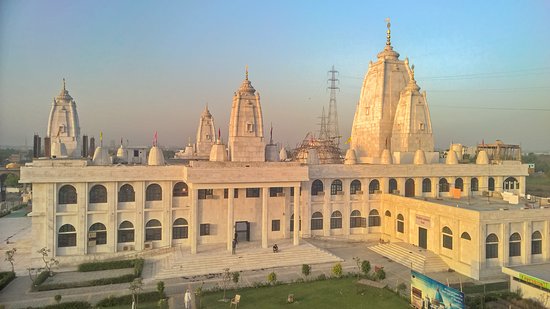
Bada Ganesh Mandir Ujjain - बड़ा गणेश मंदिर, गणपत‍ि बप्‍पा का यह अनोखा मंद‍िर, उज्जैन के लोकप्रिय भगवान गणेश के मंदिरों में से एक है। यह मंदिर उज्जैन जंक्शन से…
ISKCON Temple Kanpur |ISKCON मंदिर कानपुर

ISKCON Temple Kanpur |ISKCON मंदिर कानपुर

दोस्तों ISKCON Temple Kanpur एक बहुत ही सुन्दर मंदिर है कानपुर में। इस पोस्ट में हम आपको इस मंदिर की सारी जानकारी देंगे ISKCON Temple Kanpur खुलने का समय :…
Sundarnarayan temple Nashik सुंदरनारायण मंदिर नाशिक महाराष्ट्र

Sundarnarayan temple Nashik सुंदरनारायण मंदिर नाशिक महाराष्ट्र

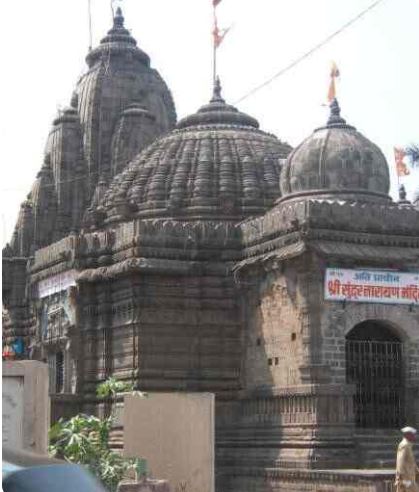
Sundarnarayan temple Nashik - सुंदरनारायण मंदिर नाशिक महाराष्ट्र : नासिक के प्रसिद्ध मंदिरों में से एक, सुंदरनारायण मंदिर, महाराष्ट्र में नासिक के पंचवटी क्षेत्र में स्थित है। कहा जाता है…
Bhojeshwar Temple | भोजेश्वर मंदिर – एक अधूरी पर भव्य संरचना

Bhojeshwar Temple | भोजेश्वर मंदिर – एक अधूरी पर भव्य संरचना

भोजपुर, जो भोपाल से लगभग 28 किलोमीटर दूर है, एक पुरातात्विक स्थल के रूप में प्रसिद्ध है और शानदार शिव मंदिर और साइक्लोपियन बांध खंडहर के लिए जाना जाता है।…
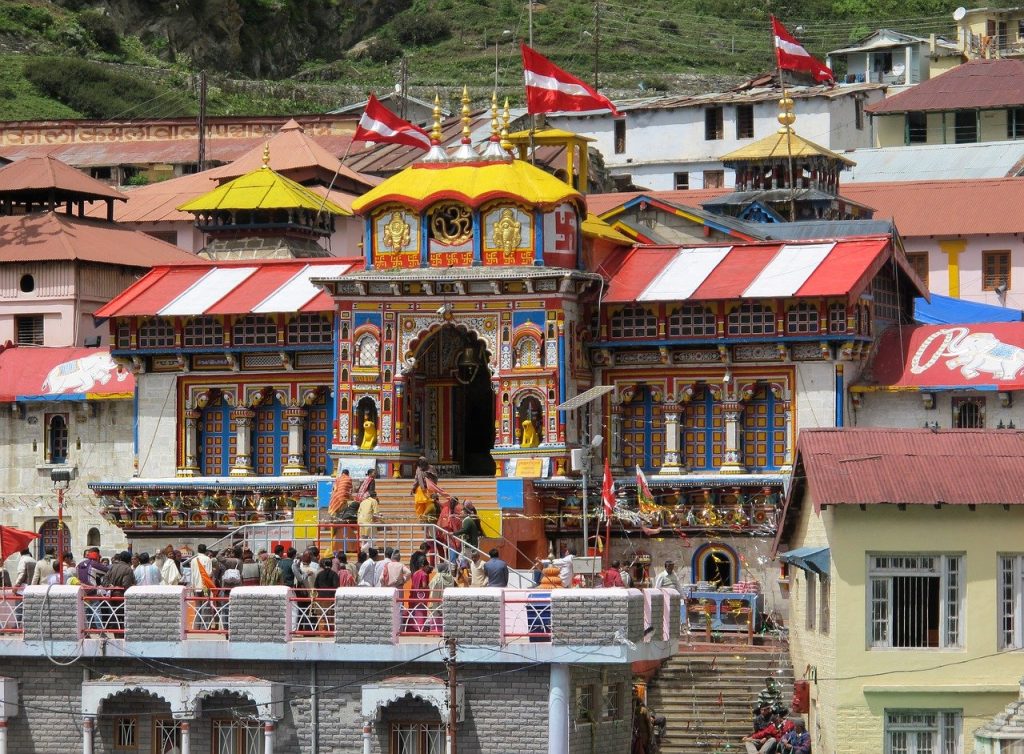
Badrinath Temple – बद्रीनाथ मंदिर – Hindi me Jankaari

Badrinath Temple – बद्रीनाथ मंदिर – Hindi me Jankaari

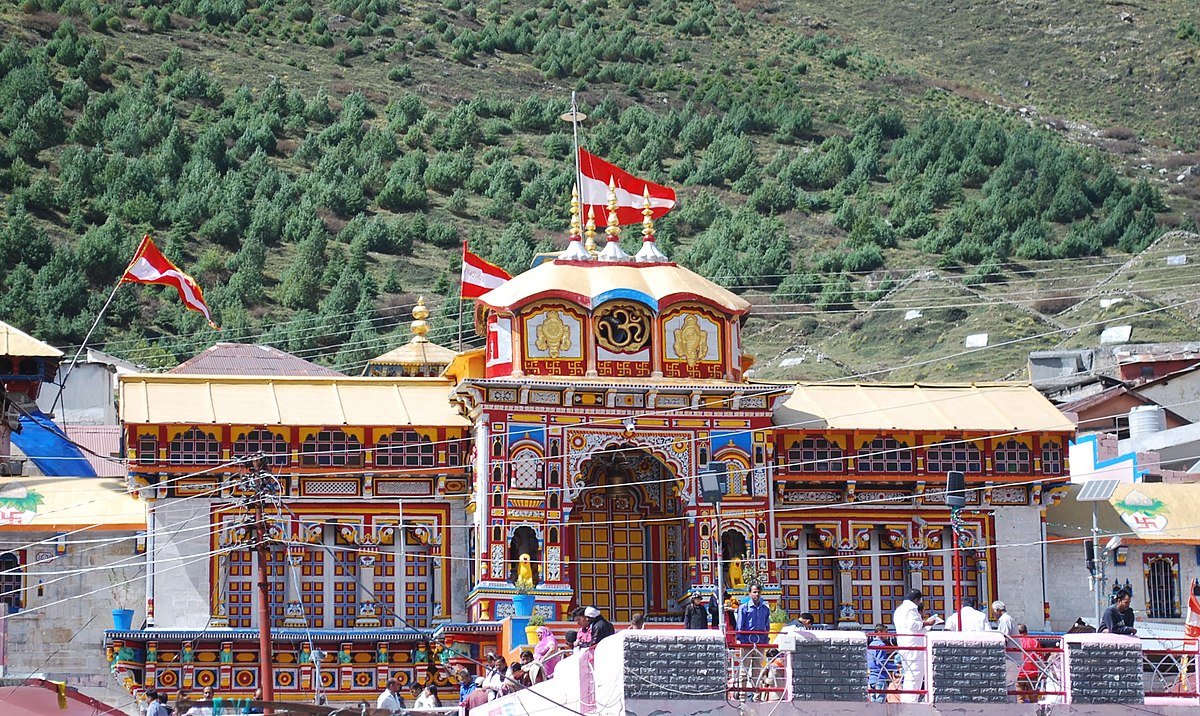
भगवान विष्णु को समर्पित चार धाम में से एक बद्रीनाथ मंदिर Badrinath Temple ( बद्रीनाथ मंदिर) है। अलकनंदा नदी के किनारे गढ़वाल पहाड़ियों में स्थित है। इस मंदिर का उल्लेख…
Rameshwaram mandir | रामेशवरम मंदिर – क्यों हैं यहाँ दो शिव लिंग

Rameshwaram mandir | रामेशवरम मंदिर – क्यों हैं यहाँ दो शिव लिंग

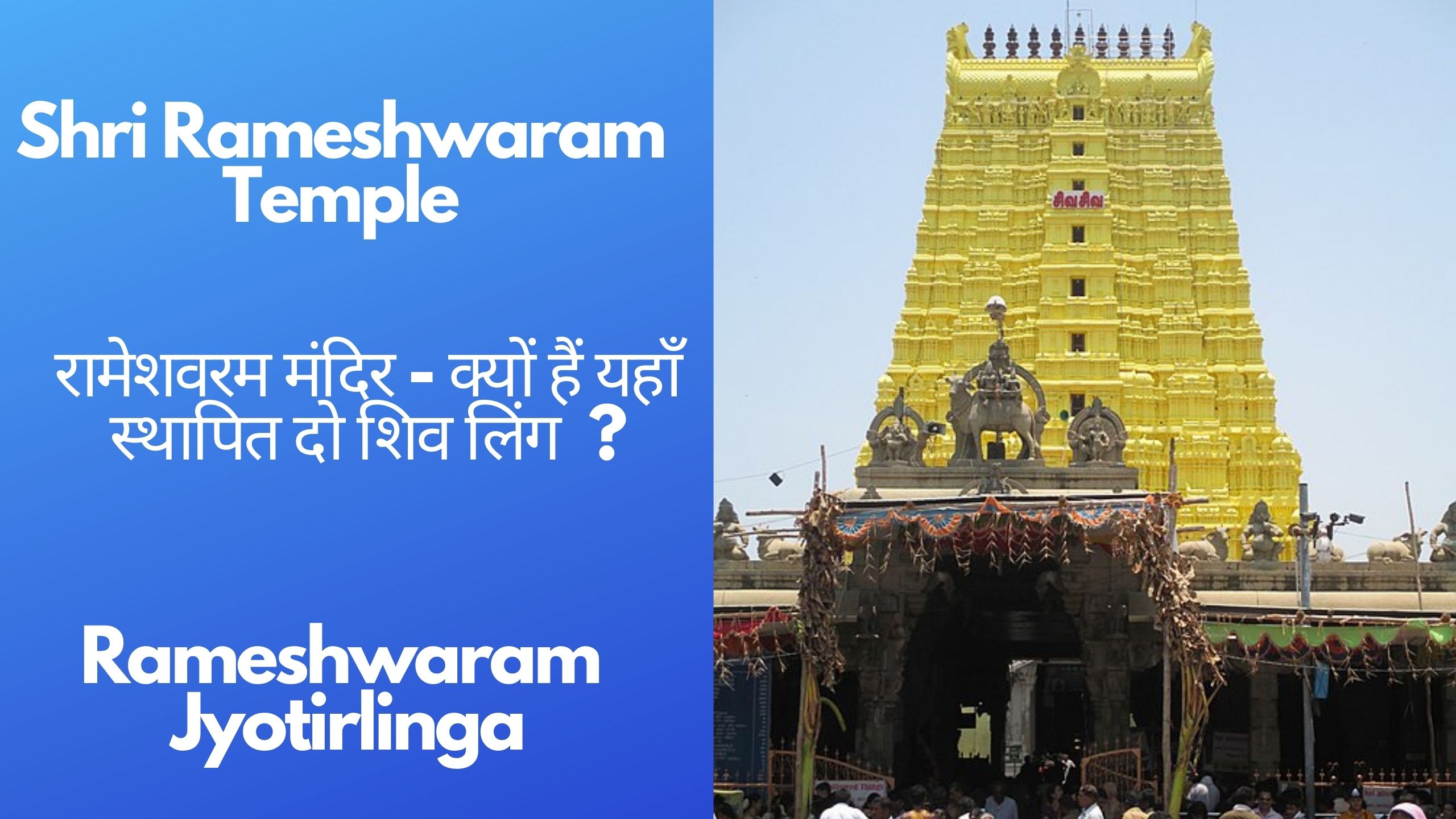
Rameshwaram mandir ( रामेशवरम मंदिर ) तमिलनाडु के रामेशवरम शहर में स्तिथ है। भगवान शिव तो समर्पित यह मंदिर हिन्दुओं के लिए एक बहुत ही महत्वपूर्ण तीर्थ स्थल है। ऐसा…
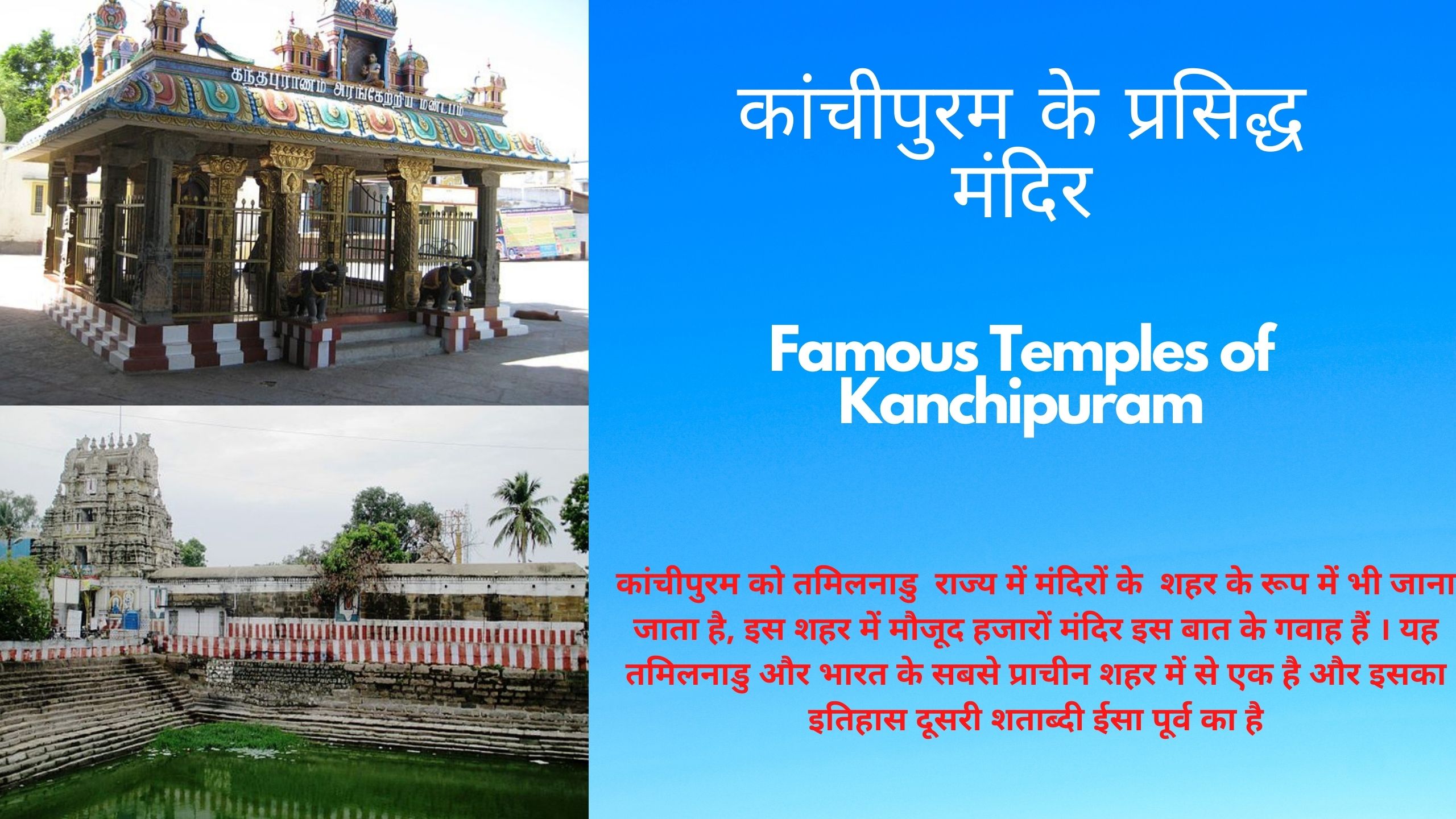
कांचीपुरम के प्रसिद्ध मंदिर – Kanchipuram temples hindi

कांचीपुरम के प्रसिद्ध मंदिर – Kanchipuram temples hindi

कांचीपुरम को तमिलनाडु राज्य में मंदिरों के शहर के रूप में भी जाना जाता है, इस शहर में मौजूद हजारों मंदिर इस बात के गवाह हैं । यह तमिलनाडु और भारत…
Badrinath Temple – बद्रीनाथ मंदिर

Badrinath Temple – बद्रीनाथ मंदिर

भगवान विष्णु को समर्पित चार धाम में से एक बद्रीनाथ मंदिर Badrinath Temple ( बद्रीनाथ मंदिर) है। अलकनंदा नदी के किनारे गढ़वाल पहाड़ियों में स्थित है। इस मंदिर का उल्लेख…
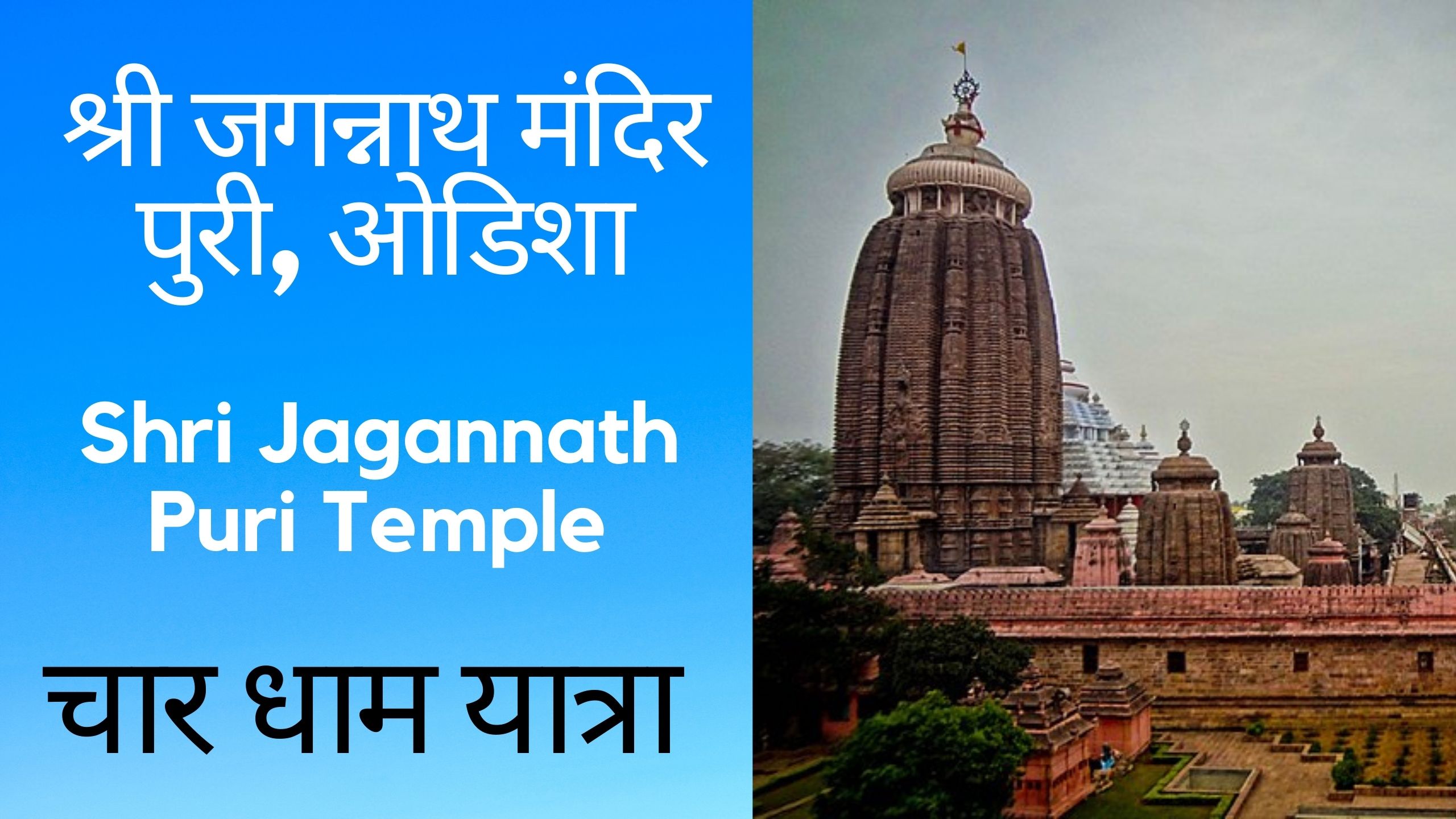
Jagannath Puri Temple | श्री जगन्नाथ मंदिर पुरी – चार धाम यात्रा

Jagannath Puri Temple | श्री जगन्नाथ मंदिर पुरी – चार धाम यात्रा

श्री जगन्नाथ मंदिर ( Jagannath Puri Temple ) 11 वीं शताब्दी में पुरी शहर में बना एक पवित्र मंदिर है। इसके निर्माण राजा इंद्रदेव ने करवाया था। यह भव्य मंदिर…
श्री नैना देवी मंदिर बिलासपुर | Shri Naina Devi Temple Bilaspur Himachal Pradesh

श्री नैना देवी मंदिर बिलासपुर | Shri Naina Devi Temple Bilaspur Himachal Pradesh

Shri Naina Devi Temple Bilaspur - श्री नैना देवी मंदिर बिलासपुर जिले में 1177 मीटर की ऊंचाई पर स्थित है जो को हिमाचल प्रदेश में स्तिथ है । मंदिर की…

Delhi has a lot to offer to it's visitors. There are a lot of historical and religious places in Delhi to keep you occupied. Today we talk about a beautiful temple in delhi and is well known, called as Akshardham temple.

We recently visited Delhi and had half a day in hand to go around and we planned to visit Akshardham temple. We would say that it is a must visit if you are planning to visit Delhi and can spare some time out of your schedule.

Image Courtesy: Please note that photography is not allowed with in temple premises and all the photos below are courtesy https://akshardham.com & https://en.wikipedia.org/wiki/Akshardham_(Delhi)

Akshardham means the divine abode of God.
The temple was constructed by Bochasanwasi Shri Akshar Purushottam Swaminarayan Sanstha
It was inspired by HH Yogiji Maharaj and Created by His Holiness Pramukh Swami Maharaj

Also known as Sri Swaminarayan Akshardham temple, this temple is made of nicely carved sandstone and marble.

How to reach Akshardham temple

Akshardham is a prominent landmark in the city and is very well on tourist map. Hence you just need to tell the auto / cab or taxi guy that you need to go to Akshardham.

Main temple

We took the metro. The metro station is called as Akshardham metro station . The Delhi metro is extremely fast and convinient to use…If you are alone or with a small family then definitely use the metro.

Akshardham temple - Our Experience

As we got out of the station, we walked for about 5 minutes to the entrance of the temple. Also remember that you will have to reach the temple by 6:30 pm as it is the last entry time.

As we entered we were given slips and trays, we are supposed to write our name,residence address, phone number,etc. and submit our phones, cameras and other electronics items. Remember all these are not allowed in the temple.
This whole procedure took around 35 to 40 mins. It all depends upon the rush. Weekends the rush is more and hence more time. Also Akshardham is best when visited during evening and hence rush is more during evening times.

OK, we then head over to the security check which took another 20 mins.

We have to remove our belts, keys, chains,watches etc. and send it through the scanner. This safety procedure needs to be followed.

We also noticed that there were separate queue for males and females. And this becomes a challenge when you are with a big group. So plan your time accordingly and also keep patience as these procedures do take time.

What to do at Akshardham temple

We then entered the temple premises…we were first greeted by the 10 gates, which represents the 10 directions according to Vedic literature. These gates show that goodness will continue to come in from all the directions. The carvings on the walls are just amazing.

Akshardham temple - beautiful temples around delhi

There are couple of things to do there. Main temple of course needs to be visited. Apart from that there is a exhibition showcasing our cultural values and then in the evening there is a water show.

There is a fee for Exhibition and Water Show. Water show is only in the evening.

Before entering the main temple you can deposit the shoes at footwear deposit counter.. There was simple science that fascinated us The
temple had blackish brown and white tiles. we were supposed to walk on the white tiles as they were not hot at all!!!

As we entered the temple we were amazed to see so many sculptures, Akshardham Temple comprises 200 sculptured stone figures of India's sages, monks, Acharyas and divine incarnations. It also consists of
234 ornately carved pillars, 9 ornate domes, Gajendra Pith and 20,000 statues of divine figures of India.

The detail were amazing, every corner was sculpted to represent some or the other holy figure, the domes and everything had been detailed very carefully and creatively.

Akshardham temple - beautiful temples around delhi

There are many small snacks stalls in the temple premises and you can buy anything if you are really hungry.


The temple has 11 feet high beautiful statue of Lakshmi Narayan and other statues of Shiva Parvati, Radha Krishna and Sita Ram within the memorial. The theatre within the premises, which is known as Nilkantha. It reflects the events from the life of God Swaminarayan.

Akshardham temple - beautiful temples around delhi

The temple has also achieved a place in the Guinness Book of World Records. On 17 December, 2007, the Akshardham Temple was declared as The Largest Comprehensive Hindu `temple in the World by the
International Organization.

Akshardham temple - beautiful temples around delhi

Overall, it was an amazing experience visiting Akshardham. It is definitely a must visit if you are visiting Delhi.

Image Courtesy: Please note that photography is not allowed with in temple premises and all the photos below are courtesy https://akshardham.com & https://en.wikipedia.org/wiki/Akshardham_(Delhi)

You can visit above website for more information about the temple.

-Kumar

Check out another beautiful temple - Devi Patan, Tulsipur, Uttar pradesh

Akshardham temple – A must visit if you are in Delhi
Ramchaura Temple – रामचौरा मंदिर हाजीपुर बिहार – यह मंदिर रामायण काल से मौजूद है

Ramchaura Temple – रामचौरा मंदिर हाजीपुर बिहार – यह मंदिर रामायण काल से मौजूद है

Ramchaura Temple Hajipur Bihar - रामचौरा मंदिर बिहार के हाजीपुर शहर में स्थित बहुत प्रसिद्ध मंदिरों में से एक है। Ramchaura Temple is one of the very famous temples located…

Friends are you looking for beautiful temples around Bangalore.

Today we take you to a small and beautiful temple situated on a small hill-top near Bangalore.

Today we are talking about Thimmarayansway temple situated on a small hilltop in an old village just behind the electronics city, a famous area in Bangalore. This village is called as Bettadasanapura. Today we have lots of development around this village.

But the hill itself is a granite hill, with a bit flat top and temple on that.

hill temple around bangalore, beautiful temples around bangalore, fort temples around bangalore, thimmarayansway temple Bettadasanapura

It offers an excellent view of the area around.

hill temple around bangalore, beautiful temples around bangalore, fort temples around bangalore, thimmarayansway temple Bettadasanapura

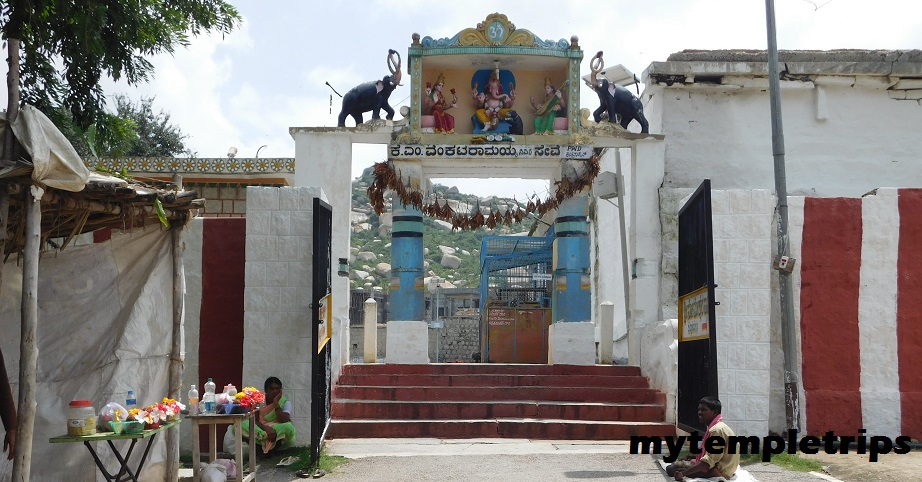
The temple is a fort temple. As you can see this temple is built inside a small fort inside the temple. The arch towards the fort is around 500 mts on the foothill and as you go up, you will see the fort.

hill temple around bangalore, beautiful temples around bangalore, fort temples around bangalore, thimmarayansway temple Bettadasanapura

The fort itslef is built just using the stones and there is a small entrance at the fort which will lead you to the temple.

There is no much history available around this temple, but it is said that temple is around 500 years old. Local legends say the Marrhisi Gautham meditated here and temple is built at this spot.

There are 2 temples here. First one is Sri Thimmarayansway temple. Shri Thimmarayansway temple is dedicated to lord Vishnu. And then there is a adjacent temple dedicated to Lord Shiva, called as Kashi Vishwanath temple.

hill temple around bangalore, beautiful temples around bangalore, fort temples around bangalore, thimmarayansway temple Bettadasanapura

Inside the temple, there is also a small Kalyani.

hill temple around bangalore, beautiful temples around bangalore, fort temples around bangalore, thimmarayansway temple Bettadasanapura

This granite hill offers an excellent view around.
It is also said that some episodes of Malgudi days were shot here, but I am not really sure.

hill temple around bangalore, beautiful temples around bangalore, fort temples around bangalore, thimmarayansway temple Bettadasanapura

But, I would say please do visit this small, but beautiful temple.

I was very impressed and I am sure you will like it to.

hill temple around bangalore, beautiful temples around bangalore, fort temples around bangalore, thimmarayansway temple Bettadasanapura

How was your trip. Do let us know your comments!

hill temple around bangalore, beautiful temples around bangalore, fort temples around bangalore, thimmarayansway temple Bettadasanapura
Arch for the temple entrance

You can also check out some other beautiful temples around Bangalore. There a some nice to visit temple in Hosur.

Dakshin Tirupathi temple - Hosur

Shri Chandra Choodeswarar Temple – Hosur

Kumar

A fort, a hill and a small and beautiful 500 year old temple

Suraj Kund Sunam temple is a well-known Hindu temple. Located approximately 1.5 kilometres away in the Thashil and Sub division of the Sangrur District, to the east of Sunam city, a large Sun temple dating back to the Vedic period was destroyed by Taimur ( also knowns as Mohammad Ghaznavi).

It is said that the river Saraswati used to flow near by Suraj Kund Sunam Temple.

The suraj kund is now in ruins and needs attention. It is situated near to the Ludhiana Hisar railway line.

Suraj Kund Sunam Temple Sunam's history dates back to the Vedic era, when it was known as Surajpur.

As we have mentioned before, it is said that river saraswati used to flow near by.

The walls of an ancient fort, into which its occupants were forced to seek safety, were used to construct the present town.

It is split into two sections: one is located in the fort's citadel, and the other is on the surrounding lowland.

Even though it is now of little consequence, Sunam was important to the history of the Punjab following the invasion from west.

Al-Baruni mentions it as a well-known location in his book "Kitab-ul-Hind," written in 1050 AD.

Suraj Kund Sunam Temple history

In Sanskrit, the name "Sunam" means "auspicious name," but some claim it was named for the Gujari woman Sona, who helped Muhammad of Ghor defeat the Bathinda fort and asked him to give Sunam as a reward.

Some acknowledge a derivation from Sunam, which denotes a camel's hump in Aravic. Qutb-un-Din Aibak gave the place the name Sunam when he noticed that it had this shape, but this etymology is implausible because the town is said to have taken on its current form only after Taimur's invasion (AD 1398).

Sunam was ruled by Hindu Rajas until Muhammad of Ghor took control of it.

Sher Khan, the page of Sultan Shams-ud-Din Altmash, received it in Jagir. After his cousin Sher Khan passed away, Ghais-ud-Din Balban gave it to Timar Khan with Samana (now in Patiala District), and he later gave it to his own son Bughra Khan.

Subordinate to Muhammad Shah Tughlaq, its tribe rose up in rebellion.

In 1360, Firoz Shah built a canal that connected the town to Sirhind and Mansurpur; however, Taimur attacked it in 1398.

Digging to a depth of 40 to 50 feet reveals ancient artefacts, large bricks, and bones. It was a Sirhind Pargana during Akbar's reign.

Similar to Samana and Sirhind (now in the Patiala District), Sunam was a political hub during the Muslim era.

This town was liberated from the control of Muslims by Baba Ala Singh, the founder of the former Patiala State.

In his Ain-i-Akbar ri, Akbar's courtier Abul Fazal wrote that the Emperor frequently travelled to Sunam for hunting expeditions.

How to Reach Suraj Kund Sunam Temple


By Air : Nearest airport is Ludhiana Airport. from there you have many options to reach to the temple

By Rail: You can easily get regular trains to Sunam from other major cities of the country.

By Road: There are no bus routes from other major cities to Sunam. Nearest bus stand is Sangrur.

Suraj Kund Sunam Temple Address

Suraj Kund, Sunam, Sangrur, Punjab, India.


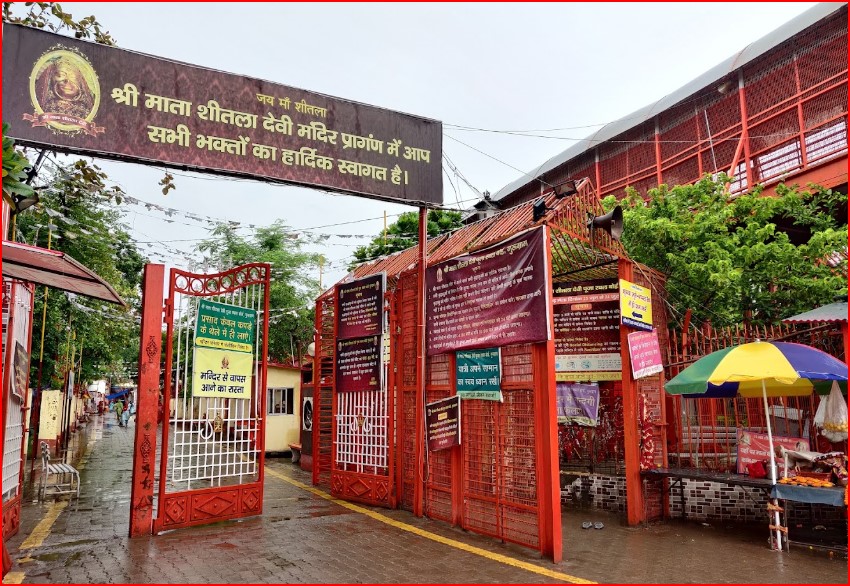
You may also like: Sheetla Mata temple Mandir Gurgaon

https://mytempletrips.in/sheetla-mata-temple-mandir-gurgaon/
Suraj Kund Sunam Temple – Ludhiana-Hisar

Today we take you to Sri Someshwara Temple Kolar. We have covered a lot about Kolar in our many of previous posts.

There are many beautiful temples in and around Kolar which are of great religious and historical importance.

We have written about Kolaramma temple, Sri Kotilingeshwara Temple, Avani temple, Sri Kurudumule Ganesha temple, Sri Anjenaya Swamy temple (ardhigiri), Sri Bangaru Tirupati temple all of which are in / Around Kolar and are must visit.

Follow those link to read more about them.

Sri Someshwara temple Kolar is also one of the very old temples of Kolar region. More than 1000 years old, this temple was also built during Chola , Chalukya and Vijanagara dynasities. A good example of Vijayanagra style of architecture.

In a hurry, watch this video:

https://www.youtube.com/watch?v=jJCDI3mGXUI

The goupuram, ie, the entrance of temple is huge. It looks just majestic.

Someshwara Temple Kolar
The Majestic Gopuram of Sri Someshwara Temple

The temple is dedicated to Lord Shiva ( worshipped as Lord Someshwara here). This temple is at walking distance from Kolaramma temple and hence you can club both the temples during one visit.

The view from temple entrance is equally impressive. The "Dhwaja Stambh" can be seen from outside.

Someshwara Temple Kolar
Another view of Dhawaja Stambh

As you enter inside you will find that the main temple structure. A classic example of dravidian temple architecture. The square sanctum is surrounded by narrow passage way for people to do parikrama.

Someshwara Temple Kolar
The narrow passageway

The carvings on the pillar are also worth seeing.

There are a lot of carvings on the pillar of temples. Various mythological characters are depicted along with animals like horses.

Someshwara Temple Kolar

The main temple premises has Kalyan Mantappa and Vasantha Mantappa, apart from Mukha Mandap.

Someshwara Temple Kolar

It would be a nice trip, I assure you.

If you are in Bangalore, it takes around 90 mins to reach there and an hour or so for both Someshwara temple and Kolaramma temple.

Hence can be covered in a half a day trip.

Directions to Someshwara Temple Kolar:

You need to reach Kolar. The temple is very near to the national highway (approx 2 to 3 kms). Google maps are best.

But below are my comments on 2 main routes. ( The directions are same as Kolaramma temple directions and both the temples are at walking distance from each other)

  • Bangalore -> Hoskote -> Kolar -> Someshwara temple
  • Bangalore -> Sarjapura – >Malur -> Kolar – > Someshwara temple

Remember, the temple closes at around 1.30 PM and then reopens at 4.00 PM and hence it is very important that you plan accordingly.

So do plan to visit and let us know your experience!

Have a wonderful trip

-mytempletrips

Someshwara Temple – Kolar – Karnataka

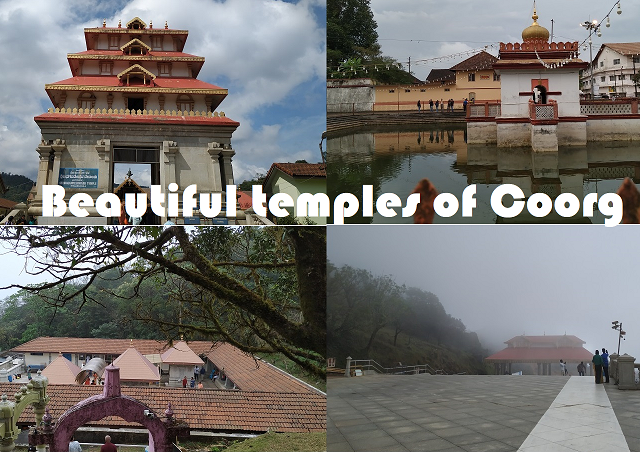
Beautiful temples of Coorg: Coorg is a very beautiful hill station near Mysore / Bangalore. It is also called as scotland of India due to is scenic beauty.

Coorg offers its visitors unmatched scenic beauty , greenery all around, lush green coffee estates, water falls, trekking destinations and lots more.

https://youtu.be/l8mDbSReMXc

But Coorg also offers its visitors beautiful and mythologically important temples which are a must visit if you are visitng Coorg.

Friends welcome to our post 'Talakaveri - and other beautiful temples in Coorg"

Talakaveri is one of the most important and known destination because this is the place where river Cauvery originates and it has a beautiful temple at this place.

We have visited Coorg recently and below are the temple which can be planned in any trip to Coorg

Remember Coorg is area which has many small towns.

For all practical purposes Madikeri is best and you can book hotels / homestays here. All these temples are near by Madikeri.

How to reach Madikeri? There are 3 routes

Route 1: Banglore -channapatna -mandya-mysore-kushalnagar-madikeri

Route 2: Banglore-nelamangala-kunigal-yadiyur-channapatna-kushalnagar-madekeri

Route 3: Banglore- nelamangala-kunigal-yadiyur-nelmangala-bettadapura-kushalnagar madekeri

Talakaveri

Talakaveri is one of the most important pilgrimage center in this area and also a very popular tourist destination.

Talakaveri temple premises has temples dedicated to Lord Ganesha, Lord Agasthya and Mata Caveri.

River Cauvery is one of the seven holy rivers of India and is also called as Ganga of south.

A the temple premises, there is a small tank which is also called as Bhrama Kundike or Cauvery Kundike and this is where the river Cauvery originates as a perennial spring and then again disappears underground.

It remerges again at Bhagamandala where it is joined by 2 other rivers, Kannike and Sujyothi. This place hence is called as Triveni Sangam and is also another important pilgrimage center.

talakaveri temple

Near the Bhrama Kund, there is a small temple. The most important day of this temple is Tula sankrama of Makar Masa. It is said that on this day goddess Cauvery appeared on this earth. It is said that during this day the water level of the Bhrama Kund suddenly increases. This is a sacred place for all the Hindus and devotees from across country come here to take a dip at this holy kund!

sage agashtya

After taking bath in the kund, there are rooms where you can change the clothes. Other facilities like place where you can keep your shoes, bags etc is present. You can also have nice prasadam at the annadanam there.

Talakaveri is at the foothills of Bhramagiri hills which is altitude of 1276 m above the sea level. There are around 600 steps which can take you at the peak of the hills and view from there is awesome.

steps leading to top of the bhramagiri hills

Talakaveri temple timings

6 am Temple Open
6-7 am Darshan
7-7.30 am Abhisekh
7.30-5.30 pm Darshan timings
5.45- 6pm Maha Arti
6 pm close

Sri Bhagandeshwara Temple , Bhagamandala

Another beautiful temple and important pilgrimage center of this area, Bhagamandala is the place where river Cauvery meets the other 2 rivers Kannike and Sujyothi and this place is called as Triveni Sagam. Devotees take dip in this holy Sangam.

bhagamandala temple entrance

Just next to this Sangam is an important temple of the area call as Shri Bhagandeshwara Temple.

triveni Sangama

This temple is built in Kerala Style with red tiled roof. The courtyard is huge. This place is around 8 Kms before Talakavveri.

Sri Omkareshwara temple - Madikeri

Sri Omkareshwara temple is also one of the important temple of the area.

This temple is dedicated to lord Shiva and is located near Madikeri fort.

The temple was built by the king Linga Rajendra II and is unique in the sense that the architecture is heavily influenced by Islamic and Gothic architectural styles.

Sri Omkareshwara temple - Madikeri

The temple is open throughout the year and has no restriction on timings. An important temple of this area is a must visit of you are in Coorg/Madikeri.

You may also like : temples of jammu and kashmir

Read more on Coorg Itinerary here

Have a good day!

-Kumar

Talakaveri – and other beautiful temples in Coorg

Bhadrakali temple Thanesar - Friends let me take you to Shri Bhadrakali temple is located on Jhansa road in Thanesar which falls in District Kurukshetrac of Haryana.

The temple is dedicated to Ma Kali.

Shri Devikoop temple is another name for the Bhadrakali temple Thanesar . Devi Kali, one of Devi's nine incarnations.

Bhadrakali temple Thanesar

Among the 51 Shakti-peethas is this temple. Savitri peetha is another name for Bhadrakali shakti peetha.

In the temple is a large idol of Devi Kali. Upon entering the temple, one is greeted by a large lotus that resembles Devi Sati's left leg. White marble is used to build this.

Bhadrakali temple Thanesar legend

According to legend, Devi Sati committed suicide by plunging into the Havan fire, which her father, King Daksheshwara, had set ablaze.

Bhadrakali temple Thanesar

During Lord Shiva's running around the world with her body, Lord Vishnu used his Sudarshan chakra to split the body into 51 halves.

This shrine is called Devikoop because, of those 51 parts, the right ankle of the Sati fell here, inside a well.

The Pandavas from Mahabharat are reported to have worshipped Devi Durga and Shri Krishna here, asking for blessings to help them win the war against the Kauravas.

They donated horses to this shrine after winning the war, and ever since, this custom has persisted.

Bhadrakali temple Thanesar

Devotees come here to perform the mundan (bald head) rite for their children because it is also stated that Lord Krishna and Balrama had it here.

This temple celebrates all the holidays. Here, the Durga puja and Navratra festivals are the main draws.

On these days, a lot of devotees congregate, and the temple is decked out in flowers and lights. Visitors are able to find calm in the environment of the shrine.

Bhadrakali temple Thanesar

You may also like: Sheetla Mata temple Mandir Gurgaon

https://mytempletrips.in/sheetla-mata-temple-mandir-gurgaon/
Bhadrakali temple Thanesar – District Kurukshetra – Shakti Peeth

Sheetla Mata Mandir, Gurugram (Gurgaon) is a temple dedicated to Mata Sheetla Devi, who is Kripi/Kripai/Lalitha, the wife of Guru Dronacharya.

Guru Dronacarya , according to the Indian epic Mahabharata was the teacher of the Pandavas and Kauravas.

The district Gurgaon, recently renamed Gurugam, takes its name from Guru + Gramme, signifying the guru's hamlet.

Sheetla Mata temple Mandir Gurgaon

The temple is located on Sheetla Mata Road in Gurgaon city, Gurgaon district, Haryana state, India. The shrine is well-known and a huge number of people visit it.

Sheetla Mata temple Mandir history

The Sheetla Mata temple is dedicated to Guru Dronacharya's wife, Kripi/Kirpai, also known as Lalitha.

Kirpai, also known as Lalita and later Mata Sheetla, used to live in the nearby Union Territory of Delhi village of Keshopur.

Sheetla Mata temple Mandir Gurgaon

Dronacharya, her husband, used to come to Keshopur every day from his Gurugram ashram.

She devoted herself to caring for ailing children, particularly those suffering from smallpox. People referred to her as Mata (Mother) with warmth and respect.

After her death, a temple was built in her honour, and she became known as Mata Sitla or Mata Masani, i.e. "the goddess of smallpox."

Masani Mother is reported to have come in a dream to Chaudhri Singh Ram alias Singha, a fief-holder of village Gurgaon, more than three centuries ago.

She indicated a wish to relocate from Keshopur to Gurgaon.

She asked him to construct a home for her. Gurugram Bhim Kund is located to the south of Gurugram village, near the Dronacharya temple.

Sheetla Mata Temple is located just north of Gurugram village.

According to folklore, even after Singha brought and installed the goddess Masani, as her heart desired, in hamlet Gurgaon, the villagers of Keshopur continued to contest claims.

This disagreement was settled during the reign of Begum Samru, the Mughal Governor of Jharsa.

Her child, who had contracted smallpox, was cured after being consecrated before the goddess Masani in Gurgaon in the customary manner.

It was then determined that the goddess had moved to the village of Gurgaon.

The current temple was established in the 18th century by Jat monarch Jawahar Singh of Bharatpur in commemoration of his triumph over the Mughals, for which he had sought Sheetla Mata's blessings.


You will also like: Hanuman Mandir Connaught Place Delhi – A temple from Mahabharata times

https://mytempletrips.in/hanuman-mandir-connaught-place-delhi-a-temple-from-mahabharata-times/
Sheetla Mata temple Mandir Gurgaon

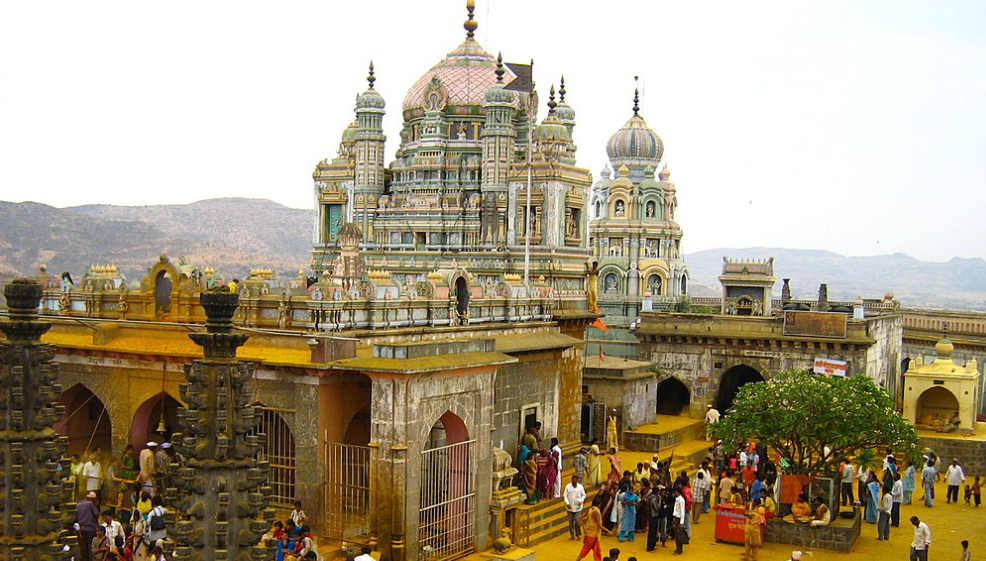
Friends let me take you to Khandoba temple Jejuri today one of the major Pilgrimage Center of Maharashtra. Southeast of Pune city is the town and municipality of Jejuri, which is 48 kilometres from Pune Junction.

One of the most visited temples in Pune is the hamlet of Jejuri, which is well-known for housing Khandoba Temple, one of Maharashtra's most revered temples.

The Jejuri Khandoba Temple honours Khandoba, who is also referred to in the area as Mhalsakant or Malhari Martand.

The most revered deity among the Dhangar, the oldest tribes in Maharashtra, is Khandoba.

Khandoba is said to be a Sakamabhakti god, meaning that he grants all of his devotees' wishes. Jejuri is well-known for its ancient Deep Mala.

Situated on a hill, the Khandoba temple in Jejuri has excellent views in every direction. A almost 200-step staircase leads up to the sanctum sanctorum.

On either side of the temple's main entrance are several stone representations of elephants.

The Khandoba temple is situated in the middle of a stone pavement that encircles the whole level plateau above the hill.

The shrined deity of Sri Khandoba within the temple is breathtakingly gorgeous. The Jejuri Temple is home to three weapons: a paral, a damaru, and a sword. Not only are they extremely beautiful, but they also have historical significance.

Every year, on the festival of Dussera, the temple hosts a sword competition.

The winner is the one who raises the temple sword the highest for the longest period of time. Those from all across the state come here to celebrate the Bandara festival.

Khandoba temple Jejuri history

The sages were distressed and the Earth was being disturbed by Malla and Mani. When Indra and Vishnu acknowledged their limitations, the Sages turned to Shiva for assistance. Shiva and his army mounted atop Nandi, the bull, and assumed the form of Khandoba before engaging in combat with demons. Turmeric covers his body, and his avatar is said to have a third eye on his brow, shaped like a semicircular moon.

It took a lengthy battle, but Khandoba eventually defeated the demons. Mani begged for a blessing from him and offered his white horse as an expression of repentance. He requested to be present in each of Khandoba's temples, and the people will give him goat flesh. Shiva turned him into a devil after granting his desire. What if Khandoba demanded the destruction of the world and human flesh, Malla questioned? Malla was promptly beheaded by Khandoba after becoming enraged, and it fell to the shrine's stairs where it was crushed under the boots of the worshippers.

Khandoba had two wives, Banas Mhalsa, who is worshipped as Ganga and Parvati in Hinduism. Hegadi Pradhan, the brother-in-law of Khandoba, is regarded as a manifestation of Lord Vishnu. The devils are referred to as Madhu and Kaitaba, respectively, while the horse that Mani donated is thought of as Nandi.

According to another tale, Khandoba's two wives fought alongside him. As each drop of the ichors of Mani created a new devil, they were gathering them. Finally, all the blood had been consumed by Khandoba's dog.

The temple was constructed around 1608 AD. Ragho Mambaji, a Maratha leader, finished the central mandap and other elements in 1637 AD. The Holkar emperors constructed the outer chambers and other areas. Tukoji Holkar assisted in the completion of the tank and battlefield around 1770 AD.

The temple priests worship Khandoba with Indian Bael leaves, turmeric, onion, and other vegetables. They also provide a sweet onion and brinjal dish. As Naivedya, he is served a vegetarian dish. Despite this, his followers regard him as a non-vegetarian. Devotees will occasionally sacrifice goat flesh. The ritual is performed outside the temple because meat is not permitted inside.

The temple celebrates A 6-day festival in the Hindu month of Margashirsha, as a tribute to Khandoba.

The celebration begins on the first lunar day and concludes on the sixth. According to legend, Khandoba slew the demon on the sixth day. On the sixth day of Pember, a yatra is organised, which lasts till Amavasya.

Somvati Amavasya is another event observed in Jejuri. On this day, the pictures of Khandoba and Mhalasa are brought in a palanquin from the temple to the Karha River. The photos are douched, cleaned, and dedicated here. Pilgrims fast for six days and then break it on the seventh. On this day, at Khandoba's insistence, they attend a feast.

Jejuri Khandoba Temple is well-known for its Bhandara festival, which attracts over five lakh worshippers. Showers of haldi or turmeric, also known as 'bhandara,' turn the entire temple grounds and steps yellow. The bhandara festival, also known as'sonyachi Jejuri' or golden Jejuri, is held nearly three times a year.

Khandoba temple Jejuri website: www.khandobaandur.com or phone +91 95277 70420.

https://www.khandoba.com/index

Every year, travellers flock to the temple because of its intriguing narrative. The temple is one of the most well-known Hindu shrines. Every year, many Jain devotees visit the shrine in addition to Hindus.

How to Reach Khandoba Temple

The temple is around 50 km from Pune and is well-connected to the rest of the state. To go there, people can take government buses or cabs from Pune.

The Jejuri railway station is the nearest station. There are also trains from Mumbai and Pune.

Because Jejuri is a prominent pilgrimage place in Maharashtra and is only 50 kilometres from Pune, it is well connected to all major cities in India as well as all important cities throughout the world.

You can easily book flights to Pune from anywhere in the world, and then a private vehicle to Jejuri. The town contains railway stations from which trains may be taken to practically all important cities in India.

Every year, hundreds of tourists and devotees from all across India come to Jejuri to see the Khandoba Temple.

As a result, public transport is rapidly evolving to meet their needs.

  • Jejuri is only 50 kilometres from Pune,
  • 266 kilometres from Nashik,
  • 171 kilometres from Matheran,
  • 120 kilometres from Lonavala,
  • 217 kilometres from Shirdi,
  • 163 kilometres from Bhimashankar, and
  • 294 kilometres from Trambak.

Khandoba Temple Jejuri Timings

Monday5 AM to 9 PM
Tuesday5 AM to 9 PM
Wednesday5 AM to 9 PM
Thursday5 AM to 9 PM
Friday5 AM to 9 PM
Saturday5 AM to 9 PM
Sunday5 AM to 9 PM

Darshan is available daily from 6.30 a.m. to 12 p.m.

Pooja and aarti are performed between 12 and 12.30 p.m.

From 12.30 p.m. to 2 p.m., the maha Prasad bhog is served.

Khandoba temple Jejuri Pune

The Laxmi Narayan Temple Bhopal, perched atop Bhopal's Arera Hills, offers a breathtaking view of the city's past.

Who built Shri Laxmi Narayan Temple Bhopal ?

Known by another name, the Birla Mandir is dedicated to Ma Laxmi, the Goddess of Prosperity.

The well-known Birla family constructed and looks after the temple.

This house of worship, which is perched on a hill, offers a broad perspective over Bhopal's capital.

The Laxmi Narayan Temple Bhopal is one of the several Laxmi Narayan temples built by the Birla family in various cities.

Laxmi Narayan Temple Bhopal

Laxmi Narayan Temple Diety

The Laxmi Narayan Temple is dedicated to the Hindu goddess of wealth, Lakshmi, and her celestial spouse, Vishnu, who is also known as Narayana, the Preserver of the Universe.

The temple also houses Lord Shiva and his spouse, Parvathi.

Laxmi Narayan Temple Architecture

This temple, which has an obvious ancient charm and is surrounded by vegetation, is still a popular destination in Bhopal.

The temple's architecture exudes an aura of antiquity and has a yellowish-sand hue.

The stunning white marble stone that encircles the entire shrine adds to its opulent atmosphere.

The building's facade is a huge turret, and the compound is surrounded on other sides by expansive lawns.

This shrine is accessible through a magnificent archway. In addition to spiritual seekers, Bhopal locals regularly visit this shrine.

A museum is also located in the complex.

The sacred site is made more beautiful by the contiguous greenery of the winding lawns and its old-world charm.

The temple is visited by devotees seeking the blessings of the goddess Lakshmi. The temple's magnificent cloisters at the entrance add to its architectural magnificence.

The temple features a large steeple on one side. The Laxmi Narayan Temple, also known as the Birla Temple, is accessible by a stunning arch surrounded by verdant meadows.

In addition, there is a magnificent statue of Shiva and Parvati in a reclining position at this sacred site.

A stunning view of the city can be seen from the Vaishnavite temple. The serene atmosphere of this magnificent house of worship provides devoted comfort to the followers.

Other Information

Lakshmi Narayan Temple Address: Arera Hills , Bhopal , Madhya Pradesh , 462011 , India
Lakshmi Narayan Temple Contact Number: +91-9039633192
Lakshmi Narayan Temple Timing: 06:00 am - 08:00 pm
Best time to visit Lakshmi Narayan Temple(preferred time): 07:00 am - 06:00 pm
Time required to visit Lakshmi Narayan Temple: 00:40 Mins


You may also like: Jatashankar Mandir – Jatashankar pachmarhi madhya pradesh

https://mytempletrips.in/jatashankar-mandir-jatashankar-pachmarhi-madhya-pradesh/
Laxmi Narayan Temple Bhopal

Shri VaradaVinayak Temple is another important temple near Pune and must visit if you are on a trip to Pune or live there.

So freinds let me take you to Shri Varada Vinayak Temple.

Varada Vinayak temple is located in Mahad Village On NATIONAL HIGHWAY NO.4, NEAR MUMBAI PUNE EXPRESS HIGHWAY, KHALAPUR-410203

VaradaVinayak temple - Mahad Village - Khalapur

This Ganesha temple is well-known in India. Since 1892, a nandadeep, or lamp, has been lit continuously in this Hindu temple. It is one of the Ganesha Ashtavinayak temples in India.

The idol of this temple, Varada Vinayak is supposed to be swyambhu and was found in the adjoining lake in 1690 AD.

In the year 1725 AD, Subhedar Ramji Mahadev Biwalkar constructed the temple. The temple is home to a lovely pond.

This temple's idol faces east. In this shrine, there is an oil lamp that has allegedly been burning nonstop since 1892.

Along with a Shivalinga, this temple also houses the idols of Mushika and the Navagraha Devtas.

The four corners of this Hindu temple are watched over by four elephant statues.

VaradaVinayak temple - Mahad Village - Khalapur

Devotees may enter the Garbagriha of this Ashta Vinayak temple and offer the idol personal attention and respect.

Varada Vinayak temple Mahad details:

Varada Vinayak temple Address: Mahad, Taluka Khalapur Khopoli, District, Mahad, Maharashtra - 410202
Varada Vinayak temple Phone/Mobile No.: 02142 242 263
Varadvinayak Ganpati Bhakta Niwas: Bhakta Niwas (Tel: 02192-266912 and Tariff: Rs 200) is the ideal place to stay here. The rooms and loos are clean and well-maintained. Lunch is provided as prasad by the temple (noon-2 pm). Else, villagers (temple officials guide visitors to them) provide good meals for Rs 40 per thali.

Taluka: Khalapur Khopoli
District: Raigad, Maharashtra
Nearest City: Karjat, Khopoli

Season To Visit: All (Best Season To Visit: After August Month)
Languages: Marathi, Hindi and English

Varadvinayak Temple Timings:

Varadvinayak Temple Timings: 5:30 AM to 09:00 PM
Photography
: Not Allowed in the temple and Ganesh Murti
Vehicle Parking: Free parking space available

Varada Vinayak temple legend

The temple tales claim that Koudinyapur's King Bhima never had children.

When he and his wife went to the jungle to perform penance, they ran into the sage Vishwamitra.

VaradaVinayak temple - Mahad Village - Khalapur

Vishwamitra gave the king a mantra which is called as Ekashar Gajana mantra to chant and thus his son and heir, prince Rukmaganda was born.

Rukmaganda grew up into a beautiful young prince.

Once on a hunting trip, Rukmanganda stopped at the ashram of the Rishi Vachaknavi. The Rishi's wife, Mukunda fell in love at the sight of the handsome prince and asked him to fulfill her desires.

The virtuous prince flatly refused and left the ashram. Mukunda became lovesick. Sensing an opportunity, King Indra took the form of Rukmaganda and made love to her. Mukunda became pregnant and gave birth to a son Gritsamada.

When Gritsamada came to know about the truth of his birth, he cursed his mother to become an unattractive and thorny berry-bearing "Bhor" plant. Mukunda in turn cursed Gritsamada, that a cruel rakshas (demon) will be born to him.

Suddenly they both heard a heavenly voice saying, "Gritsamada is the son of Indra", shocking them but too late to alter their respective curses.

Mukunda was transformed into the Bhor plant. Gritsamada, ashamed and penitent, retreated to the Pushpak forest where he prayed to Lord Ganesha (Ganapati).

Lord Ganesha was pleased by Gritsamada's penance and offered him a boon that he will have a son who would not be defeated by anybody other than Shiva.

Gritsamada asked Ganesha to bless the forest, so that any devotees who pray here would be successful and urged Ganesha to stay there permanently .

Gritsamada built a temple there and the Ganesha idol installed there is called Varadavinayaka. Today the forest is known as Bhadraka.

How to reach Varadvinayak Ganpati Temple

Mahad Varadvinayak Ganpati Temple By Road

  • Mahad Varadvinayak Ganpati Temple at Mahad is 63 km from Mumbai,
  • Mahad temple is around 85 km from pune
  • Mahad Ganpati temple is around 25 km from Karjat, 21 km from lonavala and 6 km from Khopoli.
  • The temple is 1.5 kms off the Mumbai – Pune old Highway.
  • Mahad Bus Station, operated by Maharashtra State Road Transport Corporation (MSRTC), connects the place with other major towns such as Khopoli, Mahabaleshwar, Karjat, Alibag, and Shivthar Ghal. Mahad can also be reached via Mumbai – Panvel – Khopoli road.

Mahad Varadvinayak Ganpati Temple by Train:

Khopoli/Karjat Railway Station on central railway line is the nearest railway station to shri Mahad Ganpati Temple.

Karjat rilway station is quite well connected by various parts of country.

Mahad Varadvinayak Ganpati Temple by Air:

The nearest aiprpot to Shri Varada Vinayak temple is Pune and Mubai airports. Both of the aiports are around 75 to 80 Kms from the tempe and you can taxi from there.

Mahad temple Bhakta Niwas - Shri Varadvinayak Ganesha Bhakta Niwas

Mahad Bhakta Niwas Address: Mahad Bhakta Niwas, Mahad, Taluka Khalapur Khopoli, District Raigad, State Maharashtra, India, 410202

Mahad Bhakta Niwas Contact: 02192 - 266912

Mattresses, Bed Covers, Pillows and Blankets, Chatai.
Fans, Charging Slots, Good Lights, Dressing table.
AC, Attached Washroom and TV not for comman hall
Hot Warer 4:00 AM to 6:00 AM
The Rooms clean, hygienic, Best services, Power backup and secure.
Note: This amenities and facilities changes as per room type and diffirent types of bhakta bhavan of all Ashtavinayak Bhakta Niwas.


You may also like: Shri Manudevi Temple at Adgaon Village in Jalgaon district of Maharashtra.

https://mytempletrips.in/shri-manudevi-temple-at-adgaon-village-in-jalgaon-district-of-maharashtra/
VaradaVinayak temple – Mahad Village – Khalapur

Friends let me take you today to Shri Manudevi Temple is in Adgaon Village located in Jalgaon district of Maharashtra.

Shri Manudevi Temple is situated on River Tapi in the picturesque Satpuda Hills. A gravel road that is paved for 1500 metres leads up to the temple.

The temple is accessible after a fascinating 1500-meter hike through picturesque greenery.

The temple rises 500 metres. Hills surround the temple on three sides.

A stunning 400-foot-high waterfall lies in front of you.

The waterfall has ferocious rushing water for six to seven months out of the year, touching the Satpuda foothills.

You will see a lake which is formed because of this.

Shri Manudevi Temple at Adgaon Village in Jalgaon district of Maharashtra.

History of Shri Manudevi Temple Adgaon

Around 1251 A.D./B.C., the temple was found. Excavations reveal that this structure is a tens of thousands-year-old temple.

It is said that this is manifested in the large trees at the entrance to the shrine.

Lord Parshurama himself greets followers arriving for Shree Manudevi's darshan.

Regarding this sacred shrine, there is a rich folklore and historical heritage.

Shri Manudevi Temple Adgaon Mythology

The mythology is mentjond in Shri Bhagwath Purana.

It is said that Lord Vishnu, Shiva and Brahma faced a serious challenge.

Rakshasas were troublng the people of earth. The trinity met in a cave in the Satpuda ranges. This cave is the Shri Manudevi temple is located .

While deeply meditating on a solution, their breathing and the environment that was made in the cave by their power and meditation, gave rise to an illumination of Shakti (power inherent in a goddess) as lightening.

These rays culminated into Goddess Manudevi. She is the combined strength, power and intelligence of the Trinity.

"O Adishakti, we are in a crisis," the Devtas implored to Goddess Manudevi. The earth is in danger from the Asura Mahishasur.

We urge you, Goddess, to destroy him by taking on an enraged personality. Please help us in establishing world peace.

The Asura will be killed shortly, the Goddess Manudevi vowed. She informed them that she would launch her assault against the Asura in the guise of Sapthashrung deva right away.

Once she arrived at River Tapi, the Goddess decimated the Asura's armies. There was a conflict in the Shiragadh region.

She is revered in this place as Ashta Bhujaa Devi of Shiragadh. The Goddess then continued on to Nandra (Bajara).

There is also a temple here dedicated to her as Ashta Bhujaa Devi.

She then travelled to Paatna, the scene of a significant demon war.

The Goddess, who was exhausted, took a nap at this location, where she earned the name "Paatna Devi". Ashta Bhujaa Devi was a representation of Manudevi's calm form.

The Sapthashrung Mountains was the site of the fianel conflict.

The seven-year war between the Goddess and the Asura. Adharma and adharma engaged in combat. Changing into Sapthashrunga Devi, the Goddess.

This is the enforcer form, which the evil find dreadful. She killed the Mahishasur and his army while in this form. According to folklore, Khandesh became the Devi's residence.

Ho to reach Shri Manudevi Temple Adgaon?

  • Nearest Airport located at Jalgaon and Aurangabad and you can get taxi fro there
  • Nearest Railway station is Jalgaon and it is very easy to get public transport or taxi from there
  • Jalgaon is quite well connected , by road, to all the major cities of Maharashtra. And from the bus stop you can get taxi or other public transport


You may also like: Bhagwant Temple at Barshi Village Solapur – Must visit

https://mytempletrips.in/bhagwant-temple-at-barshi-village-solapur-must-visit/
Shri Manudevi Temple at Adgaon Village in Jalgaon district of Maharashtra.

Friends let me take you to Barshi today, a small village in Solapur. Barshi is famous for the Bhagwant temple. which is dedicated to Lord Vishnu.

So what is unique about Shri Bhagwant temple ?

The uniqueness of this temple is that it is the only Shri Vishnu temple in India that has Shri Vishnu's name as Bhagawant. In the year 1245 A.D., the temple was built in the Hemadpanthi style.

Shri Bhagwant temple architecture

The temple has four entrances from all four directions, with the main entrance facing east.

In front of Garbhagraha, there is one Garudakhamb (Dwajasthambam). The main deity, Shri Bhagwant, is shown in black stone with Shanku (Conch), Chakra, and Gada in his hands with a depiction of devotee king Ambrish beneath his right hand.

Ma Lakshmi's idol is at the back side of Lord Vishnus idol.

Shivlinga is there on the forehead and marks of footsteps of Bhrigu Rishi are seen on the chest of the diety.

Old documents show concessions issued by Shri Nanasaheb Peshve in 1760, the East India Company in 1823, and the British Government in 1784.

A Panch Committee oversees temple administration. Badves perform temple rituals on a daily basis.

Kakada Arti, Nitya pooja, and Mahapooja are performed in the morning, Dhuparti in the evening, and Shejarti at night.

A large number of devotees attend during the Ekadashi of Chaitri, Maghi, Aashadi, and Kartikai (Hindu Months).

During the Aashadi and Kartikai Ekadashi, the deity Bhagwant, riding on Garuda, is paraded around the entire town. Every full moon, a Chabina is taken out.

Lord Bhagawanta awakens every morning at 5.00 a.m. with the Kakad arati adorations, accompanied by the sound of the sacred instruments.

They bring sugar, fruits, milk, curds, and butter as offerings. Shri Dattatreya Krishnath Patil is the traditional Kakad of Bhagawant Mandir.

The priest is adamant about upholding this tradition. Shri Bhaurao Tatya Patil was the first to take on the role of Bhagawant Kakad, a tradition that has been passed down through the centuries.

The Lord is first worshipped with ghee lamps during Kakad arati, and then the priest changes the cloth and offerings of fruits and sugar are made.

Warm water is used to wash the Lord's Lotus feet. A pancharati is conducted after incense is waved and milk is served in a silver pitcher.

Following that, Shri Ganapati and Shri Varuna are worshipped by blowing the conch. A dab of butter is placed in Lord's mouth by the priest.

Following that, he is anointed with milk, curds, ghee, sugar, and honey. Lord Bhagawanta is given a bath using water from his silver pail.

This water is regarded equivalent in merit to Bhagirathi and is showered over the assembled devotees.

The devotees then perform the karpur arati and sing hymns and praises. After the Lord has been cleansed and dressed, he is offered a khichadi offering. The local business community is taking care of this.

In the afternoon, the town's Brahmins, such as Deshpande, Joshi, Patil, and Deshmukh, perform naivedya/repast for Lord Bhagawanta.

The priests bring this from the individual families' homes. On events like as Gudi Padva, Dasera, and Diwali, many offerings are presented to the God.

How to reach Shri Bhagwant temple?

  • Nearest airport is Pune airpport and you can take cabs or public transport from there.
  • Barshi Railway Station falls on the Kurduwadi-Latur route of central railway.
  • Temple is around 70kms from Solapur. Buses ply every hour from Solapur to Barshi and vice versa.

Other temples to visit in/around Solapur

There are many other places you can visit in Solapur. Please click here for list of places.

For all other temples of Mahrastha - click here

Bhagwant Temple at Barshi Village Solapur – Must visit