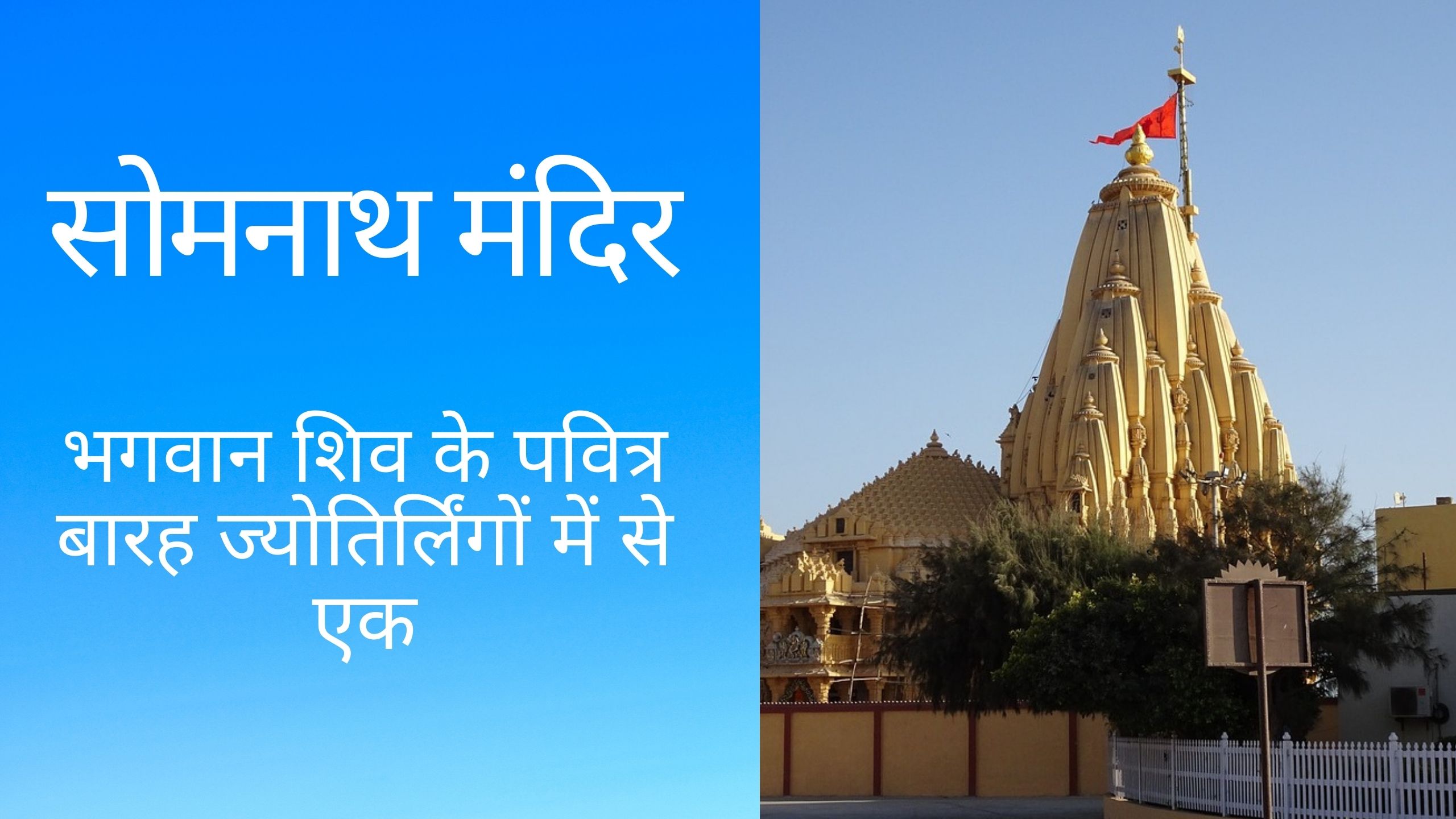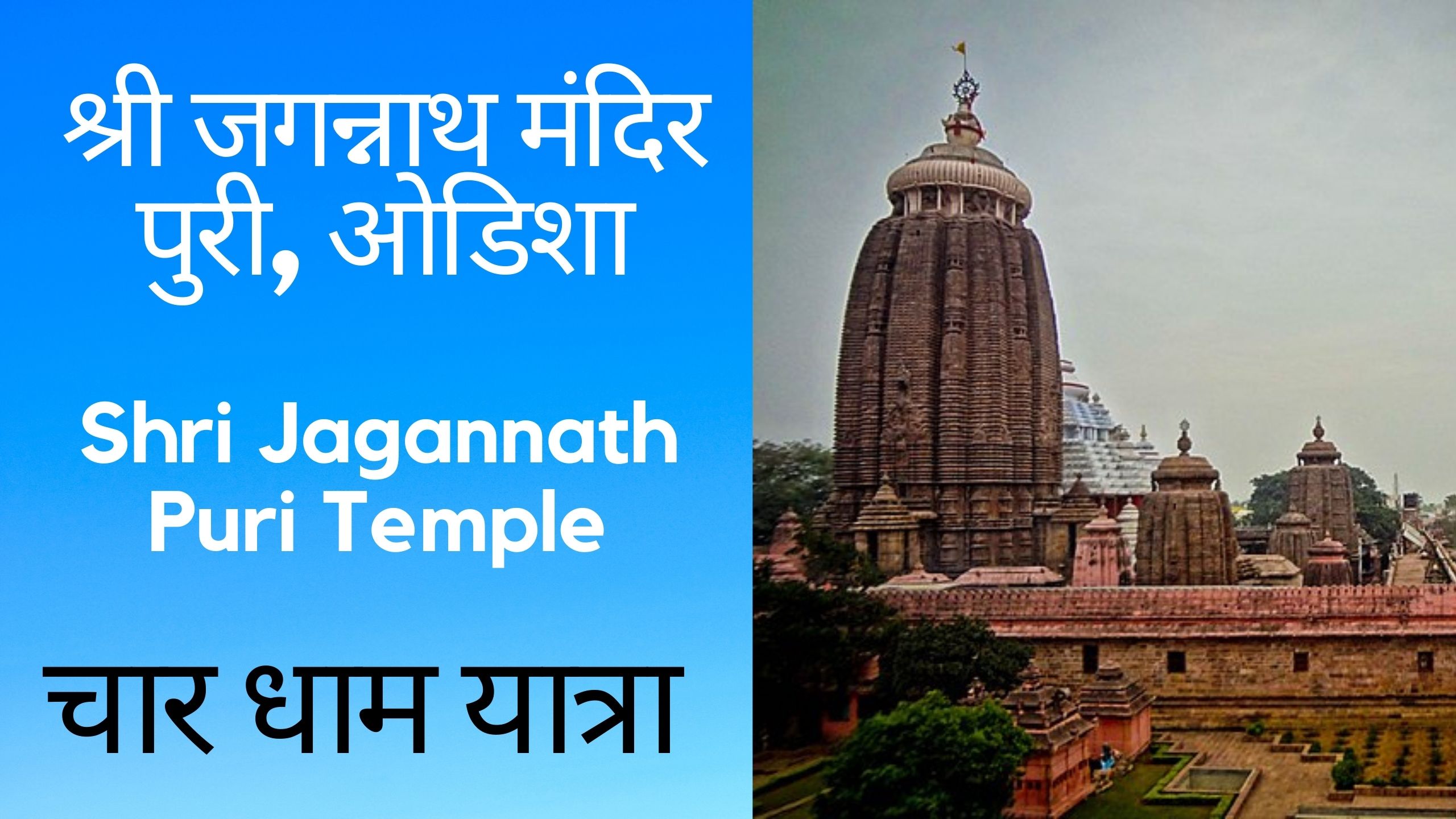
श्री जगन्नाथ मंदिर ( Jagannath Puri Temple ) 11 वीं शताब्दी में पुरी शहर में बना एक पवित्र मंदिर है। इसके निर्माण राजा इंद्रदेव ने करवाया था। यह भव्य मंदिर…
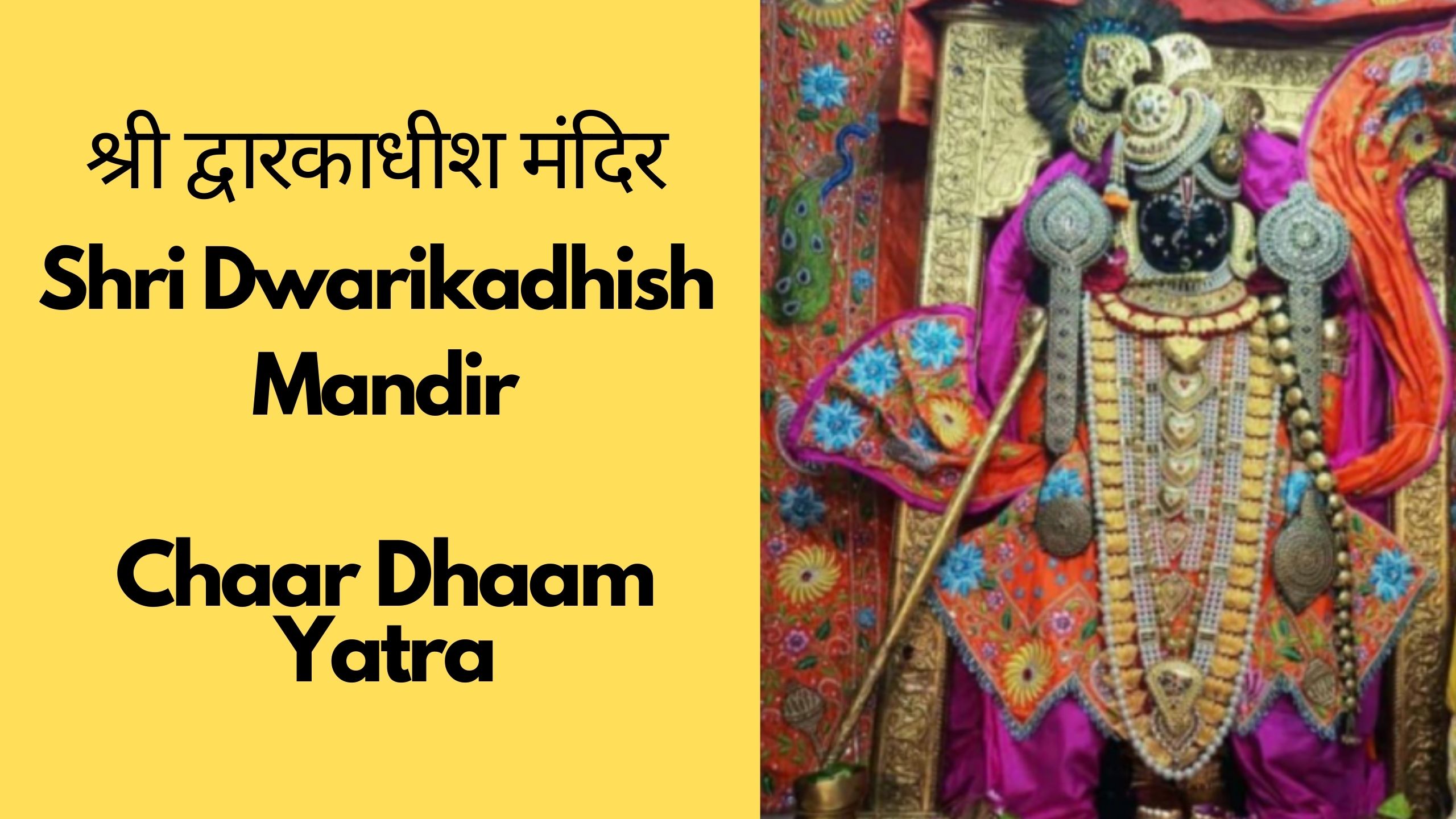
दोस्तों आज हम आपको श्री श्री द्वारकाधीश मंदिर ( Dwarikadhish Mandir ) के बारे में बताएँगे। द्वारका शहर का मुख्य आकर्षण है श्री द्वारिकाधीश मंदिर है जो भगवान श्री कृष्ण…
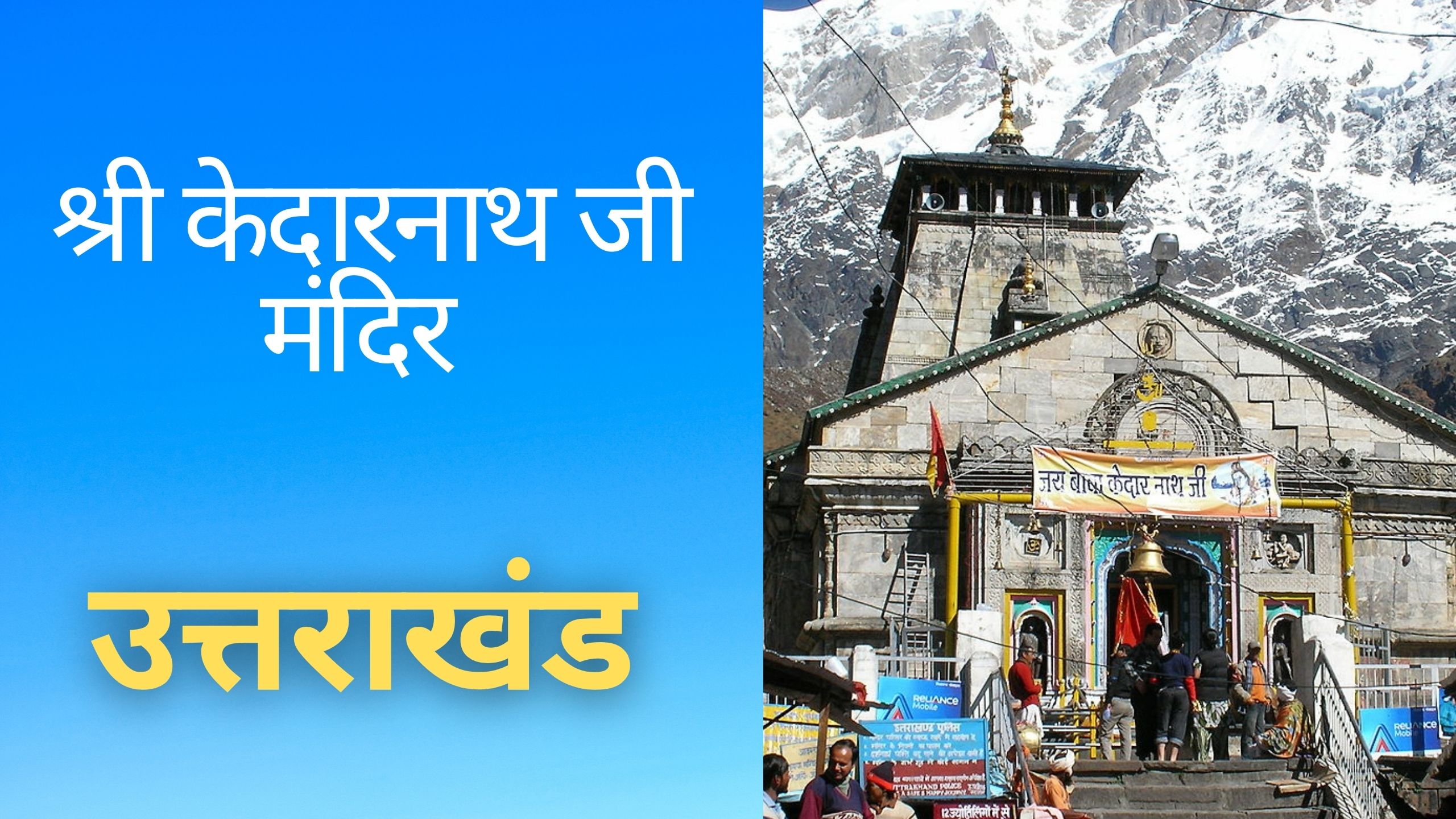
केदारनाथ मंदिर ( Kedarnath Mandir ) कहाँ है ? कैसे पहुंचे ? पौराणिक महत्वा क्या है ? Kedarnath kaise pahunche aur kedarnath jane ka sahi samay. Kedarnath Mandir khulne ka…
अपने पाठकों के लिए हम नीचे श्री श्री महावीर स्वामी (तीर्थंकर) ( Mahaveer Chalisa ) चालीसा लेकर आए हैं। महावीर भगवान का चालीसा ( Mahaveer Chalisa ) नीचे दोहा, चौपाई…
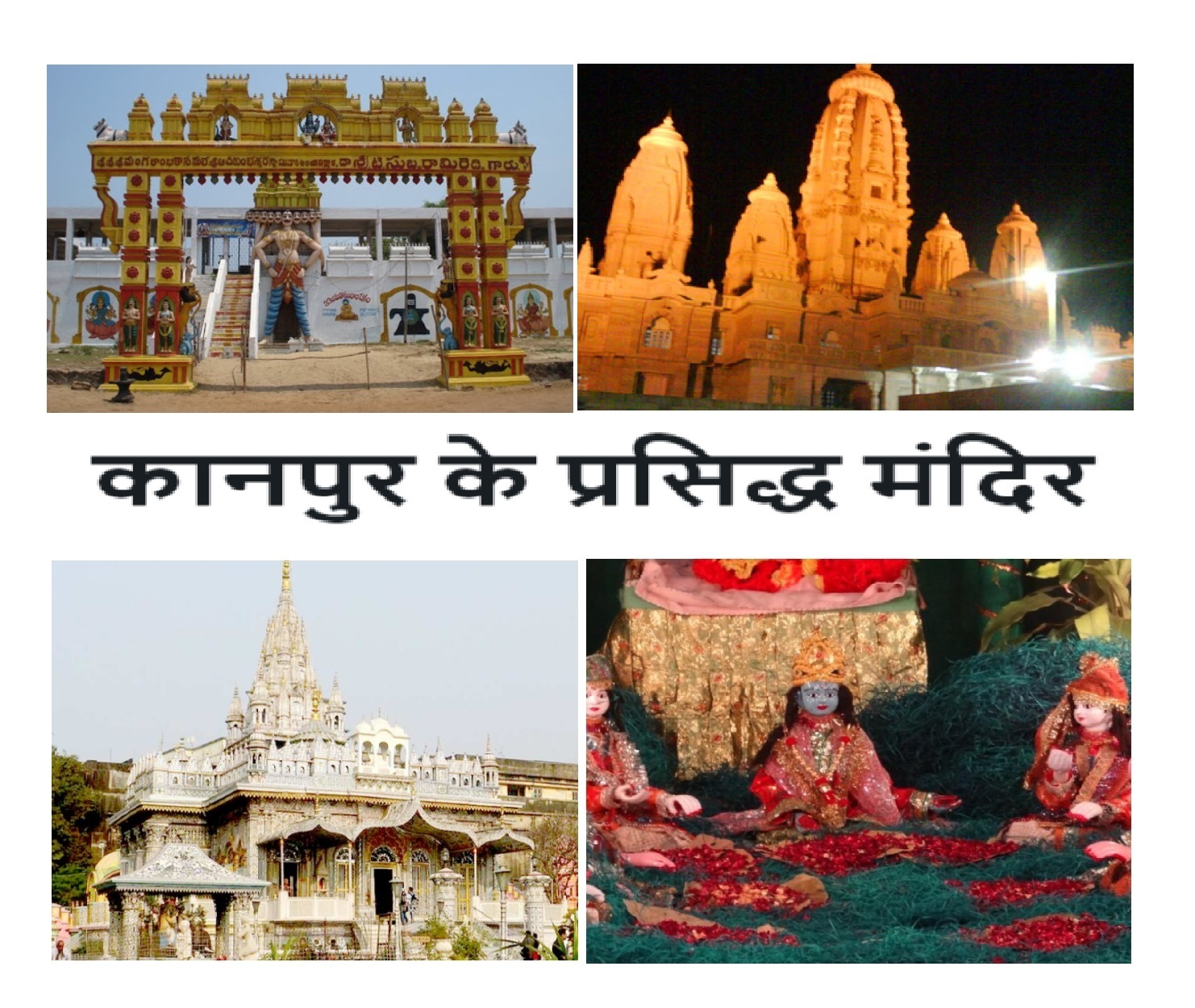
Kanpur Famous Temples - कानपुर के प्रसिद्ध मंदिर : कानपुर (Kanpur) उत्तर प्रदेश, भारत का एक प्रसिद्ध औद्योगिक शहर है और अपने चमड़े और कपास उत्पादों के लिए प्रसिद्ध है…
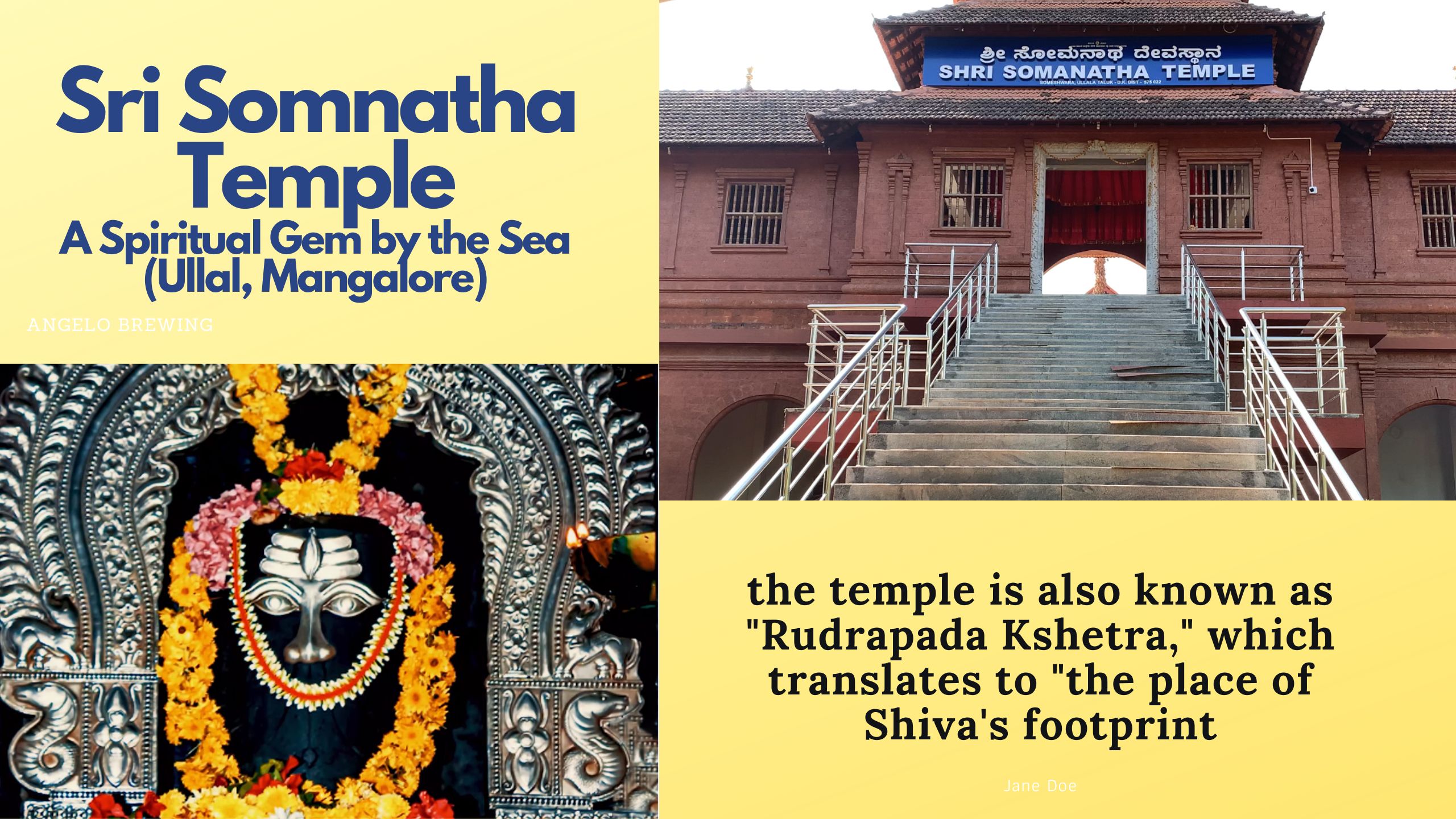
Shri Somanatha Temple Mangalore - A Spiritual Gem by the Sea. This ancient temple is not only a place of religious significance but also offers breathtaking views of the Arabian…
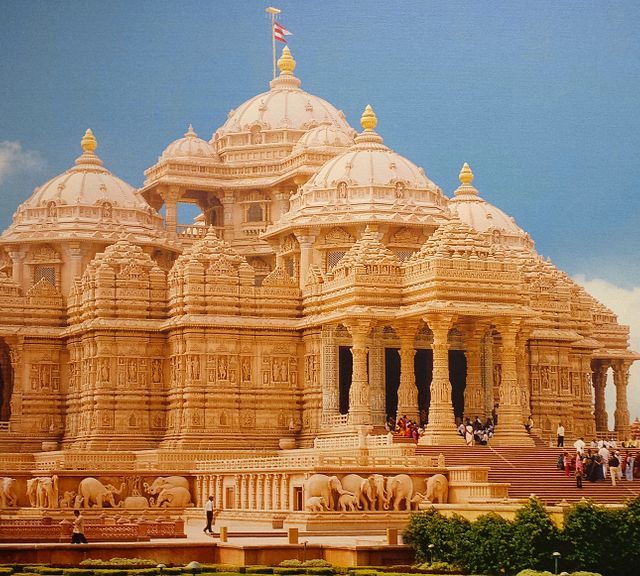
Delhi has a lot to offer to it's visitors. There are a lot of historical and religious places in Delhi to keep you occupied. Today we talk about a beautiful temple in delhi and is well known, called as Akshardham temple.
We recently visited Delhi and had half a day in hand to go around and we planned to visit Akshardham temple. We would say that it is a must visit if you are planning to visit Delhi and can spare some time out of your schedule.
Akshardham means the divine abode of God. The temple was constructed by Bochasanwasi Shri Akshar Purushottam Swaminarayan Sanstha It was inspired by HH Yogiji Maharaj and Created by His Holiness Pramukh Swami Maharaj
Also known as Sri Swaminarayan Akshardham temple, this temple is made of nicely carved sandstone and marble.
How to reach Akshardham temple
Akshardham is a prominent landmark in the city and is very well on tourist map. Hence you just need to tell the auto / cab or taxi guy that you need to go to Akshardham.
Main temple
We took the metro. The metro station is called as Akshardham metro station . The Delhi metro is extremely fast and convinient to use…If you are alone or with a small family then definitely use the metro.
Akshardham temple - Our Experience
As we got out of the station, we walked for about 5 minutes to the entrance of the temple. Also remember that you will have to reach the temple by 6:30 pm as it is the last entry time.
As we entered we were given slips and trays, we are supposed to write our name,residence address, phone number,etc. and submit our phones, cameras and other electronics items. Remember all these are not allowed in the temple. This whole procedure took around 35 to 40 mins. It all depends upon the rush. Weekends the rush is more and hence more time. Also Akshardham is best when visited during evening and hence rush is more during evening times.
OK, we then head over to the security check which took another 20 mins.
We have to remove our belts, keys, chains,watches etc. and send it through the scanner. This safety procedure needs to be followed.
We also noticed that there were separate queue for males and females. And this becomes a challenge when you are with a big group. So plan your time accordingly and also keep patience as these procedures do take time.
What to do at Akshardham temple
We then entered the temple premises…we were first greeted by the 10 gates, which represents the 10 directions according to Vedic literature. These gates show that goodness will continue to come in from all the directions. The carvings on the walls are just amazing.
There are couple of things to do there. Main temple of course needs to be visited. Apart from that there is a exhibition showcasing our cultural values and then in the evening there is a water show.
There is a fee for Exhibition and Water Show. Water show is only in the evening.
Before entering the main temple you can deposit the shoes at footwear deposit counter.. There was simple science that fascinated us The temple had blackish brown and white tiles. we were supposed to walk on the white tiles as they were not hot at all!!!
As we entered the temple we were amazed to see so many sculptures, Akshardham Temple comprises 200 sculptured stone figures of India's sages, monks, Acharyas and divine incarnations. It also consists of 234 ornately carved pillars, 9 ornate domes, Gajendra Pith and 20,000 statues of divine figures of India.
The detail were amazing, every corner was sculpted to represent some or the other holy figure, the domes and everything had been detailed very carefully and creatively.
There are many small snacks stalls in the temple premises and you can buy anything if you are really hungry.
The temple has 11 feet high beautiful statue of Lakshmi Narayan and other statues of Shiva Parvati, Radha Krishna and Sita Ram within the memorial. The theatre within the premises, which is known as Nilkantha. It reflects the events from the life of God Swaminarayan.
The temple has also achieved a place in the Guinness Book of World Records. On 17 December, 2007, the Akshardham Temple was declared as The Largest Comprehensive Hindu `temple in the World by the International Organization.
Overall, it was an amazing experience visiting Akshardham. It is definitely a must visit if you are visiting Delhi.
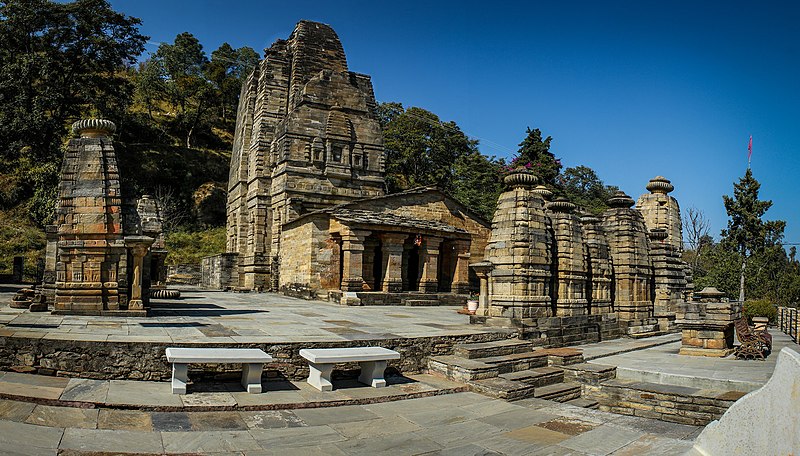
कटारमल सूर्य मंदिर ( Katarmal Surya Mandir Almora ) ऐतिहासिक रूप से महत्वपूर्ण 12वीं शताब्दी का स्मारक है और प्राचीन मूर्तिकला का एक उत्कृष्ट उदाहरण है। सूर्य की पहली किरण…
Ramchaura Temple Hajipur Bihar - रामचौरा मंदिर बिहार के हाजीपुर शहर में स्थित बहुत प्रसिद्ध मंदिरों में से एक है। Ramchaura Temple is one of the very famous temples located…
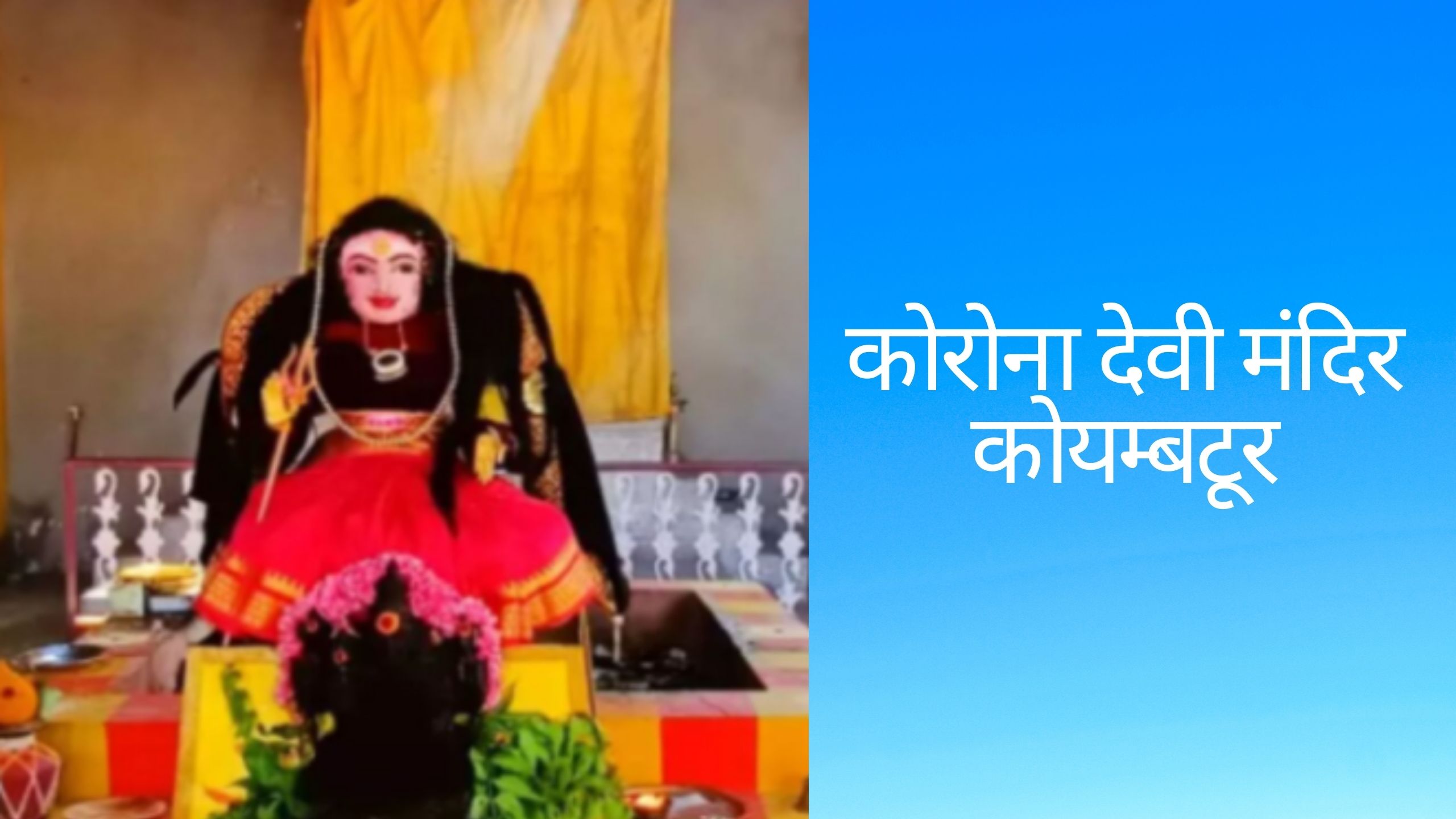
Carona Devi Temple Coimbatore - दोस्तों आपको आश्चर्य होगा अगर मैं आपको बता दूं कि कोयंबटूर में कोरोना देवी को समर्पित एक मंदिर है जिसे कोरोना देवी मंदिर कहा जाता…
भगवान शिव की आरती / Shivji ki Aarti / Om Jai Shiv Omkara ओम जय शिव ओंकारा, स्वामी जय शिव ओंकारा। ब्रह्मा, विष्णु, सदाशिव, अर्द्धांगी धारा॥ओम जय शिव ओंकारा॥एकानन चतुरानन…
भगवान महावीर, जिन्हें वर्धमान के नाम से भी जाना जाता है, जैन धर्म के 24 वें तीर्थंकर थे। वे 24 वें तीर्थंकर पार्श्वनाथ थे। भगवान महावीर के उपदेश आज की…
Friends are you looking for beautiful temples around Bangalore.
Today we take you to a small and beautiful temple situated on a small hill-top near Bangalore.
Today we are talking about Thimmarayansway temple situated on a small hilltop in an old village just behind the electronics city, a famous area in Bangalore. This village is called as Bettadasanapura. Today we have lots of development around this village.
But the hill itself is a granite hill, with a bit flat top and temple on that.
It offers an excellent view of the area around.
The temple is a fort temple. As you can see this temple is built inside a small fort inside the temple. The arch towards the fort is around 500 mts on the foothill and as you go up, you will see the fort.
The fort itslef is built just using the stones and there is a small entrance at the fort which will lead you to the temple.
There is no much history available around this temple, but it is said that temple is around 500 years old. Local legends say the Marrhisi Gautham meditated here and temple is built at this spot.
There are 2 temples here. First one is Sri Thimmarayansway temple. Shri Thimmarayansway temple is dedicated to lord Vishnu. And then there is a adjacent temple dedicated to Lord Shiva, called as Kashi Vishwanath temple.
Inside the temple, there is also a small Kalyani.
This granite hill offers an excellent view around. It is also said that some episodes of Malgudi days were shot here, but I am not really sure.
But, I would say please do visit this small, but beautiful temple.
I was very impressed and I am sure you will like it to.
How was your trip. Do let us know your comments!
Arch for the temple entrance
You can also check out some other beautiful temples around Bangalore. There a some nice to visit temple in Hosur.
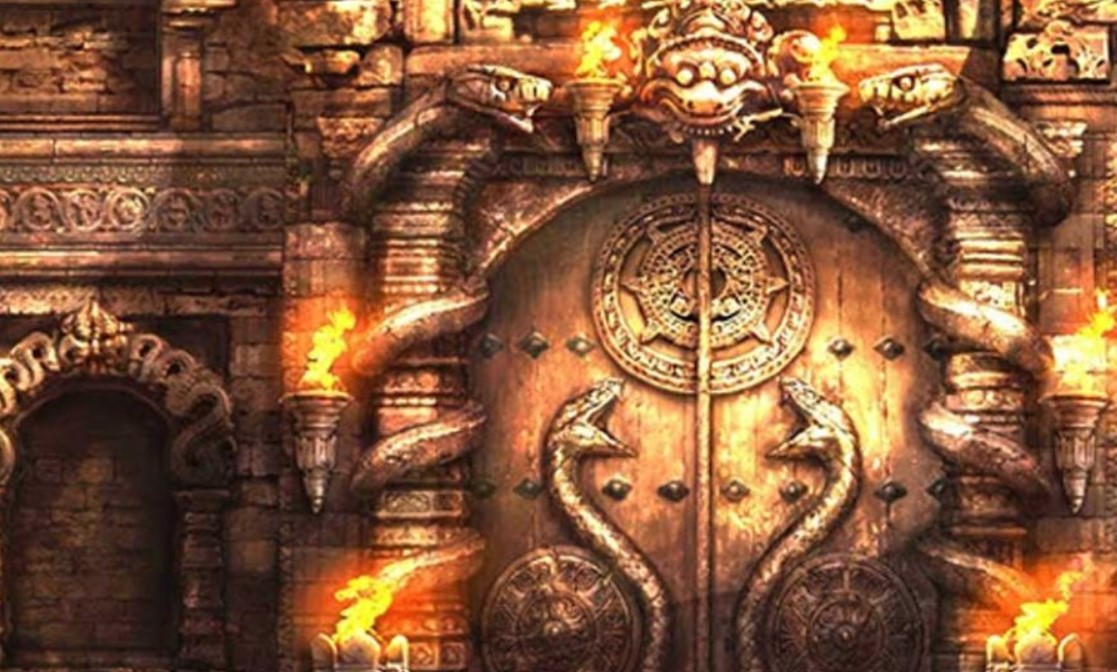
7th mysterious door of padmanabhaswamy temple in hindi - पद्मनाभस्वामी मंदिर का 7वां रहस्यमयी दरवाजा। दोस्तों श्री पद्मनाभस्वामी मंदिर के बारे में कौन नहीं जानता। पद्मनाभस्वामी मंदिर भारत के केरल…
Suraj Kund Sunam temple is a well-known Hindu temple. Located approximately 1.5 kilometres away in the Thashil and Sub division of the Sangrur District, to the east of Sunam city, a large Sun temple dating back to the Vedic period was destroyed by Taimur ( also knowns as Mohammad Ghaznavi).
It is said that the river Saraswati used to flow near by Suraj Kund Sunam Temple.
The suraj kund is now in ruins and needs attention. It is situated near to the Ludhiana Hisar railway line.
Suraj Kund Sunam Temple Sunam's history dates back to the Vedic era, when it was known as Surajpur.
As we have mentioned before, it is said that river saraswati used to flow near by.
The walls of an ancient fort, into which its occupants were forced to seek safety, were used to construct the present town.
It is split into two sections: one is located in the fort's citadel, and the other is on the surrounding lowland.
Even though it is now of little consequence, Sunam was important to the history of the Punjab following the invasion from west.
Al-Baruni mentions it as a well-known location in his book "Kitab-ul-Hind," written in 1050 AD.
Suraj Kund Sunam Temple history
In Sanskrit, the name "Sunam" means "auspicious name," but some claim it was named for the Gujari woman Sona, who helped Muhammad of Ghor defeat the Bathinda fort and asked him to give Sunam as a reward.
Some acknowledge a derivation from Sunam, which denotes a camel's hump in Aravic. Qutb-un-Din Aibak gave the place the name Sunam when he noticed that it had this shape, but this etymology is implausible because the town is said to have taken on its current form only after Taimur's invasion (AD 1398).
Sunam was ruled by Hindu Rajas until Muhammad of Ghor took control of it.
Sher Khan, the page of Sultan Shams-ud-Din Altmash, received it in Jagir. After his cousin Sher Khan passed away, Ghais-ud-Din Balban gave it to Timar Khan with Samana (now in Patiala District), and he later gave it to his own son Bughra Khan.
Subordinate to Muhammad Shah Tughlaq, its tribe rose up in rebellion.
In 1360, Firoz Shah built a canal that connected the town to Sirhind and Mansurpur; however, Taimur attacked it in 1398.
Digging to a depth of 40 to 50 feet reveals ancient artefacts, large bricks, and bones. It was a Sirhind Pargana during Akbar's reign.
Similar to Samana and Sirhind (now in the Patiala District), Sunam was a political hub during the Muslim era.
This town was liberated from the control of Muslims by Baba Ala Singh, the founder of the former Patiala State.
In his Ain-i-Akbar ri, Akbar's courtier Abul Fazal wrote that the Emperor frequently travelled to Sunam for hunting expeditions.
How to Reach Suraj Kund Sunam Temple
By Air : Nearest airport is Ludhiana Airport. from there you have many options to reach to the temple
By Rail: You can easily get regular trains to Sunam from other major cities of the country.
By Road: There are no bus routes from other major cities to Sunam. Nearest bus stand is Sangrur.
Sri Someshwara temple Kolar is also one of the very old temples of Kolar region. More than 1000 years old, this temple was also built during Chola , Chalukya and Vijanagara dynasities. A good example of Vijayanagra style of architecture.
In a hurry, watch this video:
https://www.youtube.com/watch?v=jJCDI3mGXUI
The goupuram, ie, the entrance of temple is huge. It looks just majestic.
The Majestic Gopuram of Sri Someshwara Temple
The temple is dedicated to Lord Shiva ( worshipped as Lord Someshwara here). This temple is at walking distance from Kolaramma temple and hence you can club both the temples during one visit.
The view from temple entrance is equally impressive. The "Dhwaja Stambh" can be seen from outside.
Another view of Dhawaja Stambh
As you enter inside you will find that the main temple structure. A classic example of dravidian temple architecture. The square sanctum is surrounded by narrow passage way for people to do parikrama.
The narrow passageway
The carvings on the pillar are also worth seeing.
There are a lot of carvings on the pillar of temples. Various mythological characters are depicted along with animals like horses.
The main temple premises has Kalyan Mantappa and Vasantha Mantappa, apart from Mukha Mandap.
It would be a nice trip, I assure you.
If you are in Bangalore, it takes around 90 mins to reach there and an hour or so for both Someshwara temple and Kolaramma temple.
Hence can be covered in a half a day trip.
Directions to Someshwara Temple Kolar:
You need to reach Kolar. The temple is very near to the national highway (approx 2 to 3 kms). Google maps are best.
But below are my comments on 2 main routes. ( The directions are same as Kolaramma temple directions and both the temples are at walking distance from each other)
Remember, the temple closes at around 1.30 PM and then reopens at 4.00 PM and hence it is very important that you plan accordingly.
So do plan to visit and let us know your experience!
Have a wonderful trip
-mytempletrips
Someshwara Temple – Kolar – Karnataka
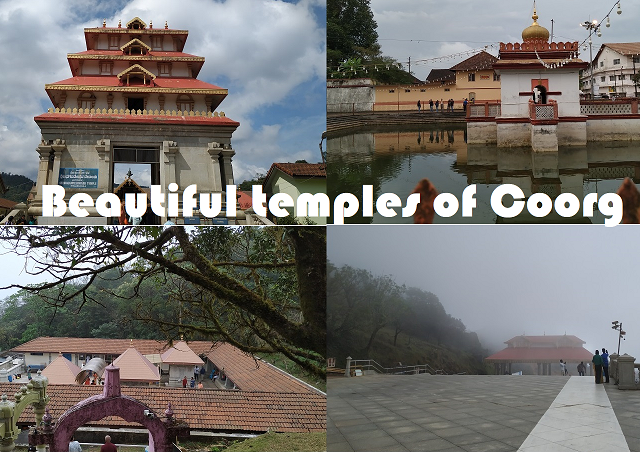
Beautiful temples of Coorg: Coorg is a very beautiful hill station near Mysore / Bangalore. It is also called as scotland of India due to is scenic beauty.
Coorg offers its visitors unmatched scenic beauty , greenery all around, lush green coffee estates, water falls, trekking destinations and lots more.
https://youtu.be/l8mDbSReMXc
But Coorg also offers its visitors beautiful and mythologically important temples which are a must visit if you are visitng Coorg.
Friends welcome to our post 'Talakaveri - and other beautiful temples in Coorg"
Talakaveri is one of the most important and known destination because this is the place where river Cauvery originates and it has a beautiful temple at this place.
We have visited Coorg recently and below are the temple which can be planned in any trip to Coorg
Remember Coorg is area which has many small towns.
For all practical purposes Madikeri is best and you can book hotels / homestays here. All these temples are near by Madikeri.
Talakaveri is one of the most important pilgrimage center in this area and also a very popular tourist destination.
Talakaveri temple premises has temples dedicated to Lord Ganesha, Lord Agasthya and Mata Caveri.
River Cauvery is one of the seven holy rivers of India and is also called as Ganga of south.
A the temple premises, there is a small tank which is also called as Bhrama Kundike or Cauvery Kundike and this is where the river Cauvery originates as a perennial spring and then again disappears underground.
It remerges again at Bhagamandala where it is joined by 2 other rivers, Kannike and Sujyothi. This place hence is called as Triveni Sangam and is also another important pilgrimage center.
Near the Bhrama Kund, there is a small temple. The most important day of this temple is Tula sankrama of Makar Masa. It is said that on this day goddess Cauvery appeared on this earth. It is said that during this day the water level of the Bhrama Kund suddenly increases. This is a sacred place for all the Hindus and devotees from across country come here to take a dip at this holy kund!
After taking bath in the kund, there are rooms where you can change the clothes. Other facilities like place where you can keep your shoes, bags etc is present. You can also have nice prasadam at the annadanam there.
Talakaveri is at the foothills of Bhramagiri hills which is altitude of 1276 m above the sea level. There are around 600 steps which can take you at the peak of the hills and view from there is awesome.
Talakaveri temple timings
6 am Temple Open 6-7 am Darshan 7-7.30 am Abhisekh 7.30-5.30 pm Darshan timings 5.45- 6pm Maha Arti 6 pm close
Sri Bhagandeshwara Temple , Bhagamandala
Another beautiful temple and important pilgrimage center of this area, Bhagamandala is the place where river Cauvery meets the other 2 rivers Kannike and Sujyothi and this place is called as Triveni Sagam. Devotees take dip in this holy Sangam.
Just next to this Sangam is an important temple of the area call as Shri Bhagandeshwara Temple.
This temple is built in Kerala Style with red tiled roof. The courtyard is huge. This place is around 8 Kms before Talakavveri.
Sri Omkareshwara temple - Madikeri
Sri Omkareshwara temple is also one of the important temple of the area.
This temple is dedicated to lord Shiva and is located near Madikeri fort.
The temple was built by the king Linga Rajendra II and is unique in the sense that the architecture is heavily influenced by Islamic and Gothic architectural styles.
The temple is open throughout the year and has no restriction on timings. An important temple of this area is a must visit of you are in Coorg/Madikeri.
Murudeshwar is a small town of North Karnataka, located on the west coast of India. It is famous for Murudeshwar temple which and a very tall Shiva statue. In fact…
Bhadrakali temple Thanesar - Friends let me take you to Shri Bhadrakali temple is located on Jhansa road in Thanesar which falls in District Kurukshetrac of Haryana.
The temple is dedicated to Ma Kali.
Shri Devikoop temple is another name for the Bhadrakali temple Thanesar . Devi Kali, one of Devi's nine incarnations.
Among the 51 Shakti-peethas is this temple. Savitri peetha is another name for Bhadrakali shakti peetha.
In the temple is a large idol of Devi Kali. Upon entering the temple, one is greeted by a large lotus that resembles Devi Sati's left leg. White marble is used to build this.
Bhadrakali temple Thanesar legend
According to legend, Devi Sati committed suicide by plunging into the Havan fire, which her father, King Daksheshwara, had set ablaze.
During Lord Shiva's running around the world with her body, Lord Vishnu used his Sudarshan chakra to split the body into 51 halves.
This shrine is called Devikoop because, of those 51 parts, the right ankle of the Sati fell here, inside a well.
The Pandavas from Mahabharat are reported to have worshipped Devi Durga and Shri Krishna here, asking for blessings to help them win the war against the Kauravas.
They donated horses to this shrine after winning the war, and ever since, this custom has persisted.
Devotees come here to perform the mundan (bald head) rite for their children because it is also stated that Lord Krishna and Balrama had it here.
This temple celebrates all the holidays. Here, the Durga puja and Navratra festivals are the main draws.
On these days, a lot of devotees congregate, and the temple is decked out in flowers and lights. Visitors are able to find calm in the environment of the shrine.
Bhadrakali temple Thanesar – District Kurukshetra – Shakti Peeth
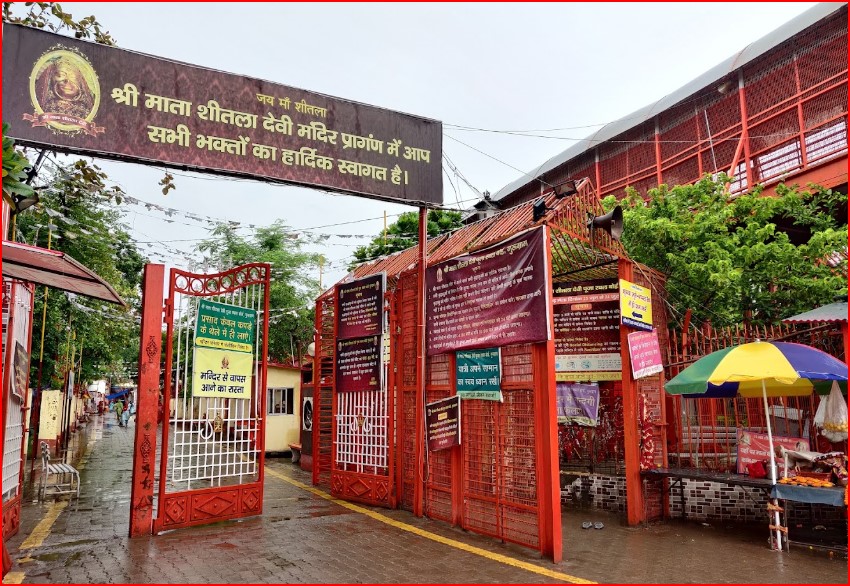
Sheetla Mata Mandir, Gurugram (Gurgaon) is a temple dedicated to Mata Sheetla Devi, who is Kripi/Kripai/Lalitha, the wife of Guru Dronacharya.
Guru Dronacarya , according to the Indian epic Mahabharata was the teacher of the Pandavas and Kauravas.
The district Gurgaon, recently renamed Gurugam, takes its name from Guru + Gramme, signifying the guru's hamlet.
The temple is located on Sheetla Mata Road in Gurgaon city, Gurgaon district, Haryana state, India. The shrine is well-known and a huge number of people visit it.
Sheetla Mata temple Mandir history
The Sheetla Mata temple is dedicated to Guru Dronacharya's wife, Kripi/Kirpai, also known as Lalitha.
Kirpai, also known as Lalita and later Mata Sheetla, used to live in the nearby Union Territory of Delhi village of Keshopur.
Dronacharya, her husband, used to come to Keshopur every day from his Gurugram ashram.
She devoted herself to caring for ailing children, particularly those suffering from smallpox. People referred to her as Mata (Mother) with warmth and respect.
After her death, a temple was built in her honour, and she became known as Mata Sitla or Mata Masani, i.e. "the goddess of smallpox."
Masani Mother is reported to have come in a dream to Chaudhri Singh Ram alias Singha, a fief-holder of village Gurgaon, more than three centuries ago.
She indicated a wish to relocate from Keshopur to Gurgaon.
She asked him to construct a home for her. Gurugram Bhim Kund is located to the south of Gurugram village, near the Dronacharya temple.
Sheetla Mata Temple is located just north of Gurugram village.
According to folklore, even after Singha brought and installed the goddess Masani, as her heart desired, in hamlet Gurgaon, the villagers of Keshopur continued to contest claims.
This disagreement was settled during the reign of Begum Samru, the Mughal Governor of Jharsa.
Her child, who had contracted smallpox, was cured after being consecrated before the goddess Masani in Gurgaon in the customary manner.
It was then determined that the goddess had moved to the village of Gurgaon.
The current temple was established in the 18th century by Jat monarch Jawahar Singh of Bharatpur in commemoration of his triumph over the Mughals, for which he had sought Sheetla Mata's blessings.
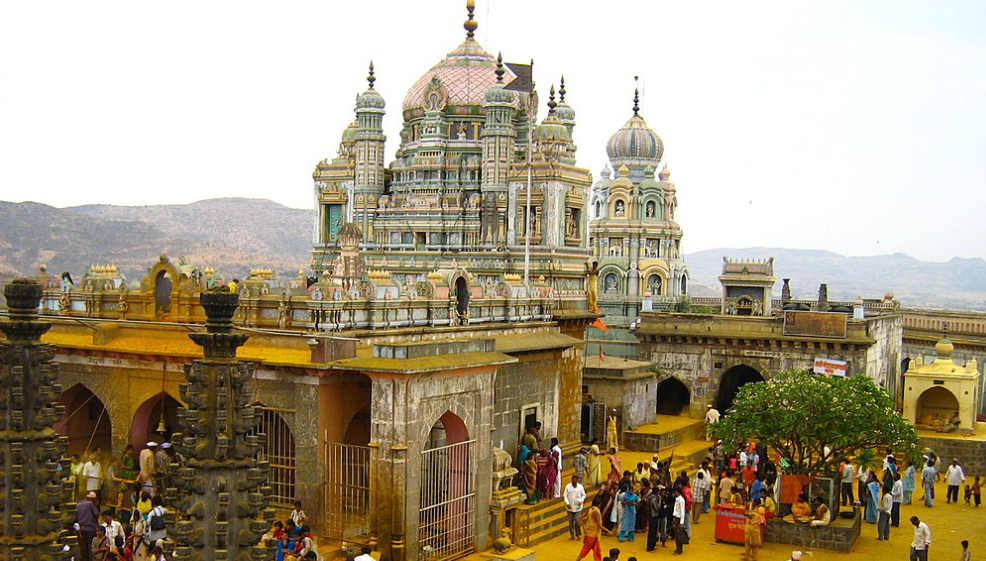
Friends let me take you to Khandoba temple Jejuri today one of the major Pilgrimage Center of Maharashtra. Southeast of Pune city is the town and municipality of Jejuri, which is 48 kilometres from Pune Junction.
One of the most visited temples in Pune is the hamlet of Jejuri, which is well-known for housing Khandoba Temple, one of Maharashtra's most revered temples.
The Jejuri Khandoba Temple honours Khandoba, who is also referred to in the area as Mhalsakant or Malhari Martand.
The most revered deity among the Dhangar, the oldest tribes in Maharashtra, is Khandoba.
Khandoba is said to be a Sakamabhakti god, meaning that he grants all of his devotees' wishes. Jejuri is well-known for its ancient Deep Mala.
Situated on a hill, the Khandoba temple in Jejuri has excellent views in every direction. A almost 200-step staircase leads up to the sanctum sanctorum.
On either side of the temple's main entrance are several stone representations of elephants.
The Khandoba temple is situated in the middle of a stone pavement that encircles the whole level plateau above the hill.
The shrined deity of Sri Khandoba within the temple is breathtakingly gorgeous. The Jejuri Temple is home to three weapons: a paral, a damaru, and a sword. Not only are they extremely beautiful, but they also have historical significance.
Every year, on the festival of Dussera, the temple hosts a sword competition.
The winner is the one who raises the temple sword the highest for the longest period of time. Those from all across the state come here to celebrate the Bandara festival.
Khandoba temple Jejuri history
The sages were distressed and the Earth was being disturbed by Malla and Mani. When Indra and Vishnu acknowledged their limitations, the Sages turned to Shiva for assistance. Shiva and his army mounted atop Nandi, the bull, and assumed the form of Khandoba before engaging in combat with demons. Turmeric covers his body, and his avatar is said to have a third eye on his brow, shaped like a semicircular moon.
It took a lengthy battle, but Khandoba eventually defeated the demons. Mani begged for a blessing from him and offered his white horse as an expression of repentance. He requested to be present in each of Khandoba's temples, and the people will give him goat flesh. Shiva turned him into a devil after granting his desire. What if Khandoba demanded the destruction of the world and human flesh, Malla questioned? Malla was promptly beheaded by Khandoba after becoming enraged, and it fell to the shrine's stairs where it was crushed under the boots of the worshippers.
Khandoba had two wives, Banas Mhalsa, who is worshipped as Ganga and Parvati in Hinduism. Hegadi Pradhan, the brother-in-law of Khandoba, is regarded as a manifestation of Lord Vishnu. The devils are referred to as Madhu and Kaitaba, respectively, while the horse that Mani donated is thought of as Nandi.
According to another tale, Khandoba's two wives fought alongside him. As each drop of the ichors of Mani created a new devil, they were gathering them. Finally, all the blood had been consumed by Khandoba's dog.
The temple was constructed around 1608 AD. Ragho Mambaji, a Maratha leader, finished the central mandap and other elements in 1637 AD. The Holkar emperors constructed the outer chambers and other areas. Tukoji Holkar assisted in the completion of the tank and battlefield around 1770 AD.
The temple priests worship Khandoba with Indian Bael leaves, turmeric, onion, and other vegetables. They also provide a sweet onion and brinjal dish. As Naivedya, he is served a vegetarian dish. Despite this, his followers regard him as a non-vegetarian. Devotees will occasionally sacrifice goat flesh. The ritual is performed outside the temple because meat is not permitted inside.
The temple celebrates A 6-day festival in the Hindu month of Margashirsha, as a tribute to Khandoba.
The celebration begins on the first lunar day and concludes on the sixth. According to legend, Khandoba slew the demon on the sixth day. On the sixth day of Pember, a yatra is organised, which lasts till Amavasya.
Somvati Amavasya is another event observed in Jejuri. On this day, the pictures of Khandoba and Mhalasa are brought in a palanquin from the temple to the Karha River. The photos are douched, cleaned, and dedicated here. Pilgrims fast for six days and then break it on the seventh. On this day, at Khandoba's insistence, they attend a feast.
Jejuri Khandoba Temple is well-known for its Bhandara festival, which attracts over five lakh worshippers. Showers of haldi or turmeric, also known as 'bhandara,' turn the entire temple grounds and steps yellow. The bhandara festival, also known as'sonyachi Jejuri' or golden Jejuri, is held nearly three times a year.
Every year, travellers flock to the temple because of its intriguing narrative. The temple is one of the most well-known Hindu shrines. Every year, many Jain devotees visit the shrine in addition to Hindus.
How to Reach Khandoba Temple
The temple is around 50 km from Pune and is well-connected to the rest of the state. To go there, people can take government buses or cabs from Pune.
The Jejuri railway station is the nearest station. There are also trains from Mumbai and Pune.
Because Jejuri is a prominent pilgrimage place in Maharashtra and is only 50 kilometres from Pune, it is well connected to all major cities in India as well as all important cities throughout the world.
You can easily book flights to Pune from anywhere in the world, and then a private vehicle to Jejuri. The town contains railway stations from which trains may be taken to practically all important cities in India.
Every year, hundreds of tourists and devotees from all across India come to Jejuri to see the Khandoba Temple.
As a result, public transport is rapidly evolving to meet their needs.
Jejuri is only 50 kilometres from Pune,
266 kilometres from Nashik,
171 kilometres from Matheran,
120 kilometres from Lonavala,
217 kilometres from Shirdi,
163 kilometres from Bhimashankar, and
294 kilometres from Trambak.
Khandoba Temple Jejuri Timings
Monday
5 AM to 9 PM
Tuesday
5 AM to 9 PM
Wednesday
5 AM to 9 PM
Thursday
5 AM to 9 PM
Friday
5 AM to 9 PM
Saturday
5 AM to 9 PM
Sunday
5 AM to 9 PM
Darshan is available daily from 6.30 a.m. to 12 p.m.
Pooja and aarti are performed between 12 and 12.30 p.m.
From 12.30 p.m. to 2 p.m., the maha Prasad bhog is served.
Khandoba temple Jejuri Pune
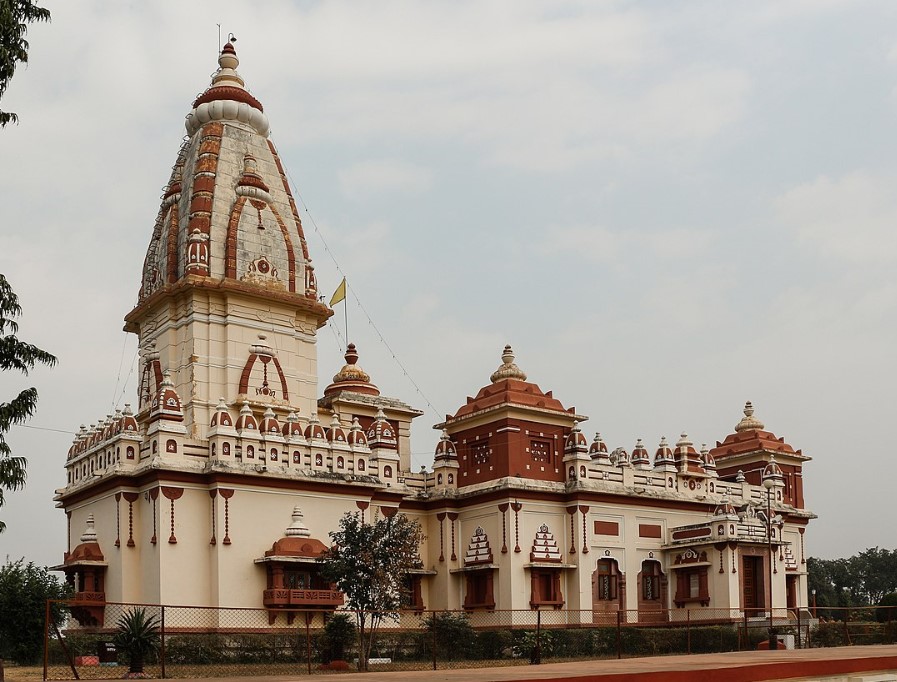
The Laxmi Narayan Temple Bhopal, perched atop Bhopal's Arera Hills, offers a breathtaking view of the city's past.
Who built Shri Laxmi Narayan Temple Bhopal ?
Known by another name, the Birla Mandir is dedicated to Ma Laxmi, the Goddess of Prosperity.
The well-known Birla family constructed and looks after the temple.
This house of worship, which is perched on a hill, offers a broad perspective over Bhopal's capital.
The Laxmi Narayan Temple Bhopal is one of the several Laxmi Narayan temples built by the Birla family in various cities.
Laxmi Narayan Temple Diety
The Laxmi Narayan Temple is dedicated to the Hindu goddess of wealth, Lakshmi, and her celestial spouse, Vishnu, who is also known as Narayana, the Preserver of the Universe.
The temple also houses Lord Shiva and his spouse, Parvathi.
Laxmi Narayan Temple Architecture
This temple, which has an obvious ancient charm and is surrounded by vegetation, is still a popular destination in Bhopal.
The temple's architecture exudes an aura of antiquity and has a yellowish-sand hue.
The stunning white marble stone that encircles the entire shrine adds to its opulent atmosphere.
The building's facade is a huge turret, and the compound is surrounded on other sides by expansive lawns.
This shrine is accessible through a magnificent archway. In addition to spiritual seekers, Bhopal locals regularly visit this shrine.
A museum is also located in the complex.
The sacred site is made more beautiful by the contiguous greenery of the winding lawns and its old-world charm.
The temple is visited by devotees seeking the blessings of the goddess Lakshmi. The temple's magnificent cloisters at the entrance add to its architectural magnificence.
The temple features a large steeple on one side. The Laxmi Narayan Temple, also known as the Birla Temple, is accessible by a stunning arch surrounded by verdant meadows.
In addition, there is a magnificent statue of Shiva and Parvati in a reclining position at this sacred site.
A stunning view of the city can be seen from the Vaishnavite temple. The serene atmosphere of this magnificent house of worship provides devoted comfort to the followers.
Other Information
Lakshmi Narayan Temple Address: Arera Hills , Bhopal , Madhya Pradesh , 462011 , India Lakshmi Narayan Temple Contact Number: +91-9039633192 Lakshmi Narayan Temple Timing: 06:00 am - 08:00 pm Best time to visit Lakshmi Narayan Temple(preferred time): 07:00 am - 06:00 pm Time required to visit Lakshmi Narayan Temple: 00:40 Mins
Shri VaradaVinayak Temple is another important temple near Pune and must visit if you are on a trip to Pune or live there.
So freinds let me take you to Shri Varada Vinayak Temple.
Varada Vinayak temple is located in Mahad Village On NATIONAL HIGHWAY NO.4, NEAR MUMBAI PUNE EXPRESS HIGHWAY, KHALAPUR-410203
This Ganesha temple is well-known in India. Since 1892, a nandadeep, or lamp, has been lit continuously in this Hindu temple. It is one of the Ganesha Ashtavinayak temples in India.
The idol of this temple, Varada Vinayak is supposed to be swyambhu and was found in the adjoining lake in 1690 AD.
In the year 1725 AD, Subhedar Ramji Mahadev Biwalkar constructed the temple. The temple is home to a lovely pond.
This temple's idol faces east. In this shrine, there is an oil lamp that has allegedly been burning nonstop since 1892.
Along with a Shivalinga, this temple also houses the idols of Mushika and the Navagraha Devtas.
The four corners of this Hindu temple are watched over by four elephant statues.
Devotees may enter the Garbagriha of this Ashta Vinayak temple and offer the idol personal attention and respect.
Varada Vinayak temple Mahad details:
Varada Vinayak temple Address: Mahad, Taluka Khalapur Khopoli, District, Mahad, Maharashtra - 410202 Varada Vinayak temple Phone/Mobile No.: 02142 242 263 Varadvinayak Ganpati Bhakta Niwas: Bhakta Niwas (Tel: 02192-266912 and Tariff: Rs 200) is the ideal place to stay here. The rooms and loos are clean and well-maintained. Lunch is provided as prasad by the temple (noon-2 pm). Else, villagers (temple officials guide visitors to them) provide good meals for Rs 40 per thali.
Season To Visit: All (Best Season To Visit: After August Month) Languages: Marathi, Hindi and English
Varadvinayak Temple Timings:
Varadvinayak Temple Timings: 5:30 AM to 09:00 PM Photography: Not Allowed in the temple and Ganesh Murti Vehicle Parking: Free parking space available
Varada Vinayak temple legend
The temple tales claim that Koudinyapur's King Bhima never had children.
When he and his wife went to the jungle to perform penance, they ran into the sage Vishwamitra.
Vishwamitra gave the king a mantra which is called as Ekashar Gajana mantra to chant and thus his son and heir, prince Rukmaganda was born.
Rukmaganda grew up into a beautiful young prince.
Once on a hunting trip, Rukmanganda stopped at the ashram of the Rishi Vachaknavi. The Rishi's wife, Mukunda fell in love at the sight of the handsome prince and asked him to fulfill her desires.
The virtuous prince flatly refused and left the ashram. Mukunda became lovesick. Sensing an opportunity, King Indra took the form of Rukmaganda and made love to her. Mukunda became pregnant and gave birth to a son Gritsamada.
When Gritsamada came to know about the truth of his birth, he cursed his mother to become an unattractive and thorny berry-bearing "Bhor" plant. Mukunda in turn cursed Gritsamada, that a cruel rakshas (demon) will be born to him.
Suddenly they both heard a heavenly voice saying, "Gritsamada is the son of Indra", shocking them but too late to alter their respective curses.
Mukunda was transformed into the Bhor plant. Gritsamada, ashamed and penitent, retreated to the Pushpak forest where he prayed to Lord Ganesha (Ganapati).
Lord Ganesha was pleased by Gritsamada's penance and offered him a boon that he will have a son who would not be defeated by anybody other than Shiva.
Gritsamada asked Ganesha to bless the forest, so that any devotees who pray here would be successful and urged Ganesha to stay there permanently .
Gritsamada built a temple there and the Ganesha idol installed there is called Varadavinayaka. Today the forest is known as Bhadraka.
How to reach Varadvinayak Ganpati Temple
Mahad Varadvinayak Ganpati Temple By Road
Mahad Varadvinayak Ganpati Temple at Mahad is 63 km from Mumbai,
Mahad temple is around 85 km from pune
Mahad Ganpati temple is around 25 km from Karjat, 21 km from lonavala and 6 km from Khopoli.
The temple is 1.5 kms off the Mumbai – Pune old Highway.
Mahad Bus Station, operated by Maharashtra State Road Transport Corporation (MSRTC), connects the place with other major towns such as Khopoli, Mahabaleshwar, Karjat, Alibag, and Shivthar Ghal. Mahad can also be reached via Mumbai – Panvel – Khopoli road.
Mahad Varadvinayak Ganpati Temple by Train:
Khopoli/Karjat Railway Station on central railway line is the nearest railway station to shri Mahad Ganpati Temple.
Karjat rilway station is quite well connected by various parts of country.
Mahad Varadvinayak Ganpati Temple by Air:
The nearest aiprpot to Shri Varada Vinayak temple is Pune and Mubai airports. Both of the aiports are around 75 to 80 Kms from the tempe and you can taxi from there.
Mahad Bhakta Niwas Address: Mahad Bhakta Niwas, Mahad, Taluka Khalapur Khopoli, District Raigad, State Maharashtra, India, 410202
Mahad Bhakta Niwas Contact: 02192 - 266912
Mattresses, Bed Covers, Pillows and Blankets, Chatai. Fans, Charging Slots, Good Lights, Dressing table. AC, Attached Washroom and TV not for comman hall Hot Warer 4:00 AM to 6:00 AM The Rooms clean, hygienic, Best services, Power backup and secure. Note: This amenities and facilities changes as per room type and diffirent types of bhakta bhavan of all Ashtavinayak Bhakta Niwas.
Friends let me take you today to Shri Manudevi Temple is in Adgaon Village located in Jalgaon district of Maharashtra.
Shri Manudevi Temple is situated on River Tapi in the picturesque Satpuda Hills. A gravel road that is paved for 1500 metres leads up to the temple.
The temple is accessible after a fascinating 1500-meter hike through picturesque greenery.
The temple rises 500 metres. Hills surround the temple on three sides.
A stunning 400-foot-high waterfall lies in front of you.
The waterfall has ferocious rushing water for six to seven months out of the year, touching the Satpuda foothills.
You will see a lake which is formed because of this.
History of Shri Manudevi Temple Adgaon
Around 1251 A.D./B.C., the temple was found. Excavations reveal that this structure is a tens of thousands-year-old temple.
It is said that this is manifested in the large trees at the entrance to the shrine.
Lord Parshurama himself greets followers arriving for Shree Manudevi's darshan.
Regarding this sacred shrine, there is a rich folklore and historical heritage.
Shri Manudevi Temple Adgaon Mythology
The mythology is mentjond in Shri Bhagwath Purana.
It is said that Lord Vishnu, Shiva and Brahma faced a serious challenge.
Rakshasas were troublng the people of earth. The trinity met in a cave in the Satpuda ranges. This cave is the Shri Manudevi temple is located .
While deeply meditating on a solution, their breathing and the environment that was made in the cave by their power and meditation, gave rise to an illumination of Shakti (power inherent in a goddess) as lightening.
These rays culminated into Goddess Manudevi. She is the combined strength, power and intelligence of the Trinity.
"O Adishakti, we are in a crisis," the Devtas implored to Goddess Manudevi. The earth is in danger from the Asura Mahishasur.
We urge you, Goddess, to destroy him by taking on an enraged personality. Please help us in establishing world peace.
The Asura will be killed shortly, the Goddess Manudevi vowed. She informed them that she would launch her assault against the Asura in the guise of Sapthashrung deva right away.
Once she arrived at River Tapi, the Goddess decimated the Asura's armies. There was a conflict in the Shiragadh region.
She is revered in this place as Ashta Bhujaa Devi of Shiragadh. The Goddess then continued on to Nandra (Bajara).
There is also a temple here dedicated to her as Ashta Bhujaa Devi.
She then travelled to Paatna, the scene of a significant demon war.
The Goddess, who was exhausted, took a nap at this location, where she earned the name "Paatna Devi". Ashta Bhujaa Devi was a representation of Manudevi's calm form.
The Sapthashrung Mountains was the site of the fianel conflict.
The seven-year war between the Goddess and the Asura. Adharma and adharma engaged in combat. Changing into Sapthashrunga Devi, the Goddess.
This is the enforcer form, which the evil find dreadful. She killed the Mahishasur and his army while in this form. According to folklore, Khandesh became the Devi's residence.
Ho to reach Shri Manudevi Temple Adgaon?
Nearest Airport located at Jalgaon and Aurangabad and you can get taxi fro there
Nearest Railway station is Jalgaon and it is very easy to get public transport or taxi from there
Jalgaon is quite well connected , by road, to all the major cities of Maharashtra. And from the bus stop you can get taxi or other public transport
Shri Manudevi Temple at Adgaon Village in Jalgaon district of Maharashtra.
Friends let me take you to Barshi today, a small village in Solapur. Barshi is famous for the Bhagwant temple. which is dedicated to Lord Vishnu.
So what is unique about Shri Bhagwant temple ?
The uniqueness of this temple is that it is the only Shri Vishnu temple in India that has Shri Vishnu's name as Bhagawant. In the year 1245 A.D., the temple was built in the Hemadpanthi style.
Shri Bhagwant temple architecture
The temple has four entrances from all four directions, with the main entrance facing east.
In front of Garbhagraha, there is one Garudakhamb (Dwajasthambam). The main deity, Shri Bhagwant, is shown in black stone with Shanku (Conch), Chakra, and Gada in his hands with a depiction of devotee king Ambrish beneath his right hand.
Ma Lakshmi's idol is at the back side of Lord Vishnus idol.
Shivlinga is there on the forehead and marks of footsteps of Bhrigu Rishi are seen on the chest of the diety.
Old documents show concessions issued by Shri Nanasaheb Peshve in 1760, the East India Company in 1823, and the British Government in 1784.
A Panch Committee oversees temple administration. Badves perform temple rituals on a daily basis.
Kakada Arti, Nitya pooja, and Mahapooja are performed in the morning, Dhuparti in the evening, and Shejarti at night.
A large number of devotees attend during the Ekadashi of Chaitri, Maghi, Aashadi, and Kartikai (Hindu Months).
During the Aashadi and Kartikai Ekadashi, the deity Bhagwant, riding on Garuda, is paraded around the entire town. Every full moon, a Chabina is taken out.
Lord Bhagawanta awakens every morning at 5.00 a.m. with the Kakad arati adorations, accompanied by the sound of the sacred instruments.
They bring sugar, fruits, milk, curds, and butter as offerings. Shri Dattatreya Krishnath Patil is the traditional Kakad of Bhagawant Mandir.
The priest is adamant about upholding this tradition. Shri Bhaurao Tatya Patil was the first to take on the role of Bhagawant Kakad, a tradition that has been passed down through the centuries.
The Lord is first worshipped with ghee lamps during Kakad arati, and then the priest changes the cloth and offerings of fruits and sugar are made.
Warm water is used to wash the Lord's Lotus feet. A pancharati is conducted after incense is waved and milk is served in a silver pitcher.
Following that, Shri Ganapati and Shri Varuna are worshipped by blowing the conch. A dab of butter is placed in Lord's mouth by the priest.
Following that, he is anointed with milk, curds, ghee, sugar, and honey. Lord Bhagawanta is given a bath using water from his silver pail.
This water is regarded equivalent in merit to Bhagirathi and is showered over the assembled devotees.
The devotees then perform the karpur arati and sing hymns and praises. After the Lord has been cleansed and dressed, he is offered a khichadi offering. The local business community is taking care of this.
In the afternoon, the town's Brahmins, such as Deshpande, Joshi, Patil, and Deshmukh, perform naivedya/repast for Lord Bhagawanta.
The priests bring this from the individual families' homes. On events like as Gudi Padva, Dasera, and Diwali, many offerings are presented to the God.
How to reach Shri Bhagwant temple?
Nearest airport is Pune airpport and you can take cabs or public transport from there.
Barshi Railway Station falls on the Kurduwadi-Latur route of central railway.
Temple is around 70kms from Solapur. Buses ply every hour from Solapur to Barshi and vice versa.
Other temples to visit in/around Solapur
There are many other places you can visit in Solapur. Please click here for list of places.
Tirthas of Rameshwaram- Rameshwaram, a sacred town in the southern part of India, is known for its numerous tirthas (holy water bodies) that hold religious significance for Hindus. These tirthas…
Sri Champakadhama Swamy temple and Sri Lakshmi Narshimha Swamy temple - Banerghatta - Bangalore
How many time have you visited Banerghatta National Park / Zoo. If you are in Bangalore, I am pretty sure that you must have visited Banerghatta once during your stay here.
Today I am going to tell you about a very famous temple in Bangalore near Bannerghatta. Called as Sri Champakadhama Swamy temple ( or champakadhama temple ) is a very special temple.
Did you know about this temple ? It is a very old temple built during Hoysala dynasty situated just before the Banerghatta zoo?
Sri Champakadhama Swamy temple also known as sri champakadhama swamy devalayais a very very famous temple in bannerghatta.
Champakadhama temple is a historical temple which we tend to miss. A must visit temple near Banerghatta Zoo.
https://youtu.be/RRic_u8AThY
So let us talk about this bannerghatta temple today. It is one the oldest temple, situated just before the huge granite hill.
Infact you will see two temples one at the starting of the hill and one at the top of the hill.
Granite hill
The one below is called as Sri Champakadhama Swamy temple and once at the top of the hill is called as Sri Lakshmi Narshimha Swamy temple.
Front View - Sri Champakadhama Swamy templeGopuram of Lakshminarashimha temple
The temple was built in 12th Century during the rule of Hoysala Dynasty and hence this temple is of historical importance as well. Apart from being a important place for worhsip, this temple also plays a impoartant role in community building.
Side view - Sri Champakadhama Swamy temple
Please note that photography is not allowed with in the Sri Champakadhama Swamy temple
OK, how to reach Sri Champakadhama Swamy temple?
Temple is just before the Banerghatta National park. While travelling from Bangalore, you can take Banerghatta Road to reach Banerghatta.
If you are staying in Electronics City / Anekal or Sarjapura area, you can take NICE road and this way you can avoid city traffic. You can exit at Banerghatta.
As soon as you reach Banerghatta junction ("Y"), you have one road , the left one going to Zoo. You need to take the right one. You will see an arch. Take that road. The temple gopuram is visible from far, so you cannnot miss it.
Go straight and you will reach the temple parking area. Enough place to park there.
The temple gopuram itlself is majestic. This is Sri Champakadhama Swamy temple. Lord Vishnu is worshipped as Sri Champakadhama Swamy here. The lord is called Sri Champakadhama Swamy because it is a tradition here to offer Champak flower (Sapinge flower) to lord. There is also idol of ma Lakshmi inside the temple.
As soon as you come out of temple, from backside of the temple, there are steps which goes to top of the hill. There are around 200 steps and not very steep. Easy to climb. These steps lead to Sri Lakshmi Narashma temple at the top of the hill.
Starting of steps leading to Sri LakshmiNarashimha temple
The view from top is amazing as well. It is also said that around 2 kms from here is Suvarnamukhi pond (kalyani) and water here has medicinal properties. But we could not go there. We will plan for it next time.
Steps leading to Sri Lakshmi Narashimha temple
sri champakadhama swamy devalaya timings / bannerghatta temple timings
Then temple timings are 6 to 12.00 and then 4 to 7.00 PM so plan accordingly.
The zoo opens at 9.00 AM and hence you can plan to reach this place by 8.00 AM.
Spend an hour or so at the bannerghatta temple and then you can visit zoo as well.
Some views from top of hill:
Backside view of sri Champakadhama templeBackside view of Sri Champakadhama swamy templeBanerghatta from topSri Lakshmi Narashimha temple
This is such a beautiful temple, just before the zoo and we tend to miss it.
Please do visit this temple once and you will want to visit it again and again. It is such a divine feeling here!
Sri Champakadhama Swamy temple and Sri Lakshmi Narshimha Swamy temple – Banerghatta – Bangalore
Dirgheswari Temple is one of the most important temples of Guwahati, Assam, located on the northern bank of the Brahmaputra River.
Who built Dirgheswari Temple Guwahati?
Dirgheswari temple, built by Ahom monarch Swargadeo Siva Singha, is a Shakti Peetha for Shakti worship.
Along with the temple, there were many antique images carved on rocks.
The main draw of Dirgheswari temple is the yearly Durga Puja celebrations, which attract worshippers from all over the world.
Dirgheswari Temple Guwahati legend
Dirgheswari has been a popular destination of worship for Assamese Shakti devotees from ancient times.
It is stated that after Lord Shiva's first wife, Sati, died, he carried her dead body around the world in his grief.
So, Lord Vishnu and the other Gods resolved to dispose of Sati's body, which had become a source of grief for Mahadeva.
Lord Vishnu directed his disc, Sudarshan Chakra, to cut Sati's body into numerous pieces.
The Sudarshan Chakra did as it was told, and fragments of Sati's body were distributed over the world.
As per the local tradition, Goddess Sati'sthigh fell here. Inside the temple, there is a cave which houses that body-part as a piece of rock
People have considered the location sacred since that time.
The second legend tells another intriguing story. Goddess Durga arrived here riding a tiger before Sage Markandeya, according to legend.
It's worth noting that, while Goddess Durga is usually shown riding a lion (particularly in the eastern parts of India), Her Vahana is a tiger in this myth.
Where is the temple located?
Dirgheshwari temple is located on a tiny hill named Sitachal in north Guwahati. It is located on the north bank of the Bramhaputra River.
So this shrine, located on the north bank of the Brahmaputra and connected by a motorable road, is regarded as one of the state's greatest Devi Tirthas.
It is isolated and located at the foot of a range of hills. It contains various rock-cut pictures dating from the 11th to 12th centuries A.D.
This is one of the few temples where buffalo sacrifices are performed every year during Durga Puja. Natuancha Hill is located to the north of North Guwahati. Lord Shiva, Goddess Parvoti, and other gods lived here. This was an alternative to Kailash Dham, the Lord Shiva's residence.
History of Dirgheshwari temple
There was most likely an earlier temple here upon which the current temple was built by Ahom monarch Swargadeo Shiv Singha, who reigned between 1714 and 1744 AD.
Tarun Duwarah Barphukan, the Viceroy of the Ahom kingdom's Guwahati and Lower Assam area, oversaw the temple's construction.
Later, Ahom ruler Swargadeo Rajeswar Singha bestowed upon the temple land, money, and many other gifts, including a silver head-gear (called "Japi" in local language) that is still used to cover the Durga statue in the temple.
The Vajreshwari Temple is situated in Bhiwandi City, in the Thane district, some 75 km from Mumbai, on the banks of the Thansa River.
The town, which was formerly called Vadvali, was renamed Vajreshwari in honour of the temple's presiding god.
The Puranas (Hindu scriptures) cite Rama and Parshurama as visiting the region of Vadvali as Avatars (incarnations) of Vishnu (the Hindu god of preservation).
According to mythology, Parshurama had performed a yajna in Vadvali, and its leftovers are the volcanic ash hills in the region.
Vajreshwari, often referred to as Vajrábái and Vajrayogini, is said to be the earthly manifestation of the goddess Parvati or Aadi-Maya.
The literal translation of her name is "the lady of the Vajra (thunderbolt)".
Legend of Vajreshwari Temple Bhiwandi city
There are two legends about the goddess' origins. Both the legend is associated with the Vajra.
Legend 1 :
A Rakshasa (demon) by the name of Kalikala or Kalikut tormented the rishis (sages) and people in the Vadvali region 1000 years ago and engaged in battle with the devas (gods). In order to appease the Goddess, the gods and sages under Vashishta's leadership performed the Trichandi yagna, or fire offering.
Indra, the ruler of the gods, was not given an aahuti, or ghee offering at a yajna. Indra became furious and threw his Vajra—one of the strongest weapons in Hindu mythology—at the yajna.
The gods and sages begged the Goddess to help them because they were scared. In addition to swallowing the Vajra and bringing Indra low, the Goddess manifested at the scene in all her splendour and slew the demons.
Rama asked the Goddess to remain in the Vadvali region and take the name Vajreshwari. As a result, the Vajreshwari temple was built here.
Legend 2:
According to another myth, Indra and other devas went to the goddess Parvati and begged her for assistance in defeating the demon Kalikala.
Goddess Parvati gave them the assurance that she would help them when they needed it and gave the order to battle the demon.
Kalikala swallowed or broke every weapon that was thrown at him throughout the conflict. Last but not least, Indra flung the Vajra at the demon, which Kalikala shattered into pieces and from which the Goddess emerged and slew the demon.
Devas praised her as Vajreshwari and constructed her shrine in her honour.
In 1739, Peshwa Baji Rao I's younger brother and military leader, Chimaji Appa, established a camp in the Vadvali district on his route to seize the Portuguese-held Bassein Fort of Vasai.
Chimaji Appa appealed to the Goddess Vajreshwari that if he could conquer the fort and vanquish the Portuguese, he would erect a temple to the goddess.
That night, Goddess Vajreshwari appeared in the Chimaji Appa's dreams and told him he could conquer the fort. The fort collapsed as a result of the Goddess's words, and the Portuguese were defeated in Vasai.
To commemorate his victory and to satisfy his vow made in front of Goddess Shri Vajreshwari, Chimnaji appa directed that the Vajreshwari temple be built by the new Subhedar (governor), Shankar Keshav Phadke.
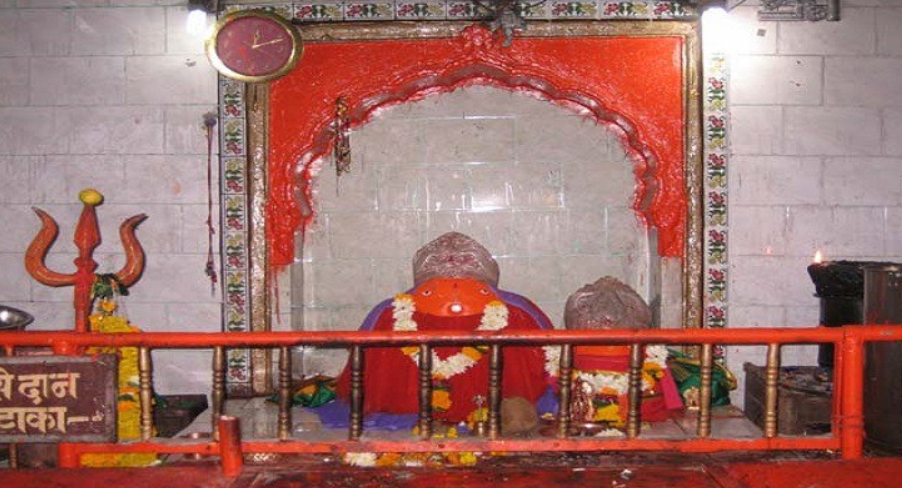
The saffron idol of Goddess Vajreshwari holds a sword in her right hand and a mace in her left. To the left of goddess Vajreshwari are the idols of goddess Renuka (Parshurama's mother) holding a sword and a lotus, goddess Saptashrungi Mahalakshmi of Vani, and a tiger, goddess Vajreshwari's vahana or steed.
On her right are the murtis of goddess Kalika (the village goddess) holding a lotus and a kamandalam (water pitcher) and Parshurama wielding an axe.
The goddesses wear silver jewels and crowns, stand on silver lotuses, and are shaded by silver umbrellas.
Vajreshwari Temple Bhiwandi city -Thane district – Mumbai
In the state of Uttarakhand, the Mahasu Devta Temple is located in Hanol village.
This place is close to Chakrata, and is on the eastern bank of the Tonnes River (Tamas), 190 kilometres from Dehradun and 156 kilometres from Mussoorie.
It is said that in the deitydom, Mahasu Devta rules supreme over the countless native gods and goddesses in addition to serving as the solitary judge for mankind.
He wields his power on both secular issues and the religious dispensation of people.
People's disagreements are resolved using the special LotaPani adjudication.
A party ritually fills a metallic goblet with water for this purpose in the name of Mahasu Devta, and the disputants are then instructed to sip the water in his or her honour.
The person who made the erroneous statement experiences consequences after drinking the water.
Legend of Mahasu Devta Temple
Mahasu Devta makes an appearance as the four brothers in a quadruple form. According to mythology, the pandavas followed Krishna when he vanished at the end of the DwaparYuga.
They cross the Tonnes River. Yudhishtra was fascinated by the grandeur of the location and urged Vishwakarma to construct a temple there and spend nine days with Draupadi.
Later, the area was given the name Hanol in honour of Huna Bhatt.
Demons roamed Uttrakhand at the beginning of the Kaliyuga, eating people and destroying communities.
The most powerful demon was Kirmir, who had swallowed all seven sons of Huna Bhatt, a Brahmin with a good heart.
Demon threw a bad omen and wished to make Kirtaka the Brahmin's wife; she begged to Lord Shiva to preserve her virginity.
Kirmir was able to flee to her husband since Lord Shiva had rendered her blind.
They then prayed to Ashtbhuji Durga, also known as Hatkeshwari Devi of Hatkoti, who urged the pair to travel to the Kashmir mountains and ask Lord Shiva for assistance there.
When they did, Lord Shiva granted their prayer for the swift annihilation of all evil.
Huna Bhatt was instructed to return to his house, carry out specific rituals, and worship Devi.
Upon doing so, the shakti rose from the earth with flames surrounding her and instructed Huna Bhatt to yoke a pair of bullocks who had never been yoked before and plough a portion of his field every Sunday with a solid silver plough and a shoe made of pure gold.
The Mahasu brothers, their ministers, and the army will arrive on the seventh Sunday to free the populace from the grip of the demon.
Huna Bhatt followed through on this, but on the sixth Sunday after turning on five furrows, a deity appeared out of each one: from the first, Botha; from the second, Pavasi; from the third, Vasik; and from the fourth, Chalda. All of the brothers shared the prefix Mahasu (Char Mahasu) in their names.
Their heavenly mother Devladli Devi and their ministers emerged from the fifth furrow. From the field, countless armies appeared like mushrooms.
When Huna Bhatt followed instructions, the Mahasu brothers slaughtered the entire demon army. In a Mount Khanda ravine, Chalda Devta captured Kirmir.
Today, one can still see the sword traces on the granite.
The demon Keshi took over Hanol while the Mahasu brothers were not present.
Along with the army, Chalda Devta travelled to the Masmor Mountains, where Keshi had left, along with his troops Shitkulia, Kaolu, and others.
After the demon was vanquished, Chalda Devta triumphantly made his way back to the locations he had designated with his heroes.
In order for the brothers to administer their different territories and protect against the misfortunes of everyone who would worship them as gods and practise jagara, he split the nation among them.
But the Mahasu brothers' business effort ended in failure. Mahasu Devta initially gave Huna Bhatt their word that they would show up on the sixth Sunday.
The Mahasu brothers were harmed by Huna Bhatt's plough since they arrived a week early; he was in the field and was not aware of their premature arrival.
Botha suffered a knee injury as a result, rendering him unable to walk. The blade of grass hurt Vasik's eye, impairing his eyesight.
Pavasi had a small portion of his ear removed. Only Devladli Mata and Chalda were unharmed.
After that, Botha preferred to reside in his temple at Hanol, which is located on the right bank of the Tonnes River.
Pavasi continually moves across his dominion, spending years at Hanol, Lakhmandal, Authana, and Uttarkashi.
Being in good health, Chalda was able to exercise throughout the entire dominion in the name of Botha Mahasu for a continuous twelve years.
The four deities each have an attendant, or bir. They are Shitkulia, Kailath, Kapala, and Kaolu. Each and every bir has a female helper, or balyayini.
Vat Savitri Katha - वट सावित्री व्रत - विधि विधान - ऐसी मान्यता है कि वट सावित्री व्रत सुहागिन स्त्रियों का सबसे बड़ा त्यौहार है । ज्येष्ठ कृष्ण की अमावस्या…
Chennai, a major city in India, is home to several prominent Shiva temples where devotees can worship and experience the spiritual essence of Lord Shiva. Here's a list of some…
Sant Kamali Hanuman Mandir is an old Hanuman Temple located in the Hanuman Ganj neighbourhood of Bhopal, Madhya Pradesh.
Sant Kamali, was a devotee of Lord Hanuman and estabished this temple.
During his lifetime, Sant Kamali is claimed to have accomplished countless miracles.
The temple was constructed in the nineteenth century.
Legend of Sant Kamali Hanuman Mandir
According to legend, Sant Kamali used to blow conch in the early morning hours as part of his devotion to Lord Hanuman beneath a peepal tree in the shrine's current site.
Begum Khurishia, the then-ruler of Bhopal, was offended.
She told the Sant not to blow the conch in the early morning hours. Sant, on the other hand, did not stop blowing the conch.
Begum Khurishia sentenced the Sant to death. When the soldiers arrived at the peepal tree, they discovered the Sant had died.
The conch sound was heard again the next morning. Begum Khurishia ordered his soldiers to behead the Sant and cut off his hands and legs this time.
When the soldiers arrived to the peepal tree, they discovered Sant decapitated, with his legs and hands severed.
The conch sound was heard again the next morning. Begum Khurishia went to examine the mystery herself. She heard the conch sound but did not see Sant Kamali.
She realised the Sant's greatness. Soon after, the Sant appeared and told her that he would continue to do his pujas and ceremonies.
The queen, impressed by his piety, granted him land on which to construct a Hanuman mandir.
So during the reign of Begum Khurishia ,Sant Kamali was donated eight acres of land for construction of the temple.
It all started when the Begum misplaced her beloved necklace, and despite extensive searching throughout the Mahal, there was no evidence of it whatsoever. She approached Sant Kamali Maharaj on the spur of the moment to help her trace her jewellery.
When she went to him for the same, Sant told her, without saying anything, why she had gone to the trouble of coming up here when she should have recovered the necklace wrapped in a red cloth in her under bed.
Begum was perplexed as to how the Sant could know why she had approached him. She directed her trusted commandant to review and double-check the bedroom.
The commandant returned with the jewellery wrapped in red linen, telling Begum that he discovered it under the bed, buried between blankets.
Impressed, Begum Khurishia gave eight acres of land and requested that her army assist in the construction of the temple as requested by Sant Kamali Maharaj.
This entire area became known as Hanumanganj because of Sant Kamali and the temple he constructed for Lord Hanuman. T
his kshethra is so sacred that it makes one feel blessed to have visited the location where Sant conducted pooja and nama sankeerthan to Lord Hanuman.
The temple was established on the site where Sant Kamali Maharaj worshipped Lord Hanuman.
The temple faces south, and there are currently three-ardh shila adorning the temple, all of which face south.
The temple is a sight to behold, with three ardh shilas, one of which is around nine feet tall, another approximately three feet tall, and the third approximately two feet tall.
In the temple complex, there is a statue of Sant Kamali. The conch he blew can be seen in the shrine.
Sant Kamali Hanuman Mandir Bhopal – The mystic powers of a saint
Friends, In the Garjiya village next to Ramnagar on NH 121 in the Nainital district of Uttarakhand, there is a temple called Garjiya Devi.
Where is Garjiya Devi temple located?
It is 75 kilometres from Nainital and 13 km from Rmanagar. It is located on the Corbett National Park's periphery. A shakti shrine is there.
The ruling deity is Garjiya Devi. It is perched atop a sizable rock in the Kosi River. One of the well-known temples in the Nainital area.
Legends of Shri Garjiya Devi temple
According to legend, Garjiya Devi is the manifestation of Goddess Parvati, the Giriraj, daughter of the King of the Himalayas.
According to the legends and beliefs of the residents of Ramnagar, the history of Garjiya devi mandir is mostly associated with the ancient rural region of Dhikuli, which is close to Ramnagar.
Another legend holds that Bhairav Dev, a follower of Lord Shiva, asked Garjiya, his sister, to marry Kosi and live on the river itself in order to calm the river's wrath.
His sister Garjiya married Kosi and began living in the rock in the Kosi river.
Being a manifestation of Goddess Parvati, Garjiya bestowed her heavenly blessings on the entire area, and it is said that once Garjiya Devi lived on the rock, the Kosi River never flooded again.
The temple hosts a sizable fair on the day of Kartik Poornima.
Numerous thousands of followers attend. On the fifteenth lunar day of the Kartik month, which falls between November and December, this holy day is celebrated.
Guru Nanak Jayanti also falls on the same day as Kartik Purnima.
The Garjiya Devi temple, one of the area's most revered Shakti peetha, has a long history of association with old royal houses like the Katyuri and Kuru.
The history of the Garjiya Devi temple is rich with legends.
The Temple visit is open for tourists all round the year except for the monsoon season. During mansoon the water level in Kosi river rises and hence authorities restirct the visit to the temple during that time.
Because she is the daughter of the Mountains, Himavan, Goddess Parvati is also known as Girija. The serene and tranquil Maa Paarvati avatar of Shakti resides in the Garjiya devi temple in Uttarakhand.
Visiting this place to get blessings from Lord Shiva and Mata Parvati.
Freinds let me take you to Shri Amba Devi Temple, situated in Amaravati, in the state of Maharashtra.
The temple is dedicated to the district's principal deity, "Goddess Amba," another avatar of Goddess Durga.
The district of Amravati is thought to have been named after the presiding deity, and translates as "The Eternal City" or "The City of The Immortals."
Visitors to this temple come from all walks of life and many regions of India.
The Shri Ambadevi temple is the oldest and holiest shrine in the entire Amravati district.
The temple complex, which is located in the centre of Amravati, features ancient scriptures that are etched on the walls.
Festivals celebrated at shri Amba Devi Temple, Amaravati
The Navratri celebration, when the entire temple is exquisitely decked, is one of the temple's main draws.
During this time, residents of the festival and even those from nearby cities come to see the Goddess.
On the grounds of the Ambadevi temple, a sizable mela (fair) is held during Navratris, and devotees take part in it wholeheartedly.
A remedy to the pilgrims' lodging issue is offered by the surrounding hotels.
Legend of Shri Amaravati Amba Devi tempe
The Amaravati Amba Devi temple is connected to a very intriguing mythology.
According to legend, Rukmini, the daughter of king Bhishma, fell in love with Lord Krishna after hearing about his valour.
However, her brother Rukmiya arranged for her to wed King Shishupal of Chedi, a friend of his.
When Rukmini went to the Ambadevi shrine the day before she was to marry Shishupal, legend has it that she was abducted by the Lord Krishna.
About Amba Devi Amaravati Temple complex
The Ambadevi temple complex is enclosed by tall walls, and upon entering the grounds, one is greeted by a vast, open hall.
Several corridors on the left side lead to the courtyard. Huge main gates that resemble fort gates are there.
A small room known as the "Nagarkhana" or the drum room is located above the gate.
The Puranas are depicted in great detail on the temple walls.
Three massive arch-shaped rooms that make up the main "Garbagriha" or "Gabharas" include sandstone statues of the goddesses Ambabai, Ganapati, Mahadev, Vishnu, and Parvati.
Goddess Amba, Lakshmi, and Narayan all live in the middle room. For a full year, two silver lamps are seen illuminating the deities.
Various Gods and Goddesses are represented by idols and engravings on the temple complex's western wall.
These idols' exact age is unknown. They are so meticulously carved that they almost appear to have been machine cut.
The process used to create the deity decorations and plaster work in temples is still a mystery.
The temple compound is surrounded by a neighbourhood market.
Visitors can take pleasure in purchasing local trinkets like Rangoli powder, toys, brass souvenirs, and pooja supplies for their homes.
Here, the Navratri or Navratra festival is observed with splendour. The temple is accessible to the public every day for those nine days.
Many talented artists from the area perform a variety of cultural and religious programmes.
The social and cultural programmes are enjoyed with the appropriate seating arrangements.
At certain times of the day, even "bhog" (a sacred meal available to the general people after being presented to God) is free.
Flower arrangements and coloured papers are used to beautify the entire area.
How to reach shri Amba devu temple Amaravati?
The Ambadevi Temple is conveniently situated in Amravati's Gandhi Square.
From Amravati Railway Station and Amravati Bus Stand, it is approximately 1 km and 1.5 km to the west, respectively.
It is simple to get here via local buses, taxis, and cars.
The district's adjacent Badnera Railway Station offers taxi service as well. Direct state buses are accessible from Nagpur to the temple, which is around 155 km away.
Jyotiba Temple Wadi is a prominent temple near Wadi Ratnagiri, Maharashtra.
The idol of the temple is known by the same name Jyotiba and is held by the locals to be an embodiment of three gods: Brahma, Vishnu, Mahesha, and Jamadagni.
An annual fair takes place on the full moon night of the Hindu calendar of Chaitra and Vaisakha months.
Where is Jyotiba Temple Wadi located?
Jyotiba temple is located towards the north of Kolhapur.
The temple is a famous Hindu religious destination in the Panhala range of Maharashtra.
It is believed that the Jyotiba is created from the souls of three Hindu trinity Gods, Brahma, Vishnu, and Shiva.
The temple is surrounded by green Panhala range mountains.
Jyotiba Temple is 17 km north-west of Kolhapur.
Who built Jyotiba Temple
It is said that the original Kedareshwar temple was built by Navji Saya.
Ranoji Scindia, also known as Ranoji Rao Scindia, built the current temple in its place in 1730.
This shrine measures 57 feet by 37 feet by 77 feet tall, including the summit. Kedareshwar's second temple is 49 feet tall, 22 feet wide, and 89 feet wide.
This temple was built in 1808 by Daulatrao Sindhia.
The third is Ramling temple, which was built in 1780 by Malji Nilam Panhalkar and is 13 ft × 13 ft x 40 ft high including its dome.
Jyotiba Temple History & Legend
After overcoming Kolhasur, a demon, and other devils, the goddess of health, wealth, and prosperity, Mahalaxmi (Ambabai), chose Kolhapur (Karveer) as her new home.
She appointed four guards on each of Kolhapur's four sides to ensure the whole defence of her realm.
The most significant of these four guards is Jyotiba, whom Mahalaxmi chose on the northern side.
Jyotiba is also known as Kedareshwar.
According to Hindu mythology, Jyotiba helped Mata Mahalaxmi in her battle against the demons.
According to legend, the three gods adopted the form of Jyotiba (Dattatreya) to defeat the demon Ratnasur.
On this peak, he established his dominion. He follows the Nath path. On Chaitra Shukla, he was born in the hands of Vimalmbuja, the wife of the sage Pougand.
How to reach jyotiba temple?
How to reach jyotiba temple wadi kolhapur from kolhapur? The temple is around 45 mins drive from Kolhapur and is easy to reach. There are ample public transport availabe from Kolhapur.
How to reach jyotiba temple wadi kolhapur from Mumnai ? Lot of people vsit shri Jyotiba devasthan from Mumbai. There are buses directly from Mumbai to Shri Jyotiba devasthan and also alternatively you can come to Kolhapur and then reach the tempe.
Kolhapur is quite well connected with all part of Maharasthra and other parts of country.
Friends today we will take you to a very powerful devi temple in Hyderabad, Telangana. The temple we are talking about is Shri Prathyangira Parameshwari Mandiram, the most visited pratyangira…
The Saibaba Temple, probaly the biggest Sai Baba temple in Hyderabad, was founded in 1989, has a presiding deity of Lord Sai Baba and offers a serene yet laid-back atmosphere…
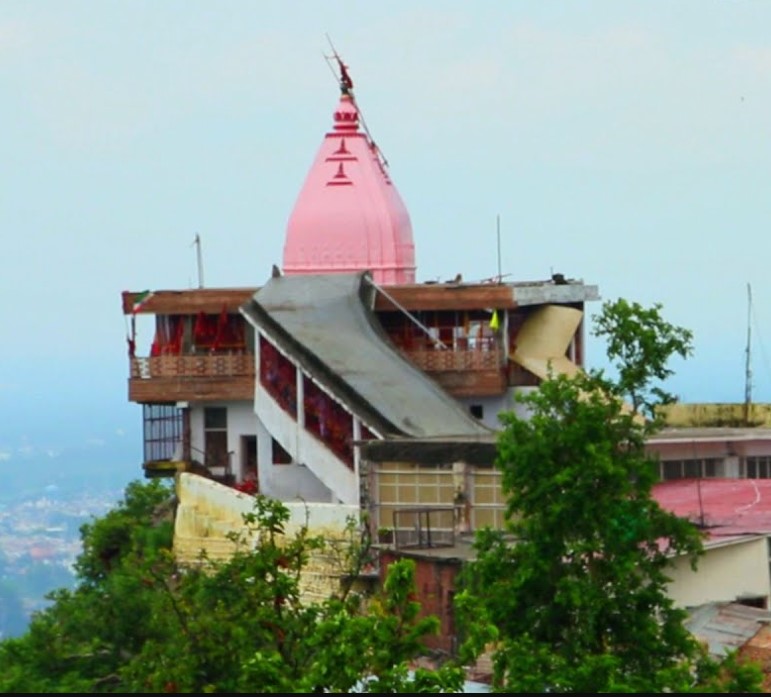
The Chandi Devi Temple in Haridwar is a dedicated to Goddess Chandi Devi. The temple is located in the holy city of Haridwar in the state of Uttarakhand.
The temple is located atop the Neel Parvat on the eastern summit of the Sivalik Hills, the Himalayas' southernmost mountain series.
During his time as King of Kashmir, Suchat Singh established the Chandi Devi Temple in 1929.
The main murti of Chandi Devi in the temple, on the other hand, is supposed to have been installed in the 8th century by Adi Shankaracharya, one of Hindu religion's greatest priests.
Chandi Devi Temple Haridwar - Neel Parvat Teerth
The temple, also known as Neel Parvat Teerth, is one of Haridwar's Panch Tirth (Five Pilgrimages).
Devotees regard the Devi Temple as a Siddh Peetha, or a site of worship where desires are fulfilled.
It is one of three such Peethas in Haridwar, along with Mansa Devi Temple and Maya Devi Temple.
Chandi Devi Temple presiding deity
Goddess Chandi also known as Chandika is the presiding deity of the temple.
Chandi Devi Temple Haridwar Story
As per legends long long ago, the demon rulers Shumbha and Nishumbha conquered the kingdom of Indra, the god-king of heaven, and exiled the gods from Swarga (heaven).
After intensive petitions from the gods, Parvati took the shape of Chandi.
Shumbha despatched his demon leaders Chanda and Munda to kill her.
They were murdered by the goddess Chamunda, who arose from Chandika's rage.
Shumbha and Nishumbha then attempted to assassinate Chandika but were defeated by the goddess.
Following that, Chandika is claimed to have rested for a brief time at the peak of Neel Parvat, where a shrine was eventually built to commemorate the legend.
In addition, the mountain range's two peaks are known as Shumbha and Nishumbha.
Address: W5MJ+G63, Haridwar, Uttarakhand 249408 Open timings: 5.00 AM to 7.00 PM everyday
Chandi Devi Temple Ropeway
A ropeway ride is a practical way to reach the summit of the Temple.
It crosses the mountains for around 4-5 kilometres and brings you through a gorgeous journey where you may experience the splendour of this region firsthand.
A journey through the Chandi Devi Udankhatola costs roughly INR 84 per person.
Chandi Devi Temple Haridwar
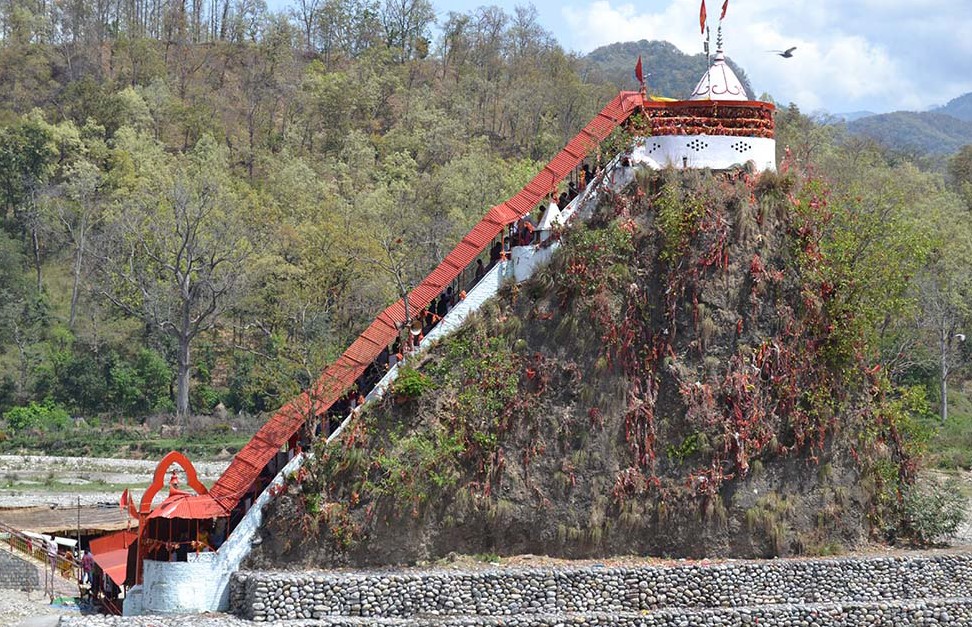
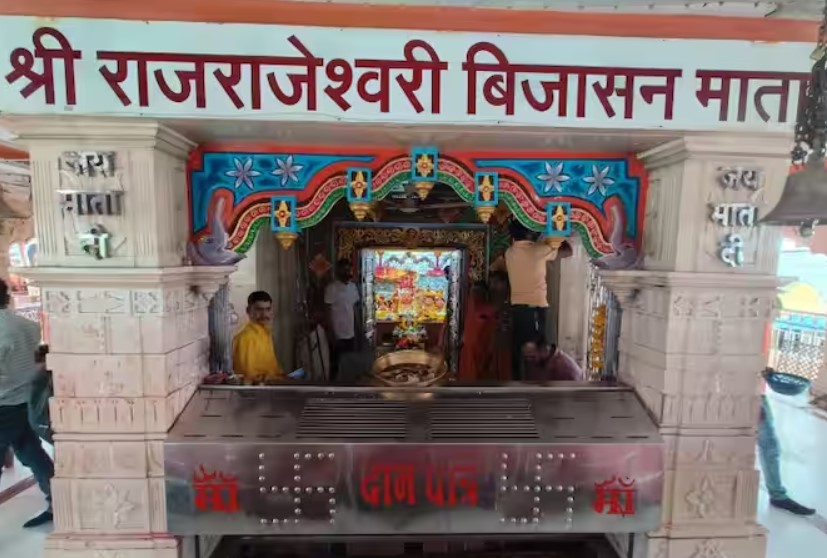
Bijasan temple Indore is a Hindu Goddess Durga temple located in the Indore District of Madhya Pradesh.
A hillock (tekri) has a small temple of Bijasen Mata. Mela is held here during Navaratri. This hill offers panoramic views of the sunset and of the city at night.
The Holkars' guest home, perched on top of the hill, has been turned into a Border Security Force Arms Museum.
The surrounding land is being transformed into gardens, complete with a small lake. Ma Bijasan is a Hindu Gadariya (Kukroliya parivar) Kuldevi.
Festivals celebarted at the Bijasan temple Indore
Every year during Navratri, a mela is held. at Bijasan temple Indore. The Goddess is thought to be extremely strong and capable of performing instant miracles.
The blind are said to be able to restore their sight through the mother's grace.
People with various types of requests come to the Goddess and have their wants granted because to their tremendous confidence in the Goddess's powers.
This temple on a hill commands a stunning view of the surrounding area.
Shivaji Rao Holkar constructed this temple in 1760. Thousands of devotees visit this temple during Navaratri.
His unwavering devotion to the Goddess appeased her, and she appeared before him.
Bijasan temple Indore story
Beejasan Mata (Mother Goddess Durga) is seated on the demon Rakta Beeja in this idol.
The tremendous accomplishments of Goddess Durga, now known as Shri Durga Shaptasati, are recounted in Markendeya Puran.
In the eighth chapter of Shri Durga Shaptasati, we learn about Durga's Chivalrous form when she fought the demon Rakta Beeja.
This demon was endowed with an incredible boon.
Every drop of his blood that fell from his body on Earth would transform into a Rakta Beeja of equal power and prowess.
As a result, there were millions of Rakta Beeja demons. Finally, the Goddess chose not to let the devils' blood fall on Earth.
As a result, she either burned the wounds or gathered the falling blood in a dish and consumed it. The deity took on as many guises as the demon Rakta Beeja. Thus, the Goddess subdued and killed the demon Rakta Beeja, earning her the moniker Beejasan.
Friends if you are visiting Rameshwaram, you should not miss Jatayu Teertham & Jada Teertham. Rameshwaram's holy land is endowed with approximately 64 theertham, which are scattered over the island.…
Temple of Shri Shyam Kaka Rajgarh is a Hindu temple dedicated to Krishna (also known as Shyam). It was built in 1845 A.D. at Shaka Jagir village, Rajgarh district, Madhya Pradesh. It is located near Narsinghgarh, around 100 kilometres from Bhopal.
Though it is a temple of God Krishna, there is a panel in the temple depicting six Muslim men dressed in long robes and traditional headgear. According to author Shalini Rai Narayan, it is the one of the exceptional places, where religious beliefs and antagonistic holy men stood in solidarity.
Popularity of Shri Shyam Kaka
People go to shri Shyam Kaka Temple Rajgarh, to solve their domestic Issues, fulfill Wishes and for prosperity.
Krishna Jayanti is celebrated every year and is one of the most prominent festivals celebrated there.
The temple has been declared a protected site by the Archaeological Survey of India
Legend of shri Shyam Kaka Temple Rajgarh
According to folklore, local ruler Shyam Dev Khinchi's wife Bhagali Devi fled the palace after falling out with him and sought refuge with Amara Singh Gurjar, a local chieftain.
When Shyam dev was killed in a battle, the queen directed the construction of the Lord Krishna temple in his honour, and Amara Singh Gurjar was selected as the shrine's chief priest.
Since then, the Gurjars have claimed to be the temple priests.
How to reach the temple?
Google Maps link: https://goo.gl/maps/UWTppjRgJSyUXy5T6
Shyam Kaka Temple Rajgarh – Madhya Pradesh – A temple dating back to 1845 A.D
The Devi Jagadambi Temple Khajuraho is dedicated to Devi Jagadambi and is located in Khajuraho, Madhya Pradesh.
The temple, along with the other temples at Khajuraho, was designated a World Heritage Site due to its remarkable architecture, art, and historical significance.
The temples of Khajuraho were built during the 10th and 12th century by the emperors of the Chandela dynasty.
The Devi Jagadambika temple, located in a group to the north, is one of Khajuraho's most ornately decorated temples.
It is named after Jagadambika, a Hindu goddess associated with devi. The body of the temple is encircled by three bands of sculptures.
The sanctum contains a massive picture of the Goddess (Ma Parvati).
About Devi Jagadambi Temple Khajuraho
This temple is fundamentally similar to the Chitragupta Temple in terms of architecture, proportions, and decorative scheme, and the two temples are thus fairly near in both time and space.
It has a sanctum without an ambulatory, a vestibule, a'maha-mandapa' with lateral transepts, and an entrance porch.
The garbha griha today contains a massive figure of the Goddess (Ma Parvati) of the Universe (hence called as Ma Jagdamba).
It is surrounded by three bands of sculptures, the third and highest of which features some of the most sensual sculptures in Khajuraho.
This temple is significantly smaller than the famous Kandariya Mahadev Temple.
It has a cross plan, one pair of balconies, one mandap, and no inner pradakshina patha.
The Devi Jagdambi Temple, on the other hand, features some of the most beautiful sculptures in Khajuraho, and because of its medium height, most of them are plainly visible.
There are exquisite representations of the dlihpolas in their proper placements, particularly the magnificent Yama and Nirriti on the south and southwest sides.
Endearing representations of Vishnu, Shiva, and Brahma embracing their consorts are found in the small recesses on the south, west, and north sides.
Varaha, represented with a human body and a boar head, emerges from the primordial seas with the earth goddess Bhudevi on his arm in the south side lower niche.
Distance (From Khajuraho Bus Stand): 1 Kms
Devi Jagadambi Temple Khajuraho timinhs
Temple open Timings: 6 AM - 5 PM
Devi Jagadambi Temple Entry fee
Complex Entry Fee: Rs. 30 for Indians, Rs. 500 for Foreigners