
Kumar
-
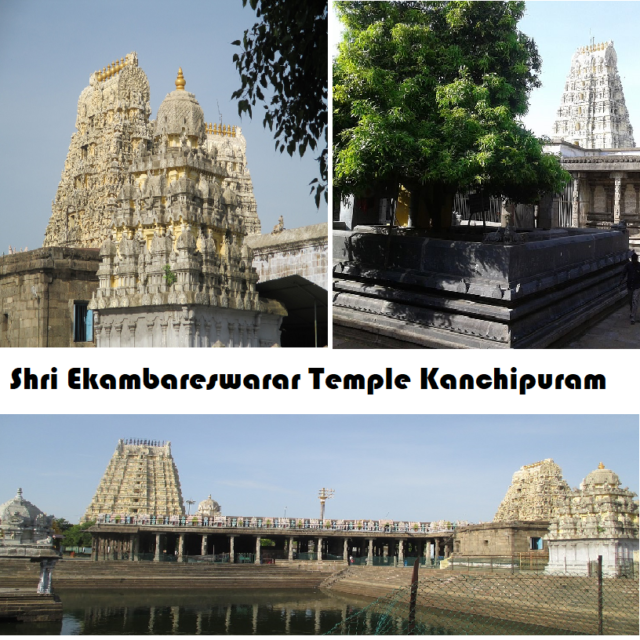
Shri Ekambareswarar Temple Kanchipuram – One of the Pancha Bhoota Stalam temples
Hinduism places a great importance to the five prime elements of nature ie. It is said that our bodies are made of these 5 elements. These elements are present every where and so we have 5 shiva temples each dedicated to one of these five elements. These temples are called as “Pancha Bhoota Stalam“. Shri…
-
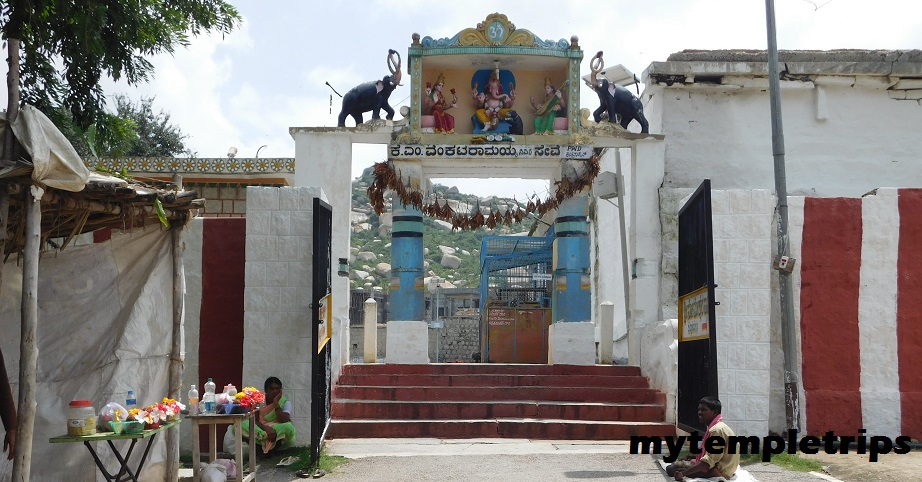
Kurudumale Ganesha temple – Kurudumale, Karnatka
Kurudumale Ganesha temple dedicated to lord Ganesha, one of the most worshiped god in Hinduism. Lord Ganesha is the remover of obstacles and signifies intellect and wisdom. He is invoked before starting anything new. Originally Published: October 2017 Where is Kurudumale Ganesha temple located? This temple is located in Mulgabal district near Kolar. Why Kurudumale…
-

Shri Kashi Vishwanath Temple, Varanasi, Uttar Pradesh
वाराणस्यां तु विश्वेशं त्र्यम्बकं गौतमीतटे। The Shri Kashi Vishwanath Temple in Varanasi, Uttar Pradesh is home to the Vishwanath Jyotirlinga shrine, which is perhaps the most sacred of Hindu shrines. It is also one of the Padal Petra Stalam of Vada Naadu mentioned in Thevaaram. The Kashi Vishwanath Temple is situated in Varanasi, the holiest…
-

Shri Ghati Subramanya – Doddaballapur – Karnataka
An ancient temple built in dravidian style, dedicated to Lord Subramanya and Lord Lakshmi Narasimha. This is also one of the oldest temple in the region dedicated to snake worship. Friends welcome to our post – Shri Ghati Subramanya – Doddaballapur – Karnataka Significance of Shri Ghati Subramanya temple In Shri Ghati Subramanya temple, the idol of the Lord…
-

Hampi – A historical and an ancient religious center
It was long overdue. Hampi has always been on our mind! And who doesn’t know this place. You talk about the world heritage sites in India and the first thing that comes to our mind, is Hampi. Why visit Hampi ? Hampi is spectacular. Just amazing. It is a 1500+ surviving remains of the capital…
-
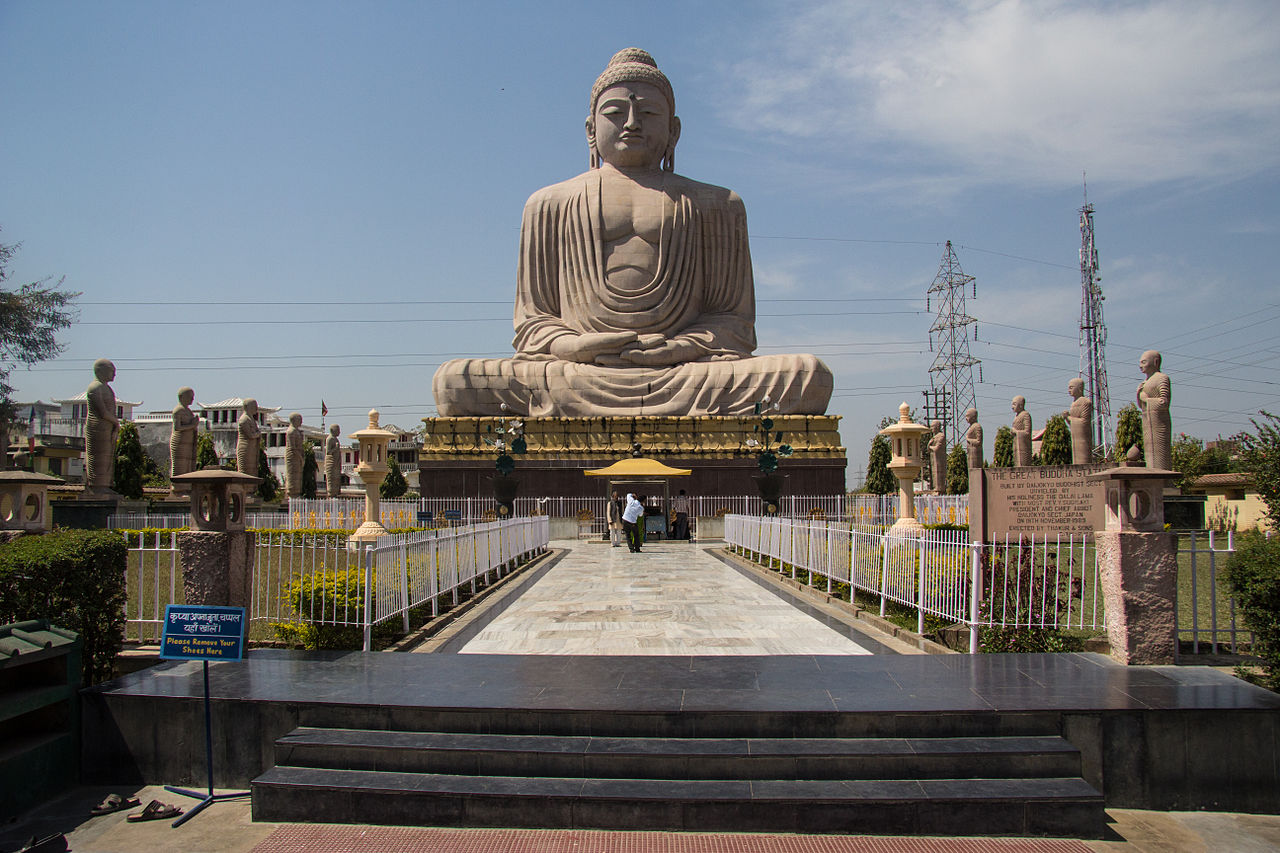
Mythological and spiritual importance of Bihar
Bihar holds immense mythological and spiritual importance in Indian history. It’s one of the few places where Hindu, Buddhist, Jain, and Islamic traditions all have deep roots. In Hindu mythology especially, Bihar is not just a state — it’s a sacred landscape where gods walked, sages meditated, and epic events unfolded. Why ? Let us…
-

Yadagirigutta Sri Lakshmi Narasimha Swamy Temple Guide
Yadagirigutta Sri Lakshmi Narasimha Swamy Temple Guide : Yadagirigutta Sri Lakshmi Narasimha Swamy Temple is one of the most revered and ancient temples in the state of Telangana. Nestled on a scenic hillock in Yadadri Bhuvanagiri district, the temple is dedicated to Lord Narasimha, an incarnation of Lord Vishnu. Known for its divine aura, unique…
-
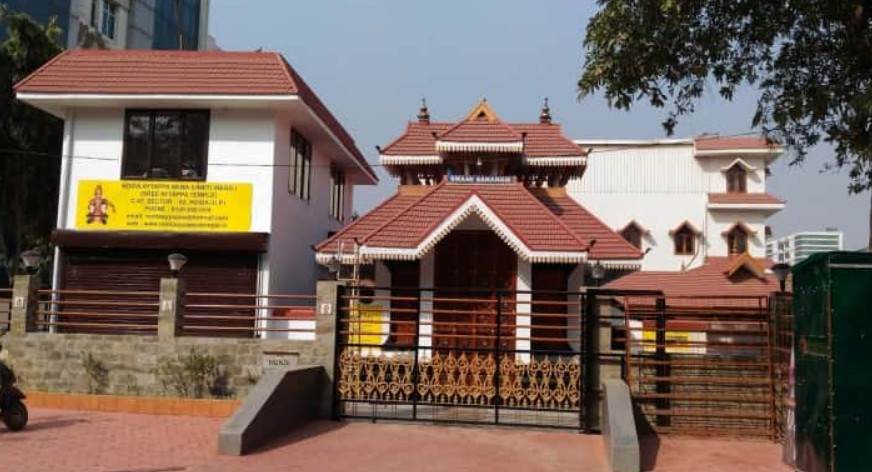
Must visit temples in Noida
Temples in Noida – Noida (New Okhla Industrial Development Authority) is a planned city in Uttar Pradesh, India, situated in the National Capital Region (NCR). Known for its modern infrastructure, wide roads, and green spaces, Noida has rapidly grown into a major hub for IT, education, and real estate. It houses numerous multinational companies, shopping…
-
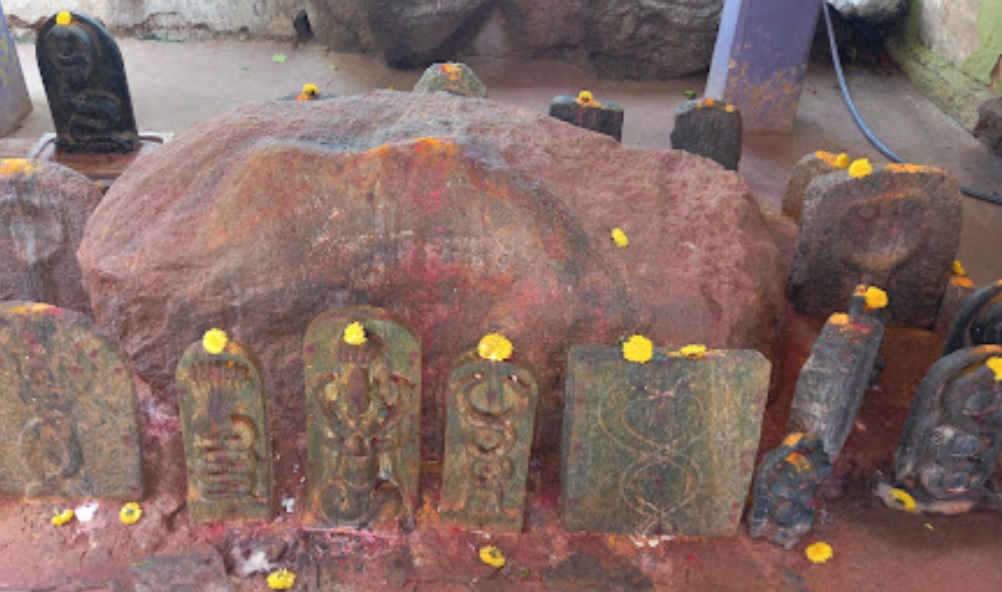
Famous Snake Temples in India
Naga Shrines, often known as snake temples, are mostly located in South India. Exclusive Nagaraja Temples are scarce again in this area. Although the majority of the shrines are either to Shiva or Subrahmanya (Kartik), naga worship is more well-known. Listed below are a few well-known snake temples in India ( Naga temples ). Mannarasala…
-
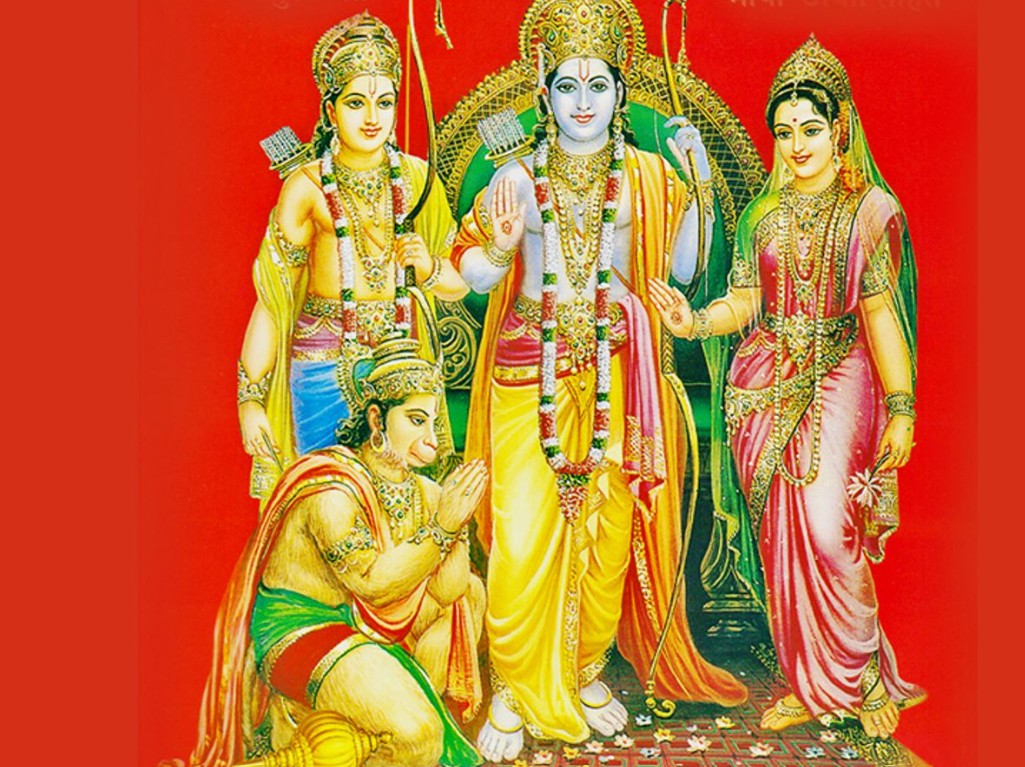
Mangal Bhavan Amangal Haari Lyrics
Mangal Bhavan Amangal Haari Lyrics
-

Madku Dweep: An Enigmatic Heritage Island of Chhattisgarh
Nestled on the serene banks of the mighty Shivnath River in Chhattisgarh, Madku Dweep is a hidden gem that echoes the mysteries of ancient Indian civilization. Known for its archaeological significance, lush natural surroundings, and cultural importance, Madku Dweep is rapidly gaining recognition among history enthusiasts, spiritual seekers, and nature lovers. What is Madku Dweep?…
-

Shri Jambukeswarar Temple – Thiruvanaikaval, Tamil Nadu
We talked about “Panch Bhota Sthalams” in one of our posts before. These are set of 5 Lord Shiva temples dedicated to the five elements of life i.e earth, water, fire, air and space. The temple we talk about today is Shri Jambukeswarar Temple in Thiruvanaikaval, Tamil Nadu, India. As we have mentioned before, below…
-

Ariyanoor 1008 lingam temple – Salem – Tamil Nadu
A beautiful hill with a presence of 1008 shiva lingas. Welcome to Ariyanoor 1008 lingam temple. This Sahasra Lingeswarar temples complex where you you will feel harmony and calmness. It is a must visit if you are in Salem. Where is 1008 Lingam temple located? This 1008 Lingam Temple is one of the famous temples of…
-

Kotilingeshwara temple – Shri Kotilingeshwara Swamy Temple ( Kotilinga )
kotilingeshwara temple : Shri Kotilingeshwara Swamy Temple also known as Kotilingais located in Kammasandra (Kolar district) in Karnataka. The temple is dedicated to Lord Shiva and hosts one of the largest Shiva Lingas in the world. About kotilinga -Shri Kotilingeshwara temple The main temple or the main deity is Lord Shiva and then in the…
-
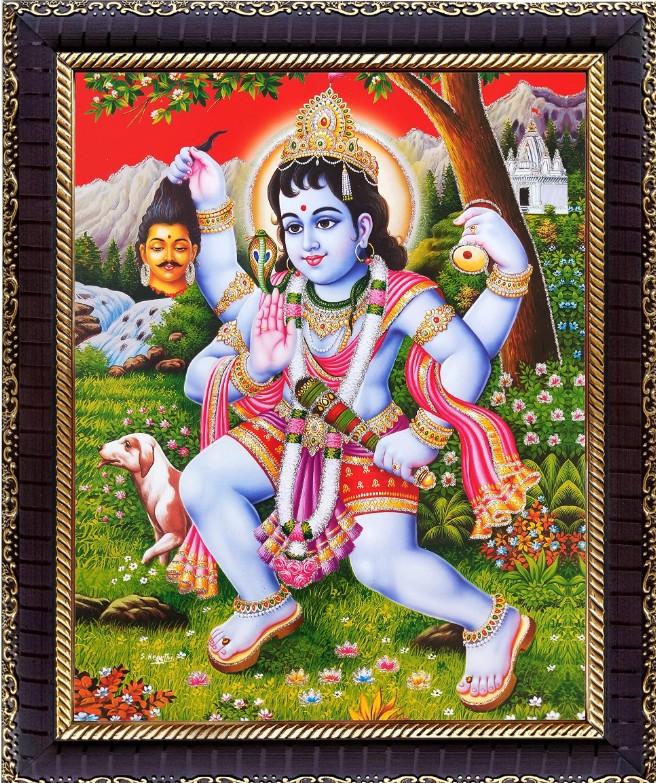
Batuk Bhairav Chalisa Lyrics in Hindi
|| श्री बटुक भैरव चालीसा || Batuk Bhairav Chalisa || ॥ दोहा ॥ श्री गणपति, गुरु गौरि पद, प्रेम सहित धरि माथ । चालीसा वन्दन करों, श्री शिव भैरवनाथ ॥ श्री भैरव संकट हरण, मंगल करण कृपाल । श्याम वरण विकराल वपु, लोचन लाल विशाल ॥ || चौपाई || जय जय श्री काली के लाला…
-
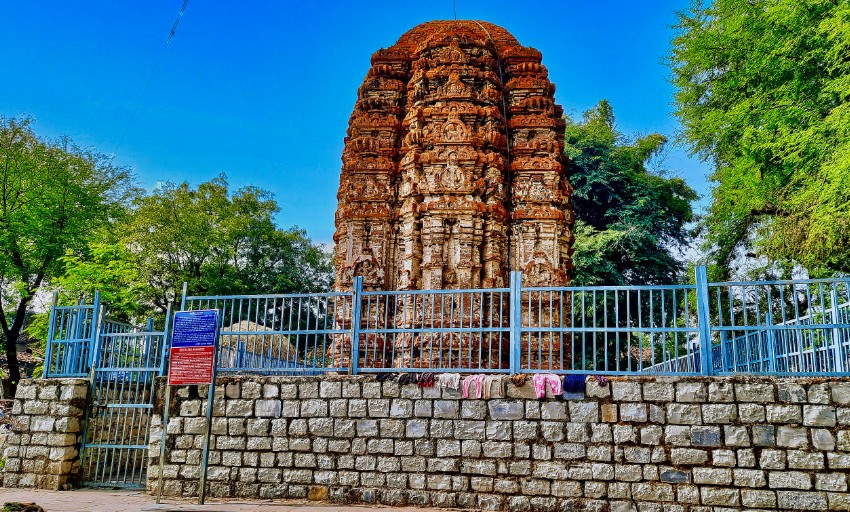
Exploring the Sacred Temples of Kharod: A Spiritual Journey Through Chhattisgarh’s Hidden Gem
Nestled in the heart of Chhattisgarh’s Janjgir-Champa district, Kharod is a town steeped in history, mythology, and spirituality. Often referred to as the “Kashi of Chhattisgarh,” this ancient settlement is renowned for its cluster of historic temples that date back to the 6th and 7th centuries CE. These temples, built during the reign of the…
-

Navgraha Chalisa Lyrics in English & Hindi
Navgraha Chalisa Lyrics – Reciting Navgrah Chalisa brings knowledge, wisdom, wealth and strength. This recitation helps in reducing the inauspicious effects of the nine planets and brings happiness and prosperity in life. नवग्रह चालीसा का पाठ करने से ज्ञान, बुद्धि, धन और बल प्राप्त होता है। यह पाठ नवग्रहों के अशुभ प्रभावों को कम करने…
-
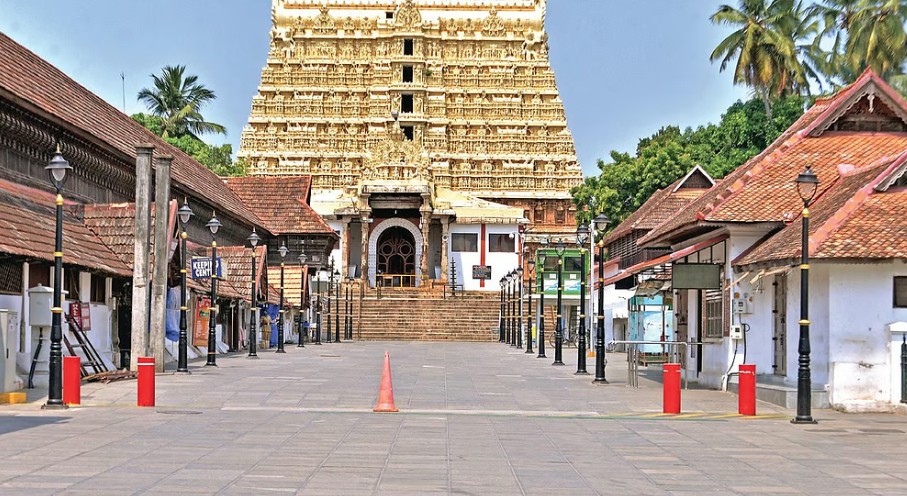
Top 10 must visit magnificient temples of South India
South India is renowned for its rich cultural heritage, stunning temple architecture, and spiritual significance. The region is home to some of the oldest and most beautiful temples in the world, attracting millions of devotees and travelers every year. Whether you’re a history enthusiast, a spiritual seeker, or an architecture lover, these temples will leave…
-

Janjgir Temples: A Journey Through the Ancient Architectural Marvels of Chhattisgarh
When one thinks of Chhattisgarh, the image that often comes to mind is of dense forests, vibrant tribal cultures, and hidden natural treasures. However, tucked away in the heart of this beautiful state lies Janjgir-Champa, a district that holds a unique treasure trove of ancient temples. Known as the “City of Temples,” Janjgir is a…
-
Ram Siya Ram Siya Ram Lyrics
राम सिया राम सिया राम। Ram Siya Ram Siya Ram. (Chant the name of Rama and Sita.) Ram Siya Ram Siya Ram Lyrics in Hindi कौशल्या दशरथ के नंदनराम ललाट पे सोभित चंदनरघुपति की जय बोले लक्षमणराम सिया का हो अभिनंदनअंजनिपुत्र पड़े है चरण मेंरामसिया जपते तनमन मेंमंगल भवन अमंगल हारीद्रवहु सुदशरथ अजर बिहारीराम सिया…
-
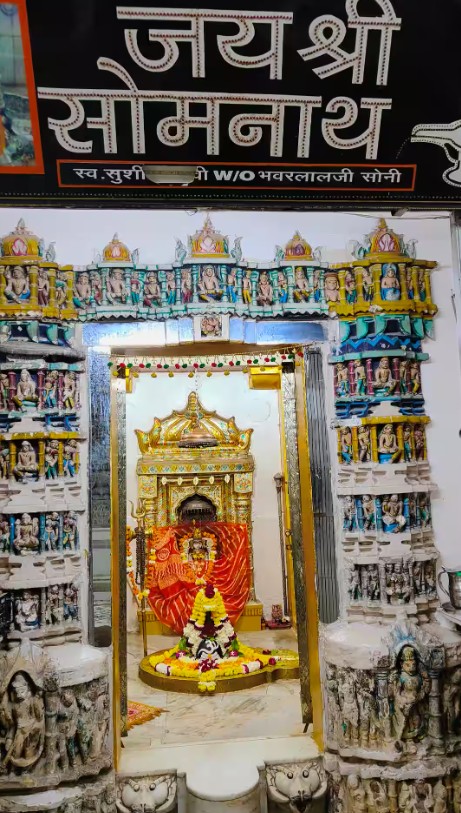
Temples of Pali, Rajasthan: A Spiritual Journey Through History and Devotion
Rajasthan, the land of kings, is not only famous for its majestic forts and palaces but also for its ancient temples that showcase exquisite architecture and deep-rooted spirituality. Pali, a historic city in Rajasthan, is home to some of the most revered temples, each with its unique legends and architectural brilliance. Temples in Pali takes…
-

Namokar Chalisa Lyrics in Hindi
Namokar Chalisa Lyrics / Text in Hindi वंदूँ श्रीअरिहंत पद, सिद्ध नाम सुखकार। सूरी पाठक साधुगण, हैं जग के आधार ।।१।। इन पाँचों परमेष्ठि से, सहित मूल यह मंत्र। अपराजित व अनादि है, णमोकार शुभ मंत्र ।।२।। णमोकार महामंत्र को, नमन करूँ शतबार। चालीसा पढ़कर लहूँ, स्वात्मधाम साकार ।।३।। || चौपाई || हो जैवन्त अनादिमंत्रम्,…
-

Ashtabhuji Temple, Adbhar – A Hidden Gem of Chhattisgarh’s Spiritual Landscape
Nestled in the quaint village of Adbhar in Janjgir-Champa district of Chhattisgarh, the Ashtabhuji Temple is an ancient shrine of profound mythological significance, architectural beauty, and spiritual magnetism. Often overshadowed by mainstream pilgrimage sites, this temple holds a unique place in the religious and historical fabric of central India. The temple is dedicated to Goddess…
-
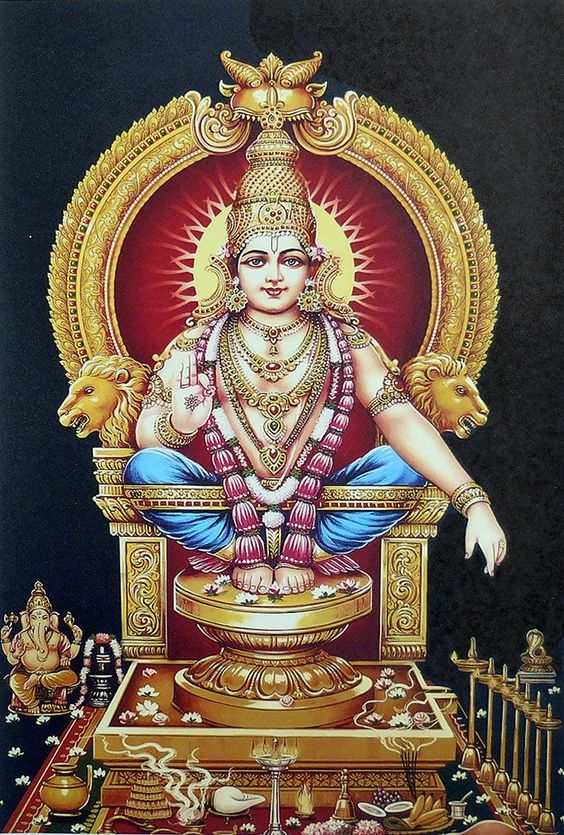
Ayyappa Suprabhatham Lyrics
Surasuradhitha Divya padukam,Characharantha sthitha Bhoota nayakam,Virajamana nanamadhi desikam,Varabhayalankrutha panimasraye. 1 Varasanastham . mani kanta mujwalam,Karambhujo patha vibhoothi bhooshanam,Smarayuthakara mudhara vigraham,Smarami SAstharam anadha rakshakam. 2 Smaradhi Sangeetha rasanuvarthanam,Swaraja kolahala divya keerthanm,Dhara dharendropari nithya narthanam,Kiratha moorthim kalaye mahaddhanam. 3 Niramayananda dhaya payonnidhim,Parathparam pavana bhaktha sevadhim,Radhi vichedhana vaidyuthakruthim,Hareesa bhagyathmaja masrayamyaham. 4 Hareendra mathanga Thurangamasanam,Harendra bhasmasana sankarathmakam,Kireeta harangadha kankanojwalam,Purathanam…
-
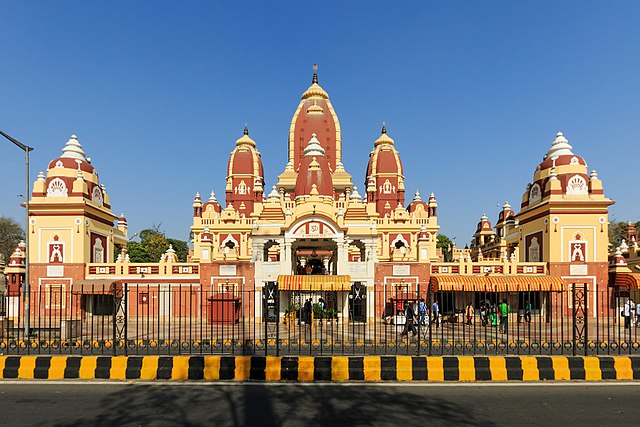
Famous Temples of Delhi: A Spiritual Journey Through the Capital
top 10 temples in Delhi Delhi, the heart of India, is not only known for its political significance and vibrant culture but also for its rich spiritual heritage. Amidst the bustling markets, historical monuments, and modern infrastructure, lie some of the most famous temples of Delhi that draw devotees, tourists, and culture lovers alike. These…
-
Aarti Shri Ramayan Ji Ki Lyrics
आरती श्रीरामायणजी की। Aarti Shri Ramayan Ji Ki. Aarti shri ramayana jee keeAarti shri ramayana jee keeKirati kalit lalit siy pee keeKirati kalit lalit siy pee kee Aarti shri ramayana jee keeAarti shri ramayana jee keeKirati kalit lalit siy pee keeAarti shri ramayana jee kee Gaavat brahmadik muni naaradGaavat brahmadik muni naaradBaalmeek bigyaan bisarad(baalmeek bigyaan…
-

5 Famous Buddha Temples in Vietnam You Should Visit
Buddha temples in Vietnam – Vietnam is a land of rich cultural heritage, spiritual depth, and breathtaking natural beauty. For centuries, Buddhism has been an integral part of Vietnamese life, shaping its traditions, architecture, and way of thinking. There are many famous Vietnamese pagodas. Whether you are a spiritual seeker, history buff, or travel enthusiast,…
-

The 51 Shakti Peethas of India: Sacred Abodes of the Divine Feminine
India, a land of deep spiritual resonance, is home to numerous sacred sites steeped in myth, legend, and devotion. Among the most revered are the 51 Shakti Peethas Of India, shrines dedicated to the goddess Shakti, the divine feminine force. According to ancient Hindu texts, these are places where parts of Sati Devi’s body fell…
-
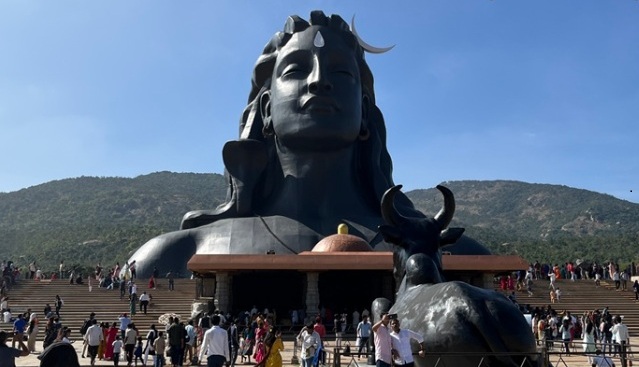
Shri Adiyogi and Isha Foundation – Chikkabalapura – Bangalore
Friends if you are in Bangalore and want to visit Shri Adiyogi at Isha foundation, you do not need to visit Coimbatore. You can actually visit this majestic Shri Adiyogi statue and temple situated at the outskirts of Bangalore. Isha foundation Bangalore is located near Chikkabalapur, not very far from Bangalore International Airport. And Chikbalapur…
-

Sri Gommateshvara Bahubali temple – Shravanabelagola – Karnatka
Today friends, I will take you to shravanabelagola, where we have Sri Gommateshvara Bahubali temple also known as shravanabelagola temple. Originally published – May 09, 2015, Updated: 24/02/2025 Many a times we start towards a destination for a casual weekend visit and return back home feeling very very happy , with a peaceful mind and…
-
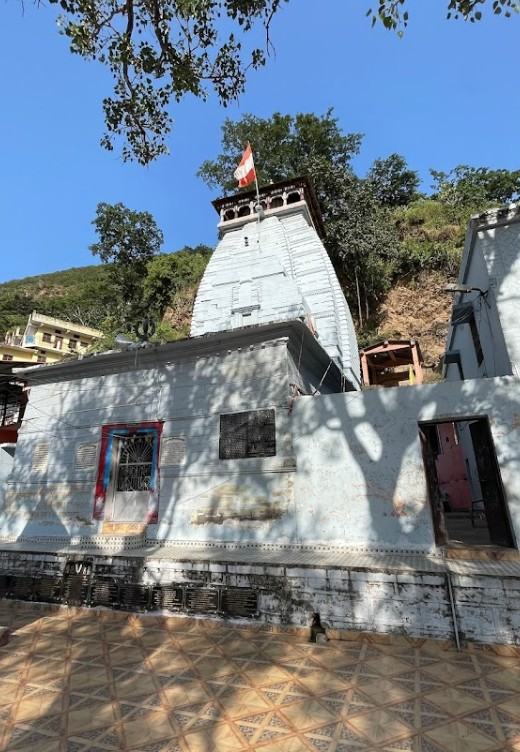
Shri Neelamega Perumal Raghunath ji Temple (Divya Desam)- Garhwal – Uttarkhand
Sri Neelamega Perumal Temple Raghunath ji is one of the famous Lord Vishnu temples. It is Situated in Deva Prayag which is in Tehri Garhwal District of Uttarkhand. This temple is one of the 108 divya desams temples . This temple is also called as Thirukandam. Thirukandam is also called as “Kadinagar” and “Devaprayag”. About…
-

Shiv aarti – Shiv aarti lyrics in Hindi and English
Om Namah Shivay ! friends. Devo ke dev is Mahadev. For all our readers of mytempletrips we bring Shiv aarti , the Shiv aarti lyrics in Hindi and English. Shiv aarti in Hindi – shiv aarti lyrics om jai shiv omkara aarti lyrics in hindi ओम जय शिव ओंकारा, स्वामी जय शिव ओंकारा। ब्रह्मा, विष्णु,…
-
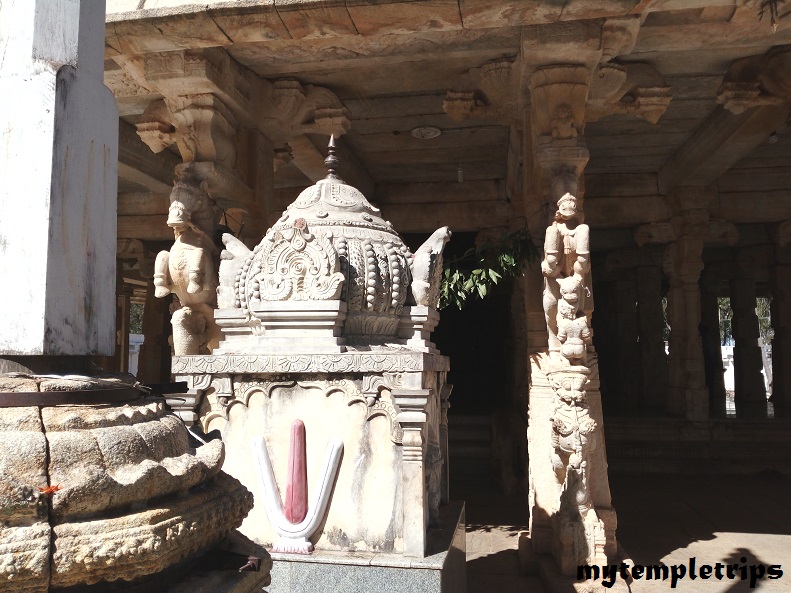
Sri Ranganathaswamy Temple (Rangasthala ) – Chikkaballapur – Karnatka
Sri Ranganathaswamy Temple (Rangasthala )is dedicated to Lord Ranganatha ( another name of Lord Vishnu). It’s an old temple situated in Chikkbalapur district in Karnatka not very from Bengaluru (apporx 60 Kms). Innside the temple premises as you see above the carvings on the pillars are quite impressive. The serene environment there gives you a…
-
हम्पी में मंदिरों के कुछ खास रहस्य ( Mysteries temple of hampi in hindi )
दोस्तों हम्पी एक अनोखी भूमि है, जिसकी स्थापना 1336 ई. में हुई थी. यह अपने आप में खंडहरों का एक पूरा शहर है। आज हम आपको हम्पी के बारे में 10 आश्चर्यजनक बातें बताएँगे , जिन्हें आपको जानना चाहिए, ताकि आपके जिज्ञासु मस्तिष्क को संतुष्टि मिले और ताकि अगली बार जब आप वहाँ जाने की…
-

Sri Varasidhi Vinayaka Swamy Temple – Kanipakam Temple – Chitoor – Andhra Pradesh
In Hinduism, though all the gods are equal, Lord Ganesha has a special place. We start anything new in our life after taking his blessing as he is the one who gets rid off all the obstacles from our lives. Friends welcome to our post “Sri Varasidhi Vinayaka Swamy Temple – Kanipakam Temple- Chitoor –…
-
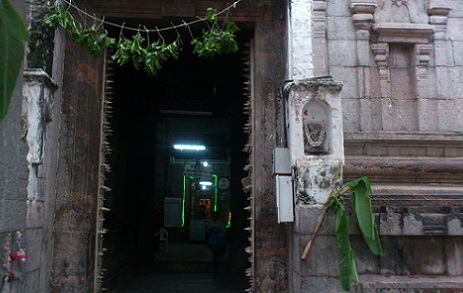
Shri Navaneeta Krishna Temple – Channapatna – Karnatka – mitigates Putra Dosha
If you live in Bangalore, I am very much sure that you would have visited Mysore many a times and you should have crossed Channapatna. Both Mysore and Channapatna are so famous. Mysore is one of the famous tourist cities for India and Channapatna is famous for wooden toys. But today I will tell you…
-

Jyotirlinga temples- The 12 most sacred abodes of Lord Shiva
Om Namah Shivay friends. Mahadev or the Lord Shiva is also called as “Devon ke Dev – Mahadev” ( देवों के देव महादेव) . We all probably know that there are 12 Jyotirlinga temples as per Hindu texts. But what are these Jyotirlinga temples and what is the legend behind them? Where are they located…
-
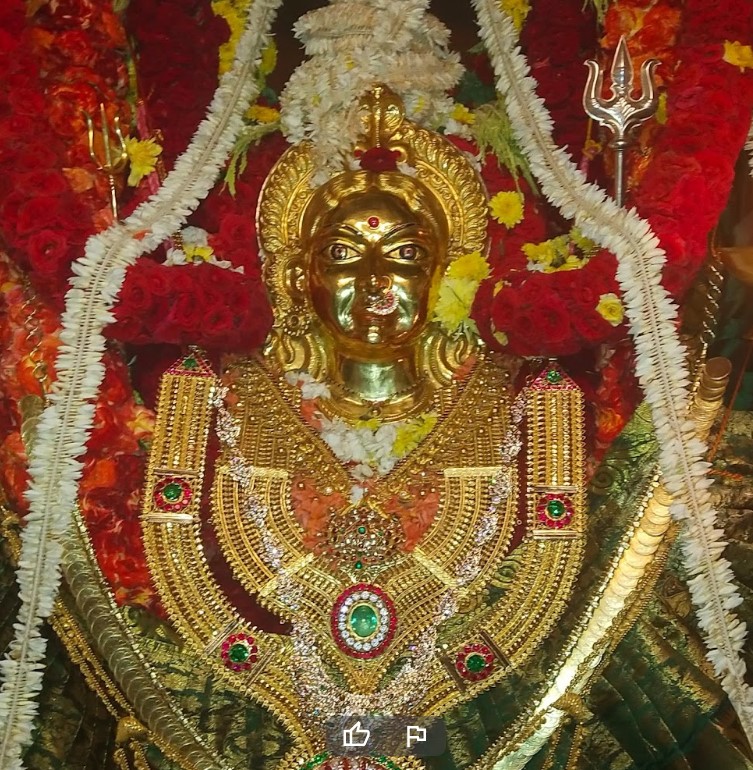
Sigandur chowdeshwari temple timings
Sri Sigandur chowdeshwari temple is one of the most significant Shri Kshetra temples in South Karnataka. It is located in the backwaters of the Sharavati River and must be crossed by a launch or boat, which is the shortest method. The longest path is a road that crosses the backwaters all the way. The temple…
-

Pratyuangira Devi Temple , Bangalore
Pratyuangira Devi Temple is located in Bangalore’s Turahalli neighborhood, along Kanakapura Road. Beautiful architecture from the Pandyan dynasty, created in Agama shastra (one of the vedic styles). There are many Pratyuangira Devi temples in Bangalore. The one in Turahalli is very famous and is visited by people across the city. Pratyuangira Devi is the goddess…
-

Gurdwara Shri Manji Sahib – Ludhiana – Punjab
Gurdwara Shri Manji Sahib is a famous Gurdwara. It is located in Ludhiana, Punjab. Gurdwara Shri Manji Sahib (Also called as Alamgir Sahib) is situated in the Alamgir Village In Ludhiana Dist. Guru Shri Gobind Singh, after his four sons and mother were martyred by the Mughals, was going from Machhiwara on a bed as…
-

Bada Ganesh Mandir Ujjain – गणपति बप्पा का यह अनोखा मंदिर
Bada Ganesh Mandir Ujjain – बड़ा गणेश मंदिर, गणपति बप्पा का यह अनोखा मंदिर, उज्जैन के लोकप्रिय भगवान गणेश के मंदिरों में से एक है। यह मंदिर उज्जैन जंक्शन से लगभग 2.5 किलोमीटर की दूरी पर स्थित है। इसलिए यदि आप उज्जैन की यात्रा पर हैं, जो महाकालेश्वर मंदिर के पास स्थित यह मंदिर आपको…
-
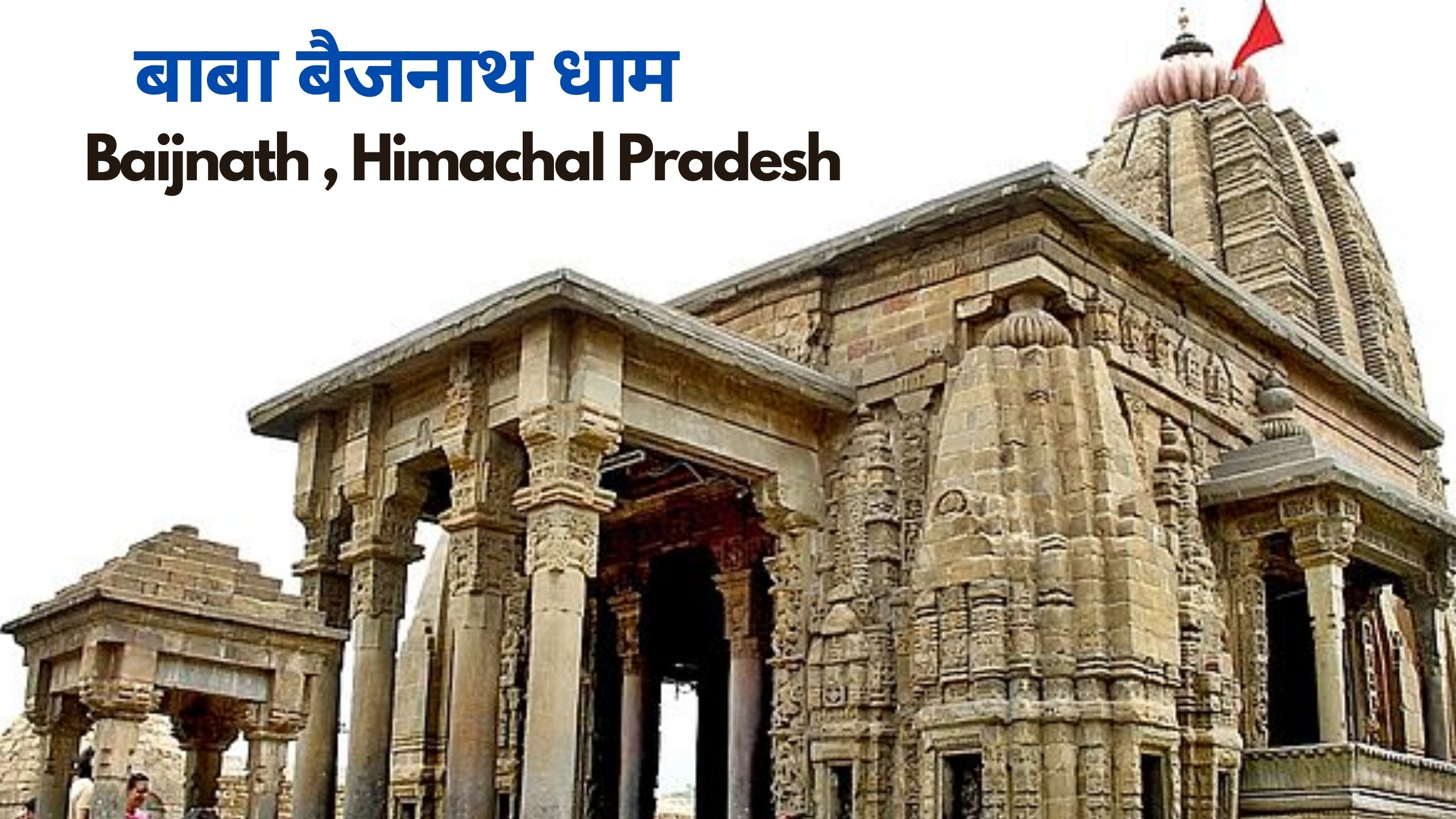
Baba Baijnath Dham | बाबा बैजनाथ धाम हिमाचल प्रदेश
बैजनाथ हिमाचल प्रदेश में प्रसिद्ध बाबा बैजनाथ धाम ( Baba Baijnath Dham ) है, जिसे बैजनाथ शिव मंदिर ( Baijnath Shiv Temple ) भी कहा जाता है, जो भगवान शिव को समर्पित एक प्रसिद्ध मंदिर है। Baba Baijnath Dham | बाबा बैजनाथ धाम बैजनाथ को मूल रूप से किराग्राम के नाम से जाना जाता था।…
-

Bhojeshwar Temple | भोजेश्वर मंदिर – एक अधूरी पर भव्य संरचना
भोजपुर, जो भोपाल से लगभग 28 किलोमीटर दूर है, एक पुरातात्विक स्थल के रूप में प्रसिद्ध है और शानदार शिव मंदिर और साइक्लोपियन बांध खंडहर के लिए जाना जाता है। शिव मंदिर, जिसे भोजेश्वर मंदिर ( Bhojeshwar Temple ) के नाम से भी जाना जाता है, अपनी वास्तुकला के कारण – “पूर्व का सोमनाथ” नाम…
-
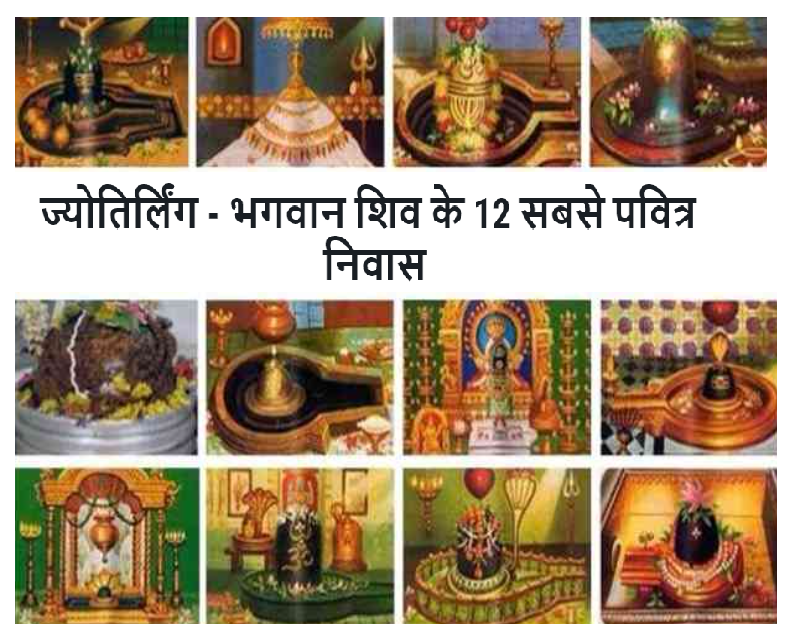
12 Jyotirling – भगवान शिव के 12 सबसे पवित्र निवास – Jyotirlinga , The 12 most sacred abodes of Lord Shiva ( In Hindi)
12 Jyotirling – ओम नमः शिवाय दोस्तों। महादेव या भगवान शिव को “देवों के देव – महादेव” (देवों के देव महादेव) भी कहा जाता है। आज हम भगवान शिव के हम सभी शायद जानते हैं कि हिंदू ग्रंथों के अनुसार 12 ज्योतिर्लिंग ( 12 Jyotirling) हैं। लेकिन ये ज्योतिर्लिंग ( Jyotirlinga in hindi ) क्या हैं और इनके पीछे क्या पौराणिक कथा है? वे…
-
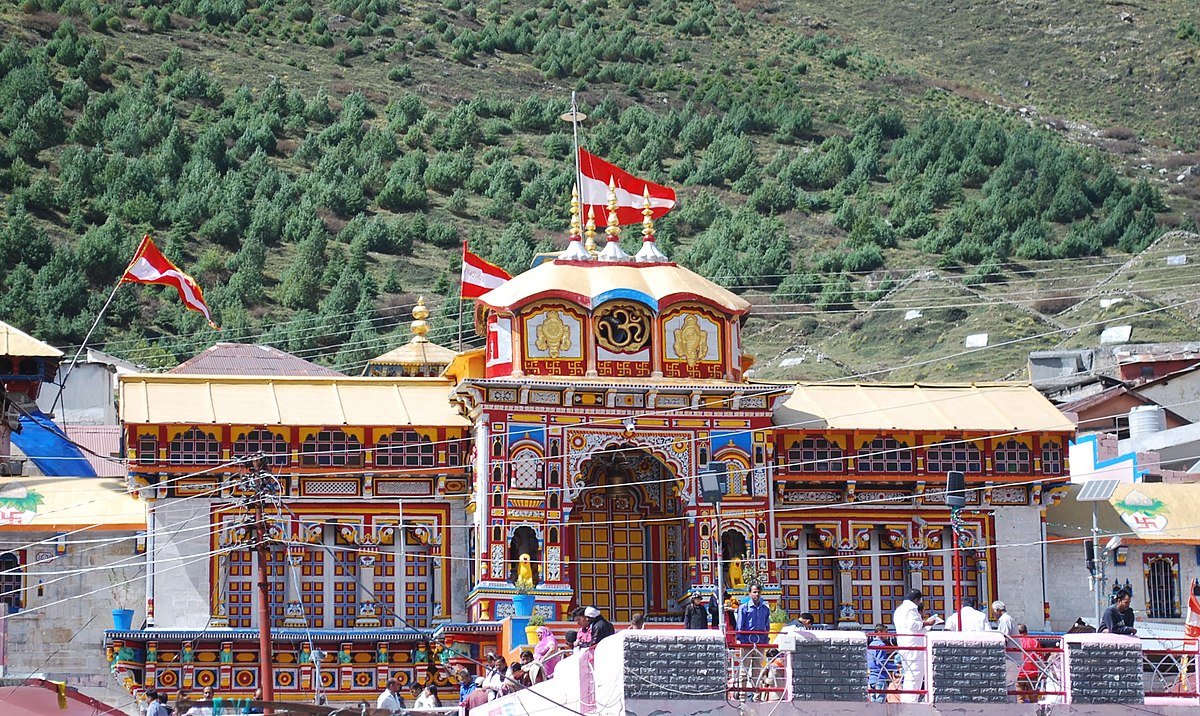
Badrinath Temple – बद्रीनाथ मंदिर – Hindi me Jankaari
भगवान विष्णु को समर्पित चार धाम में से एक बद्रीनाथ मंदिर Badrinath Temple ( बद्रीनाथ मंदिर) है। अलकनंदा नदी के किनारे गढ़वाल पहाड़ियों में स्थित है। इस मंदिर का उल्लेख 108 दिव्य देसमों में भी है, जिसमें भगवान विष्णु को समर्पित तीर्थयात्रियों का उल्लेख है। 108 दिव्य देसम भगवान विष्णु के १०८ प्रसिद्ध मंदिर हैं…
-

Ganesh stuti | भगवान गणेश स्तुति , ध्यान मंत्र और मूल पाठ
Ganesh Stuti Mantra – भगवान गणेश प्रथम पूज्य हैं। बुधवार के दिन भगवान गणेश जी की पूजा का विशेष महत्व है। हर शुभ कार्य से पहले भगवान गणेश की पूजा की जाती है। भगवान गणेश को कई नामों से पुकारा जाता है। गजानन, विघ्नहर्ता, गणपति, लंबोदर के नाम से भी जाने जाते है। भगवान गणेश…
-
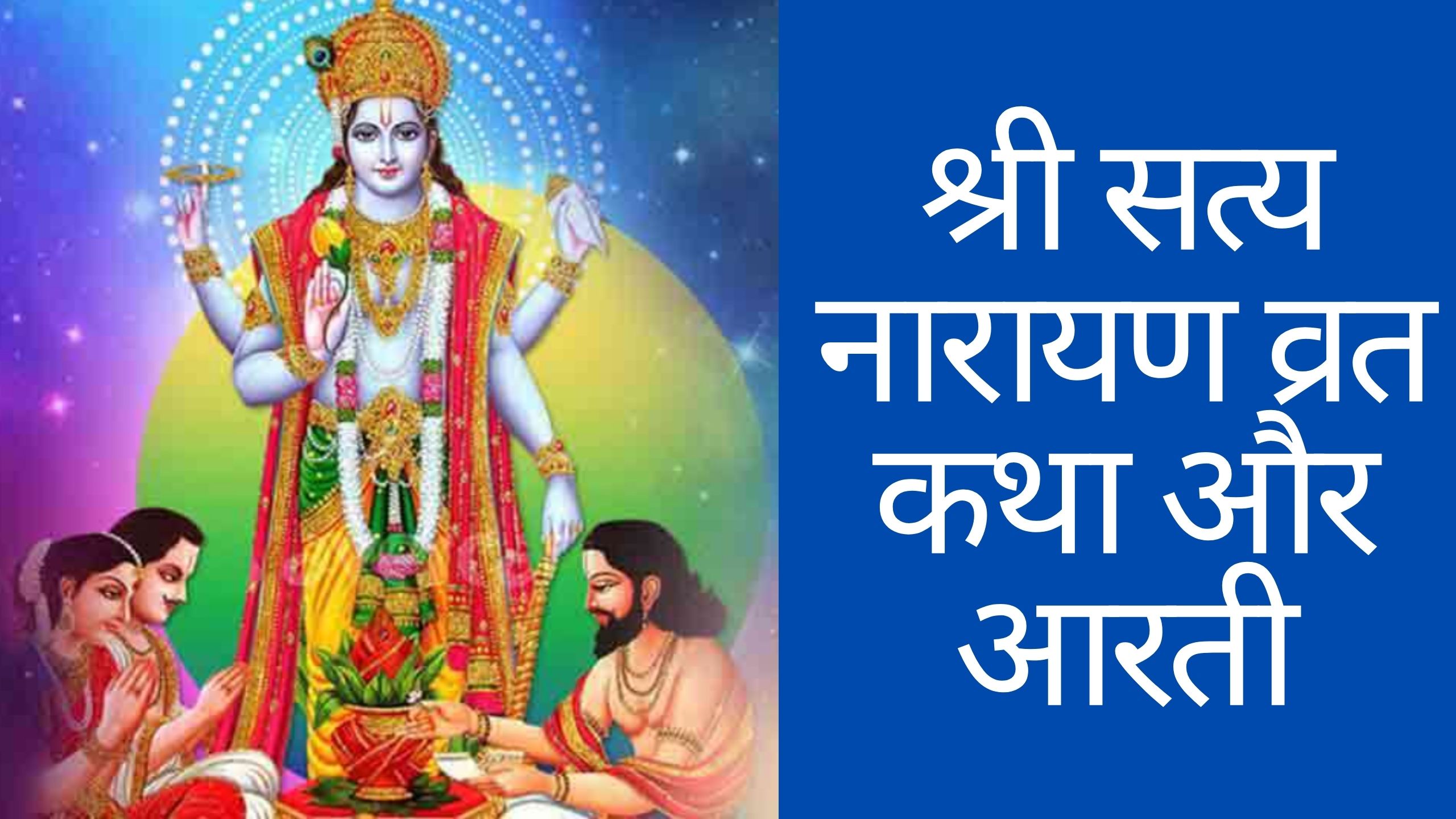
Satyanarayan Katha in hindi – श्री सत्य नारायण व्रत कथा और आरती
Shri Satyanarayan Katha in hindi : श्री सत्य नारायण व्रत कथा भगवान श्री हरी की पूजा के लिए सबसे बड़ी कथा है। दोस्तों आज हम आपके लिए लेकेआये हैं श्री सत्य नारायण व्रत कथा और आरती के बोल। उम्मीद करते हैं की आपको हमारा यह लेख ( Shri Satyanarayan Katha in hindi – श्री सत्य…
-
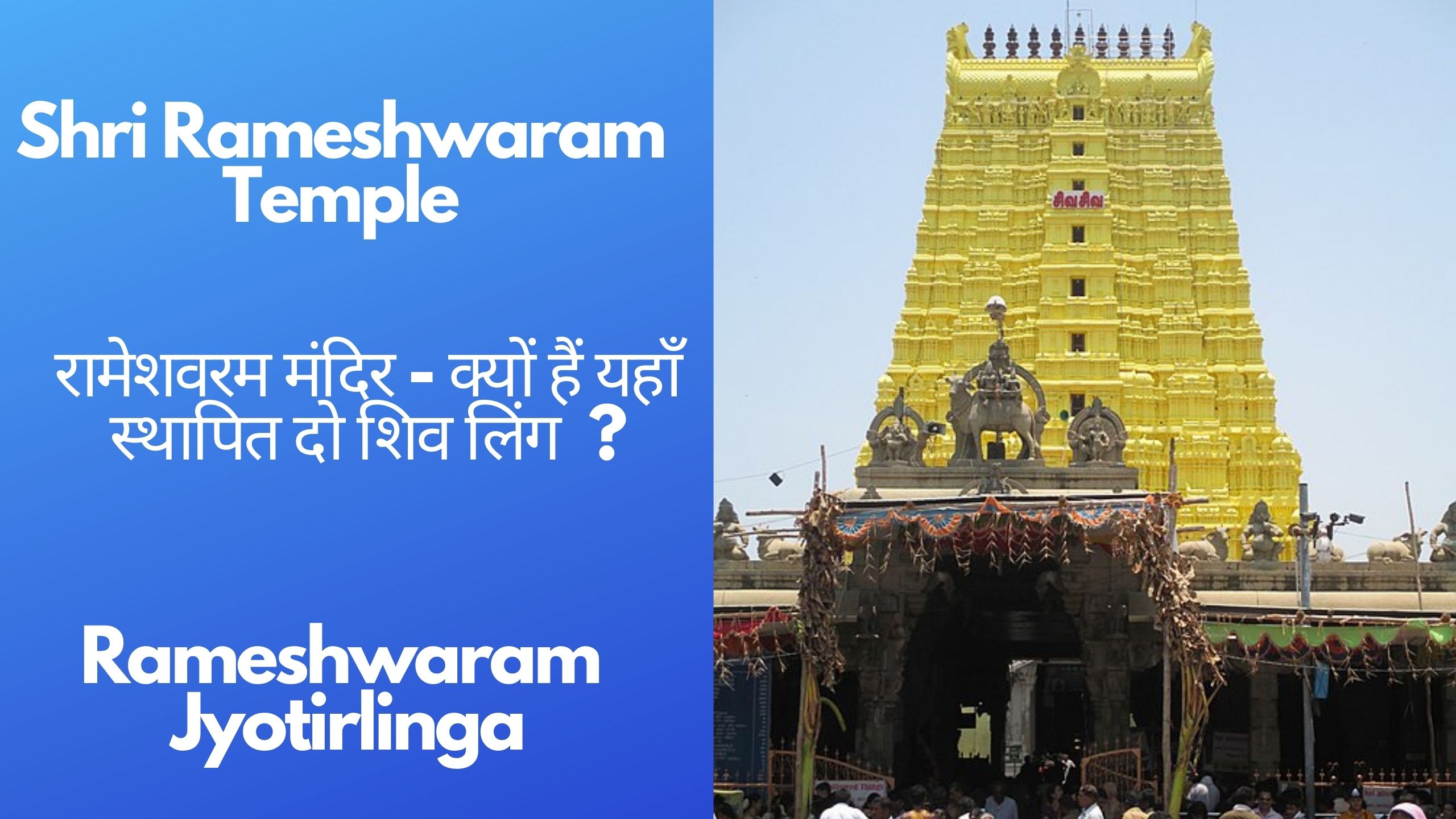
Rameshwaram mandir | रामेशवरम मंदिर – क्यों हैं यहाँ दो शिव लिंग
Rameshwaram mandir ( रामेशवरम मंदिर ) तमिलनाडु के रामेशवरम शहर में स्तिथ है। भगवान शिव तो समर्पित यह मंदिर हिन्दुओं के लिए एक बहुत ही महत्वपूर्ण तीर्थ स्थल है। ऐसा माना जाता है की अपने जीवन काल में कम से कम एक बार Rameshwaram temple ( रामेशवरम मंदिर ) की यात्रा जरूर करनी चाहिए ।…
-
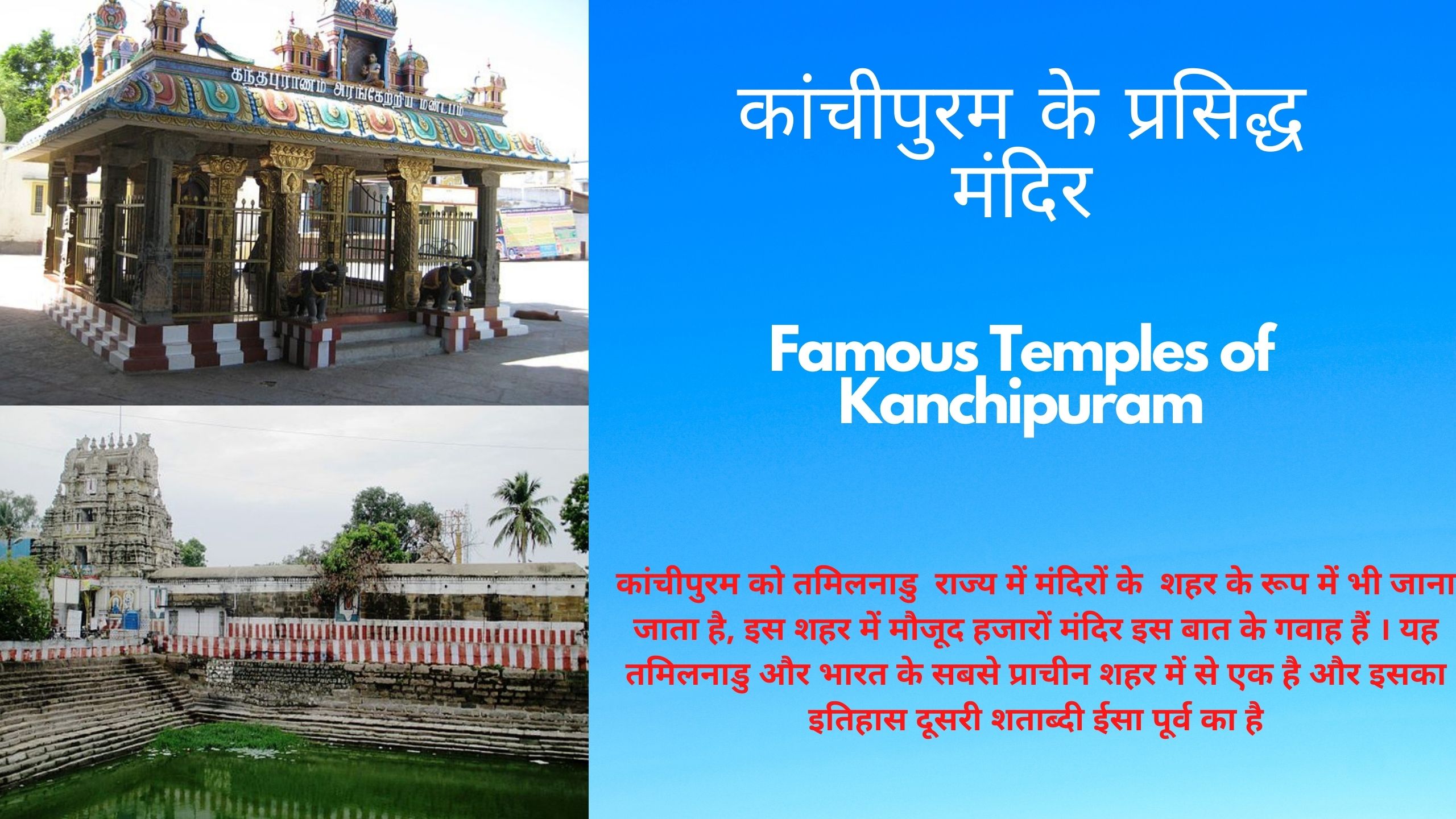
कांचीपुरम के प्रसिद्ध मंदिर – Kanchipuram temples hindi
कांचीपुरम को तमिलनाडु राज्य में मंदिरों के शहर के रूप में भी जाना जाता है, इस शहर में मौजूद हजारों मंदिर इस बात के गवाह हैं । यह तमिलनाडु और भारत के सबसे प्राचीन शहर में से एक है और इसका इतिहास दूसरी शताब्दी ईसा पूर्व का है। आइए कांचीपुरम के कुछ प्रसिद्ध मंदिरों पर नजर डालें…
-
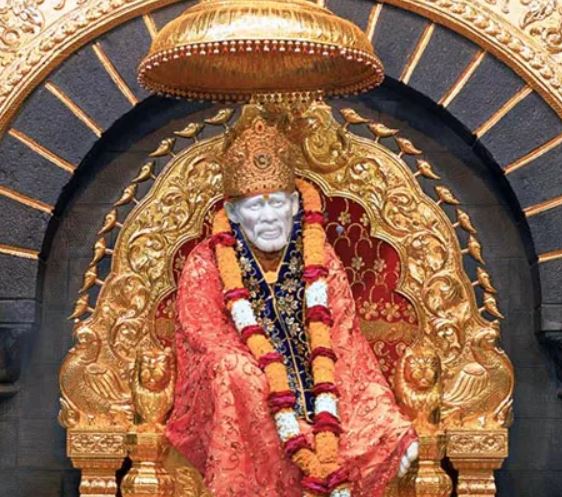
Shri Sai Chalisa | श्री साई चालीसा | Sai Baba Chalisa in Hindi
पहले साई के चरणों में, अपना शीश नमाऊं मैं।कैसे शिरडी साई आए, सारा हाल सुनाऊं मैं॥ कौन है माता, पिता कौन है, ये न किसी ने भी जाना।कहां जन्म साई ने धारा, प्रश्न पहेली रहा बना॥ कोई कहे अयोध्या के, ये रामचंद्र भगवान हैं।कोई कहता साई बाबा, पवन पुत्र हनुमान हैं॥ कोई कहता मंगल मूर्ति,…